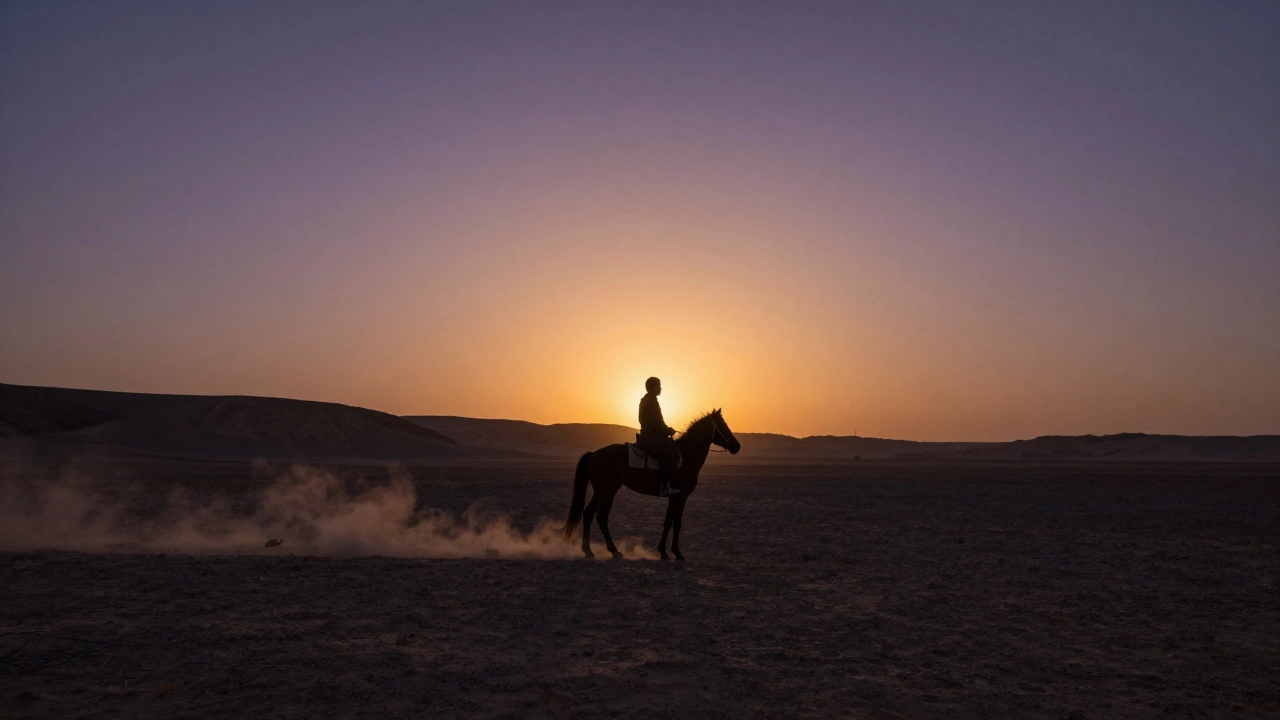
Westerns weren’t supposed to come back. For years, they were seen as relics-dusty boots, lone cowboys, and sun-baked towns that felt stuck in the 1950s. But something changed. In the last five years, westerns have quietly returned, not as nostalgia trips, but as sharp, complex stories that speak to today’s anxieties. Western films aren’t just surviving-they’re evolving.
Why Westerns Disappeared
By the 1980s, the classic western had lost its grip. Audiences moved on. Television had already saturated the market with repetitive tales of good vs. evil. The genre became predictable: the sheriff rides in, the bad guy gets shot, the town cheers. Critics called it outdated. Even John Wayne’s legacy felt like a museum piece.
Then came the rise of superhero movies, gritty crime dramas, and fast-paced sci-fi. Westerns vanished from theaters. Studios stopped greenlighting them. By 2010, only one major studio western had been released in the previous five years: True Grit (2010), a remake that barely made back its budget.
The genre was declared dead. But death is often just silence before a comeback.
The Quiet Return: 2018-2023
The revival didn’t start with a bang. It started with a whisper.
In 2018, The Ballad of Buster Scruggs dropped on Netflix. It wasn’t a traditional western-it was six short stories, dark, funny, and brutal. No hero in a white hat. No grand showdowns. Just people, their choices, and the harshness of the land. It won an Oscar nomination. People talked. Not because it was nostalgic, but because it felt real.
Then came Hostiles (2017), The Sisters Brothers (2018), and The Revenant (2015)-all gritty, emotionally heavy, and visually stunning. These weren’t about cowboys saving towns. They were about trauma, guilt, and survival. The landscape became a character. The silence between lines carried more weight than gunshots.
By 2021, The Power of the Dog shattered expectations. Directed by Jane Campion, it had no horse chases, no saloon brawls. Yet it was undeniably a western. It explored toxic masculinity, repression, and quiet violence. It won four Oscars. Hollywood took notice.
What Makes a Modern Western?
Modern westerns don’t wear the same clothes as the old ones. They keep the setting-the wide plains, the dusty towns, the isolation-but swap the morality tales for psychological depth.
- Setting over spectacle: The land isn’t just backdrop-it’s a force. Think of the snow-covered mountains in The Power of the Dog or the endless desert in Hell or High Water (2016).
- Flawed protagonists: No clean heroes. Think of Chris Pine’s bank robber in Hell or High Water, or Benedict Cumberbatch’s repressed rancher in The Power of the Dog. They’re broken, complicated, sometimes cruel.
- Themes of loss and change: These films ask: What happens when the old world dies? Who gets left behind? Who benefits? They mirror today’s economic divides, rural decline, and cultural erasure.
- Slow pacing, heavy silence: No quick cuts. No orchestral swells. Dialogue is sparse. Emotions are shown in glances, not monologues.
These aren’t westerns for kids. They’re for adults who’ve seen too much and still want to feel something.
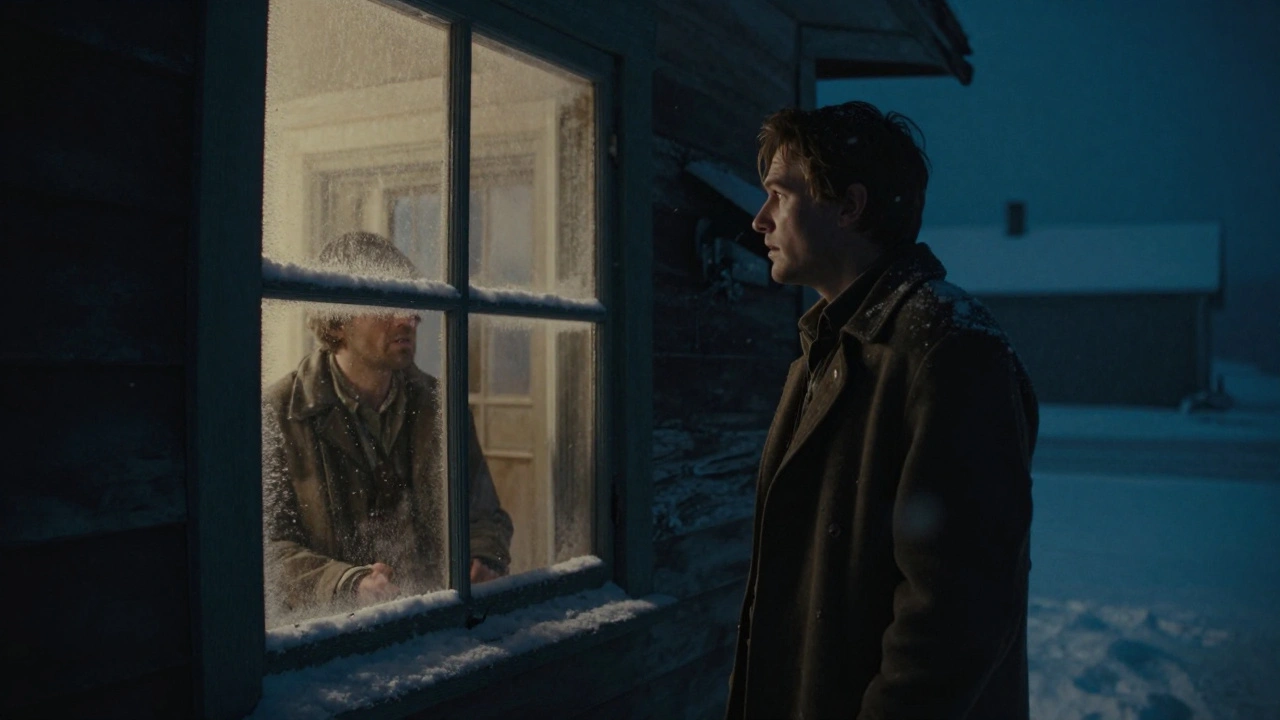
Neo-Westerns and the Blurred Lines
The genre is no longer confined to horses and six-shooters. The term neo-western now covers stories that transplant western themes into modern settings.
Breaking Bad (2008-2013) was a neo-western. Walter White is the lone antihero riding through the desert of Albuquerque, building his empire, facing consequences. The final shot of him in the lab, alone, could’ve been the last frame of The Good, the Bad and the Ugly.
Yellowstone (2018-present) is a neo-western on TV. No cowboys on horseback? Doesn’t matter. It’s about land, power, bloodlines, and the cost of legacy. It’s the most-watched drama on cable in 2024.
Even Star Wars borrowed from the western. Luke Skywalker is a farm boy who leaves home. Han Solo is the rogue with a code. The desert planet Tatooine? A western town in space.
The western isn’t dead-it’s been reborn in disguise.
Why Now?
Why are audiences drawn to westerns again? Because the world feels like one.
Right now, people see a country divided. Rural communities abandoned. Wealth concentrated in cities. Lawlessness in politics. The frontier isn’t out west anymore-it’s online, in boardrooms, in the gaps between rich and poor.
Modern westerns reflect that. They’re about people trying to hold onto something in a world that’s slipping away. The lone figure walking into the sunset? Now it’s a single mother driving across state lines to escape debt. The outlaw? A farmer fighting to keep his land from a corporation.
Westerns always mirrored the times. In the 1950s, they were about order after war. In the 1970s, they were about corruption and disillusionment. Today, they’re about survival in a broken system.
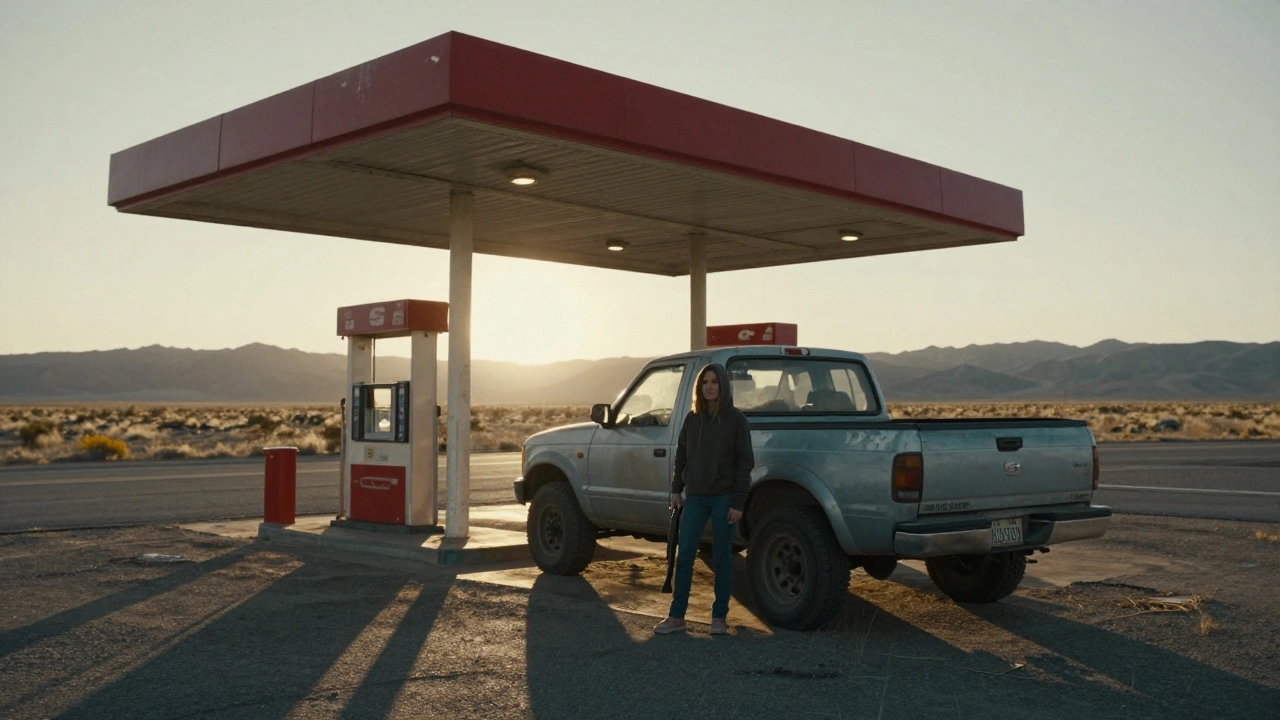
What’s Next?
The revival isn’t slowing down.
God’s Country (2022) explored racial tension in a remote Montana town. Appalachian Trail (2024), a new Amazon series, reimagines the western as a survival story in the Appalachian backcountry. Even Netflix’s My Name (2023), a Korean series, borrowed western structure-loner, revenge, moral ambiguity-to tell a story about family and vengeance.
Directors like Taylor Sheridan (Yellowstone, 1883) are becoming the new John Ford. Actors like Jesse Plemons and Kodi Smit-McPhee are becoming the new Clint Eastwood.
And studios? They’re finally listening. In 2025, three major studio westerns are in pre-production. One is a Native-led story set in the 1870s. Another is a female-led tale of a bounty hunter in Texas. A third is a sci-fi western set on Mars.
The genre is expanding, not shrinking.
Where to Start Watching
If you’re new to modern westerns, here’s where to begin:
- Hell or High Water (2016) - A bank robbery drama with heart, grit, and a killer score.
- The Power of the Dog (2021) - A slow-burn psychological masterpiece. Don’t rush it.
- True Grit (2010) - The Coen Brothers’ take on a classic. Sharp, dark, funny.
- Yellowstone (2018-present) - If you like TV, this is the gateway drug.
- The Ballad of Buster Scruggs (2018) - For those who like stories that don’t tie up neatly.
These aren’t just movies. They’re mirrors. And they’re showing us something we’re afraid to admit: the west isn’t gone. It’s still here-in our choices, our silence, our stubbornness to survive.
Are traditional westerns still being made today?
Yes, but rarely in the classic style. Most modern westerns blend old elements with new themes-psychological depth, moral ambiguity, and social commentary. Pure, old-school westerns like The Man Who Shot Liberty Valance are rare now, but films like The Harder They Fall (2021) honor the style while flipping the script with diverse casting and modern storytelling.
Why are audiences responding to westerns again?
Because today’s world feels like a western. Economic inequality, isolation, loss of community, and the struggle to hold onto land or identity-all of these mirror the themes of classic westerns. Modern audiences connect with stories that show people fighting systems bigger than themselves, not just shooting bad guys.
Is the western genre only American?
No. While rooted in U.S. history, the western’s themes-frontier life, lawlessness, individualism-are universal. Spain has its own westerns (called Spaghetti westerns), Japan has Samurai films that follow the same structure, and now countries like South Korea and Australia are making their own versions. The genre is a template, not a nationality.
What’s the difference between a western and a neo-western?
A western is set in the American Old West, usually between 1865 and 1890, with horses, guns, and frontier towns. A neo-western takes those themes-loneliness, justice, survival-and places them in modern times. Think Breaking Bad or Yellowstone. Same soul, different setting.
Are westerns making money again?
Absolutely. Yellowstone is the most-watched drama on cable in 2024. The Power of the Dog earned over $100 million worldwide on a $25 million budget. Streaming platforms are investing heavily because audiences are hungry for slow-burn, character-driven stories-and westerns deliver that better than almost any other genre right now.
Final Thought
The western never died. It just waited. It knew we’d need it again-not for the horseback rides or the hat tipping, but for the silence between the shots. For the weight of a decision made alone. For the truth that some frontiers never close. They just change shape.


Comments(7)