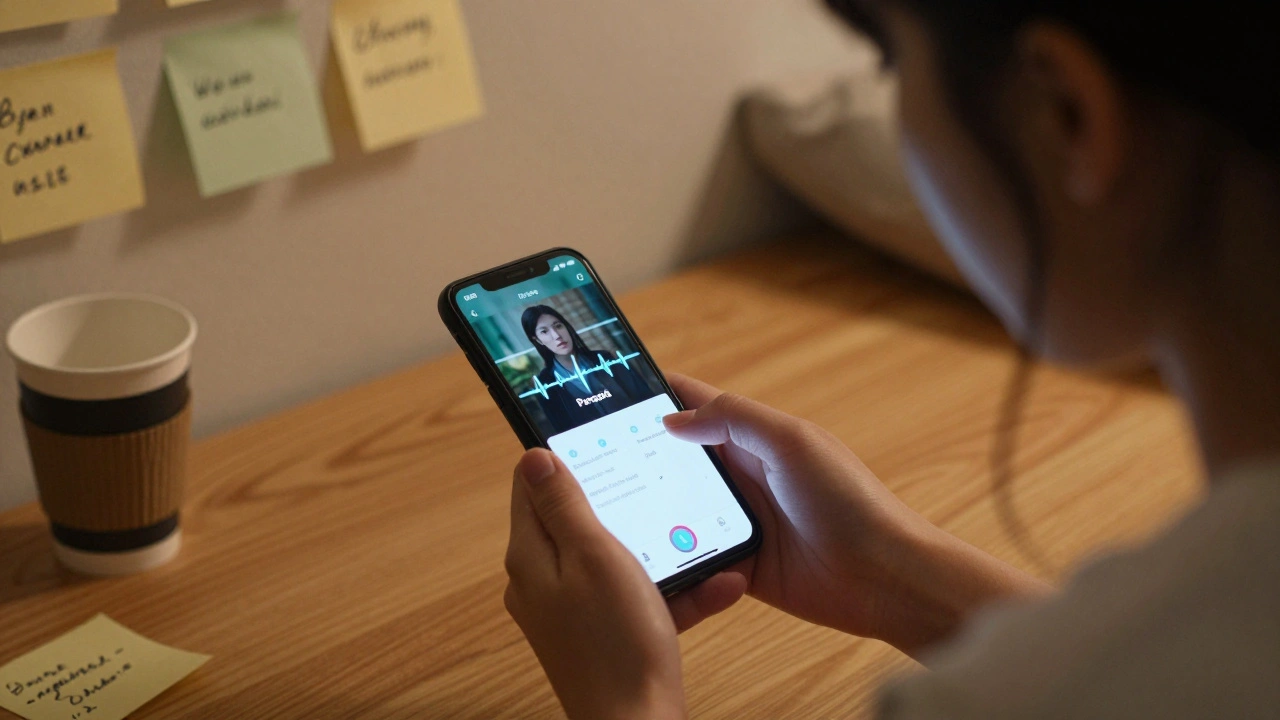
Five years ago, a TikTok video breaking down the symbolism in Parasite got 12 million views. Not from a film professor. Not from a critic with a byline in The New Yorker. From a 19-year-old college student in Ohio who edited the clip using only her phone and a free app. That’s the new reality of film criticism - and it’s not going away.
Why TikTok Took Over Movie Talk
Traditional film criticism used to live in newspapers, magazines, and long-form YouTube essays. Now, it lives in 60-second clips with trending audio. Why? Because attention spans aren’t shrinking - they’re being redirected. People don’t want to sit through a 20-minute review when they can get the same insight in under a minute, wrapped in a visual punch.
TikTok’s algorithm rewards clarity, emotion, and speed. A critic who says, “The ending of Oppenheimer isn’t about guilt - it’s about the cost of silence,” with quick cuts of the scene, a heartbeat sound, and a fade to black? That’s viral. A critic who writes a 1,200-word essay on Nolan’s use of non-linear time? That gets buried.
It’s not that long-form criticism is dead. It’s that TikTok became the new water cooler. People don’t watch reviews to decide what to see - they watch them to feel part of a conversation. And that shift changed everything.
How TikTok Film Critics Work
There’s no formal training. No film school degree required. But the best TikTok critics have mastered a new language: visual editing, rhythmic pacing, and emotional storytelling - all within 30 to 90 seconds.
Here’s how they do it:
- Start with a hook: “This scene in Everything Everywhere All At Once is the most honest portrayal of immigrant burnout I’ve ever seen.”
- Use the movie’s own footage: No need for stock clips. They cut directly from the film, often using subtitles to highlight key lines.
- Add sound design: A creaking door, a distant scream, or a single piano note can turn a observation into a feeling.
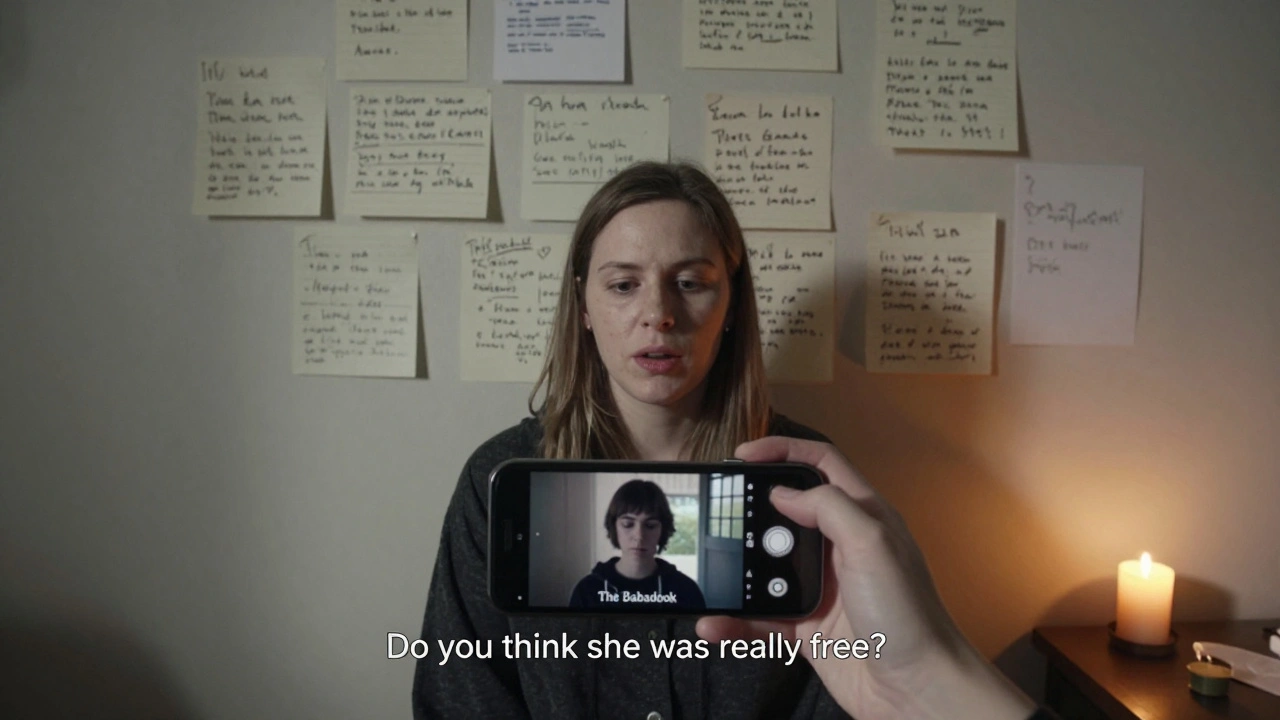
- End with a question: “Do you think she was really free? Or just tired enough to pretend?”
One creator, @filmwithmaya, built a following of 1.8 million by analyzing horror films through the lens of trauma. She doesn’t talk about jump scares. She talks about how the mother in The Babadook mirrors real grief. Her videos don’t just explain movies - they help people understand their own lives.
The Rise of the Amateur Critic
For decades, film criticism was gatekept. You needed a degree, a publication, or a producer’s phone number to be heard. TikTok broke that door down.
Now, a high school student in Texas can critique Barbie’s commentary on gender roles and get picked up by Rolling Stone. A retired nurse in Florida can break down the color symbolism in Amélie and land a guest spot on a podcast. Their credibility doesn’t come from credentials - it comes from resonance.
Studies from the University of Michigan in 2024 found that 68% of viewers under 25 trust TikTok film critics more than traditional reviewers. Why? Because they speak like real people. They don’t say “the auteur’s mise-en-scène.” They say, “The way she stands in that kitchen - it’s like she’s drowning in silence.”
And that’s the secret: authenticity beats academia.
What’s Lost in the Short Form
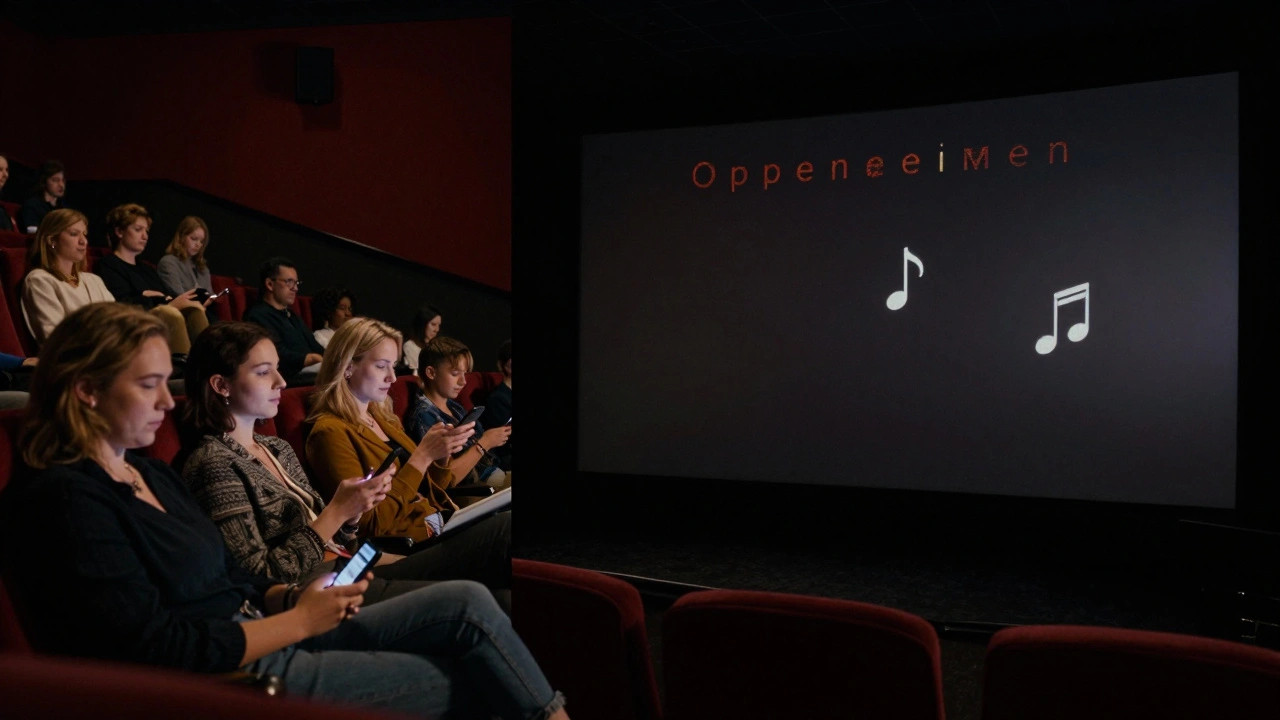
Don’t get it wrong - TikTok criticism isn’t perfect. Depth often gets sacrificed for speed.
Take Oppenheimer. A viral TikTok might say, “The movie is about guilt.” But what about the tension between scientific progress and moral responsibility? Or how the film uses sound design to mimic nuclear detonation? Those layers get cut.
Some creators oversimplify. They reduce complex films to one-line takes: “Killers of the Flower Moon is just a white savior movie.” That’s not analysis - that’s reduction.
And then there’s the echo chamber. TikTok rewards controversy. A video claiming “Avatar: The Way of Water is the worst movie ever made” will get more engagement than a nuanced take on its environmental themes. So criticism becomes performance, not reflection.
The best TikTok critics know this. They don’t just shout opinions. They ask questions. They admit when they don’t know. And they point viewers to longer essays, books, or podcasts for deeper context.
How Traditional Critics Are Adapting
Some critics scoffed at first. Now, many are learning the format.
Roger Ebert’s old studio, now run by a team of younger critics, launched a TikTok account in 2023. Their most popular video? A 57-second breakdown of how Her’s ending mirrors modern loneliness - using only clips from the film and a single line of text: “We don’t need robots to feel alone. We just need distraction.” It got 22 million views.
Even The Criterion Collection started posting 60-second “Film Minute” clips. They don’t try to be funny. They don’t chase trends. They just distill a single idea from a classic film - like how the staircase in Citizen Kane represents power as isolation.
It’s not about becoming TikTok. It’s about speaking its language.
What This Means for Moviegoers
If you’re watching movies now, you’re not just consuming films - you’re participating in a global conversation.
Before TikTok, you might have gone to a theater, watched a movie, and maybe talked about it with a friend. Now, you watch a movie, scroll through 20 TikToks about it, form your own opinion, and then make your own video. You’re not just an audience member. You’re a critic.
And that’s powerful. It means more voices are being heard - especially from people who were never invited into the room before: women, people of color, LGBTQ+ viewers, non-Western audiences.
One creator from Lagos, Nigeria, broke down how Black Panther’s portrayal of technology echoed real African innovation. Her video was translated into 12 languages. A student in Mumbai used it for a school project. A professor in Berlin cited it in a lecture.
This isn’t just about movies. It’s about who gets to define culture.
Where This Is Headed
By 2027, TikTok will be the primary way most people first encounter film analysis. Studios are already paying attention. Netflix hired three TikTok critics as “cultural consultants” to help shape their marketing. Amazon Prime is testing AI tools that auto-generate TikTok-style reviews based on viewer reactions.
But the real change won’t be in algorithms or budgets. It’ll be in perception. Film criticism won’t be something you read. It’ll be something you feel - in a 60-second clip, with a song you know, and a moment that hits too hard to ignore.
And that’s not the end of serious film discourse. It’s the beginning of a new kind of democracy - where anyone with a phone and a thought can join the conversation.
Is TikTok film criticism real criticism?
Yes - if it’s thoughtful. Real criticism isn’t about length or credentials. It’s about insight. A 45-second video that reveals how a character’s silence speaks louder than dialogue is just as valid as a 3,000-word essay. What matters is whether it makes you see the film differently.
Can TikTok critics influence box office success?
Absolutely. In 2024, the indie film The Quiet Girl saw a 300% spike in ticket sales after a TikTok creator broke down its quiet emotional power. Studios now track viral clips as part of their marketing metrics. A single video can turn a forgotten film into a cultural moment.
Do you need to be a film student to be a good TikTok critic?
No. Many of the most popular critics have no formal training. What they have is curiosity, emotional intelligence, and the ability to connect a movie to real life. You don’t need to know what a “dolly shot” is to notice that a character’s body language tells a story the script doesn’t.
Are TikTok reviews biased toward certain films?
Yes - and that’s the point. TikTok favors films that spark strong reactions: emotional, controversial, or visually striking. A quiet drama might get overlooked unless someone finds a way to make it feel urgent. That’s not a flaw - it’s a feature of the platform. It means some films get more attention than others, but it also means under-the-radar gems can explode.
Should I trust TikTok critics over professional reviewers?
Don’t choose one over the other. Use both. Professional critics offer context, history, and technical analysis. TikTok critics offer immediacy, emotion, and personal connection. The best approach is to watch a film, then check both - and decide for yourself.


Comments(10)