Why Improvisation Matters in Film
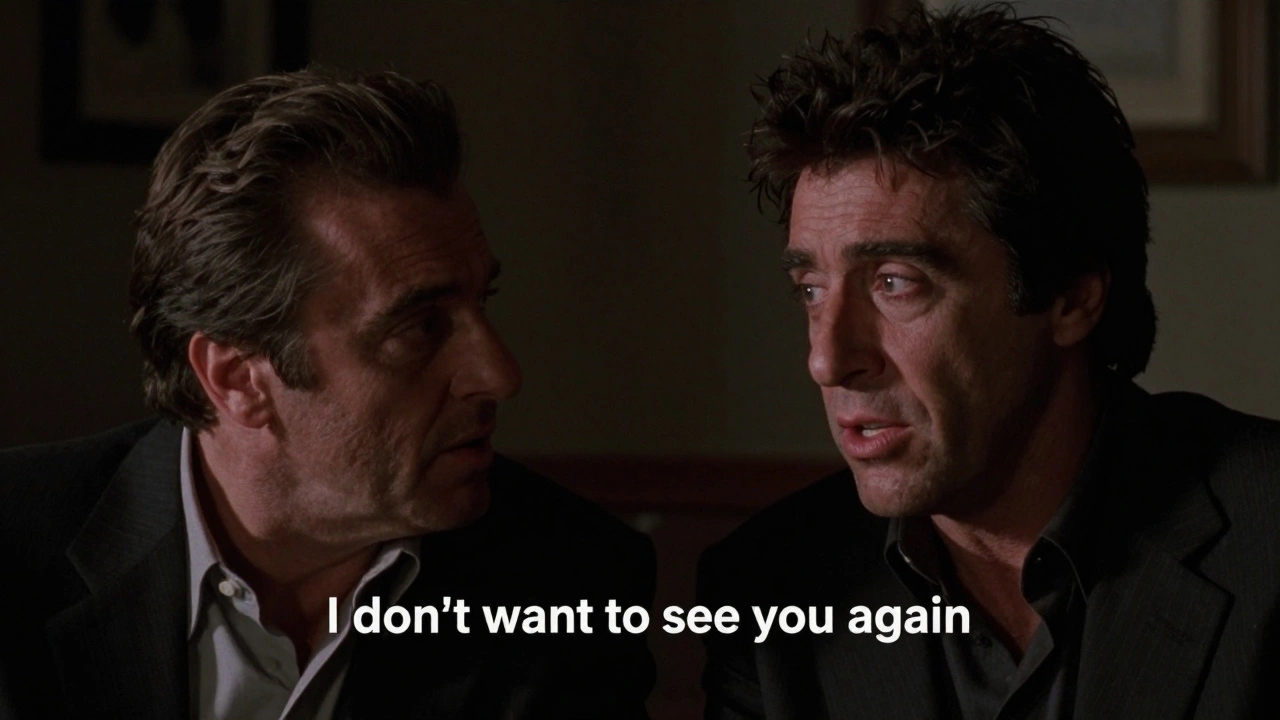
Improvisation is the spontaneous creation of dialogue or action during filming without prior preparation. It can bring unexpected depth to a scene. For example, in The Godfather, Marlon Brando improvised the line "I don't want to see you again" during a conversation with Al Pacino. This moment added realism to their characters' strained relationship. But improvisation isn't always the answer. Directors must balance it carefully. film improvisation requires understanding when to let go and when to hold tight.
When to Allow Improvisation
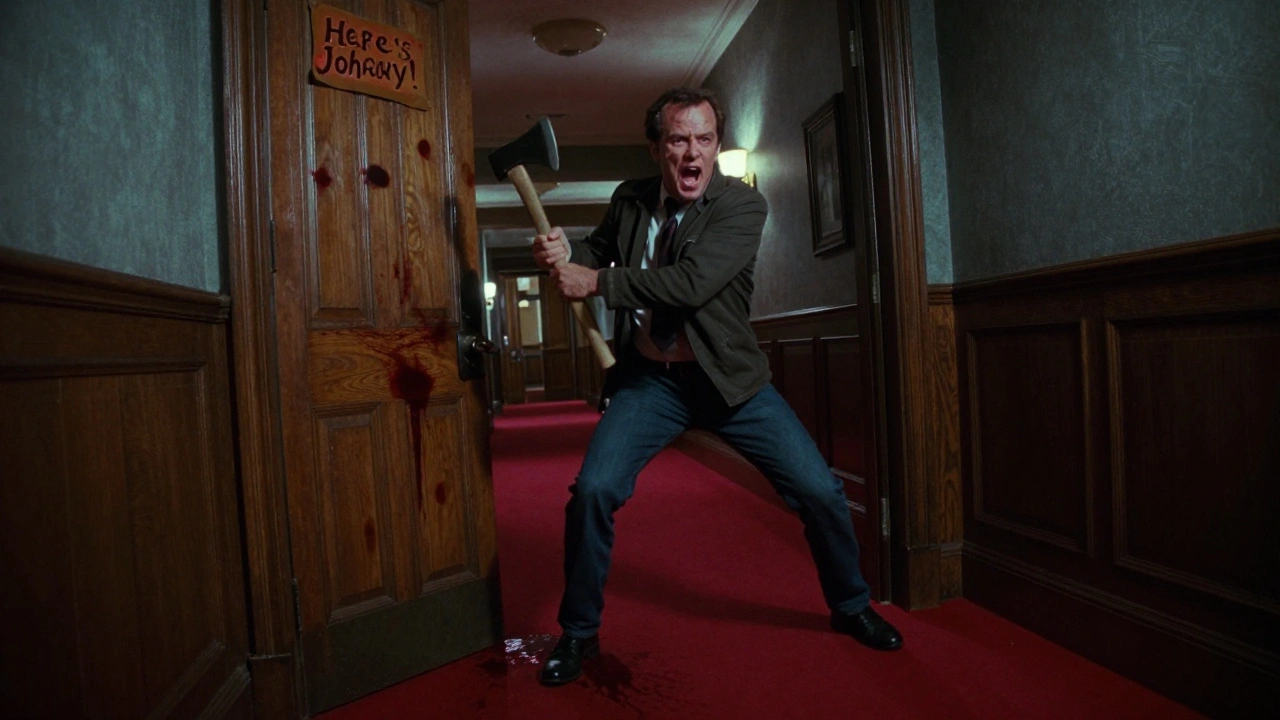
Let actors improvise when the scene feels stiff or when their natural reaction enhances authenticity. In Good Will Hunting, Robin Williams' character says "It's not your fault" during a therapy session with Matt Damon. That line wasn't scripted but became pivotal. Directors should also encourage improv when characters have emotional breakthroughs. For instance, in The Shining, Jack Nicholson's "Here's Johnny!" improvised moment perfectly captured his character's descent into madness. These spontaneous choices often resonate more than rehearsed lines.
When to Stick to the Script
Not every scene benefits from improv. Technical details like heist plans or legal procedures need precision. In Heat, Michael Mann insisted on exact dialogue for the bank robbery sequence. A single wrong detail could derail the entire plot. Similarly, if a scene relies on specific historical facts or technical accuracy, sticking to the script is safer. For example, in Apollo 13, NASA engineers reviewed every line to ensure technical correctness. Improv here would risk inaccuracies.
Communicating Improv Boundaries
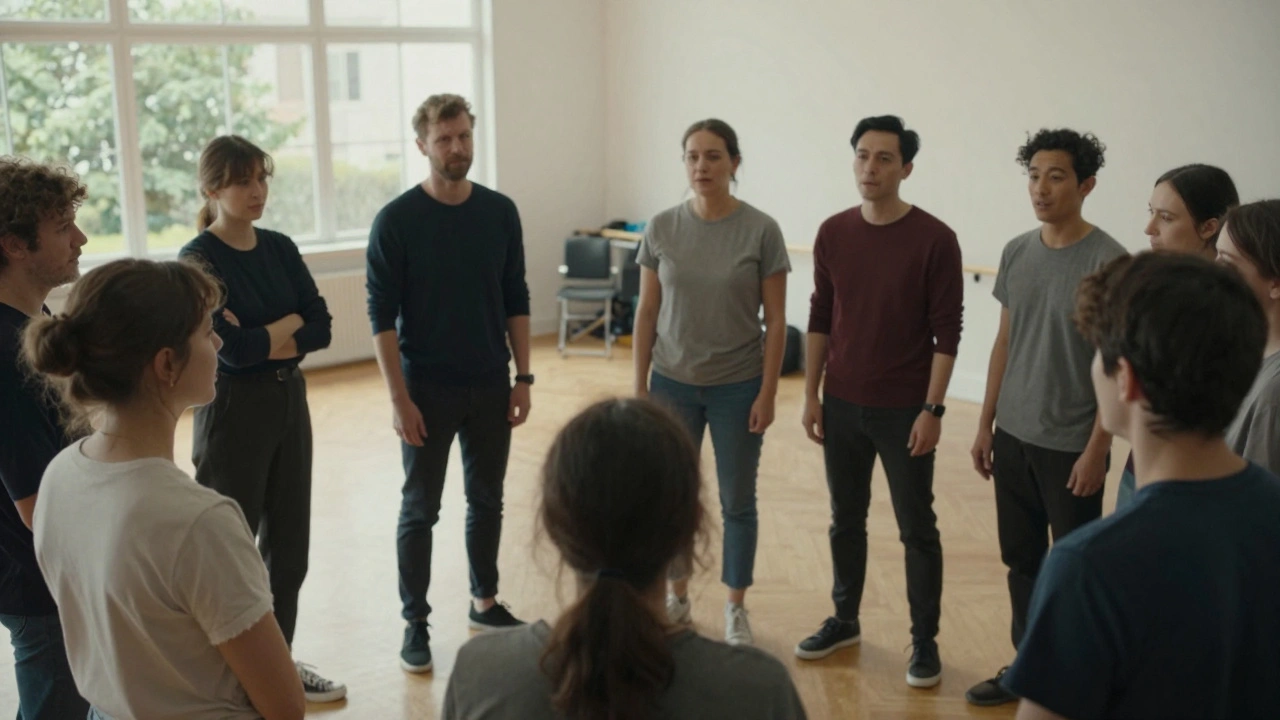
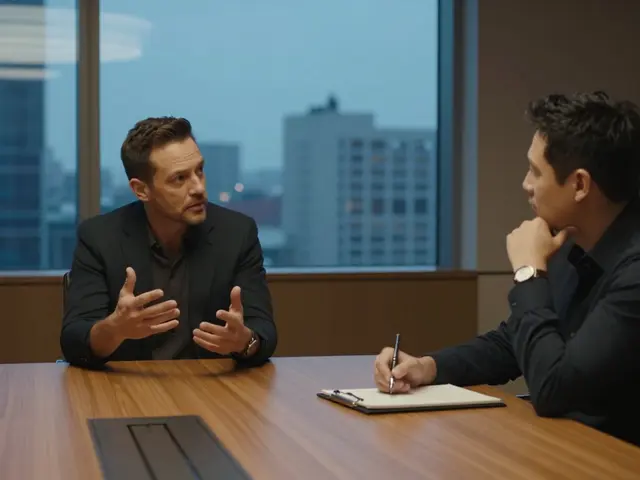
Clear communication prevents chaos. Directors should say, "This part is flexible, but the core must stay." In Mike Leigh's films, actors spend weeks developing characters through improv exercises before filming. This builds trust. Meanwhile, a script supervisor tracks changes. They note improvised lines so editors maintain continuity. For instance, if an actor changes a key phrase, the script supervisor ensures the new version fits the story's flow. Without this, scenes might lose coherence.
Real-World Examples of Success
Some directors thrive on improv. Quentin Tarantino often writes detailed scripts but allows minor tweaks. In Pulp Fiction, Samuel L. Jackson added "Say "what" again!" to his dialogue, which became iconic. Meanwhile, Christopher Nolan prefers strict adherence but encourages actors to explore nuances. In The Dark Knight, Heath Ledger improvised the "why so serious" line, deepening the Joker's menace. These examples show improv works when it serves the story, not distracts from it.
Common Pitfalls and How to Avoid Them
One mistake is allowing too much improv without checking continuity. In early takes of Anchorman, actors ad-libbed so much that the story became disjointed. The director, Adam McKay, had to rein it in. Another risk is legal issues. If improvised dialogue infringes on trademarks or copyrights, it could lead to lawsuits. For example, using a specific brand name without permission might require reshoots. Always verify new lines with legal teams. Lastly, improv that changes character motivations can confuse audiences. If a villain suddenly acts out of character, it breaks immersion.
Practical Tips for Directors
Start by rehearsing scenes thoroughly. This helps actors understand the story's core before experimenting. Use a trusted script supervisor to document changes. For emotional scenes, give actors space to explore-like in Good Will Hunting. For technical scenes, lock down the script early. Also, know your actors' strengths. If an actor excels at comedy, allow improv in lighthearted moments. But if they struggle with structure, stick to the script. Finally, review dailies to see what works. If an improv moment feels authentic, keep it. If it feels forced, cut it.
Frequently Asked Questions
How do directors know when to allow improvisation?
Directors look for signs like an actor's natural reaction enhancing the scene or when scripted lines feel forced. For example, in "Good Will Hunting," the director saw Robin Williams' improvisation added emotional depth, so he kept it. If the improv aligns with character motivations and story flow, it's usually safe.
What's the role of a script supervisor in managing improvisation?
A script supervisor tracks all changes during filming. They note improvised lines or actions so editors maintain continuity. For instance, if an actor changes "I need to leave" to "I have to go," the script supervisor records it. This ensures the final cut stays coherent and matches the story's logic.
Can improvisation cause legal issues?
Yes. If improvised dialogue uses trademarked phrases or copyrighted material without permission, it might require reshoots or legal action. For example, using "Just Do It" in a scene without Nike's approval could lead to lawsuits. Always verify new lines with legal teams before filming.
How do actors prepare for improvisation?
Actors study the script deeply to understand character motivations. This helps them improvise in character. For example, in Mike Leigh's films, actors spend weeks developing characters through improv exercises before filming starts. This builds trust and ensures spontaneous choices feel authentic.
What's the difference between improvisation and ad-libbing?
Improvisation is structured creativity within a scene's framework, while ad-libbing is spontaneous dialogue without planning. For example, in "Anchorman," the "I'm in a glass case of emotion" line was ad-libbed, but the scene was built around it. True improv often has rules-like staying true to character-while ad-libbing might be more random.



Comments(10)