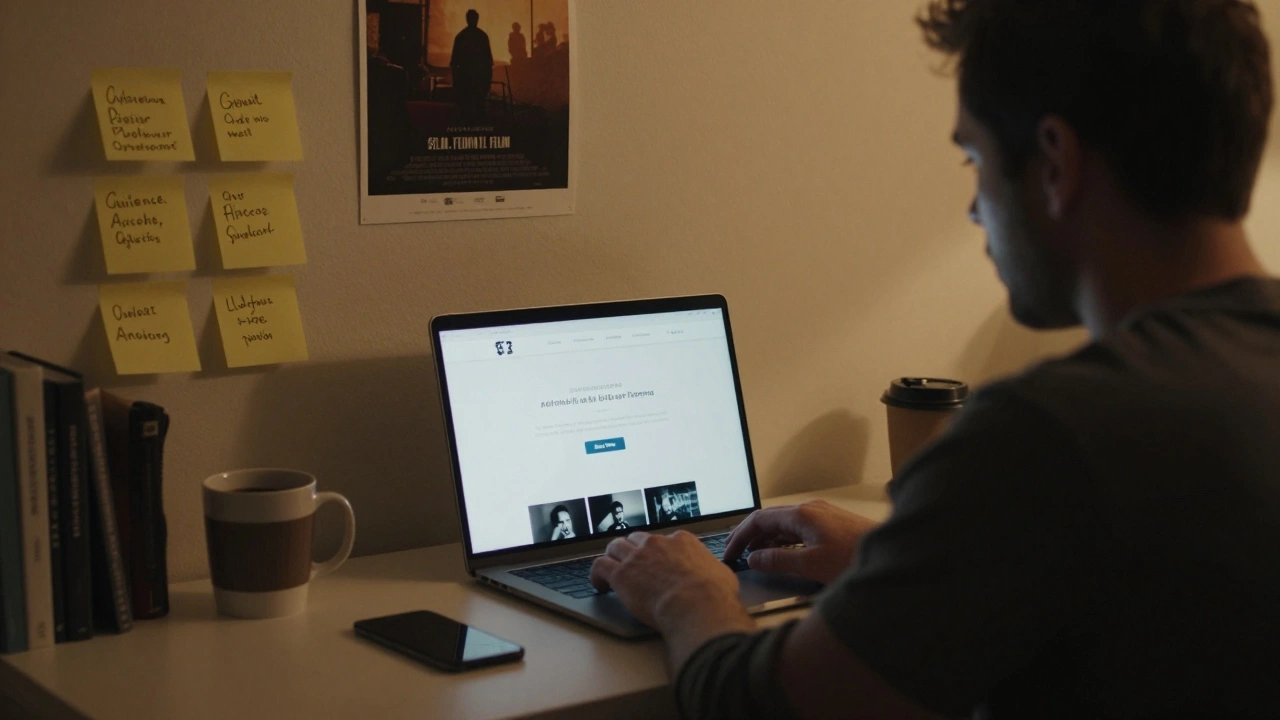
For decades, getting a film seen meant one thing: beg for a theater deal, hope a streaming service picks it up, or pay for a festival run that rarely pays off. But in 2026, a new wave of filmmakers is doing something radical-bypassing every middleman and selling directly to viewers. No studios. No distributors. No algorithms deciding who sees their work. Just the film, a website, and a community ready to watch.
Why the old system is broken
The traditional film distribution model was built for the 1980s. A movie gets made, then pitched to a distributor who decides if it’s worth a theatrical release. If it gets picked up, the distributor takes 30-50% of revenue, controls release dates, and decides where and when it streams. Independent filmmakers rarely see more than 5-10% of what their film earns. And if the distributor doesn’t like the look of it? The film vanishes into a black hole called "development hell." Take the 2023 indie drama Still Water. It played at Sundance, got glowing reviews, and was picked up by a major streamer. But the streamer buried it under 12,000 other titles. It got 17,000 views in six months. The director spent $80,000 making it. He made $3,200 back.That’s not a fluke. It’s the norm. A 2025 study by the Independent Film & Television Alliance found that 78% of films released through traditional channels earn less than $10,000 in profit after all costs. Meanwhile, the top 5% of films earn 82% of all revenue. It’s a rigged game.
How direct-to-consumer distribution actually works
Direct-to-consumer (DTC) film distribution means selling your movie directly to viewers-no middleman. You own the website, the payment system, the email list, and the relationship with your audience. You set the price. You control the release. You keep 80-95% of every dollar.Here’s how it works in practice:
- Finish your film. No need to wait for festival approval or distributor feedback.
- Build a simple website using tools like Seed&Spark, Vimeo OTT, or even Shopify with a digital product plugin.
- Collect emails from early fans-film festival attendees, social media followers, even people who comment on your behind-the-scenes posts.
- Launch a pre-sale campaign. Offer early access, signed posters, or virtual Q&As as bonuses.
- Use targeted ads on Instagram, TikTok, and YouTube to reach niche audiences who love your genre.
- Release the film on your site. No windowing. No exclusivity deals. Just watch now.
That’s it. No gatekeepers. No waiting. No compromise.
Real examples: Films that made millions without studios
In 2024, a low-budget horror film called House of Echoes was made for $12,000. The director, a former teacher from Ohio, didn’t submit it to Sundance. Instead, he built a website, ran Facebook ads targeting fans of 1970s psychological horror, and offered a $5 digital ticket with a 15-minute director’s commentary. He sold 217,000 copies in six weeks. Net profit: $890,000.Another example: One Last Ride, a documentary about a cross-country bus trip with elderly travelers. The filmmaker, a 32-year-old grad student, used Instagram Reels to show clips of the passengers. He built an email list of 18,000 people. He launched a $12 ticket with a downloadable photo book. He made $610,000 in 90 days. No Netflix deal. No theater run.
These aren’t outliers. They’re the new standard. In 2025, over 2,300 independent films earned over $100,000 through direct sales. That’s more than double the number from 2020.
What you need to make this work
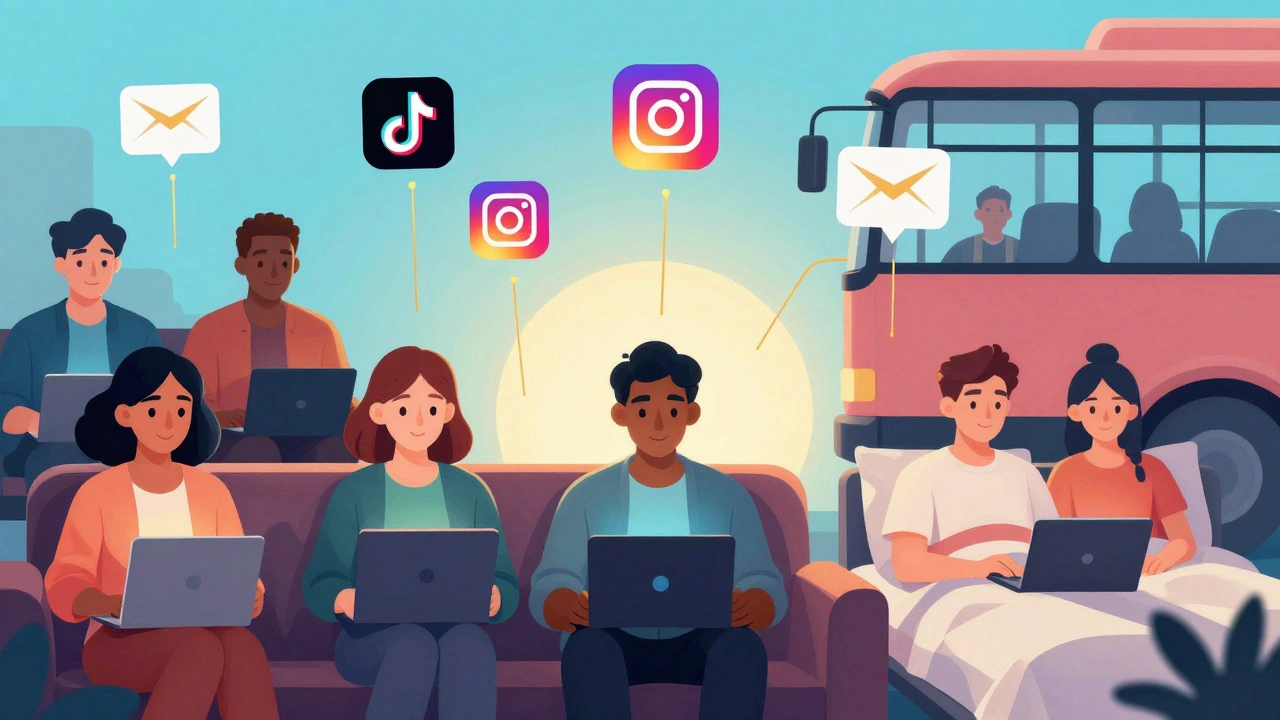
You don’t need a big budget. You don’t need a famous cast. But you do need three things:- A clear audience. Who are you making this for? Not "everyone who likes movies." Who specifically? Fans of 90s noir? Queer coming-of-age stories? Rural documentaries? Know them. Talk to them. Find where they hang out online.
- A way to reach them. Use TikTok to tease 15-second clips. Use Reddit threads to answer questions. Use email newsletters to announce release dates. Don’t just post-engage.
- A simple sales system. Platforms like Seed&Spark, Vimeo OTT, and Gumroad let you sell films without coding. They handle payments, DRM, and even analytics. Most cost under $30/month.
One filmmaker in Austin spent $200 on a basic website and $1,500 on Instagram ads. She sold 4,200 copies of her romantic comedy. She didn’t hire a PR firm. She didn’t go to Cannes. She just showed up in the right places, with the right message.
The risks-and how to avoid them
This isn’t magic. It’s work. And it has pitfalls.Pitfall 1: Thinking your film will sell itself. A great film doesn’t guarantee sales. A great marketing plan does. You need to be the salesperson, the promoter, the community builder. If you hate posting online, this isn’t for you.
Pitfall 2: Underestimating the time. You’re not just a filmmaker anymore. You’re a marketer, a customer service rep, a web designer. One director told me he spent 12 hours a week on marketing for six months before his film even launched. That’s not a side job-it’s a second career.
Pitfall 3: Ignoring legal stuff. You need clearance for music, locations, and talent releases. Use services like ClearRights or Songtradr to get licensed music for under $100. Don’t skip this. A copyright claim can shut down your entire site.
Why this is the future
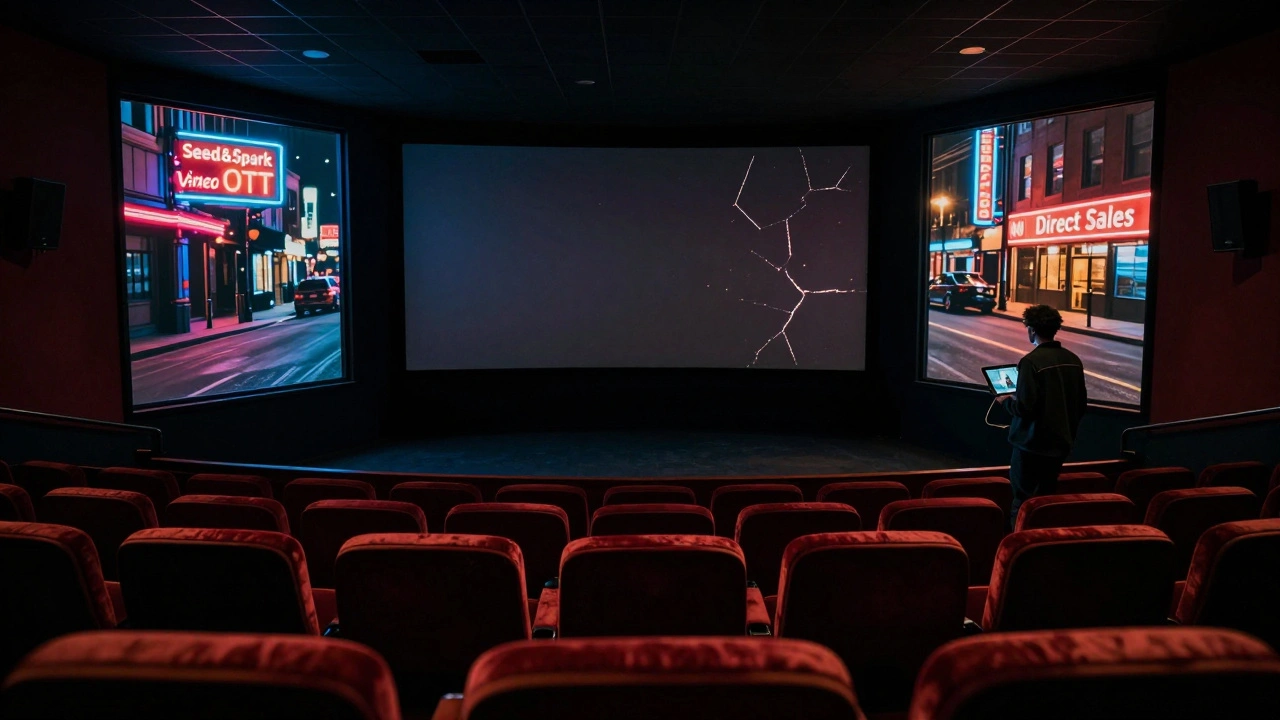
Streaming platforms are drowning in content. Netflix added 1,200 titles in 2025. Only 14% of them got more than 1 million views. Viewers are tired of scrolling. They’re hungry for connection. They want to know the person behind the film.Direct-to-consumer distribution gives viewers that. It gives filmmakers control. And it cuts out the middlemen who take the money and offer little in return.
By 2027, experts predict that 40% of all independent films will be distributed directly to consumers. That’s not speculation-it’s already happening. The tools are cheaper. The audiences are more connected. The old system is crumbling.
What to do next
If you’ve finished a film and are waiting for someone to say "yes," stop. Start building your audience now. Even if your film isn’t done, start sharing behind-the-scenes clips. Start collecting emails. Start talking to people who love your genre.Don’t wait for permission. Don’t wait for a distributor. Your audience is out there. They’re waiting for you to show up-not with a pitch deck, but with a film that matters to them.
Theaters aren’t dead. Streaming platforms aren’t going away. But the power? That’s shifting. And if you’re ready to take it, you don’t need a studio. You just need a website, a story, and the guts to sell it yourself.
Can I distribute my film directly if I used stock footage or licensed music?
Yes, but you must have the proper licenses. Stock footage and music licenses vary. Some allow commercial use, others don’t. Always check the license terms. If you’re unsure, use services like Artlist, Epidemic Sound, or Pixabay-they offer clear, affordable licenses for direct distribution. Never assume a free download means you can sell it.
How much money can I realistically make with direct distribution?
It depends on your audience size and marketing effort. Most filmmakers make between $5,000 and $100,000. A few hit $500,000+. The key isn’t the film’s budget-it’s how well you know your viewers. A $20,000 film with a loyal fanbase can outearn a $2 million film with no marketing. One director sold 50,000 copies of his documentary at $15 each-$750,000 gross, $680,000 net after platform fees and ads.
Do I need to form a company to sell my film directly?
No, but it helps. You can sell as an individual. But if you plan to make more films, forming an LLC protects your personal assets and makes taxes easier. Most filmmakers set up an LLC for under $500. It’s not required, but it’s smart if you’re serious about this as a business.
Can I still submit my film to festivals after selling it directly?
It depends on the festival. Some, like Sundance and Tribeca, require world premieres and won’t accept films that have been sold publicly. Others, like Slamdance or regional festivals, allow direct-distributed films. Always check the submission rules. Many filmmakers use festivals for credibility, then sell directly afterward.
What’s the best platform for selling films directly?
For beginners, Seed&Spark and Vimeo OTT are the easiest. Seed&Spark offers built-in crowdfunding, email tools, and a community of indie film fans. Vimeo OTT gives you full control over pricing and branding. Both handle payments, streaming, and mobile apps. Avoid using YouTube or TikTok as your main sales platform-they’re for promotion, not monetization.
How do I get people to pay for my film when so much is free on YouTube?
People pay for experience, not just content. Offer extras: director’s commentary, behind-the-scenes footage, downloadable scripts, or a live Q&A. Bundle it. Make it feel exclusive. Also, be transparent. Tell viewers why you’re selling directly-"I made this film to tell a story no studio would touch, and I need your support to keep making films like this." That connection drives sales.
Is direct distribution only for documentaries and horror films?
No. While those genres have strong niche audiences, rom-coms, thrillers, and even animated films have succeeded. A 2025 case study showed a 12-minute animated short about a robot gardener earned $210,000 by targeting parents of autistic children. The key isn’t genre-it’s finding the right community and speaking directly to them.
How long does it take to see results from direct distribution?
Most filmmakers see their first sales within 2-4 weeks of launching. But building momentum takes 3-6 months. The first 1,000 sales are the hardest. After that, word-of-mouth and repeat viewers kick in. Don’t quit after a month. Treat it like a marathon, not a sprint.


Comments(9)