The Golden Cage of Classic Hollywood
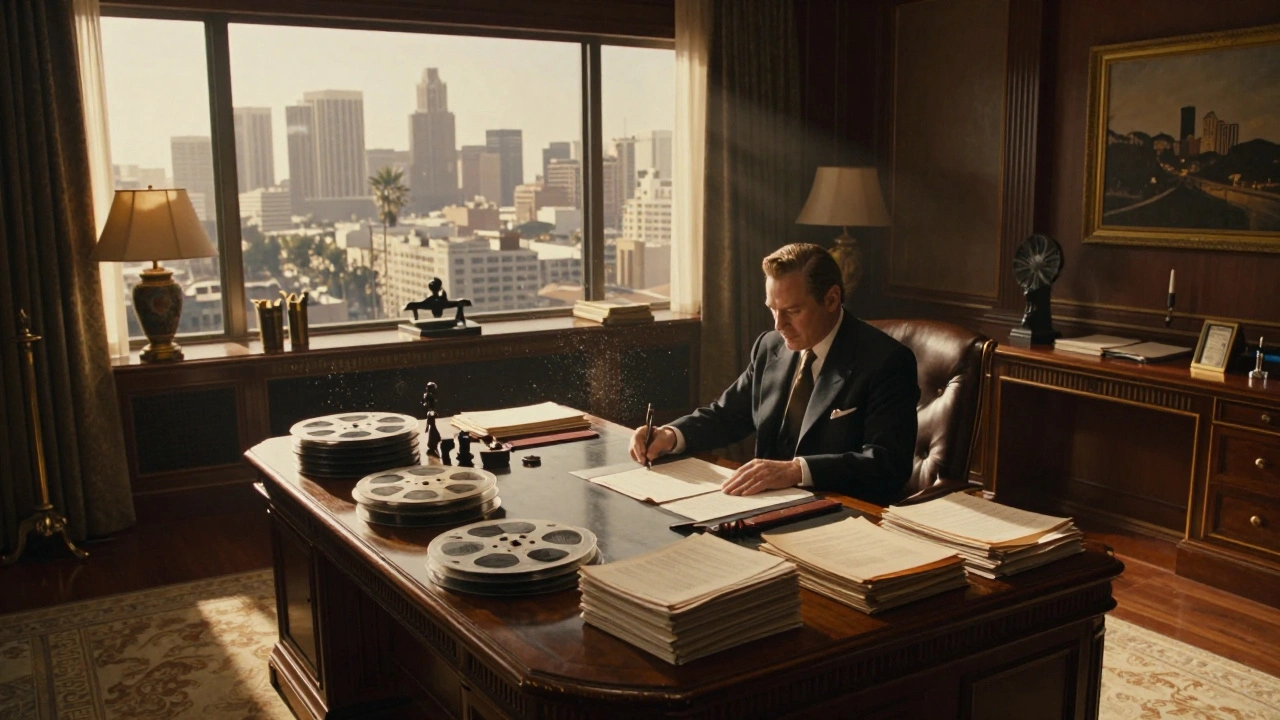
Imagine a world where you didn't choose your job title. You didn't pick your co-stars. You couldn't even decide what to wear on weekends without asking permission. This wasn't a dystopian novel; it was daily life for actors in Classic Hollywood, also known as the studio era. A period in American cinema from the 1930s to the late 1950s dominated by five major studios that controlled every aspect of film production, distribution, and exhibition.
This era defined how we see movies today. The images of Marilyn Monroe in white dresses or John Wayne on horseback weren't just artistic choices. They were manufactured products of a ruthless industrial machine. Understanding this system explains why old Hollywood feels so different from modern cinema. It also reveals the hidden costs behind the glamour.
Who Held the Reins? The Five Major Studios
The power structure of the studio system An oligopoly of five major motion picture companies that monopolized the American film industry from the 1930s to the 1950s. rested on five giants. These weren't just movie makers; they were vertically integrated empires. They owned the cameras, the actors, the theaters, and the audience's attention.
- MGM Metro-Goldwyn-Mayer, known for its lavish musicals and the slogan "More stars than there are in heaven.": Focused on high-budget prestige films and polished elegance.
- Paramount A studio led by Adolph Zukor that pioneered the star system and focused on broad audience appeal.: Known for reliable blockbusters and strong international distribution.
- Warner Bros. A studio famous for gritty crime dramas, gangster films, and fast-paced editing styles.: Produced tough, realistic stories often set in urban environments.
- RKO Radio-Keith-Orpheum, known for horror classics like King Kong and Citizen Kane.: Smaller but innovative, often taking creative risks.
- 20th Century Fox A studio renowned for epic spectacles, Technicolor usage, and large-scale productions.: Specialized in grand visuals and family-friendly entertainment.
These studios operated like factories. They had assembly lines for scripts, sets, and talent. If you worked for MGM, you lived in the "MGM style." If you worked for Warner Bros., you embodied their gritty realism. There was little crossover. Your identity was tied to your employer.
The Contract Player: Life Under Bondage
The backbone of this system was the long-term contract A legal agreement binding actors to a specific studio for several years, typically with low salaries and strict control over their professional and personal lives.. Most actors signed seven-year deals. In exchange for steady work, they gave up almost all autonomy.
Here’s what those contracts actually meant in practice:
- Salary Caps: Newcomers earned as little as $75 a week. Even established stars rarely saw more than $2,500 weekly unless they negotiated fiercely.
- Role Assignment: Studios decided which roles you played. If you were cast as a villain, you stayed a villain until the studio said otherwise.
- Personal Surveillance: Publicity departments monitored your phone calls, mail, and social circles. A single scandal could lead to suspension without pay.
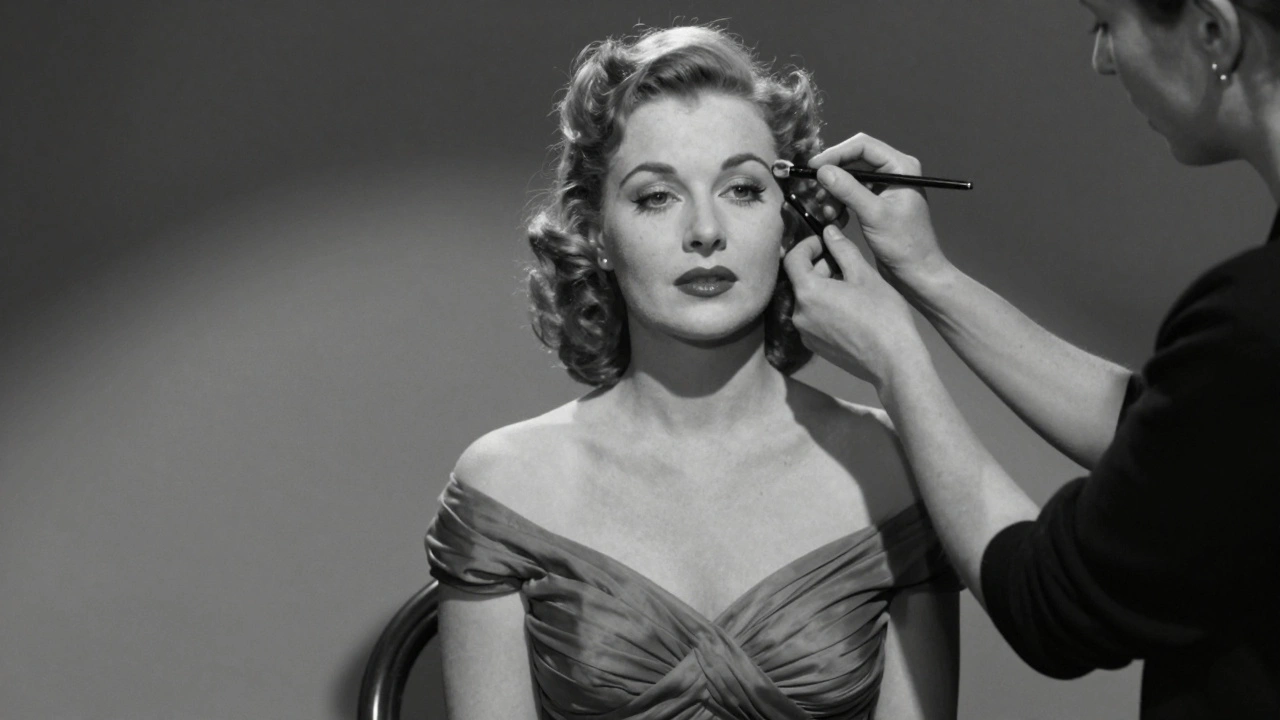
- Appearance Control: Makeup artists and stylists dictated your look. Weight gain or loss required approval. Some actors were forced to undergo cosmetic surgery against their will.
Consider the case of Bette Davis An acclaimed actress who fought against Warner Bros.' control over her career and won landmark legal victories.. She sued Warner Bros. for breach of contract after being suspended for refusing a role she deemed beneath her. Her victory in 1937 limited studios' ability to suspend actors indefinitely, setting a precedent for future negotiations.
Manufacturing Stardom: The Illusion of Choice
We think of movie stars as unique individuals who rose through talent alone. But in the studio era, stardom was engineered. Studios created star personas Carefully constructed public identities designed to appeal to specific demographics and maximize box office returns. like brands. Every detail was calculated.
Take Marilyn Monroe A cultural icon whose image was heavily managed by 20th Century Fox, despite her attempts to assert creative control.. Her blonde hair, breathy voice, and innocent yet sensual demeanor weren't accidental. They were crafted by makeup artists, vocal coaches, and publicists working together. When she tried to take acting classes or pursue serious roles, the studio resisted. They wanted the "dumb blonde" archetype because it sold tickets.
Similarly, John Wayne An actor whose rugged cowboy persona was developed and maintained by Republic Pictures and later Paramount. became synonymous with masculinity. His off-screen behavior, political views, and physical appearance were all aligned to reinforce this image. Deviating from the brand risked alienating his core audience.
This manufacturing process extended beyond looks. Studios arranged marriages, friendships, and even romances between actors to generate publicity. The romance between Greta Garbo A Swedish actress whose mysterious private life was carefully curated by MGM to enhance her allure. and various male leads was often fabricated by press agents. Fans believed these relationships were real, boosting ticket sales.
Control Beyond the Screen: Censorship and Morality
Studios didn’t just control actors-they controlled content. The Hays Code A set of moral guidelines enforced by the Motion Picture Production Association from 1934 to 1968, restricting depictions of sex, violence, and crime. (Motion Picture Production Code) governed what could appear on screen. No profanity. No explicit sex. Crime had to be punished. These rules shaped storytelling deeply.
Directors found clever ways to bypass restrictions. Suggestive dialogue, shadow play, and metaphor became tools for implying forbidden themes. For example, in Casablanca, the tension between Rick and Ilsa is conveyed through glances and subtext rather than overt passion. This constraint bred creativity but also limited diversity of expression.
Publicity departments policed private lives too. Homosexuality, extramarital affairs, and political dissent were suppressed. Actors caught violating norms faced blacklisting or career-ending suspensions. The fear of exposure kept many compliant. Others, like Kirk Douglas An actor who challenged studio practices by forming his own production company, Bryna Productions., broke free by starting independent ventures.
The Crack-Up: Why the System Collapsed
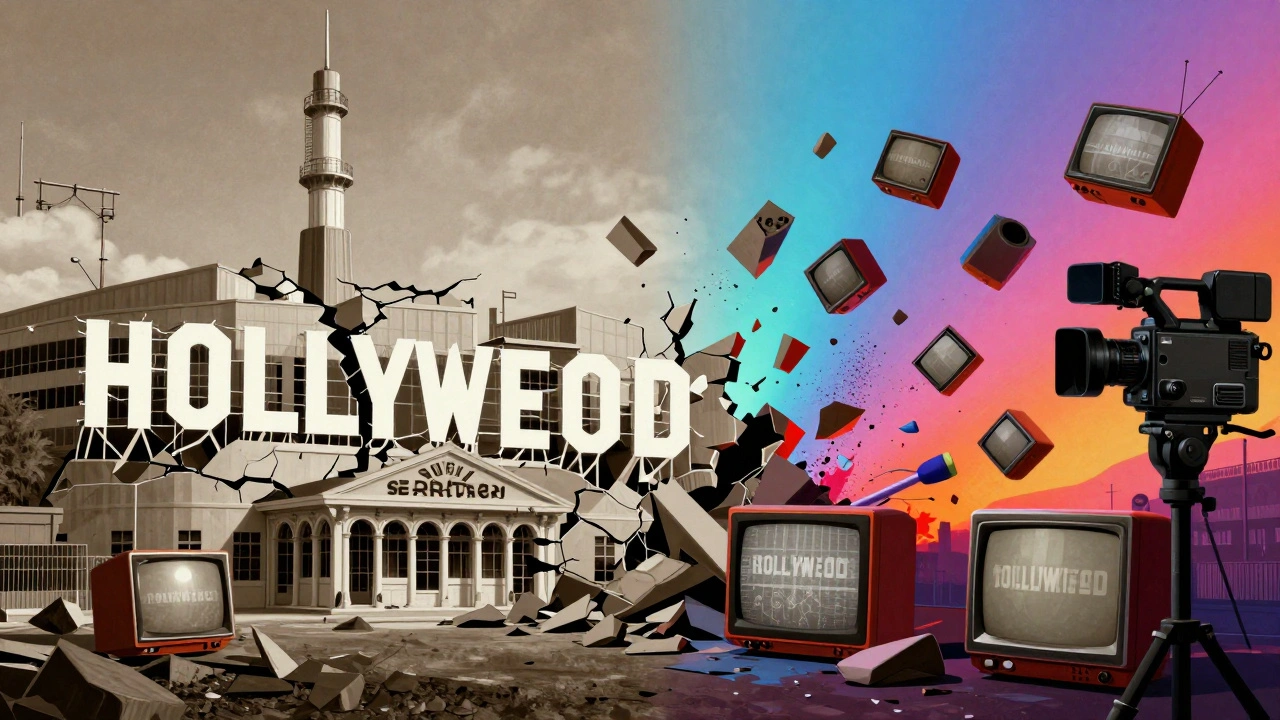
No empire lasts forever. Several forces dismantled the studio system in the 1950s:
- The Paramount Decree (1948): A Supreme Court ruling forcing studios to sell their theater chains. Without guaranteed exhibition venues, studios lost financial stability.
- Rise of Television: TV offered cheaper, convenient entertainment. Audiences stayed home instead of going to cinemas.
- Independent Producers: Figures like William Castle An independent filmmaker known for gimmicky horror films that bypassed traditional studio structures. proved successful outside the system.
- Changing Tastes: Post-war audiences demanded realism and complexity, not glossy fantasies.
By the late 1950s, long-term contracts vanished. Stars became freelancers. Studios shifted from producers to financiers. The factory model gave way to project-based filmmaking.
Legacy: What We Still See Today
The studio system ended, but its DNA remains. Modern franchises operate similarly to old-school star vehicles. Think about Marvel Cinematic Universe characters-they’re branded consistently across films, much like Gary Cooper was once marketed solely as the Western hero.
Contract disputes still happen. Actors negotiate residuals, approval rights, and image usage clauses. While no one owns your soul anymore, corporations still seek to manage your public persona. Social media has replaced gossip columns as the surveillance tool.
Understanding the studio system helps us appreciate both the artistry and exploitation of classic Hollywood. It reminds us that every golden age has shadows-and that freedom always comes at a cost.
| Studio | Signature Style | Key Star Example | Notable Film Genre |
|---|---|---|---|
| MGM | Lavish, elegant, musical-heavy | Judy Garland | Musicals |
| Paramount | Broad appeal, star-driven | Greta Garbo | Dramas |
| Warner Bros. | Gritty, fast-paced, urban | James Cagney | Gangsters |
| RKO | Innovative, experimental | Orson Welles | Horrors / Epics |
| 20th Century Fox | Epic scale, Technicolor | Marilyn Monroe | Romance / Spectacle |
What exactly was the studio system?
The studio system refers to the period in American cinema (roughly 1930-1960) when five major studios controlled all aspects of film production, distribution, and exhibition. They employed actors under long-term contracts, dictated creative decisions, and managed public images.
Why did studios sign actors to long-term contracts?
Long-term contracts ensured steady output and predictable costs. Studios could plan years ahead, assign roles strategically, and maintain consistent branding around certain performers. It reduced uncertainty in an unpredictable business.
How did the Hays Code affect filmmaking?
The Hays Code restricted depictions of sex, violence, profanity, and criminal behavior. Filmmakers used symbolism, implication, and narrative framing to convey mature themes indirectly. This led to innovative visual storytelling techniques.
When did the studio system end?
The system began collapsing in the late 1940s due to antitrust rulings like the Paramount Decree. By the mid-1950s, television competition and changing audience preferences accelerated its demise. Long-term contracts disappeared entirely by the early 1960s.
Did any actors successfully break free from studio control?
Yes. Bette Davis won a landmark lawsuit limiting suspension powers. Kirk Douglas formed Bryna Productions to retain creative control. Spencer Tracy and others negotiated shorter terms or higher pay scales. Independent producers emerged as alternatives to studio employment.





Comments(5)