Quick Takeaways
- The spotting session is the blueprint phase where a director and composer decide exactly where music starts and stops.
- It transforms a visual story into a musical roadmap using a "spotting list."
- Collaboration focuses on psychological impact, pacing, and narrative gaps.
- Poor spotting leads to "mickey-mousing" or music that fights with the dialogue.
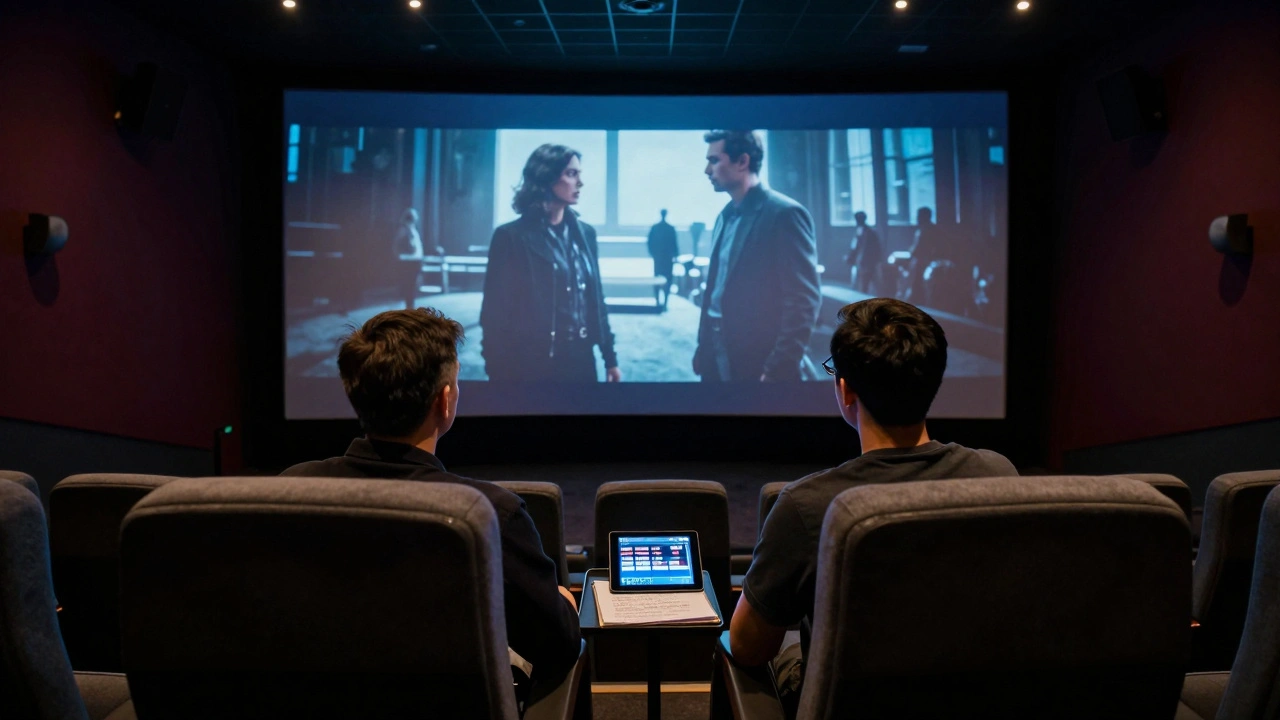
For the uninitiated, a spotting session is the process where a film director and a composer watch a locked cut of the movie together to identify every moment that requires music. It is the bridge between the visual edit and the first note ever written. Think of it as a strategic war room meeting. They aren't talking about melodies or which instruments to use yet; they are talking about function. Does this scene need to feel tense? Should the music represent a character's internal state or the external environment?
The Anatomy of the Spotting List
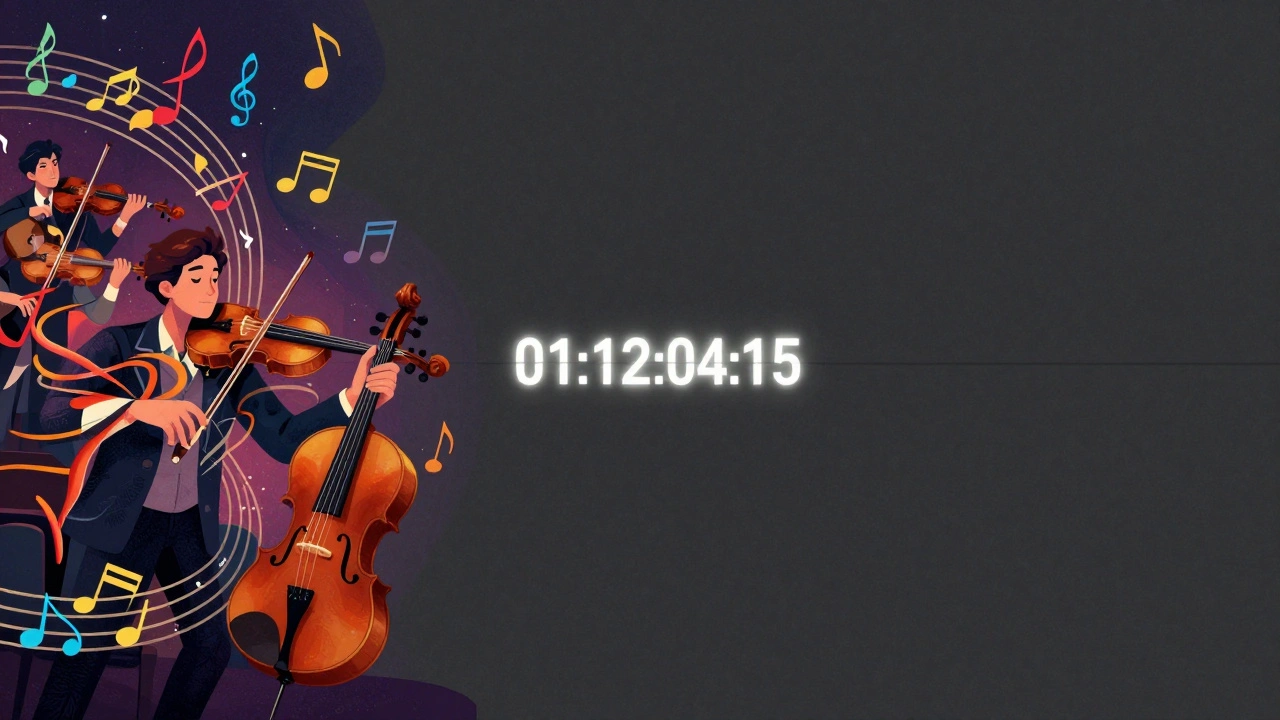
During this session, the composer (or a music editor) creates a document known as a spotting list. This isn't just a set of notes; it's a technical ledger. For every cue, they record the exact timecode-down to the frame-where the music enters and exits. If a scene starts at 01:12:04:15 and the music needs to hit a climax at 01:12:10:02, that is a "hit point."
A typical spotting list entry includes the scene number, the start/end timecodes, and a description of the intended emotional arc. For example, a note might read: "Scene 42: Start at 05:12. Transition from curiosity to dread as the door opens. Out at 05:45." Without this level of detail, a Composer would be guessing, and in a multi-million dollar production, guessing is an expensive mistake.
| Feature | Spotting Session | Scoring/Recording Phase |
|---|---|---|
| Primary Goal | Mapping and Strategy | Execution and Emotion |
| Key Output | The Spotting List (Timecodes) | The Final Soundtrack |
| Focus | "Where" and "Why" | "How" and "What sound" |
| Participants | Director, Composer, Music Editor | Composer, Orchestrators, Musicians |
The Tug-of-War: Director's Vision vs. Composer's Instinct
The dynamic in the room during a spotting session is often a fascinating psychological dance. The director usually views the film through the lens of the overall narrative arc. They might want music everywhere to ensure the audience doesn't get bored. On the other hand, a seasoned composer often advocates for the power of silence. They know that if music plays constantly, the audience becomes numb to it. This is where the concept of "sonic space" comes in.
Consider a scene where two characters are arguing. A director might want a tense violin track to heighten the drama. A composer might argue that the raw, unadorned sound of the actors' voices is actually more uncomfortable and effective. When they agree on a middle ground, you get a score that breathes. When they don't, you get a movie that feels like it's trying too hard to tell you how to feel.
Avoiding the Trap of Mickey Mousing
One of the biggest discussions during a spotting session is whether to use "mickey mousing." This term comes from early Disney animations, where the music mimics every single action on screen-if a character trips, a tuba plays a descending note. In modern cinema, overdoing this can make a film feel like a cartoon or a soap opera.
A high-quality film scoring process seeks to provide a subtext rather than a mirror. Instead of mimicking a character's physical movement, the music reflects their internal psychology. If a character is smiling but the music is discordant and eerie, the audience immediately knows the character is lying. This level of sophisticated storytelling is decided during the spotting session, not during the recording.
The Role of the Music Editor and Temporary Tracks
You can't talk about spotting without mentioning the "temp track." During the editing process, directors often drop in existing music from other movies just to see if a scene works. This creates a dangerous psychological phenomenon called "temp love." The director becomes so attached to the temp track-say, a piece by Hans Zimmer-that they subconsciously expect the original composer to replicate it.
The Music Editor acts as the mediator here. They help the composer navigate these temp tracks. During the spotting session, the composer might say, "I see why you used this temp track, but if we do it this way, we can actually push the tension further." The goal is to move away from the temp track and toward something original that fits the specific DNA of the movie.
Technical Integration: Dialogue and Foley
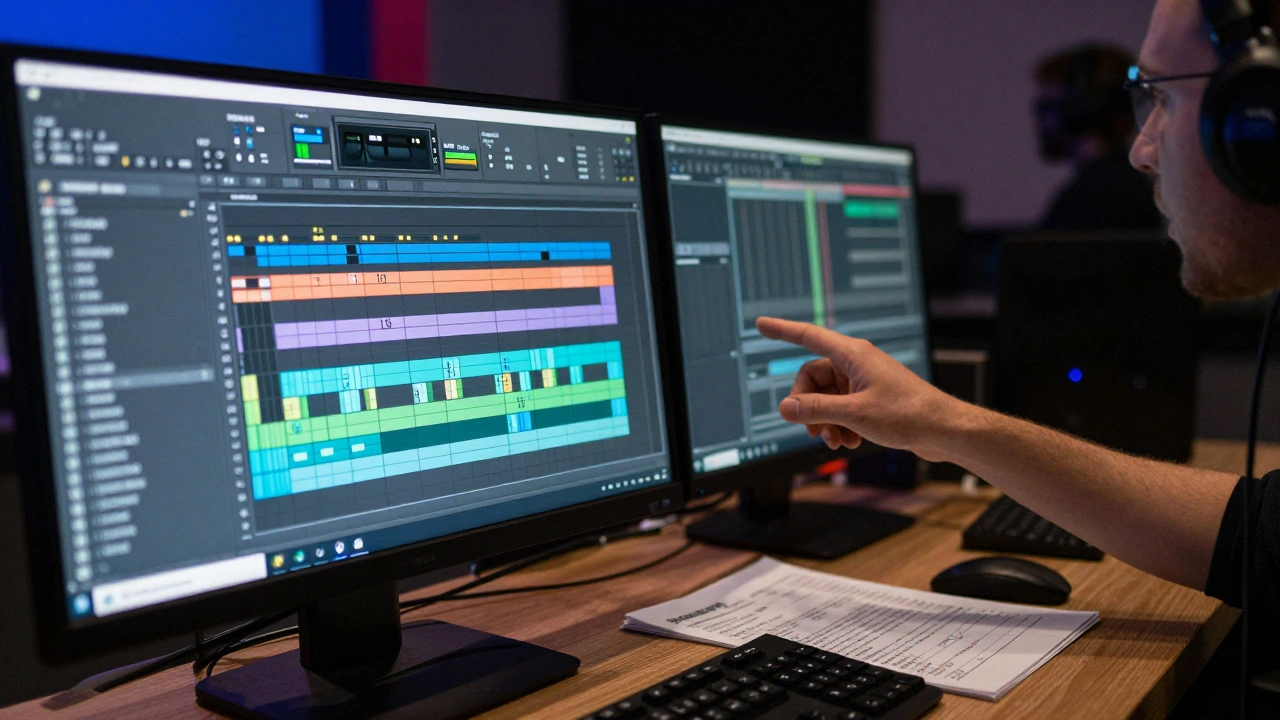
Music doesn't exist in a vacuum; it has to coexist with dialogue and Foley (sound effects). A critical part of spotting is identifying "frequency collisions." If a scene has a lot of heavy bass in the sound effects-like a rumbling engine-the composer knows to avoid low-end frequencies in the music to prevent the audio from sounding muddy.
They also discuss "ducking," which is the process of lowering the music volume when a character speaks. By spotting these moments early, the composer can write a score that naturally dips in intensity during dialogue and surges during visual transitions. This ensures the audio mix remains clean and the dialogue stays intelligible, regardless of how epic the orchestra is.
Can a movie be scored without a spotting session?
Technically, yes, but it's incredibly risky. Without a spotting session, the composer is working in a vacuum. This often leads to music that is too long, too short, or emotionally disconnected from the final edit. In professional studio environments, it is an essential step to prevent costly re-records and ensure the music serves the story.
How long does a typical spotting session take?
Depending on the length of the film and the complexity of the score, it can take anywhere from one full day to a whole week. For a feature-length movie, they usually watch the film in segments, pausing frequently to discuss the emotional intent of each scene and mark the timecodes.
What is the difference between a composer and a music editor?
The composer is the artist who creates the music, writes the melodies, and chooses the instrumentation. The music editor is a technical expert who manages the timing, handles the temp tracks, and ensures the recorded music fits perfectly into the film's digital timeline. They are the bridge between the recording studio and the editing bay.
What happens if the director changes the edit after spotting?
This is a common headache in post-production. If a scene is trimmed by two seconds, the music cues may no longer line up. The composer then has to "re-cue" the music, which might involve editing the recording or, in worst-case scenarios, re-recording specific sections to match the new timing.
Why is silence mentioned so often in spotting?
Silence is a powerful tool. When music has been playing for ten minutes and suddenly stops, the silence creates an immediate psychological tension or a sense of shock. Spotting isn't just about where the music goes, but where it *doesn't* go to maximize the impact of the moments when it does return.
Next Steps for Aspiring Filmmakers
If you're a director working with a composer for the first time, don't just send them your movie and say "make it sound epic." That's a recipe for a score you'll hate. Instead, schedule a dedicated spotting session. Be honest about where you feel the scene is lagging and where you feel the emotion is already clear enough that music might actually get in the way.
For composers, the key is to listen more than you talk during the initial spotting. Understand the director's emotional vocabulary. If they say they want the scene to feel "purple," don't argue that purple isn't a sound-ask them what purple feels like in this specific story. That's how you turn a technical timecode list into a cinematic masterpiece.


Comments(9)