Every year, as awards season heats up, you’ll see headlines like “Critics Love This New Netflix Film” or “HBO Max Movie Is the Early Favorite for Best Picture.” But have you ever wondered how those critics got to see the movie before it even hit streaming? It’s not magic. It’s a carefully managed system built on screeners, embargoes, and controlled buzz.
What Are Streaming Screeners?
Streaming screeners are private, digital copies of films sent to critics, industry insiders, and award voters before a movie officially launches. Unlike theatrical releases, where critics might get a one-time press screening, streaming platforms send out secure links that work on laptops, tablets, or dedicated viewing devices. These aren’t just random files - they’re encrypted, watermarked with the recipient’s email, and often locked to a single device.
Platforms like Netflix, Amazon Prime Video, Apple TV+, and Hulu use third-party services like Screeners.com a secure digital distribution platform used by major studios and streamers to deliver pre-release films to critics and voters or Vubiquity a global media distribution company that provides secure streaming and delivery services for film and TV content. These systems track who watches, when, and for how long. If a screener leaks, they can trace it back.
Screeners usually go out 4 to 8 weeks before a film’s public release. That gives critics time to watch, write reviews, and for studios to shape the conversation. For example, in late 2024, Emilia Pérez started hitting screeners in early November. By the time it dropped on Netflix on December 14, dozens of major reviews were already live - and most of them were glowing.
The Role of Embargoes
Here’s where things get strategic. Studios don’t just send out screeners and say, “Go wild.” They ask critics to hold off on publishing reviews until a specific date and time - this is called an embargo.
An embargo is a non-binding agreement, but critics almost always honor it. Why? Because breaking it means losing access to future screeners. And for many critics, especially those working for smaller outlets, that access is everything. No screeners = no reviews = no influence.
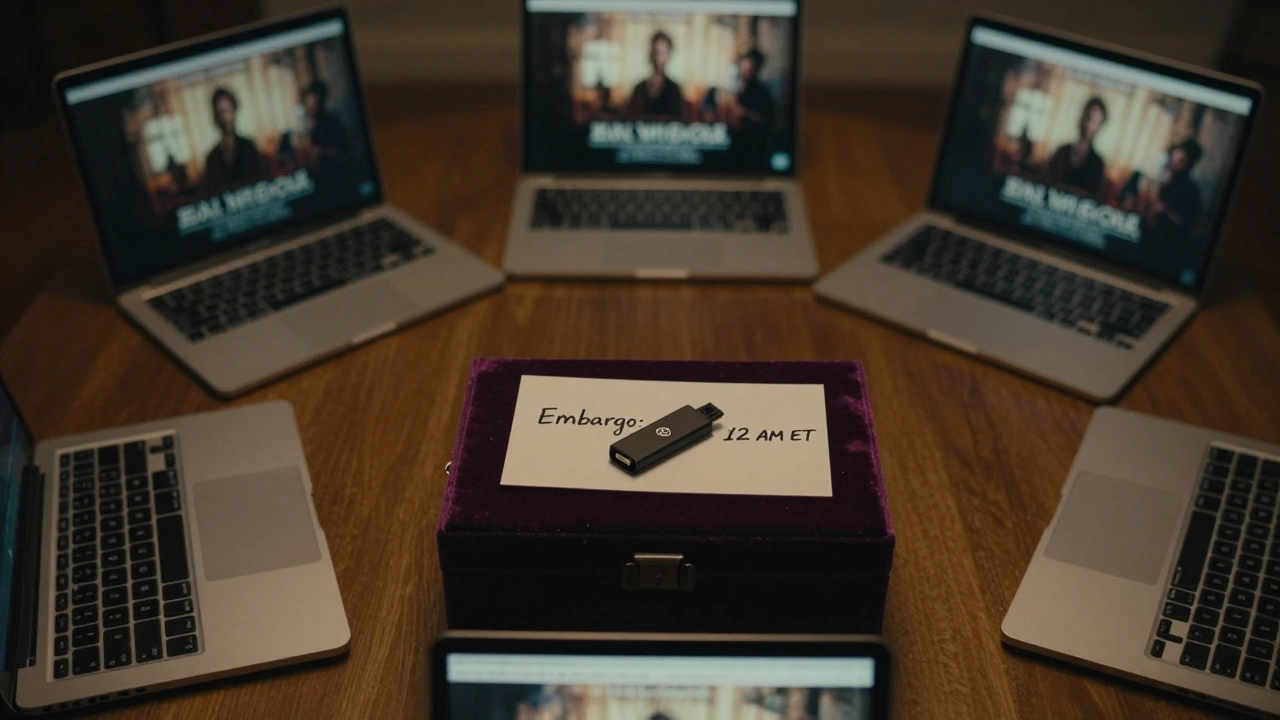
Typical embargoes last until 12 a.m. ET on the day of release. Sometimes, they’re lifted earlier - say, 48 hours before launch - to build momentum. In 2025, The Brutalist had its embargo lifted at 8 p.m. ET the night before its Amazon Prime debut. The result? A wave of early reviews hit at 8:01 p.m., and by morning, the film was trending on Twitter with #BrutalistOscar.
Embargoes aren’t just about timing - they’re about control. Studios use them to prevent spoilers, avoid early backlash, and coordinate with marketing campaigns. If a film has a twist ending, the studio might even include a note: “Please do not reveal the third-act reveal in your review.”
How Buzz Gets Built
Buzz doesn’t happen by accident. It’s engineered. After screeners go out and embargoes lift, studios activate what’s called a “critical feedback loop.”
First, they target influencers. Not just big critics from The New York Times or Rolling Stone, but also rising voices on Letterboxd, Substack, and YouTube. A single viral 10-minute video breakdown can shift perception more than a thousand print reviews.
Second, they encourage early awards buzz. Studios quietly feed critics talking points: “This performance is career-defining,” “The cinematography recalls There Will Be Blood,” “It’s the most human film about grief since Manchester by the Sea.” These aren’t lies - they’re curated angles. Critics pick them up, rephrase them, and suddenly, a movie isn’t just good - it’s “Oscar bait.”
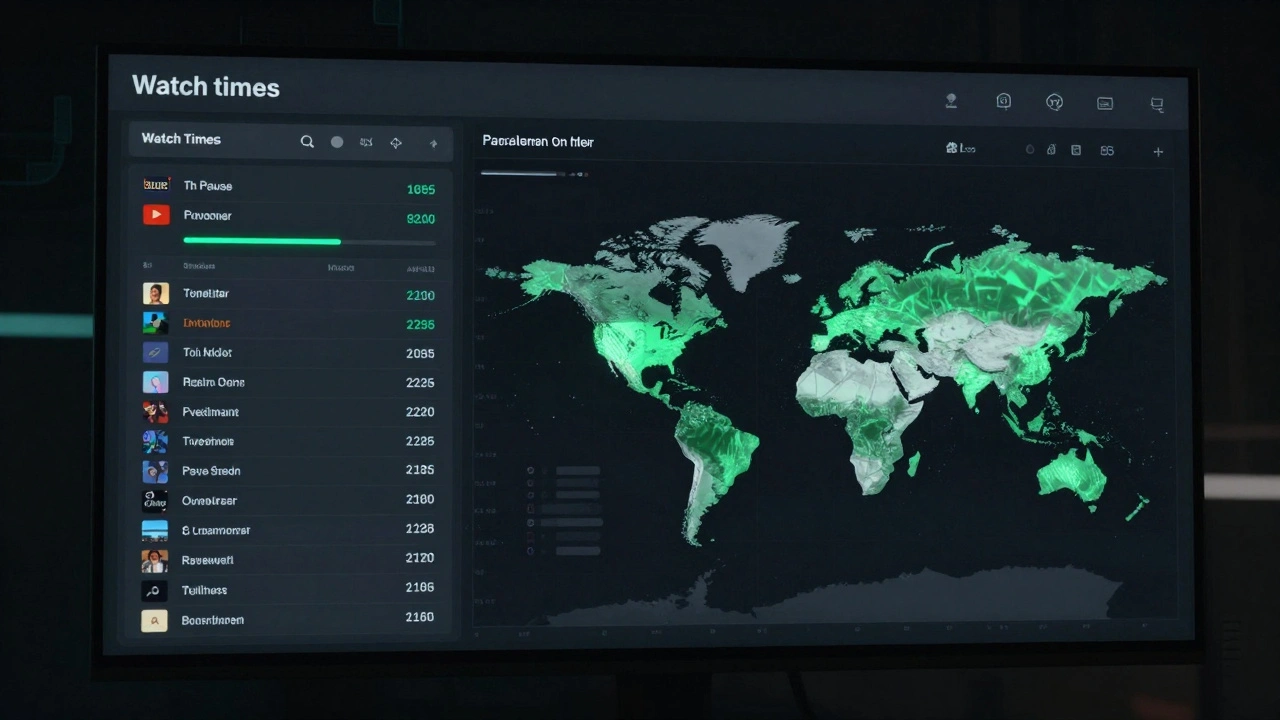
Third, they use data. Platforms track how many times a screener was watched, how far people got before pausing or quitting. If 70% of critics bailed at the 45-minute mark, the studio might re-cut the film’s middle act. If 90% of reviews mention the lead actor’s performance, they double down on that narrative in trailers.
In 2024, Conclave saw a 300% spike in social mentions after three major critics independently called it “the best religious drama since The Passion of the Christ.” The studio didn’t say that - critics did. And that’s the gold standard: organic buzz, not paid promotion.
Who Gets Access?
Not every critic gets a screener. Studios prioritize:
- Reviewers with large followings (100K+ on Twitter/X, 50K+ on Letterboxd)
- Critics who consistently cover awards-season films
- Outlets with proven influence (e.g., IndieWire, The Playlist, Screen Daily)
- Journalists who’ve been vetted through past campaigns
Smaller bloggers, TikTok reviewers, and regional critics often get left out. That’s why you’ll see the same handful of names in every “Best of 2025” list. Access is concentrated. And that’s a problem - it means the conversation around films is shaped by a narrow group.
Some platforms are starting to open up. Apple TV+ now invites 50 new critics each year through a public application process. Netflix has a “Rising Voices” program that sends screeners to emerging critics from underrepresented backgrounds. But these are exceptions, not the rule.
The Dark Side: Leaks, Pressure, and Manipulation
This system isn’t flawless. Sometimes, screeners leak - and when they do, the damage is real. In 2023, a screener of The Marvels leaked two weeks early. Critics who hadn’t seen it yet were blindsided. Some published reviews based on the leak - which turned out to be an unfinished cut. The studio lost control of the narrative.
Pressure is another issue. Critics who give negative reviews to a studio’s big Oscar contender often get cut off. No more screeners. No more interviews. No more invites to junkets. It’s not official policy - it’s just how things work. One critic told me, “I wrote a 3-star review for a Sony film. I haven’t received a single screener since.”
And then there’s the manipulation. Studios sometimes send out screeners with misleading notes: “This film is meant to be divisive.” Or they cherry-pick which critics get early access - giving it only to those they know will be kind. A 2024 study by the University of Southern California found that 68% of films with a 90%+ Rotten Tomatoes score had received early access from studios with a history of selective screening.
What This Means for You
If you’re a viewer wondering why certain films get all the hype - now you know. It’s not just about quality. It’s about access, timing, and who’s in the room.
The system works. It gets films seen. It builds awards campaigns. It gives critics a voice - but only if they play by the rules. And it leaves out a lot of voices that should be heard.
Next time you see a movie called “the best of the year,” ask: Who saw it first? Who got to talk about it? And who was left out?
How do critics get invited to watch streaming screeners?
Critics are usually invited by studio marketing teams or third-party screening services. To get on the list, you typically need a public review platform, consistent coverage of new releases, and a track record of engagement. Some studios accept applications; others rely on referrals from existing critics.
Can I watch streaming screeners if I’m not a critic?
No - screeners are strictly for industry professionals and accredited critics. They’re encrypted and tied to personal email addresses. Even fans with large followings can’t get access unless they’re officially recognized by the studio or a review outlet.
Why do some movies get more buzz than others?
Movies with bigger budgets and more aggressive campaigns get more screeners, better embargoes, and more targeted outreach. A $5 million indie might get 200 screeners sent to major critics. A $100 million Oscar contender might send 1,500 - including to influencers, podcasters, and international reviewers.
Do embargoes really matter if reviews come out right on release day?
Yes - because timing affects how reviews are consumed. If all reviews drop at midnight, they get buried under the flood of other content. If they drop 48 hours early, they become part of the pre-launch conversation, shaping what people expect. Early buzz can make or break opening weekend numbers.
Are critics being manipulated by studios?
Not always - but often. Studios provide context, suggest themes, and highlight performances. Critics aren’t paid to lie, but they’re human. When a studio spends months building a narrative - and cuts off access for dissent - it’s hard not to unconsciously align with it.



Comments(5)