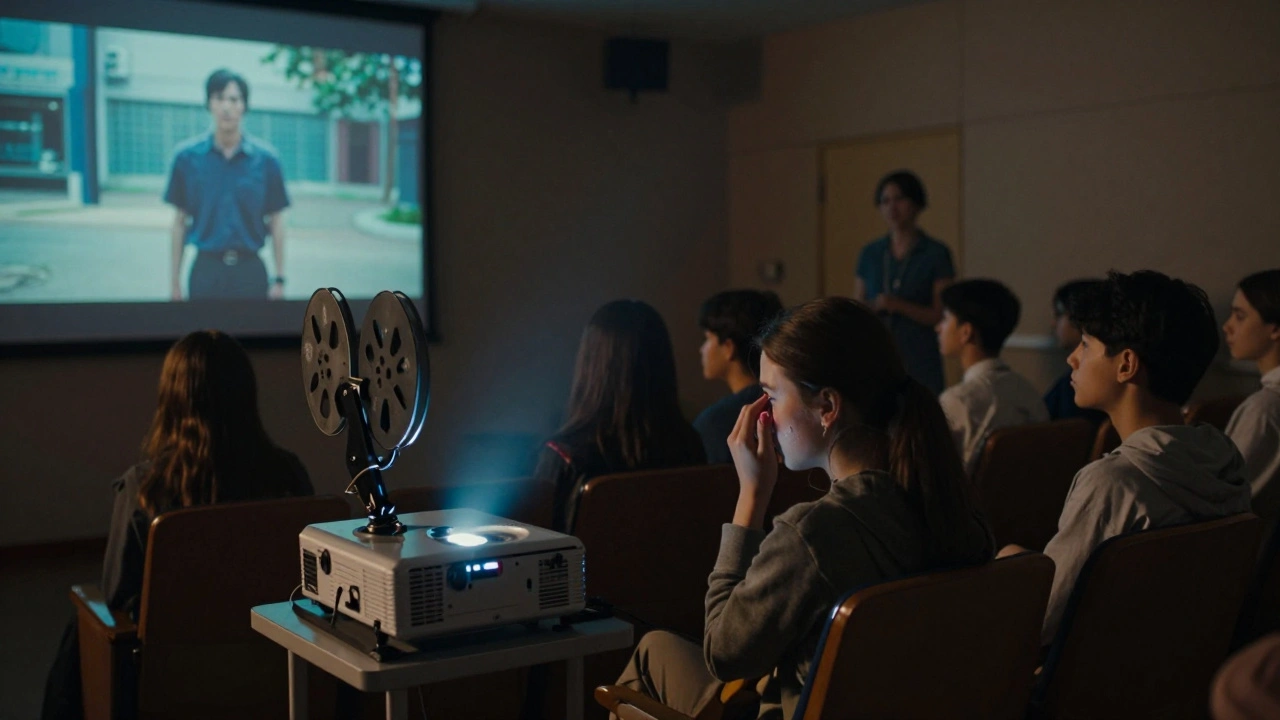
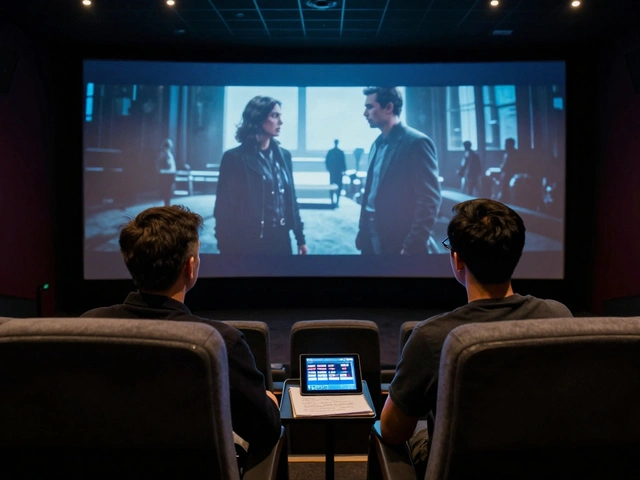
Every year, thousands of students in U.S. public schools sit in darkened auditoriums watching films that never hit mainstream theaters. Not superhero blockbusters or streaming originals, but quiet dramas, foreign-language masterpieces, and black-and-white classics. These aren’t field trips to the zoo-they’re educational screenings, and they’re quietly reshaping who watches movies in the decades to come.
Why Schools Are the New Film Labs
Most people think of movie theaters as places where you buy popcorn and escape for two hours. But for art-house distributors and independent filmmakers, the real battleground for survival isn’t the multiplex-it’s the classroom. When a high school in Asheville screens Parasite as part of a global cinema unit, or a middle school in Detroit shows The Spirit of the Beehive to teach metaphor in storytelling, they’re doing more than meeting curriculum standards. They’re training future audiences.
Think about it: who decides what films get made tomorrow? Not critics. Not studio executives. It’s the people who show up to theaters in 10, 15, 20 years. And if those people never saw anything beyond Marvel movies or TikTok shorts, the diversity of cinema shrinks. Educational screenings break that cycle. They give kids their first real exposure to non-commercial cinema-not as homework, but as art.
How It Works: The Partnership Model
It’s not magic. It’s logistics. Successful school cinema programs follow a simple formula: a local theater or film nonprofit partners with a district, provides the film, the projector, and sometimes even a guest filmmaker. The school provides the space, the students, and the class time. No ticket sales. No fundraising. Just access.
In 2024, the National Film Preservation Foundation tracked 892 such programs across 38 states. The most common films shown? City of God, Ikiru, La Jetée, and The Spirit of the Beehive. These aren’t random picks. They’re chosen because they’re short (under 90 minutes), visually rich, and thematically clear enough for teens to grasp without prior film training.
One program in Portland, Oregon, partners with the Northwest Film Center and a local indie theater. Each semester, students pick three films from a curated list. They write responses, then meet via Zoom with the director of one of those films. One 16-year-old student wrote to the director of Parasite: "I didn’t think a movie about rich people and poor people could make me cry. But it did. Now I want to make films that do that too." That’s not a lesson. That’s a career.
The Data Doesn’t Lie
There’s hard evidence this works. A 2023 study by the University of Wisconsin-Madison followed 1,200 students who participated in school-based film programs over three years. After the screenings, 68% said they were "more likely" to seek out non-Hollywood films. 42% reported visiting a local art-house theater within six months. And 29% said they’d considered film school.
Compare that to the average teen’s media diet: 87% of U.S. teens ages 13-18 watch content on YouTube or TikTok daily, according to Pew Research. Only 7% say they’ve ever watched a film in a theater that wasn’t released by Disney, Warner Bros., or Netflix. The gap isn’t just about access-it’s about expectation. If you’ve never seen a film that doesn’t follow a three-act structure, you won’t recognize one that doesn’t.
What Gets Lost Without These Programs
Art-house cinema isn’t dying because audiences hate it. It’s dying because audiences never learned how to watch it. Think of it like jazz or classical music. You don’t walk into a concert hall and instantly love a 20-minute violin sonata. You need context. You need exposure. You need someone to say, "Listen to how the silence between notes matters."
Without school screenings, we risk a future where film history is reduced to a handful of titles. What happens when no one knows who Ingmar Bergman was? When Persona becomes a meme, not a masterpiece? When foreign films are seen as "foreign" instead of universal?
These programs aren’t about saving old films. They’re about saving the idea that cinema can be more than entertainment. That it can be thought, emotion, history, rebellion.
Real Stories, Real Impact
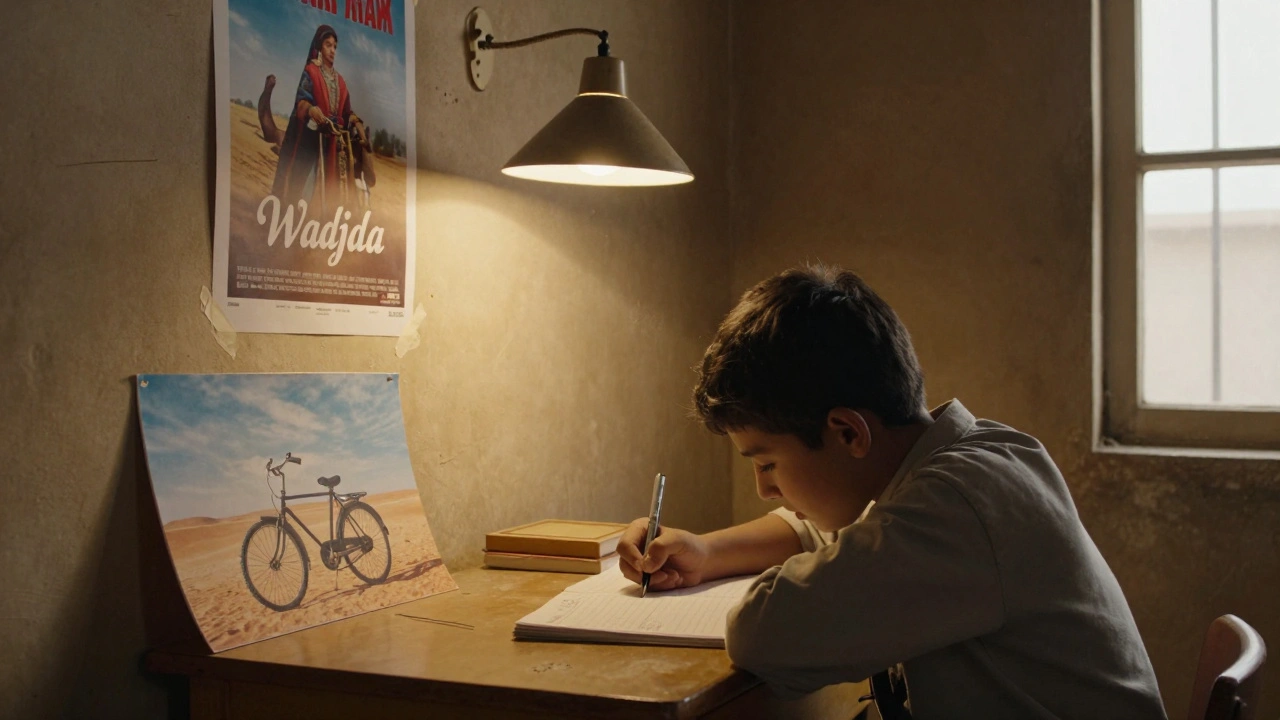
In rural Nebraska, a high school teacher named Maria Lopez started a film club after her students watched Wadjda. The film-about a Saudi girl who wants to ride a bike-sparked a month-long discussion on gender, freedom, and cultural norms. One student, a 15-year-old boy, wrote a short film about his own immigrant father’s struggle to be heard. He entered it in a youth festival. It won second place.
That film didn’t go viral. But it changed his life.
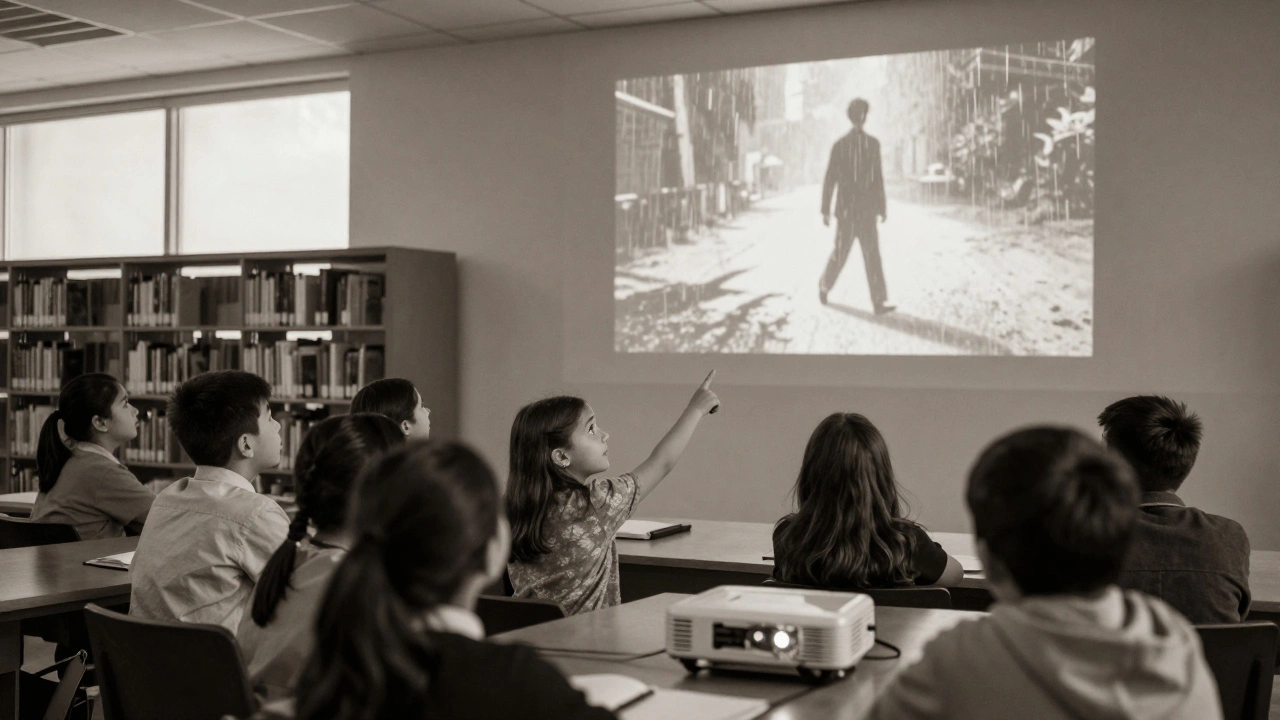
Another example: in Chicago, a public library teamed up with a local film school to show silent films to elementary students. No dialogue. Just music, expression, and movement. Kids were asked: "What do you think the characters are feeling?" They got it. Every time. One girl said, "It’s like watching a painting breathe." That’s not a lesson in film history. That’s a revelation.
How to Start One in Your Community
You don’t need a big budget. You don’t need a film degree. You just need one person willing to ask: "What if we showed them something different?"
- Reach out to your local art-house theater. Most have education outreach programs. Ask if they lend films or offer free screenings.
- Partner with a university film department. Students need experience. Professors need real audiences. It’s a match.
- Use free resources. The Criterion Collection offers lesson plans. The Film Foundation has curated lists for K-12. The National Endowment for the Arts funds pilot programs.
- Start small. One film. One class. One week. See how students respond.
- Document it. Record student reactions. Share them with the theater or distributor. They’ll notice. And they’ll keep sending films.
The Bigger Picture
Every time a school screens a film that didn’t make the top 10 at the box office, it’s a quiet act of resistance. Against algorithms. Against attention spans. Against the idea that stories only matter if they’re viral.
These screenings are how cinema stays alive-not because of nostalgia, but because of curiosity. Because kids who see La Strada might grow up to fund a film about climate refugees. Because a student who cries during Shoplifters might one day write a screenplay that changes how we see poverty.
The future of cinema isn’t in Hollywood studios. It’s in classrooms. In auditoriums with flickering projectors. In teenagers who didn’t know they were supposed to like foreign films-until they saw one that made them feel less alone.
That’s the real box office.
Do educational screenings count as academic credit?
In most cases, no-not directly. But many schools integrate screenings into existing courses like English, history, or social studies. Students earn credit for essays, discussions, or projects tied to the films, not for watching them. Some districts offer elective film studies classes where screenings are part of the curriculum and graded.
Are these programs only for high schools?
No. Programs exist for middle schools, elementary schools, and even preschools. Younger kids respond powerfully to visual storytelling. Silent films, animated shorts, and non-verbal narratives work especially well with children under 12. The goal isn’t deep analysis-it’s emotional connection and curiosity.
How do schools afford film licenses and equipment?
Most educational film distributors waive licensing fees for nonprofit school use. Organizations like Criterion Collection, Kanopy, and the Film Foundation provide free or low-cost screening rights. Projectors and sound systems are often borrowed from local theaters or funded through PTA grants. Many programs rely on volunteer tech support from parents or local film students.
What if parents or administrators object to a film’s content?
Transparency is key. Programs always send advance notifications to families, include content warnings, and offer opt-out options. Most objections come from misunderstanding. When parents see the lesson plan or sit through the film with their child, support usually grows. Many say they wish they’d seen these films in school.
Can rural or underfunded schools start these programs?
Absolutely. Some of the most successful programs are in rural areas. Without access to theaters, schools become the only gateway to these films. Digital projectors, streaming via secure platforms, and partnerships with regional film nonprofits make it possible. The key is not money-it’s willingness to try something different.



Comments(10)