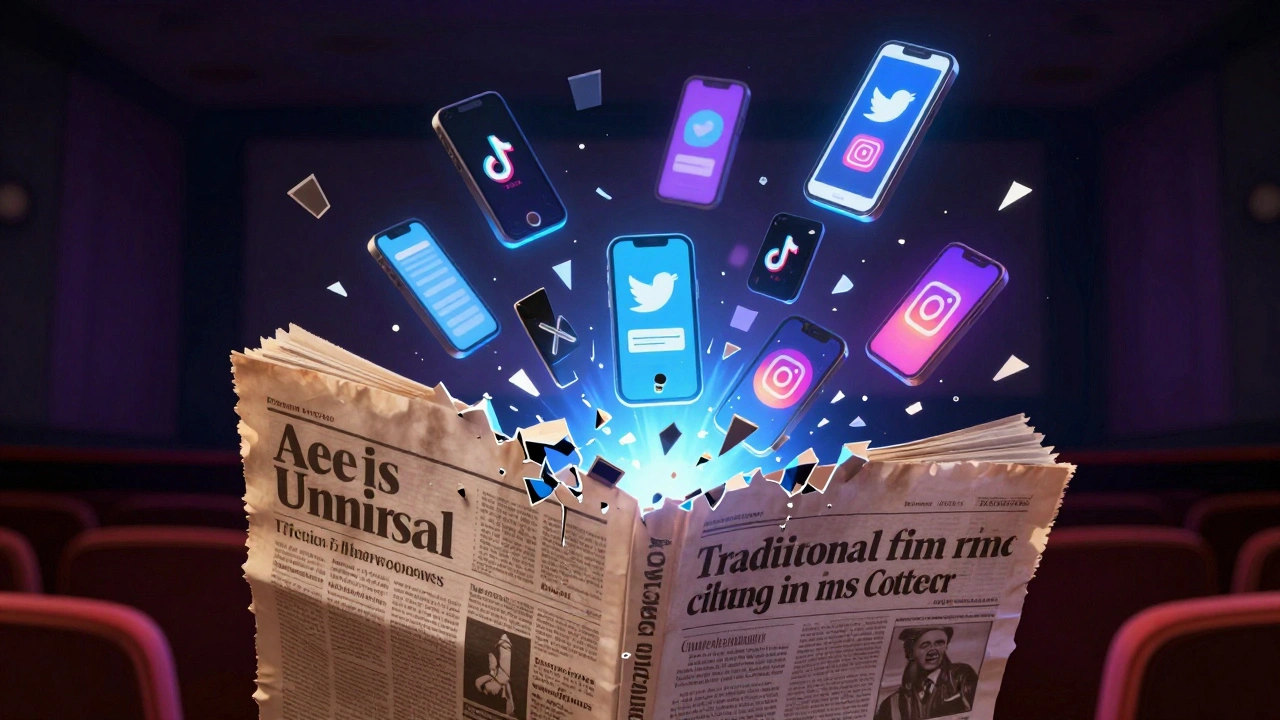
Remember when you had to wait for Sunday morning to read a critic’s take on the latest blockbuster? Those days are gone. Today, the moment a movie drops on streaming or hits theaters, the internet is flooded with hot takes, star ratings, and AI-generated summaries. But here is the real question: Is film criticism dying, or is it just evolving into something we don’t fully understand yet?
In 2026, the landscape has shifted dramatically. The gatekeepers-the famous critics in major newspapers-no longer hold the monopoly on opinion. Instead, we have a fragmented ecosystem where an anonymous TikTok video can do more damage to a film’s box office than a scathing review in The New York Times. This isn’t just about who gets heard; it’s about how we define quality, trust, and cultural value in cinema.
Is traditional film criticism dead?
Not dead, but diminished in its power to dictate mass behavior. Traditional critics still shape industry awards and critical consensus, but they no longer drive ticket sales in the same way. Their role has shifted from consumer guide to cultural archivist and analytical voice.
The Death of the Gatekeeper
For decades, a handful of critics held immense power. If Roger Ebert gave a movie two stars, you knew what to expect. That centralized authority created a shared cultural conversation. We all read the same reviews, debated the same points, and had a common language for discussing film.
That model collapsed under the weight of the internet. First came the blogs, then Twitter (now X), then Instagram, and now short-form video platforms like TikTok and YouTube Shorts. Every viewer is now a potential critic. You don’t need a press pass or a degree in film studies to share your opinion. You just need a smartphone and a strong feeling about a plot twist.
This democratization is exciting, but it comes with a cost. Without editorial standards, misinformation spreads fast. Spoilers leak before release. Reviews become performance art rather than analysis. The nuance of film criticism is the practice of analyzing and evaluating movies based on technical, artistic, and narrative criteria often gets lost in the noise of viral trends.
Algorithmic Bias and the Echo Chamber Effect
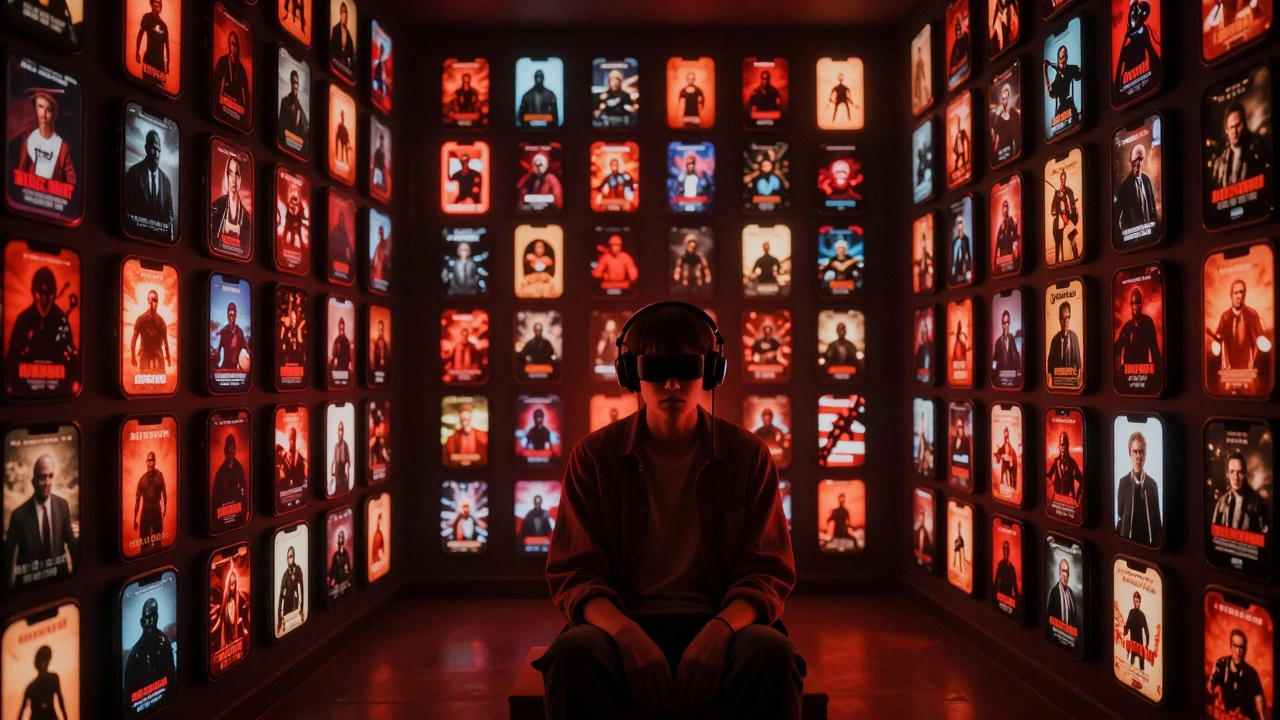
Here is where things get tricky. Most people don’t seek out diverse opinions anymore. They follow algorithms that feed them content similar to what they’ve already liked. If you love horror movies, your feed will show you horror reviews that align with your taste. If you dislike superhero films, you’ll see endless videos mocking the latest Marvel release.
This creates echo chambers. Critics who challenge popular opinions struggle to reach audiences because algorithms prioritize engagement over insight. Outrage drives clicks. Nuance does not. As a result, many reviewers feel pressured to adopt extreme stances just to be seen. A balanced review saying “this film has flaws but works emotionally” rarely goes viral. A rant calling it “the worst thing ever made” might.
We also have to consider how recommendation engines influence what gets reviewed. Streaming platforms promote certain titles based on user data, not artistic merit. Films that fit trending genres get visibility. Others vanish. Critics are left reviewing what’s available, not necessarily what’s important. This skews the entire discourse toward commercial viability rather than creative risk-taking.
The Rise of Audience Reception Metrics
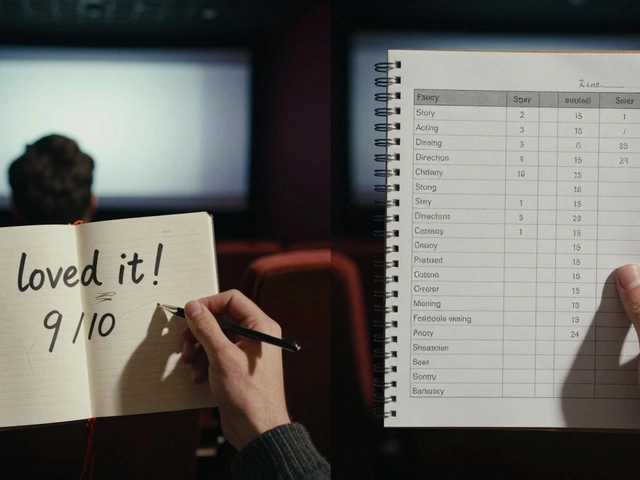
Gone are the days when a critic’s word was final. Today, audiences speak through numbers. Platforms like Rotten Tomatoes, Letterboxd, and IMDb aggregate millions of user scores. These metrics matter. Studios track them closely. Marketing campaigns adjust based on real-time audience reaction.
But there’s a problem with relying solely on crowd-sourced data. Audience scores often reflect entertainment value, not artistic achievement. A well-made drama might score lower than a mindless action flick simply because it demands more emotional labor from viewers. Conversely, controversial films can receive inflated scores from fan bases determined to defend their favorites.
Consider the case of Dune: Part Two. Critics praised its visual ambition and pacing. Audiences loved it too-but some complained it was too slow. Other films, like Barbie, sparked cultural conversations that transcended typical review cycles. In both cases, the dialogue wasn’t driven by one critic’s opinion. It emerged from millions of interactions across social media, podcasts, and community forums.
| Factor | Critical Consensus | Audience Reception |
|---|---|---|
| Basis of Judgment | Technical skill, thematic depth, historical context | Entertainment value, relatability, emotional impact |
| Influence on Industry | Awards season, festival selection, prestige marketing | Box office performance, streaming retention, franchise decisions |
| Vulnerability | Elitism, disconnect from general tastes | Polarization, mob mentality, lack of analytical rigor |
| Long-Term Value | Preserves cinematic history and artistic standards | Reflects cultural moments and shifting public sentiment |
AI-Generated Reviews: Convenience or Contamination?
By 2026, artificial intelligence plays a bigger role in film criticism than most realize. Some websites use AI to generate instant reviews after a film premieres. These summaries pull from plot descriptions, cast information, and early critic quotes to produce coherent paragraphs in seconds.
On the surface, this seems helpful. Imagine getting a quick overview of a new release without reading five different articles. But these AI reviews lack perspective. They can’t explain why a scene feels hollow despite perfect lighting. They can’t connect a director’s style to broader cinematic movements. They recycle existing language without adding new insight.
More concerning is how AI affects human writers. Many freelance critics face pressure to publish quickly. With AI tools offering draft assistance, the line between original thought and automated output blurs. Readers may not notice the difference immediately, but over time, the richness of critical writing could erode. We risk losing the unique voices that make film criticism compelling-not just informative, but interpretive.
There’s also the issue of training data. AI models learn from past reviews, which means they inherit biases present in historical criticism. If older reviews favored male directors or Western narratives, those patterns persist unless actively corrected. This perpetuates inequality under the guise of neutrality.
Podcasts and Video Essays: The New Critical Medium
If text-based criticism is struggling, other formats are thriving. Podcasts and long-form video essays have become central to modern film discussion. Creators like Nerdwriter1, Lindsay Ellis, and Contrapoints offer deep dives that combine analysis, humor, and personal reflection. Their work reaches hundreds of thousands-or even millions-of viewers.
These creators benefit from flexibility. They’re not bound by word counts or publication deadlines. They can explore topics at length, reference multiple films, and build arguments gradually. Viewers engage through comments, shares, and live streams, creating interactive communities around shared interests.
Yet this format has limitations too. Production costs money. Editing hours-long videos requires resources. Not everyone can afford to dedicate themselves full-time to criticism. Meanwhile, smaller voices remain unheard unless they go viral. The barrier to entry is lower than before, but success still favors those with access to technology, time, and audience-building skills.

Restoring Trust in Film Criticism
So where do we go from here? The future of film criticism doesn’t lie in returning to the old guard. Nor does it mean surrendering entirely to algorithms and crowds. Instead, we need hybrid models that combine expertise with accessibility.
One solution is transparency. Critics should disclose conflicts of interest, funding sources, and methodological approaches. When readers know how a review was constructed, they can evaluate its credibility. Similarly, platforms should highlight diverse perspectives rather than amplifying only the loudest voices.
Another path is education. Teaching media literacy helps audiences distinguish between opinion, analysis, and propaganda. Schools and libraries can host workshops on evaluating sources, recognizing bias, and appreciating complex storytelling. Empowered viewers contribute better to public discourse.
Finally, we must support independent critics financially. Subscription models, patronage platforms like Patreon, and grant programs allow writers to sustain careers outside corporate structures. When critics aren’t forced to chase clicks, they can focus on meaningful evaluation rather than sensationalism.
What Comes Next for Cinema Culture?
Film criticism will continue changing as long as technology evolves. Virtual reality screenings, interactive narratives, and decentralized distribution methods will introduce new challenges. Each innovation demands fresh frameworks for assessment.
But the core purpose remains unchanged: helping us understand what movies mean and why they matter. Whether delivered via newspaper column, podcast episode, or AI-assisted blog post, good criticism enriches our experience of cinema. It invites us to look closer, think deeper, and appreciate the craft behind every frame.
The future isn’t about choosing between experts and amateurs. It’s about building bridges between them. By valuing both specialized knowledge and grassroots enthusiasm, we create a richer, more inclusive conversation-one that honors the past while embracing the possibilities ahead.
How has social media changed film criticism?
Social media has democratized criticism by allowing anyone to share opinions instantly. However, it has also led to polarization, spoiler culture, and reduced emphasis on detailed analysis due to character limits and algorithmic prioritization of emotional reactions.
Are AI-written movie reviews reliable?
AI reviews provide convenient summaries but lack contextual understanding, emotional intelligence, and original insight. They should be used as starting points, not replacements for human analysis.
Why do audience scores differ so much from critic scores?
Audiences judge films based on enjoyment and relatability, while critics assess technical execution, thematic complexity, and historical significance. Different priorities lead to divergent evaluations.
Can independent critics survive financially today?
Yes, through subscription services, crowdfunding, brand partnerships, and teaching opportunities. Success depends on building loyal audiences and diversifying income streams beyond traditional publishing.
What makes a great film review in the digital age?
A great review balances clarity with depth, acknowledges multiple perspectives, avoids spoilers unless necessary, and connects individual films to larger cultural or artistic trends.



Comments(5)