There is a specific kind of electricity that only happens in Park City, Utah. It’s January. The temperature is dropping below zero, and the air is thin. Inside cramped screening rooms, hundreds of industry scouts sit in silence, waiting to see if they’ve just found the next big thing. For decades, the Sundance Film Festival has been the premier showcase for independent cinema in the United States. But it isn’t just about art-house prestige. It is the launchpad where raw, unpolished talent collides with massive distribution deals.
You might think these are niche films that stay small. You’d be wrong. Some of the biggest cultural moments of the last thirty years started right here. These were movies that no one expected to break out, let alone dominate box offices or win Academy Awards. They prove that you don’t need a million-dollar budget to change the way we watch movies. You just need the right story, at the right time, in the right room.
The Indie Boom: When "Little" Movies Went Global
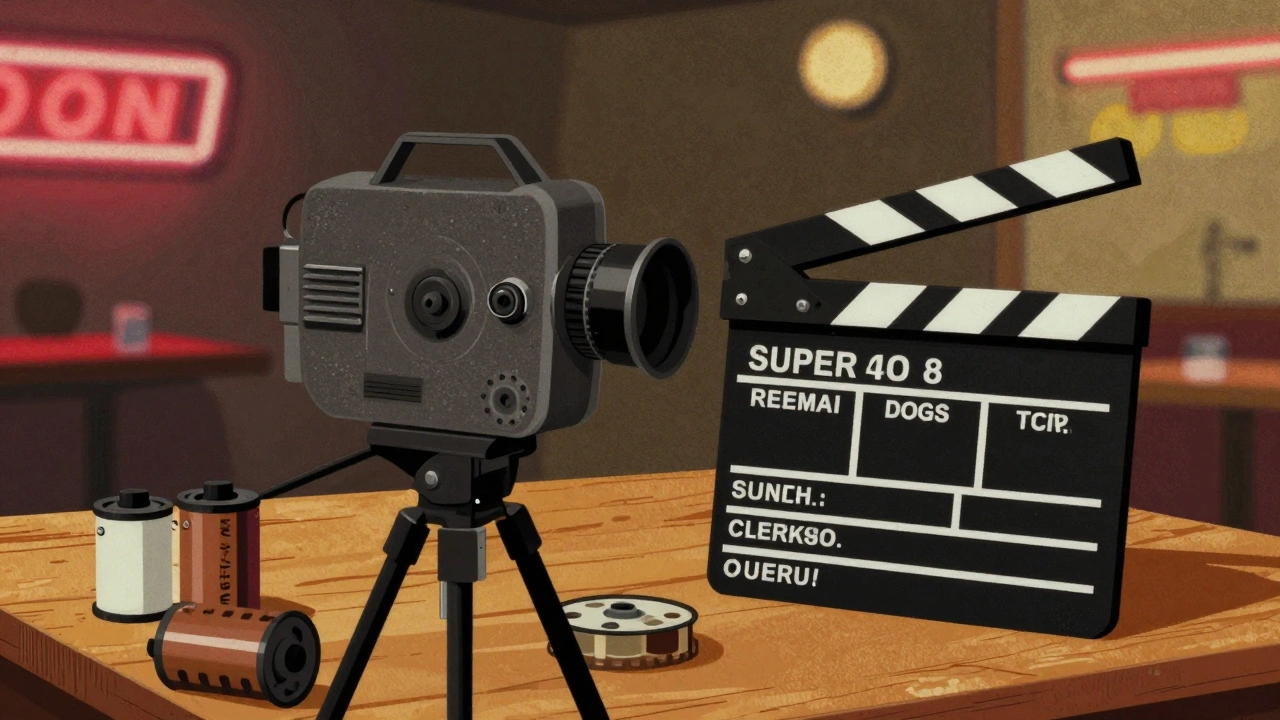
To understand why Sundance discoveries matter, you have to look back to the early 1990s. Before this era, Hollywood was a closed loop. Studios made safe bets. Audiences watched what they were told. Then came Reservoir Dogs, directed by Quentin Tarantino. It premiered at Sundance in 1992. It wasn’t polished. It was violent, talkative, and weird. But it captured a mood. Miramax picked it up for a modest sum, and it became a cultural phenomenon. It proved that independent voices could speak louder than studio megaphones.
This wasn't an isolated incident. It sparked a wave. Directors like Kevin Smith, who brought us Clerks, showed that you could shoot a movie on film stock borrowed from a friend and still get noticed. These films didn't just make money; they changed the grammar of cinema. They introduced non-linear storytelling, gritty realism, and dialogue-driven narratives into the mainstream. Sundance became the place where this new language was invented.
Parasite: The Global Anomaly
Fast forward to 2019. The landscape had changed. Streaming giants were buying rights before screenings even ended. Yet, one film managed to transcend all expectations. Parasite, directed by Bong Joon-ho, arrived at Sundance as a foreign-language thriller. Critics loved it. Audiences laughed and gasped in equal measure. But nobody predicted what happened next.
Parasite didn't just become a major film; it broke history. It became the first non-English language film to win the Academy Award for Best Picture. It grossed over $250 million worldwide. This wasn't just a success for Bong Joon-ho; it was a validation of the festival circuit itself. It showed that universal themes-class struggle, family dynamics, deception-could travel across borders when executed with precision. The film’s journey from a snowy Utah premiere to dominating global conversations illustrates the power of curated discovery.
| Film Title | Year | Director | Key Achievement |
|---|---|---|---|
| Reservoir Dogs | 1992 | Quentin Tarantino | Laundered the 'indie' boom |
| La Haine | 1995 | Mattieu Kassovitz | Critical darling, cult classic |
| Whiplash | 2014 | Damien Chazelle | 3 Oscar nominations |
| Get Out | 2017 | Jordan Peele | $255M Box Office |
| Parasite | 2019 | Bong Joon-ho | Best Picture Oscar |
The Horror Genre Reimagined
Horror has always been the backbone of independent filmmaking. It’s cheap to produce, and audiences are hungry for scares. But Sundance changed how horror is perceived. In 2017, Get Out premiered. On paper, it was a psychological thriller. In practice, it was a social commentary wrapped in genre conventions. Jordan Peele used the festival platform to test his ideas. The audience reaction was immediate and visceral. A24 bought the rights quickly, and the film went on to earn over $255 million against a $4.5 million budget.
This success paved the way for other genre-bending films. The Witch (2015) and The Babadook (though technically not a Sundance premiere, it thrived in the same ecosystem) showed that horror could be artistic. It could deal with grief, colonialism, and mental health. Sundance gave these films legitimacy. They weren't just B-movies anymore; they were serious cinema that happened to be scary.
Documentaries That Changed Minds
Fiction gets the headlines, but documentaries often drive real-world change. Sundance has a long history of hosting films that expose corruption, injustice, and hidden truths. Take An Inconvenient Truth (2006). Al Gore’s presentation on climate change was transformed into a feature-length documentary. It premiered at Sundance, won the Grand Jury Prize, and helped bring climate change into the mainstream political discourse. It wasn't just a film; it was a movement starter.
More recently, 13th (2016), directed by Ava DuVernay, explored the intersection of race, justice, and mass incarceration in the United States. While it eventually landed on Netflix, its roots in the festival circuit gave it credibility. These films demonstrate that Sundance isn't just about entertainment. It’s about accountability. They force viewers to confront uncomfortable realities, often leading to policy changes or shifts in public opinion.
Why Sundance Still Matters in 2026
In an age where anyone can upload a video to YouTube or TikTok, you might wonder why festivals still exist. Why do studios pay millions to attend? The answer is curation. There is too much content. Algorithms show you what you already like. Festivals show you what you *should* like. Sundance acts as a filter. It identifies quality amidst the noise.
For filmmakers, being selected is a stamp of approval. It opens doors to funding, distribution, and talent representation. For audiences, it’s a chance to discover something new before it becomes ubiquitous. The thrill of watching a film that hasn't been marketed yet, that hasn't been reviewed by every outlet, is unique. It’s pure discovery.
Moreover, the community aspect cannot be overstated. Filmmakers meet producers. Actors meet directors. Ideas are exchanged in coffee shops and after-parties. These connections lead to collaborations that shape the future of cinema. The relationships built in Park City often outlast the films themselves.
What Makes a Sundance Hit?
Is there a formula? Not really. But there are patterns. Successful Sundance films usually share a few traits:
- Voice: They have a distinct directorial style. You know who made them.
- Relevance: They tap into current cultural anxieties or desires. Whether it’s class inequality in Parasite or racial tension in Get Out, they reflect the times.
- Risk: They try something different. They don’t play it safe. They take creative risks that pay off.
- Audience Connection: They engage the viewer emotionally. Whether through humor, terror, or sadness, they create a bond.
It’s not about budget. It’s about execution. A low-budget film with a strong vision will always beat a high-budget film with a weak script. Sundance rewards authenticity.
What is the most famous movie from Sundance?
While many films have gained fame, Reservoir Dogs (1992) is often cited as the most influential because it launched the modern indie film boom. However, Parasite (2019) holds the record for the highest critical and commercial achievement, winning Best Picture at the Oscars.
Does Sundance only show independent films?
Traditionally, yes. Sundance focuses on independent narrative features, documentaries, and shorts. However, in recent years, some mid-budget films with studio backing have premiered there to gain critical buzz before wide release.
How does a film get selected for Sundance?
Films must be submitted through an application process. They are then reviewed by a panel of programmers who watch thousands of submissions. Selection is based on artistic merit, originality, and relevance. It is highly competitive, with only a small percentage of applicants accepted.
Can any filmmaker submit to Sundance?
Yes, anyone can submit. There are no restrictions on experience or location. However, the film must meet technical standards and copyright requirements. International films are welcome and often featured prominently.
Why do studios buy films at Sundance?
Studios buy films to fill their slate with diverse, critically acclaimed content. Acquiring a festival hit allows them to market a film as prestigious and award-worthy, which can drive box office sales and streaming subscriptions.