
Key Takeaways
- Digital tools like Google Earth and SunCalc have replaced manual guesswork for light and layout.
- A successful site survey requires a checklist that covers power, acoustics, and legal access.
- Relationship building with local owners is as important as the visual aesthetics of the space.
- Permitting is a bureaucratic hurdle that requires early planning to avoid shut-downs.
The Digital Toolkit for Modern Scouts
Gone are the days of driving aimlessly through a city with a polaroid camera. Today, most of the heavy lifting happens before you even leave your desk. Google Earth is a geospatial software that allows scouts to analyze terrain, architecture, and surrounding infrastructure from a bird's-eye view . It's the first stop for any scout to check if a building has a flat roof for a crane shot or if a street is too narrow for a grip truck.
But seeing the space isn't enough; you need to know how the light behaves. SunCalc is a web-based tool that calculates the exact position of the sun and moon based on geographic coordinates and time . Imagine you're filming a scene where a character is backlit by a sunset. Instead of guessing, you plug the address into SunCalc to see exactly where the sun will be at 6:15 PM on a Tuesday in October. This prevents the nightmare of arriving on set only to find the sun is blocked by a skyscraper.
For managing the sheer volume of photos and notes, many professionals have moved away from folders and toward ShotDeck or Pinterest for visual references, combined with specialized production software like StudioBinder to keep the location gallery linked to the script pages. This ensures the Director of Photography knows exactly which corner of the room is being discussed during the pre-production meeting.
| Tool | Primary Use | Key Value | Best For |
|---|---|---|---|
| Google Earth | Aerial Analysis | Infrastructure check | Urban Planning |
| SunCalc | Lighting Prediction | Shadow mapping | Golden Hour Timing |
| StudioBinder | Organization | Centralized galleries | Team Collaboration |
| PhotoPills | On-site Planning | AR light overlays | Outdoor Landscapes |
Mastering the Art of the Site Survey
Once the digital phase is done, you have to get your boots on the ground. This is where Location Scouting is the process of searching for, evaluating, and securing a place that fits the creative and technical needs of a film script . A professional site survey isn't a casual walkthrough; it's a technical audit. You aren't looking for a "vibe"-you're looking for problems.
Start with power. A standard wall outlet might be fine for a laptop, but a professional lighting package can easily trip a circuit breaker. You need to find the Electrical Panel and determine if the venue has three-phase power or if you'll need to bring in a portable generator. If you're filming in an old house in a place like Asheville, those 1920s wires can't handle a modern LED array without some serious help.
Next, listen. Stand in the center of the room and be silent for sixty seconds. Do you hear a humming refrigerator? A distant siren? A rattling HVAC system? The Sound Mixer will be your best friend or your worst enemy depending on how well you've vetted the acoustics. If the room has a massive echo, you'll need to budget for sound blankets and acoustic treatment.
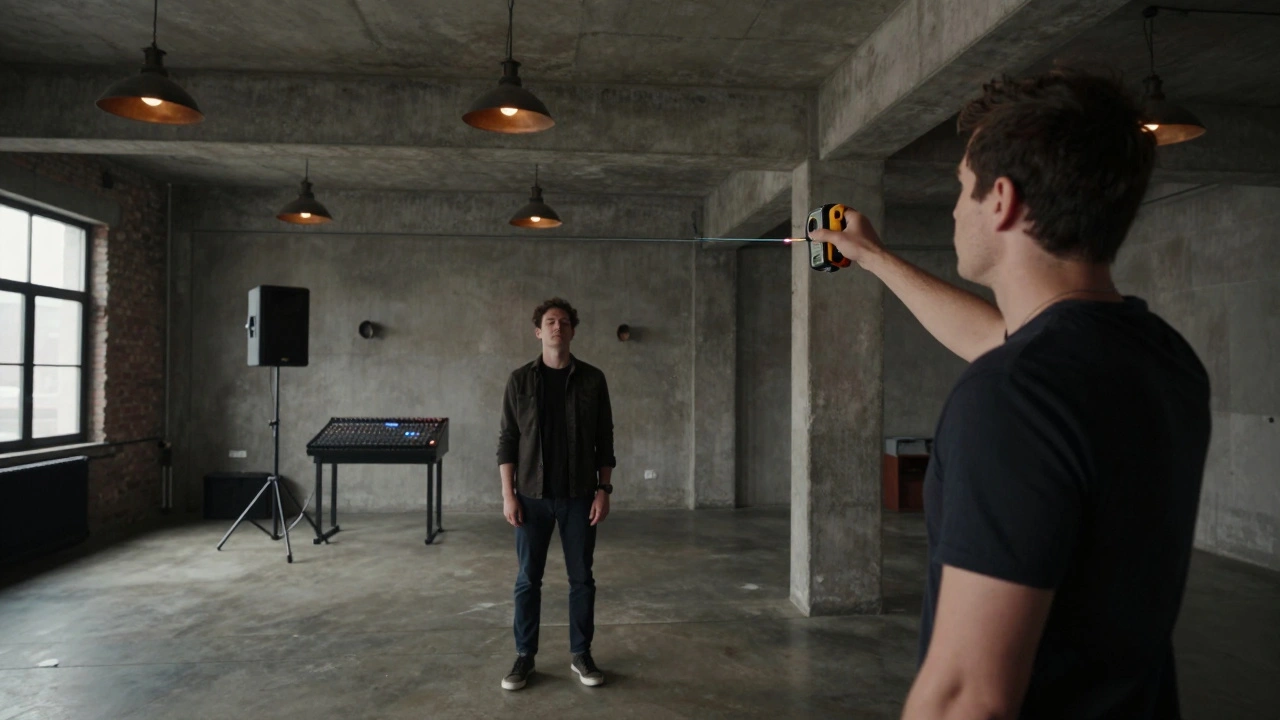
Don't forget the "invisible" logistics. Where does the crew park? Where do they eat? Where does the wardrobe department set up their racks? If the only entrance to a beautiful attic is a narrow spiral staircase, you're going to spend four hours moving a single piece of furniture. Always measure the doorways and elevators.
Navigating the Legal and Bureaucratic Maze
You found a stunning industrial loft, but if you don't have the paperwork, you're just trespassing with a camera. This is where the Location Manager takes over. Their job is to turn a "yes" from a homeowner into a legally binding agreement that protects the production from lawsuits.
The first step is the Location Agreement. This contract specifies exactly what parts of the property can be used, for how long, and what the payment is. It should also include a "restoration clause," which basically says, "we promise to put the walls back the way they were after we paint them neon green for a scene." Without this, a disgruntled owner can sue for damages long after the movie is in theaters.
Then comes the Film Permit. Most cities have a dedicated film office that handles these. If you're filming on a public sidewalk or a city park, you need a permit that outlines your insurance coverage. If a light stand tips over and hits a pedestrian, your General Liability Insurance is the only thing keeping the production from going bankrupt.
Pro tip: Always offer a "location fee" even if the owner says they'll do it for free. People are much more cooperative when they're being paid. A small check makes them more likely to let you move their favorite antique vase to get a better angle.
Advanced Techniques for Unique Environments
Different spaces require different strategies. Scouting a forest is entirely different from scouting a corporate office. For outdoor environments, you have to account for the Weather Forecast and seasonal changes. A lush green valley in May looks like a brown wasteland in August. If you're filming a sequence over several months, you need to ensure the background remains consistent, or you'll have a glaring continuity error.
When scouting interiors, use a wide-angle lens or a 360-degree camera to capture the room. This allows the Director to visualize the camera movement without having to return to the site. If you're dealing with high-security areas-like hospitals or government buildings-you'll need to conduct a Security Walkthrough to identify cameras and restricted zones that can't be in the shot.
Another advanced trick is "proxy scouting." If you can't get into a specific historical building, look for a building from the same era with similar architecture. You can then use set dressing to mimic the original location. This is often cheaper and gives the production more control over the environment.

Common Scouting Pitfalls to Avoid
One of the biggest mistakes beginners make is falling in love with a location's looks while ignoring its practicality. A beautiful glass house is a nightmare for a cinematographer because of the reflections. Every window is a mirror that shows the crew, the lights, and the catering table. If you choose a glass-heavy location, you'll need to spend a fortune on Cinefoil and black flags to kill the glare.
Another trap is ignoring the "neighbor factor." A quiet residential street can turn into a war zone the moment you park three trailers and a generator in front of someone's driveway. Always do a perimeter check. Are there schools nearby that let out at 3 PM? Is there a church that holds services on Sunday mornings? A few friendly conversations with neighbors before the shoot can prevent them from calling the police the second you start filming.
Finally, never rely on a single location. Always have a "Plan B" or a "cover set." If a sudden storm hits your outdoor location or the owner of your primary interior decides to cancel at the last minute, having a backup site prevents the entire production from grinding to a halt.
How much does a professional location scout cost?
Costs vary wildly based on the project size. For independent films, scouts may work on a day rate ranging from $300 to $600. On larger union productions, location managers earn a weekly salary that can reach several thousand dollars, often including a per diem for travel and meals.
What is the difference between a Location Scout and a Location Manager?
The scout is the hunter; their job is to find and photograph potential sites that match the script. The Location Manager is the administrator; they handle the contracts, permits, logistics, and the actual management of the site once the crew arrives.
Do I really need a permit for a small crew?
Yes. Even with a small crew, if you are using tripods, lights, or blocking a sidewalk, you are technically conducting a commercial activity. Without a permit, police or security can shut down your shoot immediately, and you risk heavy fines.
How do I handle a location owner who wants too much money?
Be transparent about the budget but emphasize the exposure or the prestige of the project. Often, owners will lower their price if you can prove the production will be respectful and provide a clear timeline for when they get their space back.
What should be in a location scouting kit?
Your kit should include a digital camera (with a wide-angle lens), a laser measure or tape measure, a compass (or phone app), a notebook, a flashlight for checking dark corners, and a set of standard location release forms.
Next Steps for Your Production
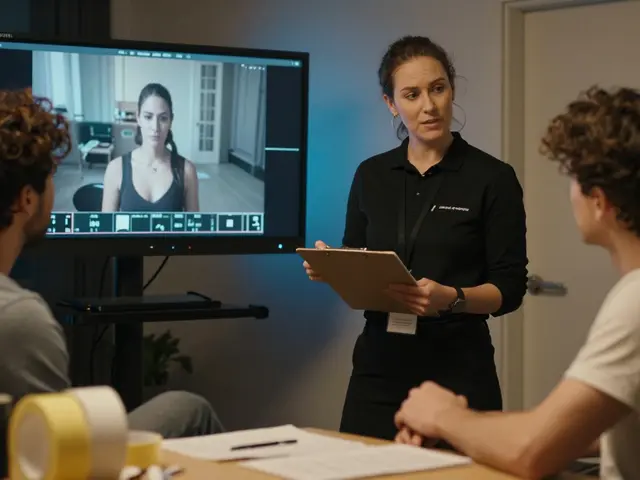
If you're just starting, begin by creating a "lookbook" of images that capture the mood of your script. This gives your scout a concrete target. Once you have a few potential spots, schedule a "tech scout" where the Director, DP, and Sound Mixer visit the site together. This ensures everyone is on the same page before the expensive equipment arrives.
For those filming in urban areas, start your permitting process at least four to six weeks in advance. Some cities are notoriously slow, and a missing piece of paper can derail your entire shooting schedule. Stay organized, stay flexible, and always keep a few extra snacks in your bag for the location owners-it goes a long way toward getting that one extra hour of filming time.






Comments(7)