Key Takeaways for Horror Buffs
- The slasher isn't just about killing; it's about the "rules" of survival.
- The "Final Girl" trope is a psychological anchor that defines the subgenre.
- Modern slashers are shifting from mindless killing to meta-commentary and social critique.
- The evolution moved from Gothic roots to the "Golden Age" and into the "Post-Modern" era.
The DNA of a Slasher: What Makes It Tick?
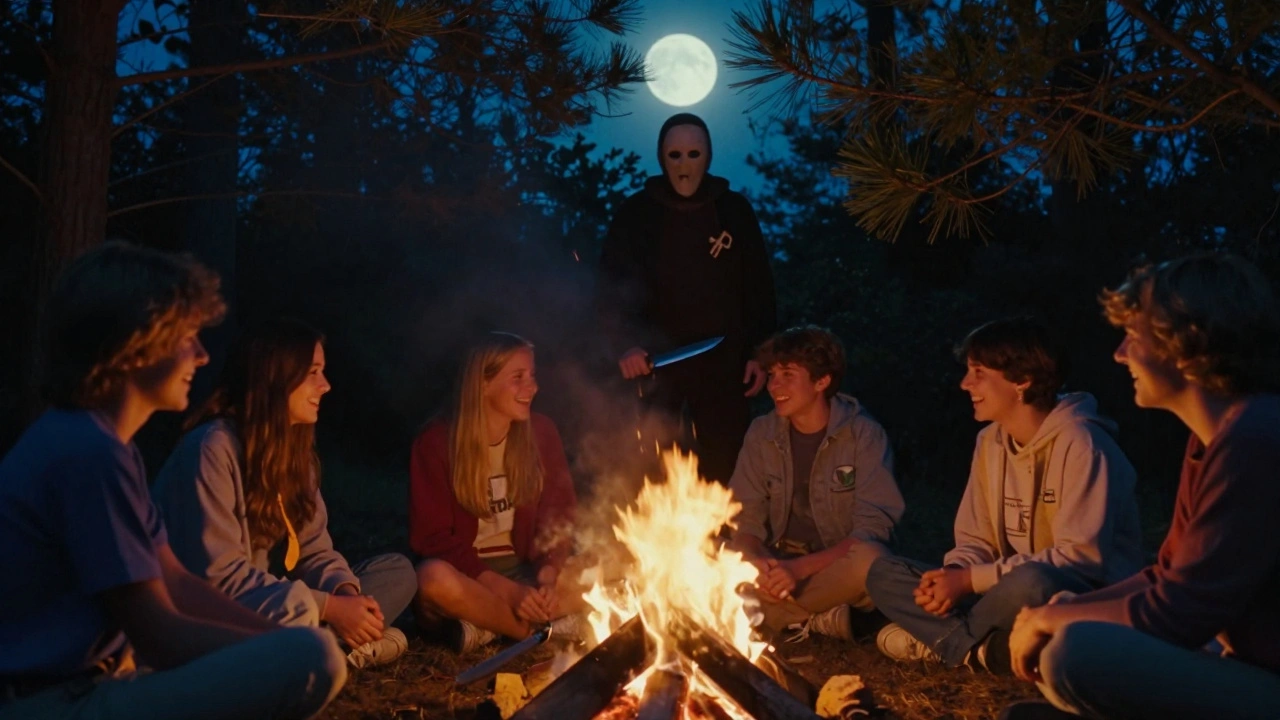
To understand the Slasher Subgenre, we have to look at the anatomy of these films. Every classic slasher follows a blueprint. You have the Antagonist-usually a masked or deformed figure with a traumatic backstory. Then you have the victims, who often serve as cautionary tales. If a character decides to go for a swim or sneak off for a romantic encounter, they're usually the first to go. This creates a subconscious contract with the audience: follow the rules, or die.
One of the most critical components is the Final Girl. This isn't just a plot device; it's a character archetype. The Final Girl is usually the most moral, observant, and resilient member of the group. While others are distracted by parties or drugs, she's the one who notices the door is unlocked. Her survival isn't accidental-it's a reward for her caution and strength. This dynamic turned the slasher from a simple murder spree into a battle of wills.
The Roots: From Gothic Horror to the Golden Age
Slashers didn't just appear out of nowhere in the 70s. They evolved from Gothic Horror and the early "shocker“ films. However, the real shift happened with the influence of Alfred Hitchcock. His 1960 masterpiece, Psycho, broke the mold by killing off the lead actress early and introducing a killer who looked like a normal neighbor. It proved that the most terrifying monsters are the ones who blend in.
By the late 70s and early 80s, we entered the Golden Age. This era gave us the "Big Three": Halloween, Friday the 13th, and A Nightmare on Elm Street. These films refined the formula. Halloween introduced the concept of the "boogeyman" in a suburban setting, making the familiar feel dangerous. Friday the 13th leaned into the isolation of the wilderness. A Nightmare on Elm Street took it a step further by moving the action into the dream world, proving that you aren't even safe while you sleep.
| Era | Primary Driver | Typical Setting | Killer Profile |
|---|---|---|---|
| Early/Gothic | Atmosphere/Mystery | Old Mansions/Castles | Mad Scientists/Ghosts |
| Golden Age | Survival/Morality | Camps/Suburbs | Masked Psychopaths |
| Post-Modern | Self-Awareness/Irony | Varied/Meta-spaces | Subversive/Complex |
The Meta Shift: When Slashers Started Laughing at Themselves
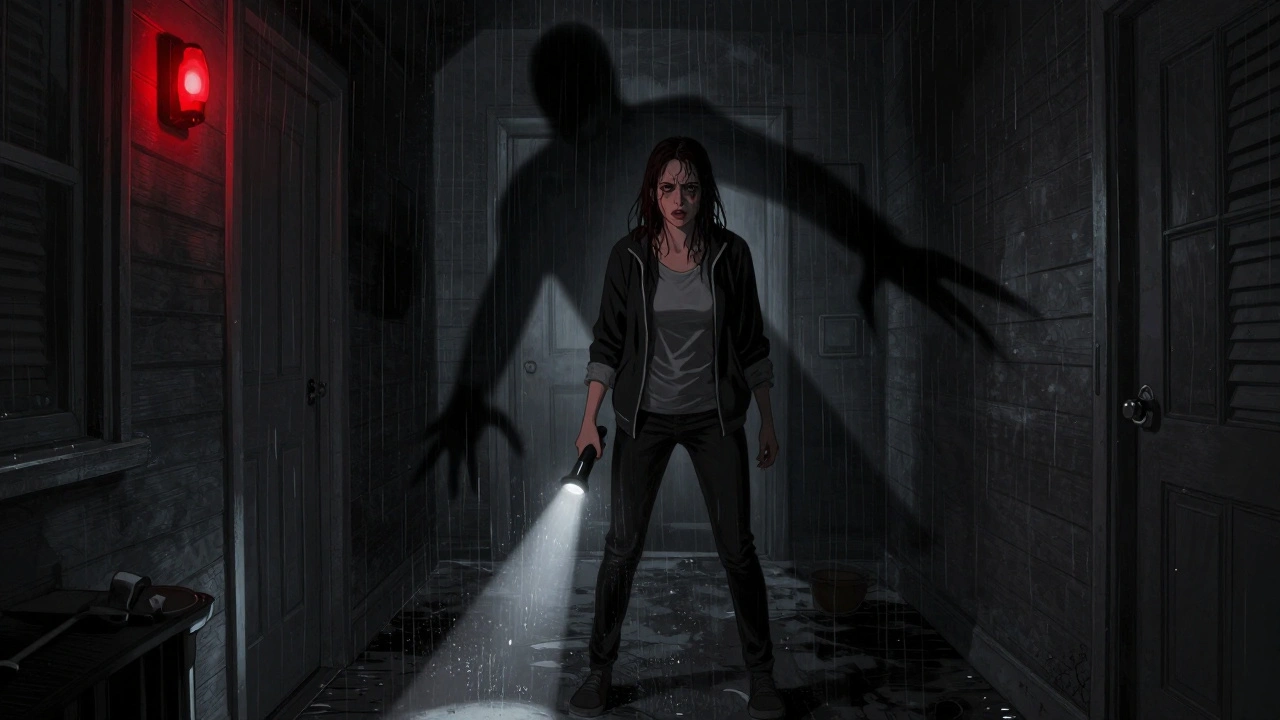
By the 1990s, audiences had seen every trick in the book. We knew the killer was behind the door, and we knew the jock would die first. The genre was stalling until Wes Craven released Scream in 1996. This was a game-changer. Scream didn't just follow the rules; it talked about the rules. The characters in the movie were horror fans who knew they were in a horror movie.
This introduced "Meta-Horror." Suddenly, the thrill wasn't just about whether the character would survive, but whether the movie could outsmart the audience's expectations. It turned the slasher into a puzzle. This era shifted the focus toward Deconstruction, where filmmakers began to tear apart the tropes they had spent decades building. If the Final Girl usually survives because she's "pure," the meta-slasher asks: "What if she's actually the one who planned the whole thing?"
Modern Variations: Social Commentary and the "Elevated" Slasher
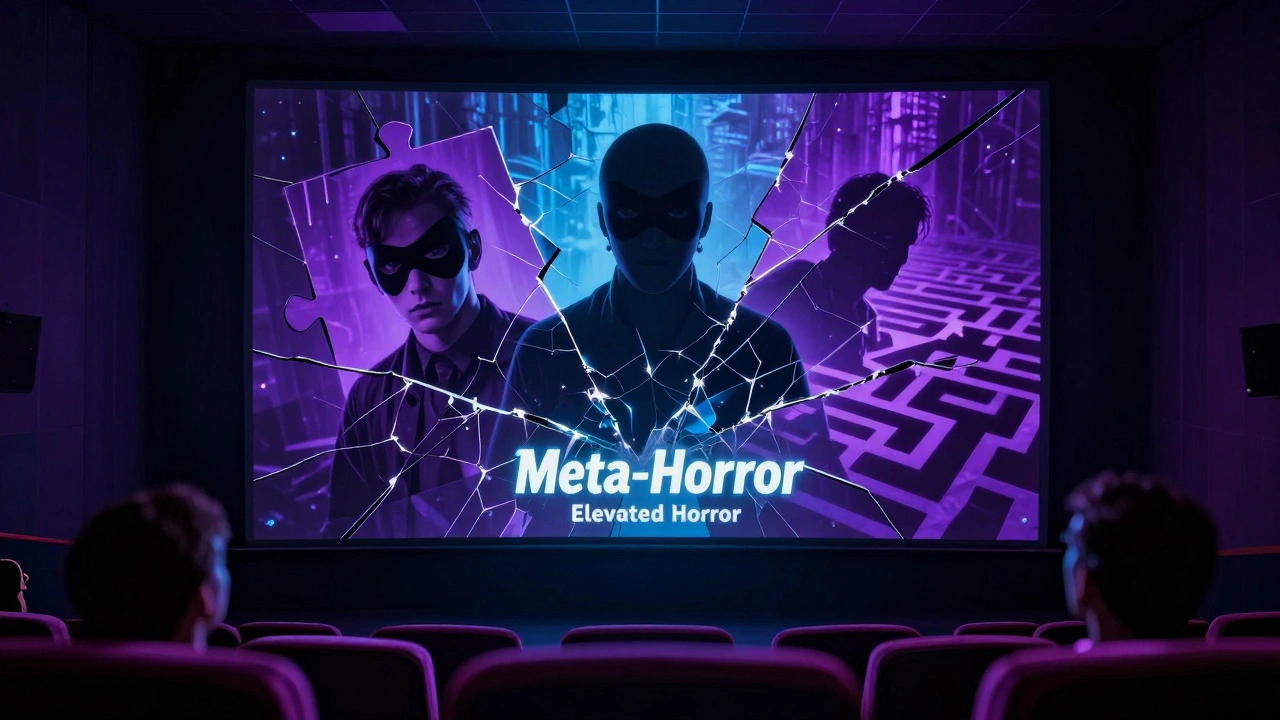
Fast forward to today, and the slasher has morphed again. We are seeing the rise of what critics call "Elevated Horror." This doesn't mean it's "better," but rather that it uses the slasher framework to explore deeper themes like grief, systemic racism, or gender politics. A movie like Get Out uses the tension of a stalker-like atmosphere to critique societal prejudices, while others use the "masked killer" to represent an inescapable trauma.
We've also seen the rise of the "Slasher Comedy" or "Splatterstick." These films lean into the absurdity of the genre. Think of movies where the kills are so over-the-top that they become funny. This variation acknowledges that the slasher has become a cultural shorthand for a certain kind of spectacle. It's less about the fear of death and more about the artistry of the kill.
Why We Still Love Being Chased
You might wonder why we keep returning to a genre that is so predictable. The answer lies in the catharsis. A slasher movie is a controlled environment where we can face our deepest fears-death, isolation, and the unknown-from the safety of a cinema seat. There's something deeply satisfying about the Final Girl finally turning the tables and defeating the monster. It's a victory of intelligence and will over raw, mindless violence.
Moreover, the slasher subgenre has a unique community aspect. Whether it's debating who the "best" killer is or analyzing the cinematography of a long tracking shot through a house, these films spark conversation. They are the campfire stories of the digital age, reminding us that no matter how safe our gated communities feel, there's always something lurking in the shadows.
What is the difference between a slasher and a psychological thriller?
A slasher focuses on a physical threat-a killer using weapons to systematically eliminate a group. The horror is often external and visceral. A psychological thriller, however, focuses on the mental state of the characters. The threat is often internal, ambiguous, or based on gaslighting and perception rather than a physical chase.
Who created the 'Final Girl' trope?
While the archetype appeared in early films like Halloween, the term "Final Girl" was coined by Carol J. Clover in her 1987 essay " and the Final Girl." She analyzed how this character reflects both traditional femininity and a survivalist instinct that allows the audience to identify with the character regardless of gender.
Are slashers still popular in the 2020s?
Yes, but they've evolved. We see a mix of legacy sequels (bringing back old killers like Michael Myers or Ghostface) and new indie interpretations that focus on social issues or high-concept twists, ensuring the subgenre stays fresh for new generations.
What are the most common slasher tropes?
Common tropes include the "wrong turn" (getting lost in a dangerous place), the "jump scare," the "killer's reveal" (where the murderer is finally unmasked), and the "false ending" (where the killer appears to be dead, only to jump up for one last scare).
Why do slasher villains usually wear masks?
Masks serve two purposes: they hide the killer's identity to maintain mystery, and they dehumanize the antagonist. A mask turns a person into an object or a symbol of death, making them far more terrifying because you can't read their emotions or intentions.
What to Explore Next
If you've enjoyed diving into the slasher world, you might want to look into the Folk Horror subgenre, which replaces the masked killer with eerie traditions and isolated cults. Alternatively, exploring the history of Body Horror will show you how filmmakers use the human form itself to create terror, moving away from the "chase" and into the visceral discomfort of physical transformation.




Comments(6)