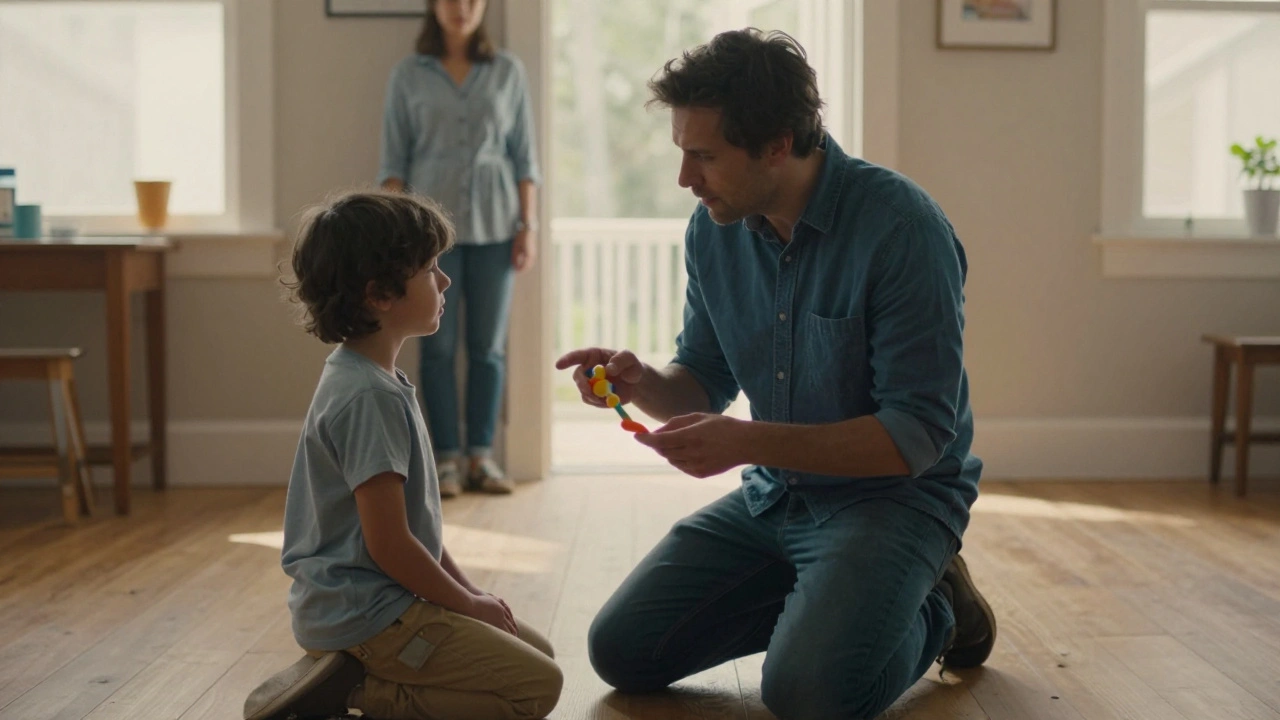
You know that moment when a scene feels electric, raw, and completely unscripted? That's usually where the magic happens. But achieving that level of authenticity with professional actors requires training, and getting it from a six-year-old or a random bystander is a whole different ballgame.
Directing Children involves managing safety, attention spans, and emotional availability while extracting genuine reactions rather than rehearsed lines. When you step onto a film set, you aren't just capturing images; you are managing a complex ecosystem.
The Mindset Shift: Acting vs. Being
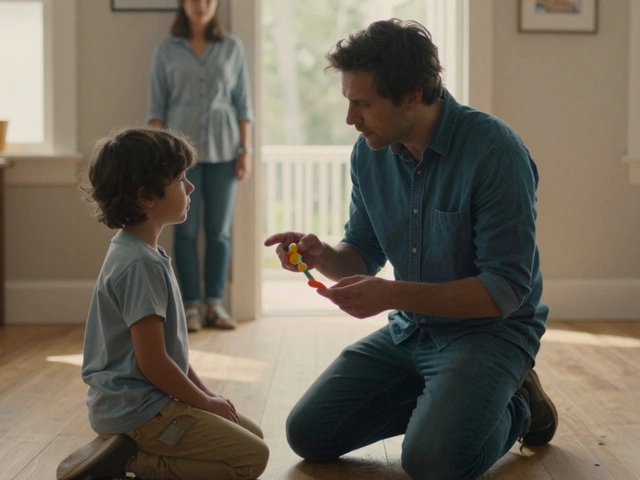
The biggest mistake directors make is treating non-performers like performers. Professional actors know how to take notes on "motivation" and "subtext." A child or a stranger does not speak this language. If you ask a kid to "be angry," they might pout. If you ask them to "pretend your brother broke your toy," they might actually get upset and give you gold on camera.
This approach falls under Naturalism, a style of cinematic realism that prioritizes truthful behavior over technical perfection.
- Avoid technical jargon like "mark," "eye line," or "frame edge."
- Speak in action terms: "Walk over there to grab the cup."
- Focus on the activity, not the performance.
When the subject stops thinking about the camera, they stop performing. The goal is to make the interaction feel like something happening between people, not an act happening for an audience.
Building the Safe Environment
Safety isn't just about physical hazards. For non-actors, psychological safety is the priority. You need to establish trust before the first light is turned on. This means spending time on the Set Preparation phase ensuring the environment feels inviting, not clinical.
For children, this often involves keeping guardians close. A guardian isn't just for paperwork; they are the anchor. If a child looks worried, they check their parent. If the parent relaxes, the child relaxes. You must brief the parents beforehand so they understand that stepping in to help with the action ruins the shot, but standing by provides security.
Wardrobe continuity becomes tricky here. Kids move differently than adults. They scratch, sweat, and spill things. Unlike a pro who can reset their position perfectly five times, a child changes posture every few minutes. Plan to do fewer takes with more coverage. Capture the energy first, then worry about the exact eyeline later in post-production.
Technical Adjustments for Spontaneity
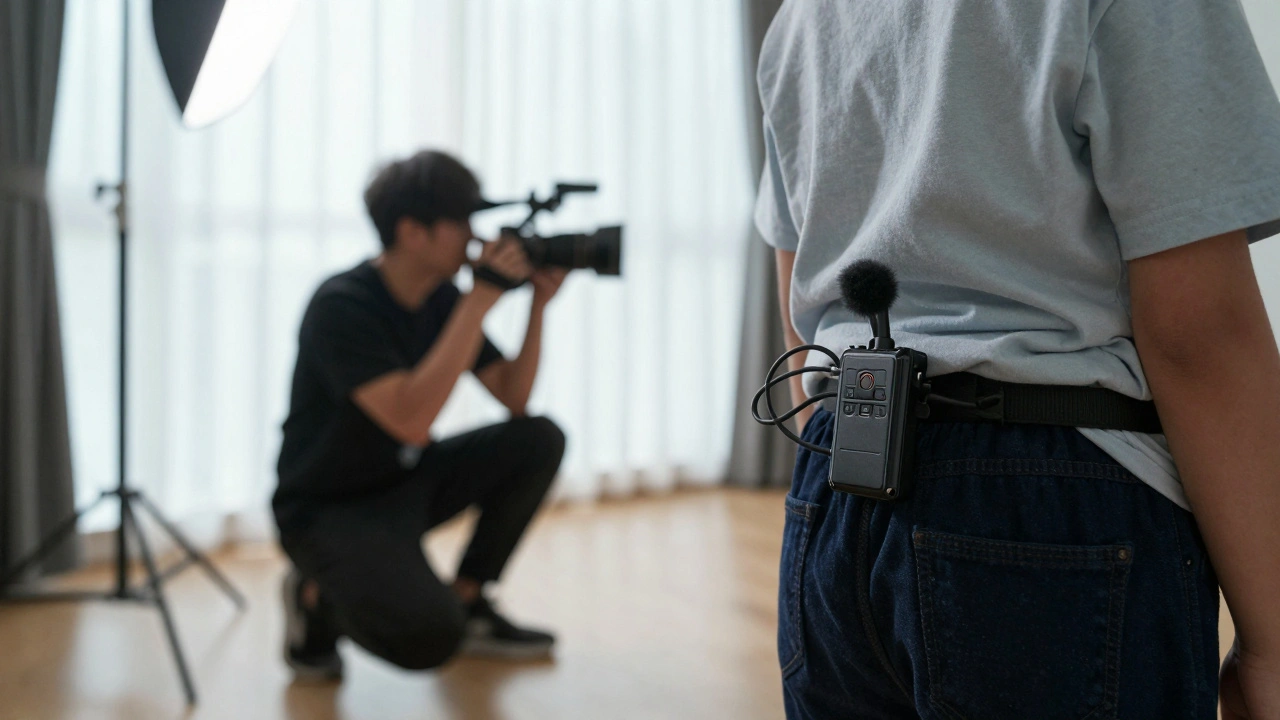
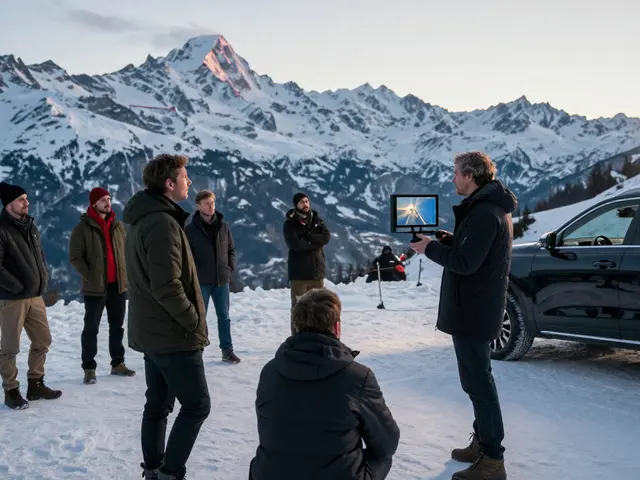
Your gear needs to work for the talent, not the other way around. Long setups kill spontaneity. When working with Non-Actors, the Camera Crew must be invisible.
Consider these adjustments:
- Use wireless lavalier microphones to allow movement without wires.
- Employ available light whenever possible to reduce setup time.
- Keep lenses wider so slight movements don't throw focus off.
The Sound Recorder plays a massive role. Background noise from nervous breathing or rustling costumes is less forgiving when you're asking someone to stay silent for a monologue. Instead, let them talk while doing a task. Have them fold laundry or clean a window while delivering dialogue. The physical action anchors them in reality.
| Aspect | Professional Actors | Children/Non-Actors |
|---|---|---|
| Instructions | Technical & Emotional | Action-Oriented Only |
| Takes Required | High Volume | Low Volume (Fatigue) |
| Pacing | Fast Turnaround | Frequent Breaks |
| Continuity Focus | Strict Adherence | Energy & Emotion Priority |
Managing Attention Spans and Energy
You are fighting biology. Children have lower blood sugar tolerance and shorter focus windows. A scene that takes ten minutes to explain might take thirty to execute. The trick is the Rehearsal Structure.
Don't run lines repeatedly. It sounds stale. Instead, play games. Turn the blocking into a game of tag or hide-and-seek. The movement pattern stays the same, but their brains think they are playing. This preserves the freshness of the reaction.
If you notice their energy dipping, stop immediately. Pushing through results in crying, blank stares, or bad audio. Reschedule difficult emotional scenes for the morning. Late afternoon shoots are notorious for meltdowns, especially for anyone under twelve years old.
Legal and Ethical Considerations
You cannot ignore the law. Even in documentary-style projects, if money exchanges hands, labor laws apply. In the US, strict guidelines govern Child Labor Laws for media production.
Key requirements include:
- On-set welfare worker (sometimes called a "studio teacher").
- Limits on working hours based on age.
- Mandatory education time during the day.
- Governed permissions from parents or legal guardians.
In many jurisdictions, you need a permit specifically for filming minors. Never improvise this. Check local regulations regarding Work Hours and privacy consent. If you film a recognizable face without permission in a public setting, you could face legal trouble. Always prioritize consent forms.
Editing and Post-Production Reality
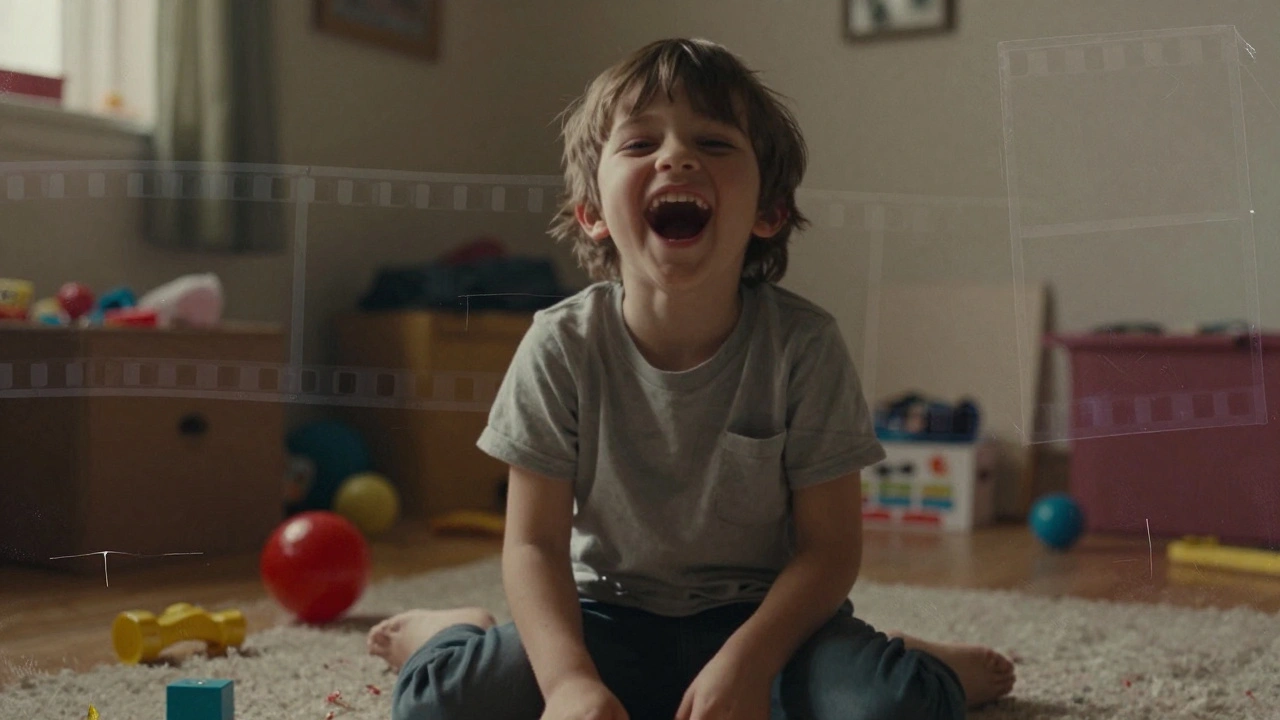
What you shoot determines what you build. When editing footage from non-actors, you cannot always splice two perfect takes together because the eye-line shift will be obvious. The editor needs to see the full flow of energy.
Often, the director has made promises to producers about length or specific plot points that the non-actor didn't deliver clearly. Leave room in the script for gaps. Voice-over narration is a powerful tool to fill holes left by natural improvisation. Don't force the actor to repeat a fact they already said naturally once. Find the truth in the raw take.
Wrapping Up the Shoot
The ending matters as much as the start. Thank the family, give feedback, and release them from the "character" of the job. Tell them explicitly that they are done. If you don't, they may linger waiting for "more." For children, leave them with a small treat or a high-five. It builds goodwill for future projects.
Authenticity is expensive in time, but cheap in emotion. The cost is patience. If you invest that patience, you get a piece of art that feels real, which is exactly what audiences crave in modern cinema.
What age is appropriate for directing children?
There is no hard minimum age, but generally, children over three can follow simple directions. Legal restrictions usually kick in for paid work around age six in major film markets like Hollywood. Always consult local labor laws regarding minors.
Should I tell the child exactly what to say?
No. Give them the idea of the emotion or action, not specific words. Verbatim instructions lead to robotic recitation. Ask them what they would say in that situation and use that version.
How do I handle a crying non-actor?
If it's a genuine emotion needed for the scene, keep rolling! Often the tears look fake when acted, but real tears look incredibly authentic. If they are crying from distress unrelated to the scene, cut immediately and comfort them.
Is it okay to film strangers without contracts?
It depends on usage. Public filming for news or documentaries often has looser rules, but commercial use requires signed model releases. Without a contract, you cannot guarantee exclusive rights to the image.
Can I use toys as props for children?
Yes, this is highly recommended. Toys provide distraction and comfort. Just ensure the prop matches the historical period or aesthetic of your film to avoid breaking the illusion.


Comments(7)