Have you ever watched a movie and felt like you could actually walk into the scene? Maybe it was the cluttered desk of a detective in a noir thriller or the sterile, white corridors of a futuristic hospital. You didn’t just see those places; you felt them. That’s not magic. It’s production design, the art of creating physical environments that support the story, characters, and tone of a film.
Most audiences don’t notice production design until it fails. If a period piece feels wrong, if a sci-fi world looks cheap, or if a character’s home doesn’t match their personality, the immersion breaks. Production designers are the architects of this immersion. They decide what the camera sees before the actors even step on set. In this guide, we’ll break down how these professionals build worlds with intent, from the first sketch to the final paint stroke.
The Role of the Production Designer
The production designer is the head of the art department who oversees the visual look of the film works closely with the director and the cinematographer. While the director focuses on performance and pacing, and the cinematographer handles light and camera movement, the production designer controls space, color, texture, and objects. Think of them as the visual storyteller for the environment.
Every decision starts with the script. A production designer reads the screenplay looking for clues about time, place, mood, and character. Is the protagonist lonely? Their apartment might be sparse and cold. Are they chaotic? Expect messy shelves and scattered papers. These choices aren’t random. They’re intentional reflections of internal states made external through physical space.
In big-budget films, the production designer manages teams of artists, carpenters, painters, and decorators. On smaller projects, they might do much of the work themselves. Regardless of scale, their job is to create a cohesive visual language that serves the narrative without distracting from it.
From Script to Sketch: The Creative Process
The journey begins long before construction starts. After reading the script, the production designer meets with the director to discuss vision. This conversation shapes everything-from the palette of colors to the style of architecture. Some directors have very specific ideas; others leave room for creative interpretation.
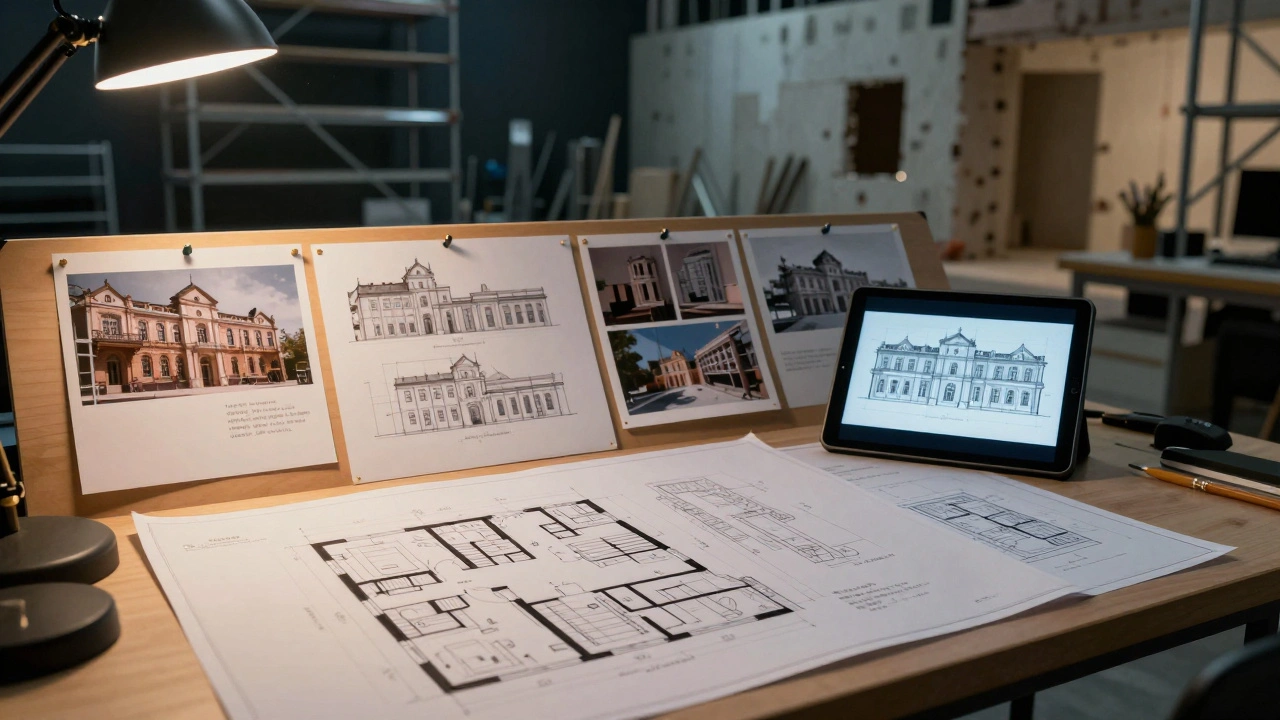
Next comes research. For historical dramas, this means studying photographs, paintings, and existing structures from the era. For science fiction, it involves imagining plausible futures based on current technology trends. Mood boards, reference images, and concept sketches help communicate ideas to the team.
Once the general direction is clear, detailed drawings begin. Floor plans show where walls go, how rooms connect, and where cameras will shoot. Elevation drawings illustrate what each wall looks like-windows, doors, textures, finishes. These blueprints become the foundation for building sets.
Building Sets: From Blueprint to Reality
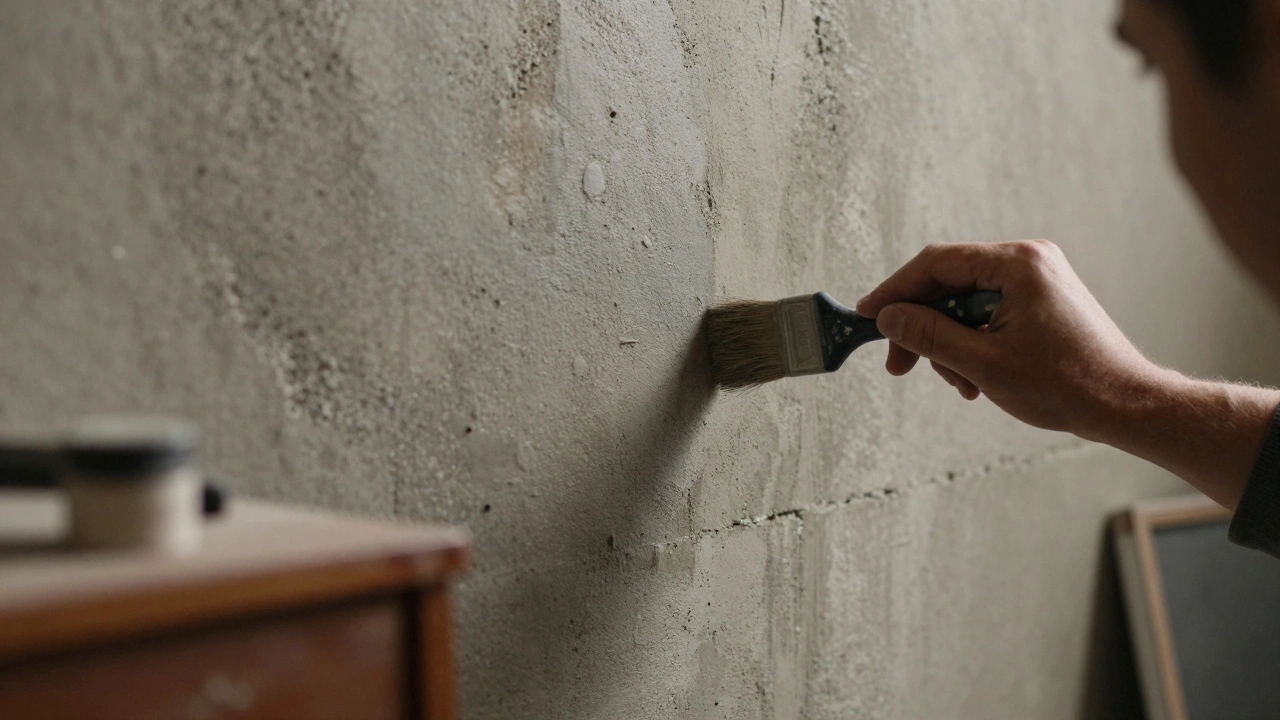
Set construction happens in stages. First, rough frames are built using wood or metal scaffolding. Then, surfaces are added-drywall, plaster, concrete panels-depending on the desired finish. Painters apply base coats and details, often hand-painting weathering effects to make new materials look old.
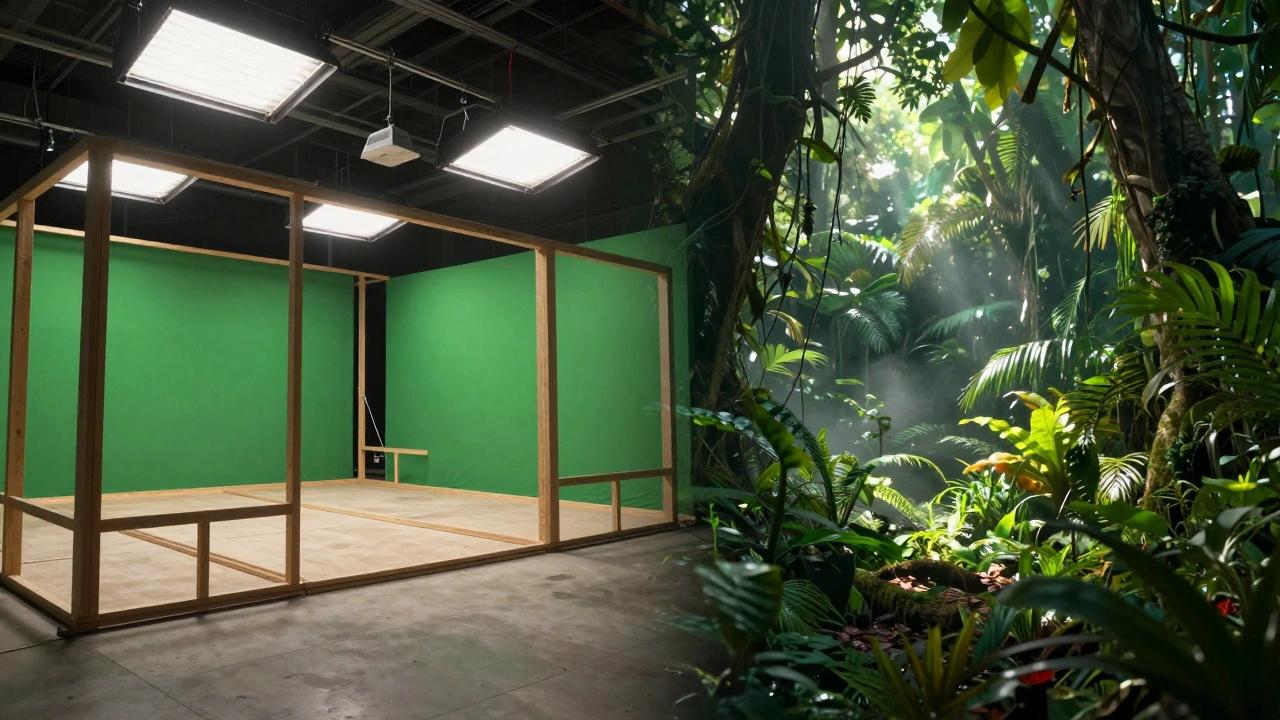
For exterior shots, temporary facades may be erected around real buildings or entirely fabricated on soundstages. Green screen backgrounds allow digital extensions later, but practical elements still need to feel authentic under close-up lenses.
Lighting considerations influence set design too. Windows must align with natural light sources unless artificial lighting will dominate. Reflective surfaces can cause unwanted glare, so matte finishes are often preferred unless shine adds character.
Color Psychology and Visual Tone
Colors evoke emotions. Warm tones suggest comfort or nostalgia, while cool hues imply detachment or tension. A hospital scene lit in pale blues feels clinical and impersonal. A cozy café bathed in amber light invites warmth and intimacy.
Production designers use color palettes strategically throughout a film. Early scenes might feature bright, saturated colors reflecting optimism, then gradually shift toward muted grays as conflict escalates. This subtle progression reinforces emotional arcs without words.
Consistency matters. If one room uses earthy browns and another nearby features neon pinks, the audience senses dissonance unless there’s a reason for the contrast. Cohesion keeps viewers immersed in the world being presented.
Props and Set Dressing: Details That Speak Volumes
Props (short for properties) include handheld items actors interact with-phones, weapons, books. Set dressing refers to background elements that fill spaces-furniture, curtains, plants, artwork. Together, they add layers of realism and personality.
A cluttered bookshelf tells us someone loves literature. An empty fridge suggests neglect or poverty. Even small touches-a coffee stain on a table, a cracked photo frame-can hint at backstory without exposition.
Historical accuracy requires careful sourcing. Vintage clothing, antique furniture, and era-specific appliances must match the timeline precisely. Authenticity builds credibility, especially when filming locations resemble real-world equivalents.
Collaboration Across Departments
Production design doesn’t happen in isolation. It intersects with costume design, makeup, hair styling, special effects, and post-production. Coordination ensures all visual elements harmonize rather than clash.
Costume designers coordinate fabric textures and patterns with set decor. Makeup artists ensure skin tones complement surrounding colors. Special effects integrate seamlessly with physical sets, whether adding rain, fire, or explosions digitally or practically.
Post-production enhances initial designs through grading and compositing. Colors get adjusted during editing to maintain consistency across different shooting conditions. Digital tools extend limited sets into vast landscapes, blending practical and virtual components effortlessly.
Budget Constraints and Creative Solutions
Not every project has unlimited resources. Independent films often operate on tight budgets, forcing production designers to think creatively. Instead of constructing entire cities, they focus on key areas visible within the frame. Reusing sets between scenes saves money and time.
Practical tricks include painting backdrops instead of building full walls, using mirrors to double space visually, or angling cameras to hide unfinished sections. Lighting plays a crucial role here-strategic shadows conceal imperfections while highlighting important details.
Even blockbuster productions face limitations. Weather delays, material shortages, or last-minute script changes require quick adaptations. Flexibility becomes essential when plans shift unexpectedly mid-shoot.
| Element | Purpose | Examples |
|---|---|---|
| Set Construction | Create physical environments | Walls, floors, ceilings |
| Color Palette | Evoke emotion and tone | Warm yellows vs. cool blues |
| Props & Dressing | Add realism and character depth | Furniture, decorations, personal items |
| Lighting Integration | Enhance mood and visibility | Natural windows, practical lamps |
| Digital Extensions | Expand beyond physical limits | Green screens, CGI additions |
Trends in Modern Production Design
Technology continues reshaping how worlds are created. Virtual scouting lets teams explore potential locations remotely via 3D models. Real-time rendering previews let directors preview shots before committing to expensive builds.
Sustainability also influences modern practices. Eco-friendly materials reduce waste, and modular sets reuse components across multiple projects. Carbon footprints matter increasingly as studios adopt greener policies.
Streaming platforms demand higher volume output, pushing efficiency innovations. Faster turnaround times mean streamlined workflows, yet quality standards remain high due to global competition.
What does a production designer do?
A production designer creates the overall visual appearance of a film, including sets, locations, props, and color schemes. They collaborate with directors and other departments to ensure the environment supports the story.
How is production design different from art direction?
Art direction typically refers to managing day-to-day operations under the production designer. While the designer sets the creative vision, the art director executes it by supervising crews and ensuring timelines are met.
Why is color important in production design?
Color affects mood and perception. Specific palettes reinforce themes, highlight character traits, and guide viewer attention. Consistent coloring maintains immersion and strengthens storytelling.
Can low-budget films achieve great production design?
Yes. Creativity compensates for limited funds. Focusing on selective detail, reusing assets, and leveraging lighting techniques allows impactful results even with minimal spending.
What skills should aspiring production designers develop?
Drawing ability, spatial awareness, knowledge of history/architecture, software proficiency (CAD, Photoshop), teamwork, problem-solving, and strong communication abilities form the core skillset needed.