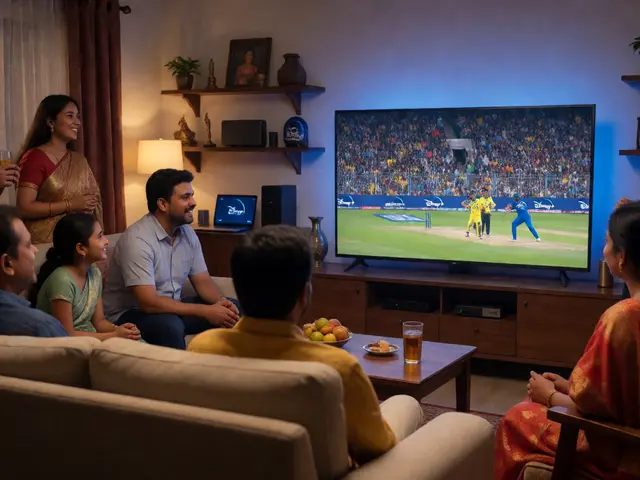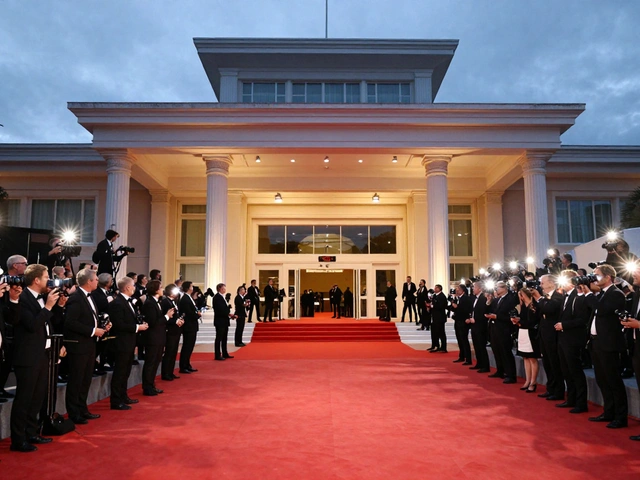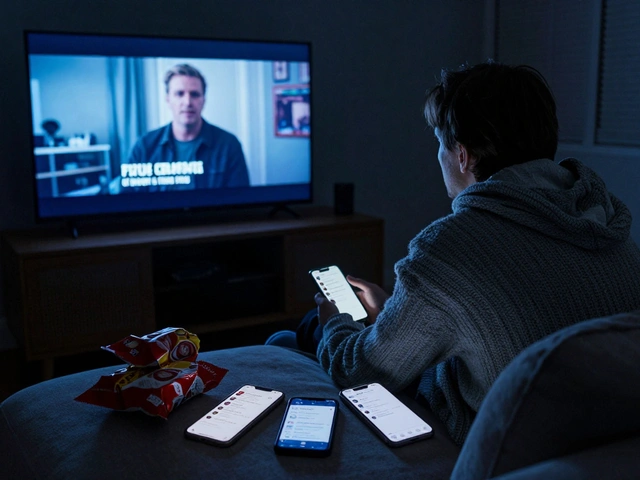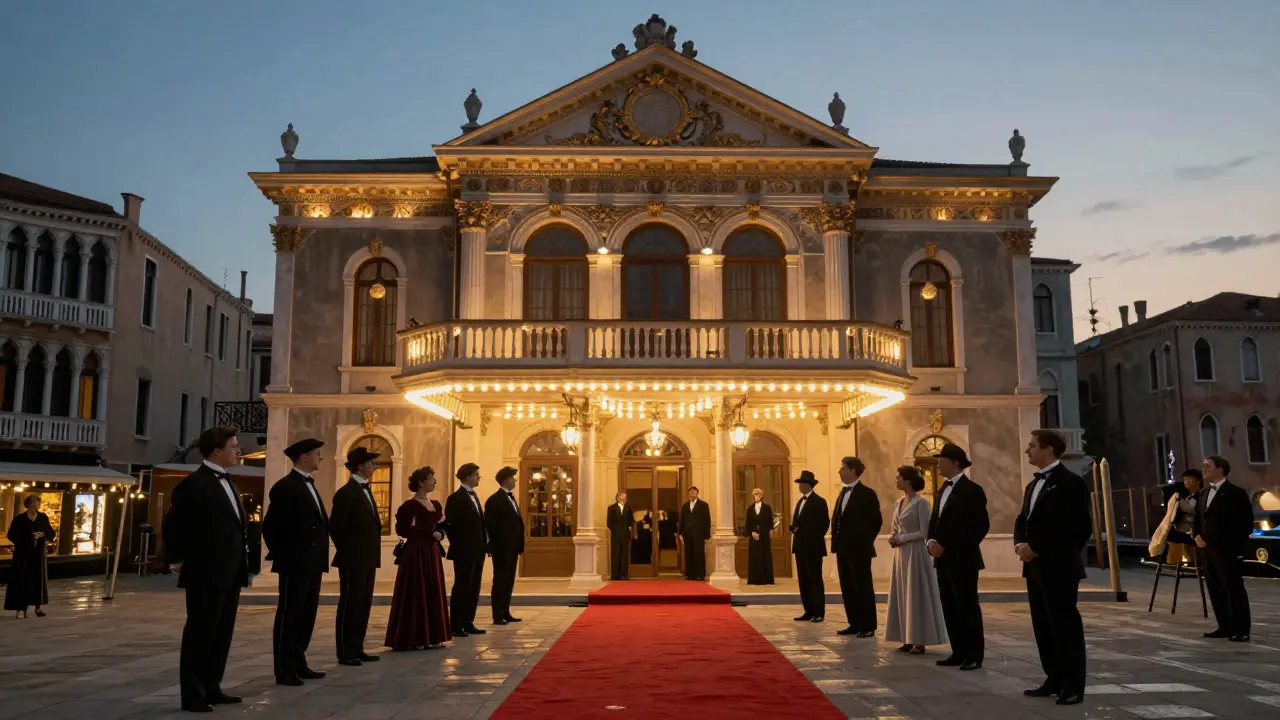
Imagine a world where the only way to see a new movie was to stand in line at a theater that opened once a week. That reality vanished decades ago, but the spirit of gathering to watch cinema together didn't die-it evolved. Film festivals are organized events where films are screened for industry professionals and audiences, serving as launchpads for distribution, awards, and cultural discourse. They started as local showcases and grew into global powerhouses that dictate what gets made and who gets seen. The journey from the red carpets of Venice to your living room screen is not just about technology; it's about access. You might wonder how a competition held on an island in Italy became the standard for global cinema. The answer lies in a mix of prestige, politics, and the relentless push of digital media. This guide breaks down that transformation, showing you exactly how these events shape the industry you consume today.
The Birth of Prestige: Venice and the Early Days
It all kicked off in 1932 with the Venice International Film Festival, also known as the Mostra del Cinema di Venezia. It wasn't just a movie screening; it was a political move by Mussolini's regime to showcase Italian culture to the world. The first film shown was Wings, a silent epic from Hollywood. This set a precedent: international recognition mattered more than local box office numbers.
For years, Venice was the only major player. Directors traveled there hoping for a nod from critics or a deal with a distributor. The atmosphere was exclusive, almost secretive. If you weren't invited, you didn't get in. This exclusivity created a halo effect. A film premiering in Venice was automatically considered "serious" cinema. It wasn't until the 1940s and 50s that other cities began to challenge this monopoly, but Venice kept its crown as the oldest and most prestigious award-giving event in the West.
Cannes Enters the Arena: The Rise of Competition
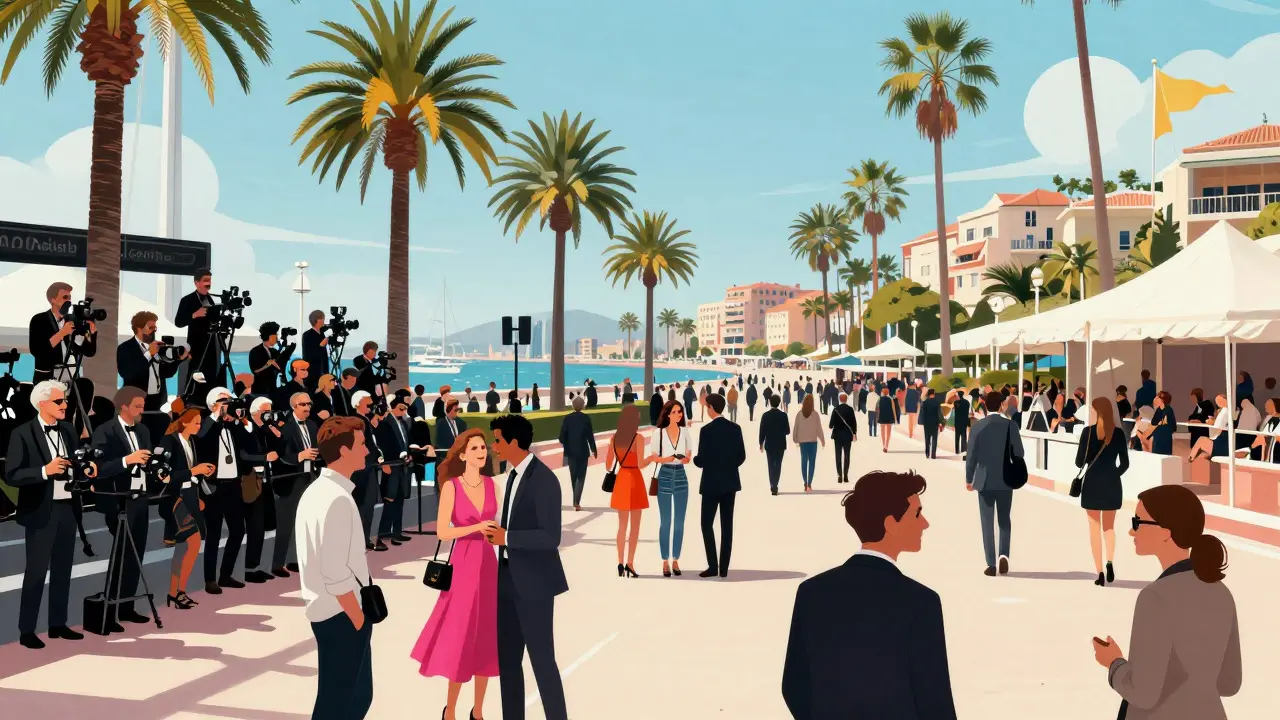
In 1946, France launched the Cannes Film Festival (Festival de Cannes). Unlike Venice, which had a strong nationalistic flavor initially, Cannes aimed to be neutral ground for post-war Europe. It quickly outgrew its host city, becoming the primary market for European art house films. The Palme d'Or, introduced later, became the most coveted prize in cinema, rivaling the Oscar in terms of career impact.
Cannes changed the game by mixing art and commerce. While Venice focused on history and prestige, Cannes focused on the "new wave" and contemporary trends. Filmmakers like Godard and Truffaut used Cannes to break rules. The festival became a place where risk was rewarded. If you wanted to be part of the next big movement, you went to Cannes. This shift moved the center of gravity away from pure tradition toward innovation, setting the stage for other festivals to find their own niches.
Sundance and the Independent Spirit
While Europe dominated the high-end market, the United States was developing its own identity through independent cinema. The Sundance Film Festival, founded in 1978 in Utah, started as a small gathering of low-budget films. It was originally called the U.S. Film Festival. After Robert Redford got involved and renamed it after his character in Butch Cassidy and the Sundance Kid, it gained massive visibility.
Sundance proved that you didn't need a studio budget to make a hit. Films like El Mariachi and Boogie Nights found their audiences here. The festival became the gateway for independent directors to meet distributors. Today, if a film plays at Sundance, it’s often pre-sold before the credits roll. This model inspired similar events worldwide, creating a tiered system where different festivals cater to different types of cinema, from arthouse to genre-specific niches.
The Digital Shift: From Celluloid to Cloud
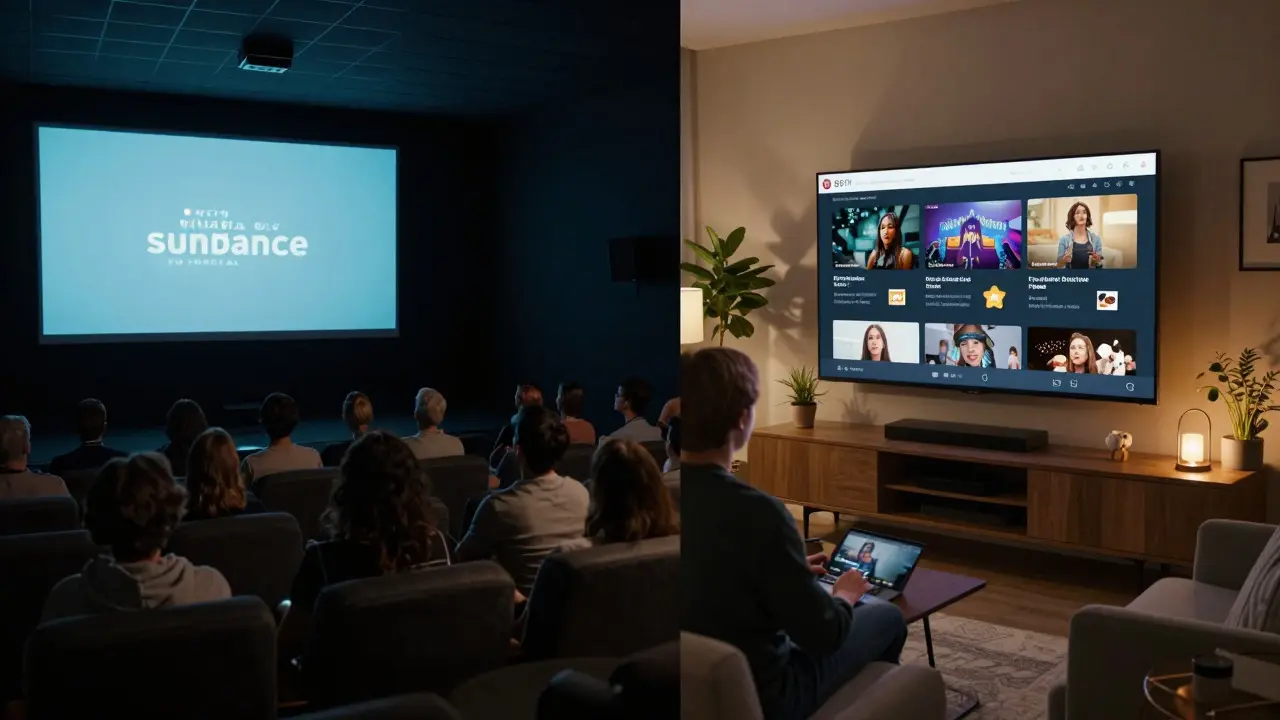
For nearly a century, the physical print was king. Distributors bought rights based on seeing a film on a big screen in a specific theater. But the rise of digital projection in the early 2000s changed the logistics. Then, the internet changed everything. Before the pandemic, virtual screenings were rare exceptions, usually reserved for educational purposes or niche documentaries. Audiences expected the communal experience of a darkened room.
The year 2020 forced a rapid adaptation. With theaters closed, festivals had to pivot or cancel. Virtual film screenings became the norm overnight. Platforms like MUBI and Vimeo hosted curated streams. Critics adapted their methods, writing reviews while watching on laptops. The question wasn't whether virtual would work, but whether it could replicate the magic. The answer was mixed. While convenience increased, the shared energy of a live audience was lost. However, this period accelerated the acceptance of hybrid models, allowing fans in remote areas to access content they previously couldn't afford to travel for.
Comparing the Giants: How They Differ
To understand the landscape, it helps to look at how the major players differ in focus and outcome. Each festival serves a distinct purpose within the global ecosystem. Here is a breakdown of the key differences between the three most influential events.
| Festival | Location | Primary Focus | Key Outcome |
|---|---|---|---|
| Venice | Italy | Prestige & History | Early Oscar buzz |
| Cannes | France | Art House & Innovation | European distribution deals |
| Sundance | USA | Independent & Low Budget | US domestic sales |
This table highlights why a director chooses one over the other. A big studio blockbuster rarely goes to Sundance because the audience size is too small for marketing purposes. Conversely, a gritty indie drama might struggle to get attention at Cannes if it doesn't fit the "art house