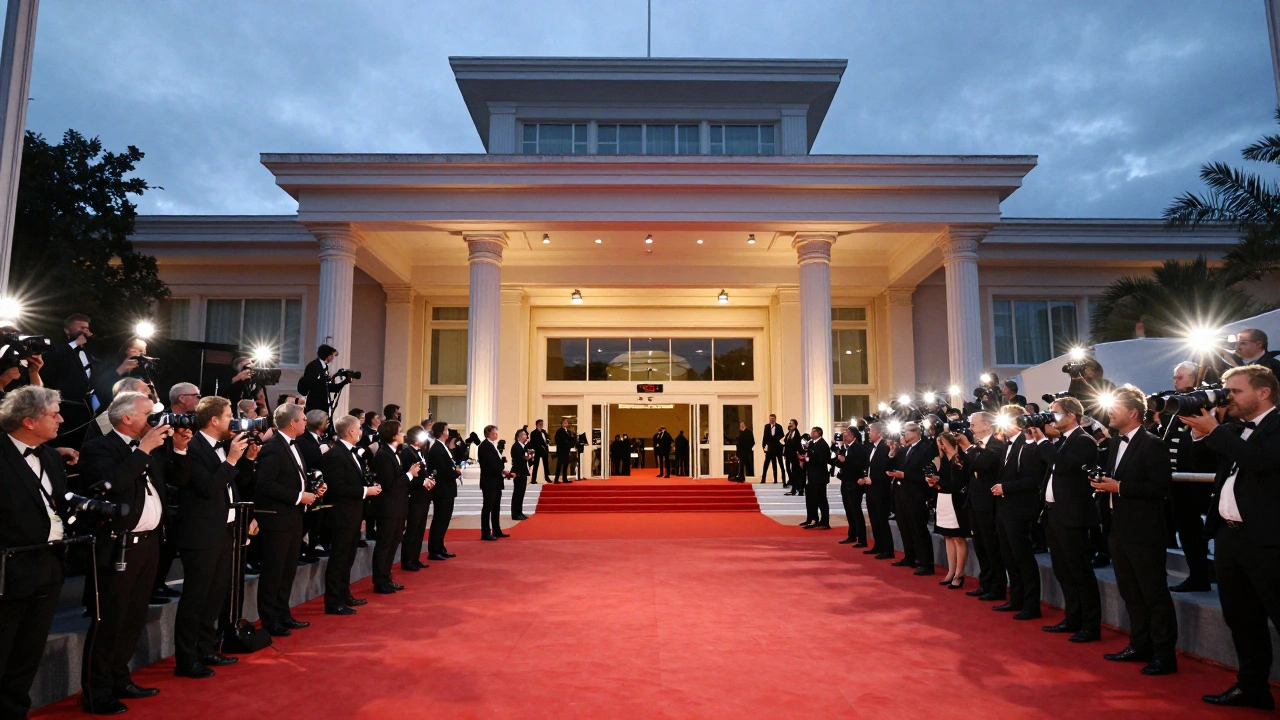
Ever wonder why some brilliant soundtracks get ignored while others, perhaps less memorable ones, walk away with a trophy? It isn't just about the notes on the page. Winning an award is a game of positioning, timing, and narrative. Whether you're a composer fighting for a spot in the awards strategy race or a producer trying to elevate your film's profile, you have to treat the campaign as an extension of the art itself.
Key Takeaways for Music Awards
- The "Narrative" matters as much as the music; you need a story about why this score is essential.
- Early festival wins create the momentum needed for the Academy Awards.
- Strategic placement of original songs in trailers can drive voter recognition.
- Direct outreach to guild members is more effective than generic billboards.
The Psychology of the Voter
To win, you first have to understand who is voting. In the case of the Academy Awards, you aren't just appealing to music experts, but to a broad group of filmmakers. They remember how a score made them feel during a specific scene rather than the complexity of the orchestral arrangement.
A common mistake is focusing purely on technical mastery. While a complex fugue is impressive, voters gravitate toward "emotional utility." If the music tells the story that the dialogue couldn't, it becomes a contender. This is why scores that integrate seamlessly with the sound design often perform better than those that feel like a separate concert piece playing over the images.
Mapping the Award Season Timeline
You can't just drop a movie in December and expect a win. The road to the Oscars starts months, sometimes a year, earlier. The goal is to build a "snowball effect" where each small win leads to a bigger one.
Starting at festivals like Sundance or Venice Film Festival allows a score to gain critical prestige. When a critic writes that the music is "haunting" or "groundbreaking," that adjective sticks in the minds of voters. By the time the film hits wide release, the industry already perceives it as an "awards movie."
| Phase | Primary Goal | Key Action |
|---|---|---|
| Festival Run | Critical Buzz | Secure positive reviews focusing on the sonic identity. |
| Guild Season | Peer Recognition | Target the Composers Guild for early nominations. |
| The "For Your Consideration" (FYC) Push | Voter Awareness | Distribute curated playlists and highlight reels. |
| Final Voting | Conversion | Direct outreach and emotional storytelling. |
Strategies for Original Songs
Original songs are a different beast. Unlike a score, which is a constant presence, a song is a singular event. The challenge is visibility. If a song only appears once in a two-hour movie, the risk of it being forgotten is high. This is where Music Supervision becomes a strategic weapon.
The most successful songs are those that live outside the film. Think about the power of a hit single that plays on the radio or goes viral on social media. When a song becomes a cultural touchstone, voters feel they "know" the song, which lowers the barrier to voting for it. Using the song in the theatrical trailer is a non-negotiable step; it prepares the audience and the industry for the song's arrival.
Another tactic is the "meaningful tie-in." If the song's lyrics mirror the film's core theme perfectly, it becomes an indispensable part of the movie. When the song is the emotional climax of the story, it's no longer just a track-it's a plot point. That's the kind of work that wins awards.

The Art of the FYC Campaign
"For Your Consideration" (FYC) campaigns are often seen as corporate fluff, but for music, they are essential. Music is an invisible art; you have to make it visible. You can't just send a link to the movie; you need to curate the experience.
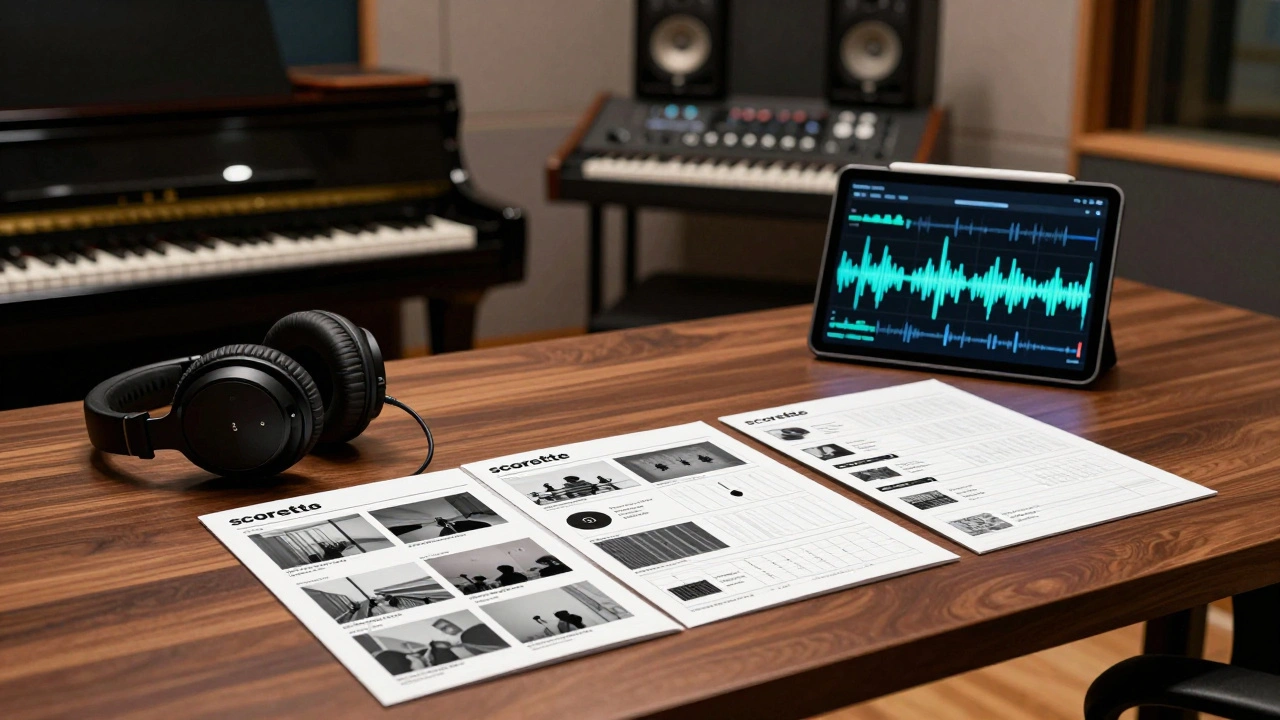
Create "Scorettes"-short, 60-second clips that pair a powerful musical moment with the corresponding scene. This reminds the voter exactly why the music worked. Avoid sending the full album as a primary tool; voters are busy. They won't listen to a 90-minute score, but they will watch three curated clips that showcase the range of the composition.
Personalized outreach is where the real work happens. A handwritten note or a personal email from the composer to a fellow guild member carries more weight than a full-page ad in Variety. It's about building a community of peers who respect the craft.
Avoiding Common Campaign Pitfalls
One of the biggest mistakes is over-campaigning. There is a fine line between "reminding" voters and "annoying" them. If every single social media post from a studio is about an Oscar push, voters may subconsciously rebel against the perceived desperation.
Another pitfall is ignoring the Sound Mixer. The score doesn't exist in a vacuum; it exists within a mix. If the music is buried or clashing with the dialogue, no amount of campaigning will save it. Ensure the sonic delivery is flawless in the theatrical and streaming versions, as that's where the voters are actually hearing the work.
Finally, don't ignore the "Underdog" narrative. Sometimes, being the dark horse is an advantage. If you can position the score as a bold, risky choice that challenged traditional tropes, you attract voters who want to feel like they are discovering something new and authentic.
The Synergy Between Score and Song
When a film has both a strong score and a standout original song, they shouldn't compete; they should complement. The most awarded films often have a shared melodic motif-a "theme" that appears in the orchestral score and is then expanded upon in the original song.
This creates a cohesive sonic brand for the movie. It makes the entire musical experience feel intentional. When a voter hears that theme in the score and then hears it again in the song, it creates a subconscious link of quality and consistency. This synergy makes the film a "double threat" in the music categories.
Does a movie need to be a hit to win a music award?
Not necessarily. While a blockbuster provides more visibility, many music awards go to smaller, "prestige" films where the music is more central to the storytelling. The key is the impact the music has on the specific scenes, not the total box office revenue.
How important is the composer's existing reputation?
It's a significant factor. Established names often get a "baseline" of votes. However, a newcomer with a truly innovative sound can disrupt the race if the campaign highlights the freshness and originality of their approach.
What is the best way to promote a song for an award?
The most effective method is integrating the song into the film's marketing (trailers, teasers) and securing a release on major streaming platforms. The more the song exists as a standalone piece of art, the more likely it is to be remembered during voting.
Can a score win if it's mostly electronic or synthetic?
Absolutely. While traditional orchestras were once the gold standard, modern awards now heavily reward innovative electronic scores and hybrid sounds, provided they serve the emotional needs of the film.
When should you start the FYC campaign?
Typically, the push begins after the initial critical reviews are in and just before the guild voting periods start. The goal is to maintain a steady presence without peaking too early or starting too late.
Next Steps for Music Professionals
If you are currently in production, start thinking about your "award moments" now. Identify the 3-4 scenes where the music is doing the heavy lifting and ensure those moments are polished to perfection. For producers, begin building relationships with music supervisors early; they are often the bridge between the creative work and the campaign machinery.
For those in the post-production phase, focus on the distribution of your music. Ensure the soundtrack is available on all major platforms and that you have high-quality clips ready for the FYC push. Remember, the campaign doesn't replace the art-it just ensures the art is actually heard by the people holding the trophies.




Comments(9)