
Netflix used to be the only game in town. You paid your subscription, watched whatever was trending globally, and called it a day. But that monopoly is crumbling under the weight of local relevance. If you live in Mumbai, Beijing, or Seoul, you know that Disney+ Hotstar and iQIYI offer content that Hollywood simply cannot replicate. These aren't just copycats; they are cultural powerhouses tailored to specific linguistic and social realities.
The global streaming landscape has shifted from a one-size-fits-all model to a fragmented ecosystem where local platforms dominate their home markets. This isn't about who has the biggest budget anymore. It's about who understands the viewer best. Let's look at how these regional giants are carving out space against the American giant.
The Rise of Localized Content Over Global Hits
Think about the last time you watched a show that made sense only if you understood the local slang, history, or humor. That’s the sweet spot for regional platforms. While Netflix invests billions in global originals, platforms like Viu in Southeast Asia or JioCinema in India focus on hyper-local narratives. They don't try to appeal to everyone in Ohio and Osaka simultaneously. They aim for everyone in Jakarta or Jaipur.
This strategy works because language barriers are real. Dubbing often strips away nuance. A joke in Mandarin doesn't always land in English subtitles. Regional platforms keep the original audio and context intact, creating a deeper emotional connection with the audience. For instance, when iQIYI releases a historical drama set in the Tang Dynasty, it resonates deeply with Chinese audiences who understand the subtle political references. A dubbed version on Netflix might feel flat by comparison.
| Platform | Primary Market | Key Strength | Content Focus |
|---|---|---|---|
| iQIYI | China, SEA | Massive user base, strong IP library | Dramas, Variety Shows, Anime |
| Disney+ Hotstar | India, SE Asia | Sports rights (Cricket), Bollywood | Live Sports, Movies, Originals |
| Viu | SE Asia, Middle East | Korean Wave (K-Drama) dominance | Korean Dramas, Asian Variety |
| JioCinema | India | Affordable pricing, free tier options | Hindi Cinema, IPL Cricket |
| Netflix | Global | Broad catalog, high production value | Global Originals, Licensed Content |
iQIYI: The Chinese Giant Expanding Its Borders
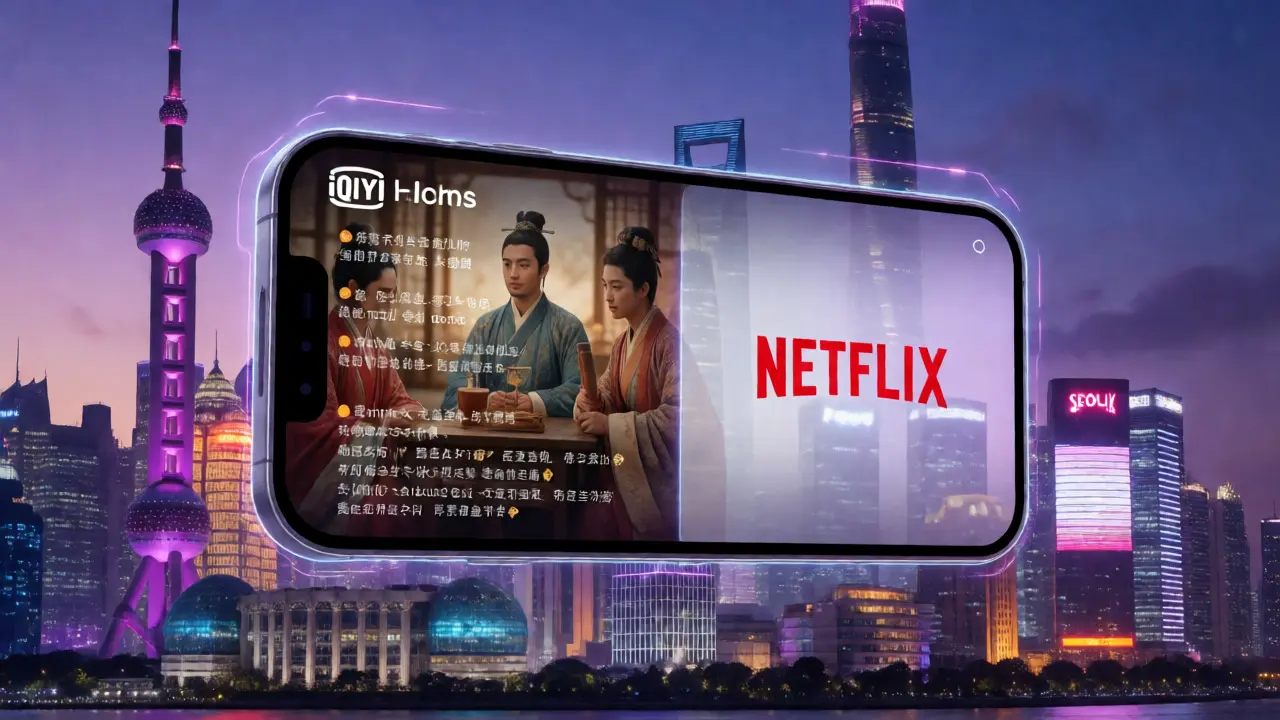
If you think China's tech sector is closed off, look at iQIYI. Often called the "Netflix of China," it operates differently due to strict regulatory environments. But its influence is spilling over borders. iQIYI has aggressively expanded into Southeast Asia, targeting markets like Thailand, Malaysia, and Indonesia. Why? Because these regions share cultural affinities with Chinese media consumption habits.
The platform leverages massive investment in variety shows and historical dramas. Unlike Netflix, which relies heavily on algorithmic recommendations based on viewing history, iQIYI integrates social features directly into the player. You can see bullet comments (danmu) floating across the screen-real-time reactions from other viewers. This creates a communal viewing experience that feels more like watching TV with friends than isolating yourself with a headset.
Financially, iQIYI has turned profitable by focusing on advertising-supported models alongside subscriptions. This dual-revenue stream allows them to undercut competitors on price while maintaining high production values. For international users, this means access to a vast library of Asian pop culture that remains largely inaccessible or poorly curated on Western platforms.
Disney+ Hotstar: Where Sports Meet Cinema
In many parts of the world, sports are the ultimate hook. Disney+ Hotstar mastered this in India and Southeast Asia. By securing exclusive broadcasting rights for major cricket tournaments like the Indian Premier League (IPL), Hotstar didn't just sell subscriptions; it sold necessity. Fans couldn't afford to miss the matches, so they signed up.
Once inside the app, users discovered a robust library of Bollywood films and local originals. This strategy, known as "sports-led acquisition," differs sharply from Netflix's content-first approach. Netflix hopes you'll stay for the drama; Hotstar knows you're there for the game, but stays for the movies. The integration of live sports with on-demand entertainment creates a sticky ecosystem. You watch the match on Sunday, then binge a thriller series on Monday.
Moreover, Hotstar's tiered pricing model caters to different income levels. In markets where disposable income varies widely, offering a mobile-only plan at a lower cost removes barriers to entry. This granularity in pricing is something Netflix has been slow to adopt globally, though they have introduced ad-supported tiers recently.
The Role of Technology and User Experience
It's not just about what you watch, but how you watch it. Regional platforms often optimize for low-bandwidth environments better than their Western counterparts. In countries like India and Indonesia, mobile data costs remain a concern. Apps like JioCinema and MX Player allow aggressive compression without sacrificing too much visual quality, ensuring smooth playback even on 3G networks.
Furthermore, payment methods matter. Credit card penetration is low in many emerging markets. Regional platforms integrate local digital wallets, UPI payments, and carrier billing seamlessly. Trying to sign up for Netflix using a prepaid debit card can sometimes be a hassle compared to scanning a QR code for a local service. This friction-or lack thereof-significantly impacts conversion rates.
User interface design also reflects local preferences. Some apps prioritize discovery through social sharing links rather than personalized rows. In collectivist cultures, seeing what your friends are watching drives engagement more than an algorithm guessing your taste. This human-centric UX design builds community around content.
Navigating Regulatory and Cultural Hurdles
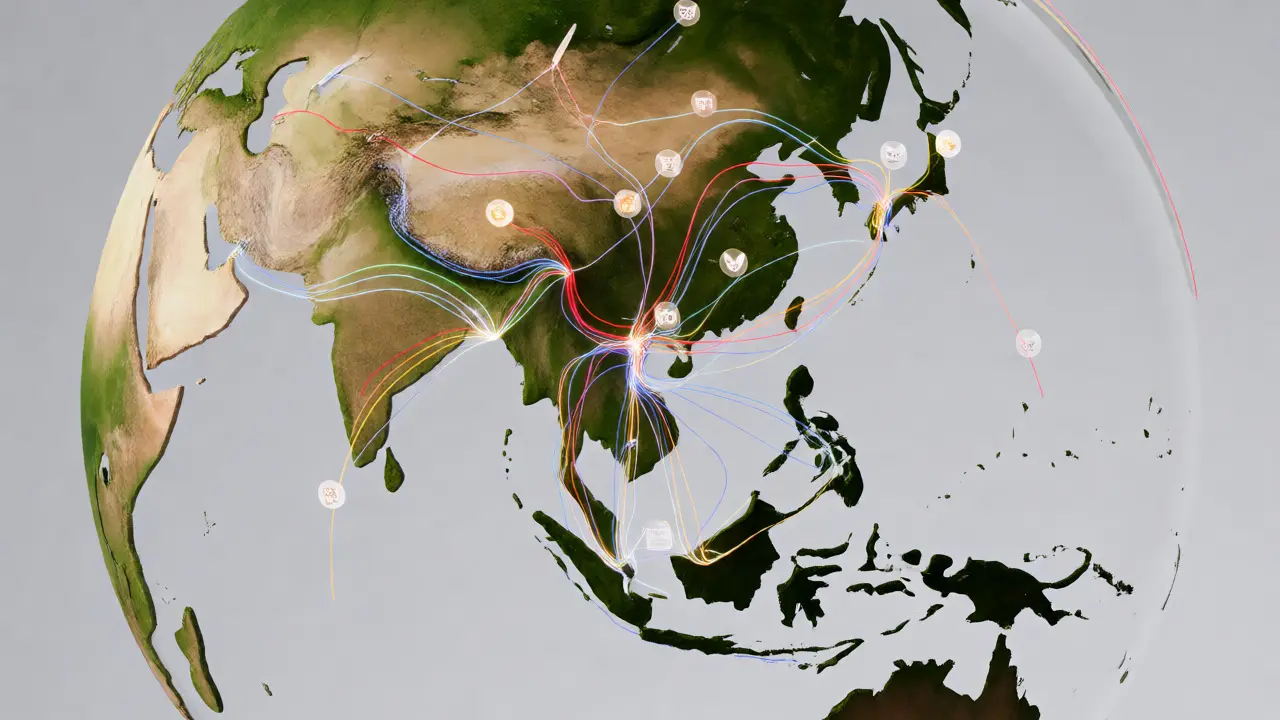
Operating internationally isn't just a business challenge; it's a legal minefield. China's strict censorship laws shape iQIYI's content slate significantly. Scenes are edited, plots adjusted, and themes carefully vetted before release. This affects storytelling depth but ensures compliance. Meanwhile, in Europe, GDPR regulations impact how data is collected and used for recommendations.
Cultural sensitivity is another hurdle. What works in Los Angeles might offend in Riyadh. Regional platforms navigate this naturally because their teams are local. They understand religious holidays, family dynamics, and social taboos. When producing original content, they avoid pitfalls that global studios might stumble into due to distance or assumption.
For consumers, this means authenticity. You get stories told by people who lived those experiences, not interpreted by outsiders. This authenticity drives word-of-mouth marketing, which is far more powerful than any billboard campaign in dense urban areas.
What This Means for Your Wallet and Watchlist
So, should you cancel Netflix? Not necessarily. But you should diversify. The era of one subscription covering all your needs is over. Depending on your location and interests, you might need two or three services. If you love K-dramas, Viu or Netflix might suffice. If you follow cricket, Hotstar is non-negotiable. If you want deep dives into Chinese culture, iQIYI is essential.
Bundling is becoming common. Telecom providers often bundle streaming services with mobile plans. Check your provider; you might already have access to Hotstar or JioCinema without realizing it. Also, look for annual discounts. Regional platforms frequently offer steep reductions for yearly commitments, making long-term usage cheaper than monthly Netflix fees.
Keep an eye on partnerships. We're seeing more co-productions between regional and global players. Netflix is investing in Korean, Indian, and Spanish content. Sometimes, buying a Netflix subscription gives you access to locally produced gems that rival native platforms. However, the exclusivity window for these titles is shrinking as local platforms fight harder to retain premium IPs.
Is iQIYI available outside of China?
Yes, iQIYI International operates in many countries, particularly in Southeast Asia, North America, and Australia. However, the content library may differ from the mainland China version due to licensing agreements and regulatory requirements. Some titles may be geo-blocked or released later internationally.
Why is Disney+ Hotstar popular in India?
Disney+ Hotstar gained massive popularity primarily due to its exclusive streaming rights for the Indian Premier League (IPL) cricket tournament. Additionally, it offers a vast library of Bollywood movies and localized original content at competitive prices, including affordable mobile-only plans.
Do regional streaming services support multiple languages?
Most major regional platforms like iQIYI, Hotstar, and Viu offer extensive multi-language support. This includes subtitles in various local languages and dubbing options for popular titles. This feature helps them penetrate diverse linguistic markets within a single country, such as India's many state-level languages.
Can I watch Netflix and regional platforms on the same device?
Absolutely. Most smart TVs, smartphones, and tablets support multiple streaming apps simultaneously. You can switch between Netflix, iQIYI, or Hotstar using your device's app menu. Some devices even allow picture-in-picture mode, letting you monitor live sports on one platform while browsing another.
Are regional platforms safer regarding data privacy?
Data privacy standards vary by region and company. Platforms operating in Europe must comply with GDPR, while others follow local laws. Generally, established regional players adhere to industry-standard encryption and privacy policies. Always review the specific terms of service for each app to understand how your data is handled.