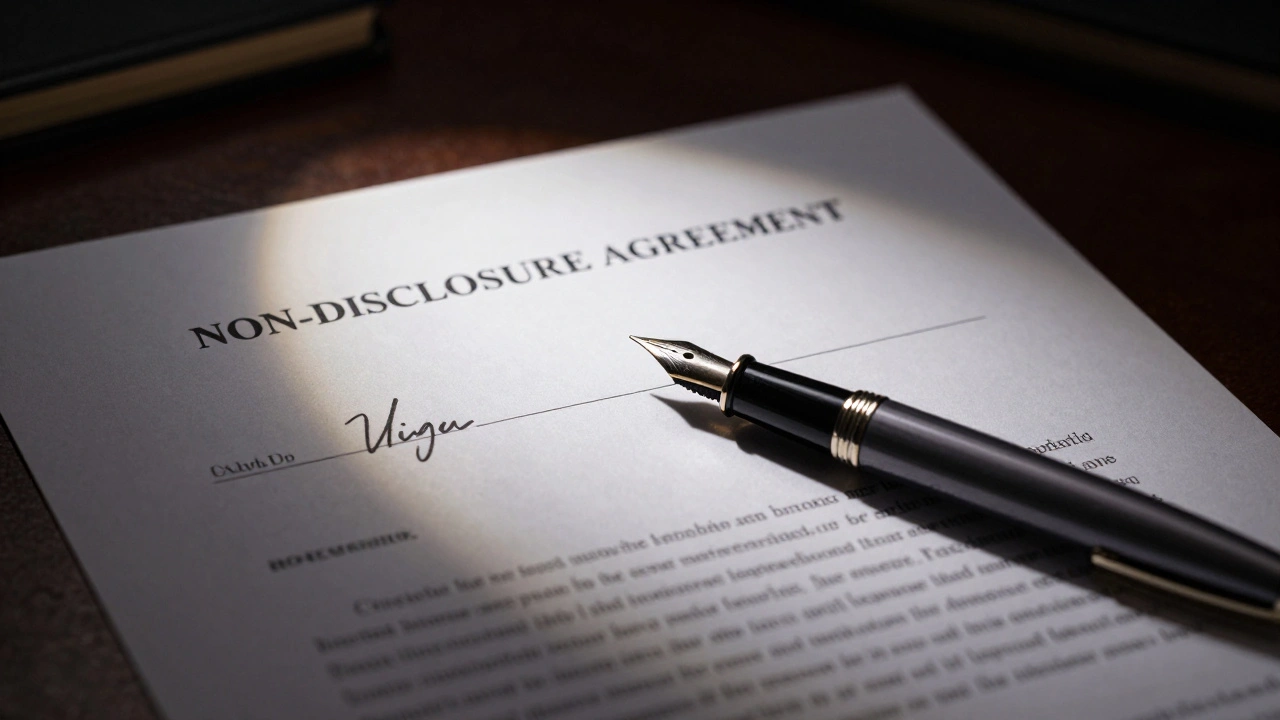
If you're an actor, agent, or production assistant, you've probably realized that a standard non-disclosure agreement isn't just a formality anymore. It's a weaponized legal tool used by studios to keep the internet from guessing their next big move. Whether it's a secret cameo or a total reboot of a beloved character, the pressure to stay quiet is immense, and the penalties for slipping up are genuinely terrifying.
The High Stakes of Franchise Secrecy
Why go to such extremes? In a typical indie film, if a lead actor is announced early, it creates buzz. In a franchise like Marvel Cinematic Universe, a premature announcement can lead to speculative chaos. Studios rely on the "Big Reveal" to drive ticket sales and social media engagement. If the world knows who is playing the villain six months before the trailer drops, the impact is diluted.
These agreements often cover more than just the actor's name. They include specific plot points, costume designs, and even the locations where filming is happening. It's not uncommon for actors to be banned from taking selfies on set or to have their phones collected by production staff the moment they enter the soundstage. This level of control ensures that the only information the public gets is the version the marketing team has carefully curated.
Breaking Down the Modern Casting NDA
A standard Non-Disclosure Agreement (NDA) in a franchise setting is far more aggressive than a corporate contract. It's not just about not telling your boss; it's about not telling your spouse, your parents, or your closest friends. These documents typically define "Confidential Information" in the broadest possible terms to ensure there are no loopholes.
Most of these contracts include "liquidated damages" clauses. This means the studio doesn't have to prove exactly how much money they lost because of your leak; they simply set a pre-determined fine-often in the hundreds of thousands of dollars-that you must pay if you breach the contract. For a newcomer, this is a financial death sentence. For a seasoned pro, it's a massive headache and a potential blow to their reputation with major studios like Walt Disney Company or Warner Bros..
| Feature | Standard Indie NDA | Franchise Blockbuster NDA |
|---|---|---|
| Scope of Secrecy | Project title and basic plot | Everything from costume colors to script lines |
| Penalty Structure | Standard breach of contract lawsuit | Fixed liquidated damages (high dollar amounts) |
| Device Control | General request for privacy | Mandatory phone surrender / No-camera zones |
| Duration | Until project release | Often extends years after release (for sequels) |
The Psychological Toll of the 'Secret'
There's a weird mental game that happens when you're cast in a secret role. You're living a double life. You're going to work every day, performing some of the best work of your career, but you can't tell anyone about it. This creates a bubble of isolation. Many actors describe a feeling of "delayed gratification" where they can't enjoy the prestige of the role until the official press release hits.
This secrecy also affects the social dynamics on set. When everyone is under a strict NDA, a culture of mutual surveillance can develop. People are afraid to talk too much, even with their co-stars, for fear of being the one who accidentally lets something slip. It turns the production into a high-security operation rather than a creative colony. The stress of maintaining this facade for months on end can lead to genuine anxiety, especially when the paparazzi start circling the set trying to snap a photo of a specific actor's hair or outfit.
Practical Tips for Navigating the Silence
If you find yourself in this position, the first rule is: read the fine print. Don't just assume your agent has it covered. Know exactly what you can and cannot say. For instance, some NDAs allow you to tell your immediate family, while others strictly forbid it. Understanding the boundary between "personal confidence" and "professional breach" is the only way to stay safe.
Another pro tip is to lean into the "no comment" game. If fans or journalists ask you about a project, don't lie-just be vague. Lying can sometimes create a trail of contradictions that makes the eventual reveal less impactful. A simple, "I'm working on some exciting things, but I can't talk about them yet," is the industry standard. It acknowledges the work without confirming the specific project, keeping you legally safe while still hinting at your success.
Also, be mindful of your digital footprint. In the age of Social Media, a simple geotag on an Instagram post can give away a filming location, which in turn helps "leak hunters" figure out which franchise is filming in that city. One accidental check-in at a catering tent in Atlanta can trigger a chain reaction of speculation that ends up in a trade publication like Variety or The Hollywood Reporter.
Managing the 'Leak Hunter' Culture
We have to talk about the people who make these NDAs necessary: the leak hunters. These are dedicated fans and amateur detectives who spend their free time tracking flight patterns of private jets and analyzing the reflections in an actor's sunglasses to see who else is on set. They've turned casting leaks into a competitive sport.
For the talent, this means the pressure doesn't end at the studio gate. You have to be careful about who you're seen with. If two actors who have never worked together are spotted eating lunch in the same neighborhood in London, the internet will conclude within hours that they are co-stars in a new James Bond movie. This level of scrutiny makes the NDA feel less like a contract and more like a survival guide.
When the Secret Finally Breaks
The moment of the official announcement is a massive release of tension. However, the NDA doesn't always vanish the second the news goes public. Often, there are specific guidelines on *how* you can discuss the role. You might be allowed to confirm you're in the movie, but still forbidden from discussing the character's motivations or their fate in the story.
This transition from total silence to curated publicity is a delicate dance. Most actors use this phase to slowly drop hints that align with the studio's marketing timeline. The goal is to move from the "secret phase" to the "hype phase" without accidentally revealing a second secret-like a surprise cameo or a mid-credits scene. The discipline required for this is just as intense as the initial silence.
What happens if I accidentally leak casting news?
Depending on your contract, you could face immediate termination from the project and be forced to pay liquidated damages. These fines are often predetermined amounts that can range from thousands to hundreds of thousands of dollars. In extreme cases, the studio may sue for further damages if the leak caused significant financial loss to the marketing campaign.
Can I tell my spouse or partner about a secret role?
It depends entirely on the specific language of your NDA. Some contracts have a "need-to-know" clause that allows you to inform a legal spouse or a professional manager, while others are absolute. Always check the "Permitted Disclosures" section of your agreement before sharing the news at home.
Do NDAs apply to crew members too?
Yes, absolutely. Every single person on a franchise set, from the lead actor to the catering staff and the security guards, signs some form of confidentiality agreement. In fact, crew members are often the primary targets of leak hunters because they may not have the same level of public relations training as the stars.
How long do these confidentiality agreements last?
Many casting NDAs expire once the project is officially released. However, some have "survivability clauses" that keep certain plot secrets under wraps for years, especially if the film is part of a planned trilogy or a multi-year series where future twists rely on past silence.
Is it common for studios to use fake titles for secret projects?
Yes, this is a very common tactic. For example, a major superhero movie might be referred to as "Project Bluebird" or "The Untitled Secret Project" in all internal documents and call sheets to prevent the real title from appearing in leaked emails or public permits.
Next Steps for Talent and Agents
If you're heading into a high-secrecy production, your first priority is a legal review. Don't just sign the NDA; have a lawyer who specializes in entertainment law look for "trap' clauses that could leave you vulnerable. Once you're on set, the best move is to establish a strict personal protocol-no social media posts from the studio, no chatting about work in public spaces, and a clear boundary between your professional and social life.
For those who have already leaked something, the only move is immediate transparency with your representation. Try to contain the leak and work with the studio's PR team to pivot the narrative. The industry is small, and while a leak is a mistake, how you handle the aftermath can either save your reputation or end your relationship with the major studios for good.


Comments(10)