Remember the smell of hot celluloid and the panic of a broken camera gear? For over a century, that was the only way to make movies. Then, quietly, almost sneakily, video tapes started showing up on sets. It wasn't just a change in format; it was a complete dismantling of who gets to tell stories and how much it costs to do so. Digital Cinema is the method of capturing, storing, and distributing motion pictures using digital signals rather than photographic film. This shift didn't happen overnight. It was a messy, expensive, and exhilarating climb from grainy MiniDV tapes to the crisp, immersive world of 4K Ultra HD.
You might think this is old news. But understanding where we came from explains why your phone can shoot better footage than a Hollywood studio could ten years ago. It’s about more than pixels. It’s about freedom.
The Tape Era: When Video Was Cheap and Dirty
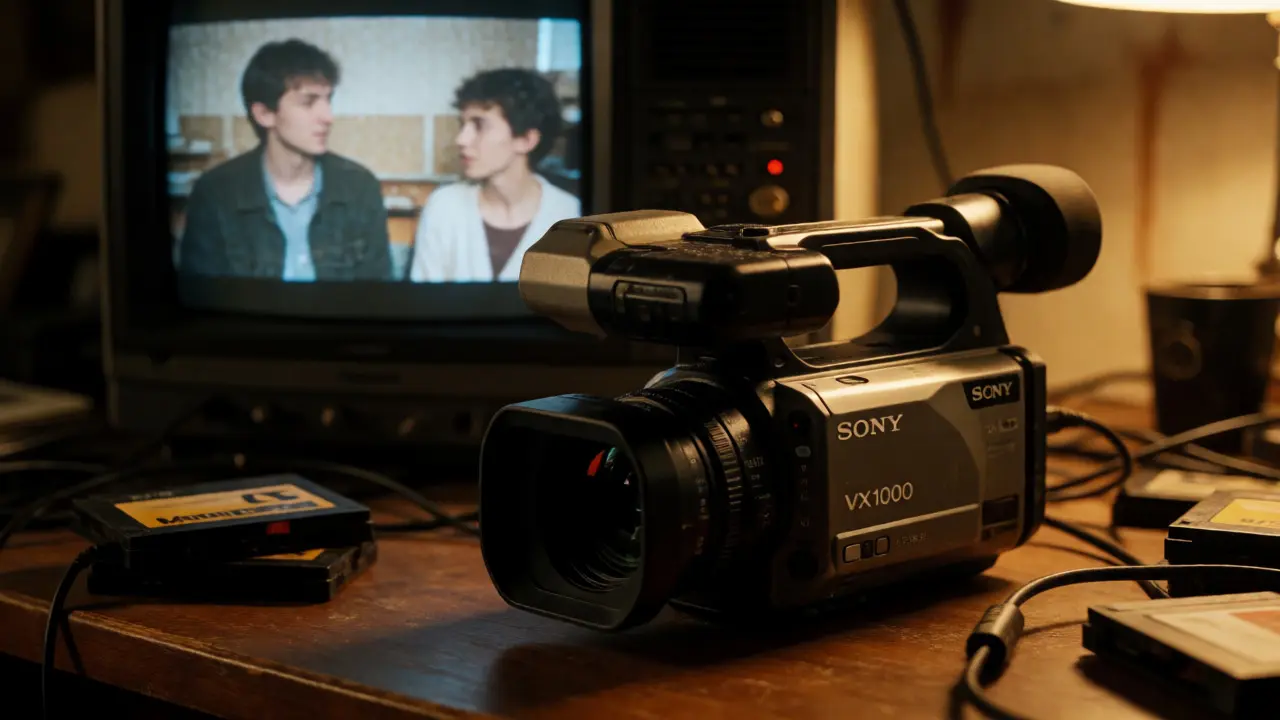
In the late 1990s, if you wanted to make a feature film without selling your house, you had two choices: beg for grants or shoot on video. And by "video," I mean something that looked like a soap opera from hell. Enter the MiniDV format. Released in 1995, it compressed digital video onto small cassettes, making high-quality (for the time) recording accessible to indie directors. George Lucas famously shot Star Wars: Episode II - Attack of the Clones entirely digitally in 2002, proving that digital could handle big-budget spectacle. But for the average creator, the real revolution was the Sony VX1000 and later the PD150. These camcorders let anyone hold a camera and hit record without worrying about running out of film stock mid-take.
The appeal wasn't image quality-it was workflow. With film, you waited days to see dailies. If an actor messed up a line, you wasted money. With DV, you saw the take instantly. You could reshoot immediately. This feedback loop changed acting styles, pacing, and editing. Directors became more experimental because failure was cheap. The barrier to entry dropped from tens of thousands of dollars to a few hundred.
The Bridge: HDV and the Rise of DSLRs
As the 2000s progressed, the gap between broadcast TV and cinema narrowed. The introduction of HDV (High Definition Video) formats allowed creators to record 1080i resolution onto standard miniDV tapes. It was a compromise-compressed, yes, but sharp enough for television and increasingly acceptable for web distribution. However, filmmakers still craved the "film look." That meant shallow depth of field, natural skin tones, and dynamic range that DV simply couldn’t provide.
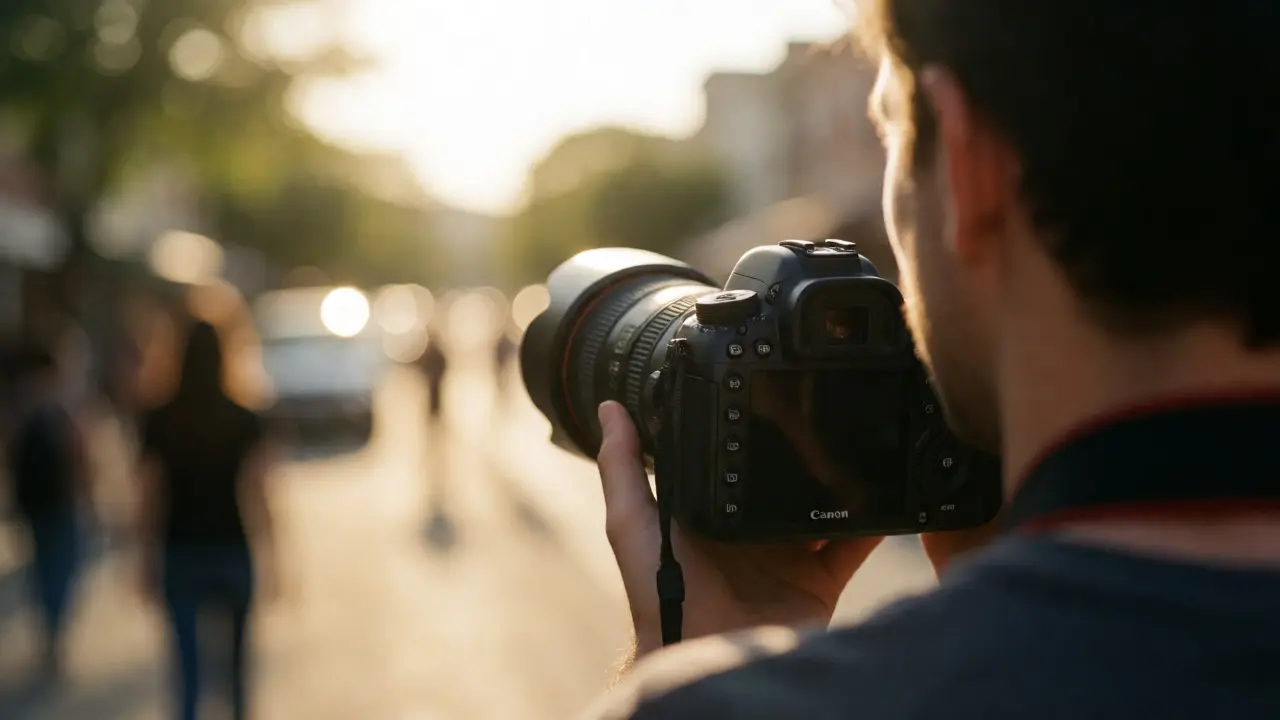
Then came the unexpected hero: the DSLR (Digital Single-Lens Reflex) camera. In 2008, Canon released the EOS 5D Mark II, a still photography camera that happened to shoot 1080p video. Suddenly, you could use affordable prime lenses to get that creamy background blur everyone loved. Films like Tangerine, shot entirely on iPhone 5s models, and countless YouTube tutorials proved that you didn't need a $50,000 RED camera to make something beautiful. The democratization of cinematography was accelerating faster than anyone predicted.
The Professional Leap: RAW, Log, and Color Science
While consumer cameras were getting better, professional studios needed more control. They needed data. This led to the adoption of RAW and log gamma profiles in digital cinema cameras. Unlike traditional video files, which bake in contrast and color, RAW files store unprocessed sensor data. This gives colorists immense flexibility in post-production. Cameras like the ARRI Alexa and RED ONE became industry standards not just for their resolution, but for their color science. ARRI, in particular, mimicked the highlight rolloff of film stock, making digital footage feel less "clinical" and more organic.
| Technology | Approx. Launch Year | Primary Benefit | Limitation |
|---|---|---|---|
| MiniDV | 1995 | Low cost, instant playback | Low dynamic range, compression artifacts |
| HDV | 2003 | Higher resolution on same tape | Heavy compression, interlaced issues |
| DSLR Video | 2008 | Cinematic depth of field, lens versatility | Rolling shutter, overheating |
| 4K Cinema | 2012+ | Future-proof detail, heavy cropping ability | Massive storage requirements, rendering power |
This era also introduced the concept of "post-stabilization." Because 4K sensors capture four times the pixels of 1080p, editors can crop into the frame to stabilize shaky handheld shots without losing quality. It turned bad camera handling into an aesthetic choice rather than a mistake.
The 4K Standard and Beyond
By the mid-2010s, 4K resolution (3840 x 2160 pixels) moved from luxury to expectation. Streaming platforms like Netflix and Amazon Prime began demanding 4K delivery for original content. This forced broadcasters, cable companies, and even smartphone manufacturers to upgrade their pipelines. Today, shooting in 4K isn't just about clarity; it's about workflow efficiency. You can deliver a clean 1080p master from a 4K source with ease, allowing for reframing and zooming in post-production.
But higher resolution brings new challenges. Storage costs skyrocketed. A single hour of uncompressed 4K footage can consume hundreds of gigabytes. Editing rigs needed powerful GPUs and fast SSDs. The bottleneck shifted from acquisition to processing. Now, as we move toward 8K, many filmmakers are questioning whether the human eye can truly distinguish the difference at typical viewing distances. Some argue that improved dynamic range and color gamut (HDR) matter far more than raw pixel count.
Why This History Matters to Creators Today
If you're picking up a camera today, you're standing on the shoulders of giants who fought to break the monopoly of film labs. The transition from DV to 4K wasn't just technical; it was cultural. It allowed diverse voices to enter the industry because the financial risk decreased. It changed storytelling structures because non-linear editing became intuitive. It altered audience expectations because viewers grew accustomed to high-definition clarity.
Understanding this lineage helps you choose your tools wisely. Do you need the gritty authenticity of DV-era aesthetics? Or the hyper-realism of modern 4K HDR? Knowing the history lets you manipulate these technologies intentionally, rather than just chasing specs.
What was the main advantage of DV over film?
The primary advantage was cost and immediacy. Film required expensive stock, processing labs, and waiting periods. DV allowed for instant playback, reusable media, and significantly lower production budgets, enabling independent filmmakers to experiment freely.
Is 4K necessary for all modern videos?
Not strictly necessary, but highly recommended. Shooting in 4K provides future-proofing and allows for stabilization and reframing in post-production while delivering a crisp 1080p final product. For social media vertical video, 4K ensures quality when cropped.
How did DSLRs change filmmaking?
DSLRs bridged the gap between professional cinema cameras and consumer devices by offering interchangeable lenses and large sensors capable of shallow depth of field at a fraction of the cost of dedicated cinema cameras.
What is the difference between RAW and ProRes?
RAW files contain unprocessed sensor data, offering maximum flexibility for color grading but requiring heavy processing power. ProRes is a compressed codec that balances quality with editability, making it easier to work with on standard computers.
Did digital completely replace film?
No. While digital dominates mainstream production, major directors like Christopher Nolan and Quentin Tarantino still advocate for and use film stock for its unique texture, archival stability, and artistic merit.