
When a film set in rural Vietnam casts a white actor in the lead role, or when a Nigerian story is told by a crew that’s never been to Lagos, audiences notice. It’s not just about fairness-it’s about truth. Audiences today demand stories that feel real, not sanitized or stereotyped. That’s where cultural consultants and thoughtful casting come in-not as checkboxes, but as essential partners in storytelling.
What Cultural Consultants Actually Do
A cultural consultant isn’t just someone who checks off a list of traditions. They’re the bridge between a script and lived experience. Think of them as the people who catch when a character uses a ritual incorrectly, when dialogue sounds like a Hollywood stereotype, or when clothing from the 1980s in Jakarta doesn’t match what people actually wore.
In the 2023 film Everything Everywhere All At Once, cultural consultants worked with the writers to ensure the Mandarin phrases used by the family weren’t just phonetically accurate-they were emotionally right. One line about a mother’s disappointment wasn’t just translated; it was rewritten to reflect how that emotion is expressed in Chinese immigrant households, not in Western drama tropes.
They don’t just advise on language or dress. They help shape character motivations. A consultant might say, “In this community, a man wouldn’t cry openly, but he might fix his son’s bike all night.” That’s the kind of detail that turns a character into someone real.
Why Casting Without Cultural Insight Fails
Many international films still cast based on star power, not authenticity. A 2024 study by the University of Southern California’s Annenberg Inclusion Initiative found that 68% of films set in non-Western countries still cast white actors in lead roles when local actors were available and qualified.
Take the 2021 Netflix film about a Thai prison uprising. The lead was played by a British actor with no Thai language skills. The result? Dialogue sounded robotic. Emotional beats fell flat. Audiences in Thailand called it “a foreigner’s fantasy of our pain.” The film lost credibility before it even opened.
On the flip side, when the 2023 film The Last Kingdom expanded into Danish history, the producers hired local actors for every key role-even minor ones. They brought in dialect coaches who had grown up in the exact regions depicted. The result? Viewers in Denmark praised the film for feeling “like a family album.”
The Link Between Casting and Cultural Consultants
These two roles aren’t separate. They’re interdependent. A cultural consultant can tell you what a character should say, but casting determines whether the actor can say it with truth.
Consider the 2022 film RRR, the Indian epic that went global. The casting team didn’t just pick popular stars. They looked for actors who carried the physicality and vocal rhythm of their regions. One lead actor, from Andhra Pradesh, had spent years learning the local dance forms and dialects. The consultant worked with him to refine his posture, his gestures, even how he held his cup of tea in a scene. That’s not “extra work”-that’s what authenticity looks like.
Without cultural consultants, casting becomes guesswork. Without the right actors, even the best advice falls flat. The two must work together from day one, not as an afterthought.
How to Build a Real Cultural Advisory Team
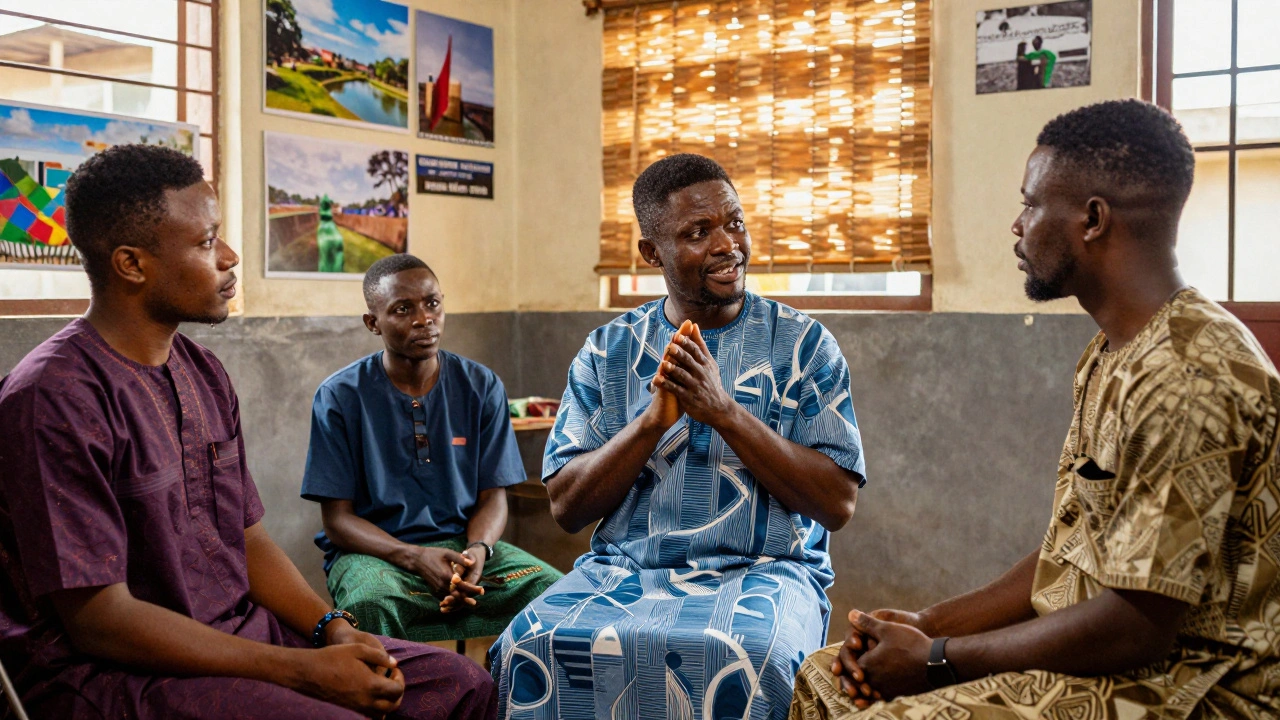
Too many productions hire one consultant from a major city and assume that’s enough. But cultures aren’t monoliths. A consultant from Mumbai won’t know the nuances of a village in Odisha. A consultant from Toronto won’t understand the lived reality of a Syrian refugee in Jordan.
Here’s how to build a team that works:
- Start with at least two consultants: one from the region where the story is set, and one from the diaspora community if the story involves migration.
- Include someone who knows the historical period-not just modern customs.
- Bring in a language coach who speaks the exact dialect, not just the national version.
- Don’t just consult. Pay them as creative partners, not freelancers.
- Let them attend casting calls and rehearsals. Their feedback during auditions is often the most valuable.
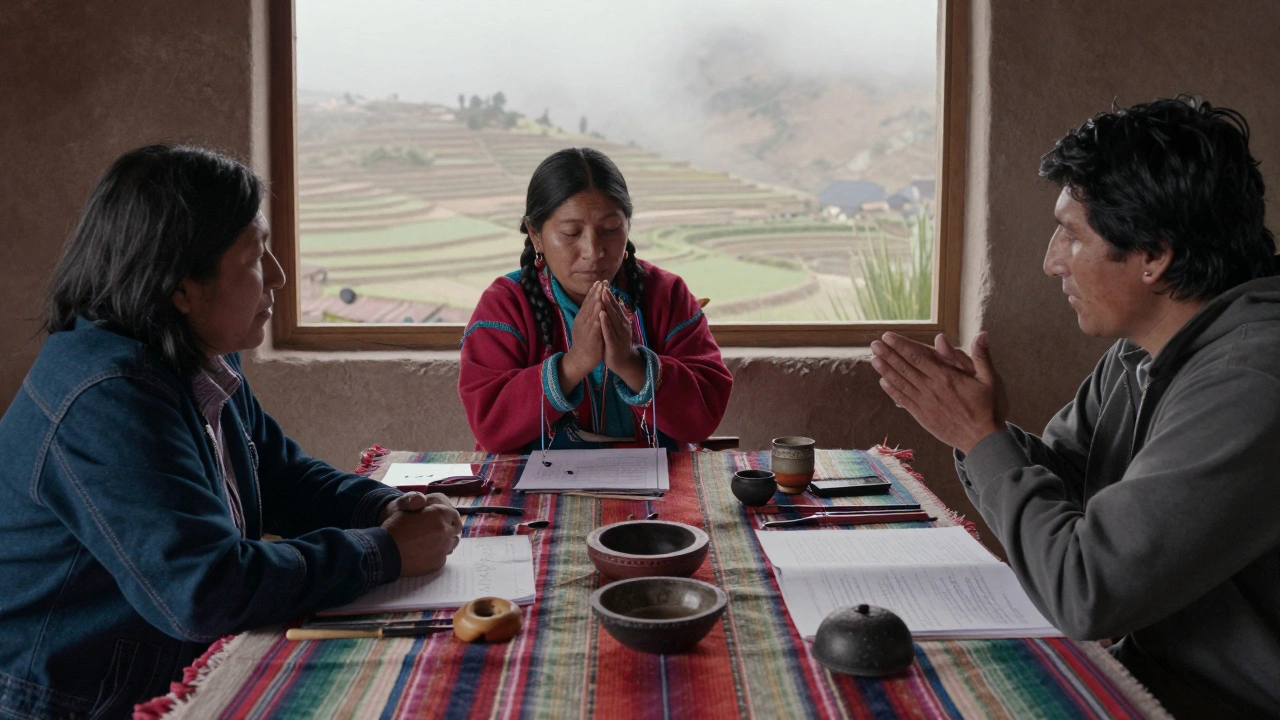
In the 2024 film Winds of the Andes, the team hired three consultants: one from a Quechua-speaking community in Peru, one from a Bolivian indigenous rights group, and one who was a former teacher in the region. They didn’t just review scripts-they helped rewrite scenes, suggested props, and even picked the exact type of woven blanket used in a key scene. The result? The film won the UNESCO Award for Cultural Integrity.
What Happens When You Skip This Step
The cost of getting it wrong isn’t just bad reviews. It’s real harm.
In 2021, a major studio released a film set in a Pacific Island nation. They used a fictional language, dressed actors in borrowed sacred garments, and portrayed elders as mystical figures who “knew the secrets.” Local leaders publicly condemned it. Protests erupted. The film was pulled from theaters in three countries.
That’s not just a PR problem. It’s cultural theft. When filmmakers ignore local voices, they reinforce centuries of colonial storytelling-where outsiders define who people are, instead of letting them speak for themselves.
And the damage lasts. Young people from those communities stop seeing themselves in film. They stop believing their stories matter.
What’s Changing-And Who’s Leading It
Change is happening. Not because studios woke up. Because audiences demanded it.
Netflix now requires cultural consultants on all international productions. Amazon Prime has a dedicated inclusion team that reviews casting lists before filming starts. In South Korea, the Film Council now gives extra funding to projects that hire local talent above a certain percentage.
Independent filmmakers are leading the way, too. The 2023 short film My Mother’s Hands, set in a small village in Ghana, was made by a team of 12 locals-director, cinematographer, editor, even the sound technician. No consultants were hired because the team *was* the culture. The film won Best Short at Sundance.
It’s not about hiring diversity. It’s about handing over control.
How to Start If You’re Making a Film
If you’re planning a film set outside your own culture, here’s your first step: stop looking for consultants on LinkedIn.
Go to the place. Talk to community centers, universities, local theaters. Ask for recommendations. Pay for a week-long immersion trip. Sit with elders. Listen. Don’t pitch your script-ask what’s missing from the stories you’ve seen.
Then, hire at least three people:
- A cultural expert from the exact location
- A language specialist who speaks the dialect
- A local actor who can help you cast others
Pay them upfront. Give them credit in the opening titles. Let them sit at the table with the director and producers. If they say no to a scene, don’t argue-ask why.
Authentic representation isn’t a trend. It’s the only way to make stories that last.
Why This Matters Beyond the Screen
When a film gets it right, it doesn’t just entertain. It shifts perception.
After Parasite won the Oscar, South Korean tourism to the filming locations jumped 40%. People didn’t just want to see the house-they wanted to understand the culture behind it.
When Minari showed a Korean-American family in rural Arkansas, viewers in small-town America told filmmakers they finally saw their neighbors-not a stereotype, but real people.
That’s the power of truth in storytelling. And it only happens when the people who live the story are the ones shaping it.
Do cultural consultants only work on big-budget films?
No. Many indie filmmakers hire consultants for under $5,000, often in exchange for a credit or profit share. The key is starting early-even a two-hour consultation during script development can prevent major mistakes. Some universities and cultural nonprofits offer free or low-cost advisory services for emerging filmmakers.
Can I use AI to replace cultural consultants?
No. AI can generate facts about traditions or translate phrases, but it can’t understand context, emotion, or power dynamics. It doesn’t know why a gesture is offensive in one village but sacred in another. AI is a tool, not a replacement for lived experience.
What if I can’t find local actors for a role?
Don’t cast someone from outside the culture just because they’re available. Instead, expand your search. Use local film schools, community theaters, and social media groups. Many talented actors aren’t on casting platforms. If you truly can’t find someone, consider changing the character’s background to match your casting pool-but never force a role that doesn’t fit.
How do I know if a consultant is qualified?
Ask for examples of past work. Look for people who’ve worked on films, documentaries, or theater productions in that culture. Check if they’re affiliated with local cultural organizations. Avoid consultants who only list “global experience” without specifics. Real expertise comes from deep roots, not broad surface knowledge.
Is it enough to just hire diverse actors?
No. Casting a Black actor in a role written for a white character doesn’t make the story authentic. The script, dialogue, setting, and relationships must also reflect the culture. Diversity in front of the camera means nothing if the story behind it is still written from a colonial perspective.


Comments(9)