Ever watched an indie film and thought, ‘How did they make this look so expensive?’ You’re not alone. Many of the most visually striking indie films ever made - like Whiplash, The Babadook, or Little Miss Sunshine - were shot with budgets under $1 million. Their secret? Smart production design that tricks the eye, not the wallet.
Start with what you already have
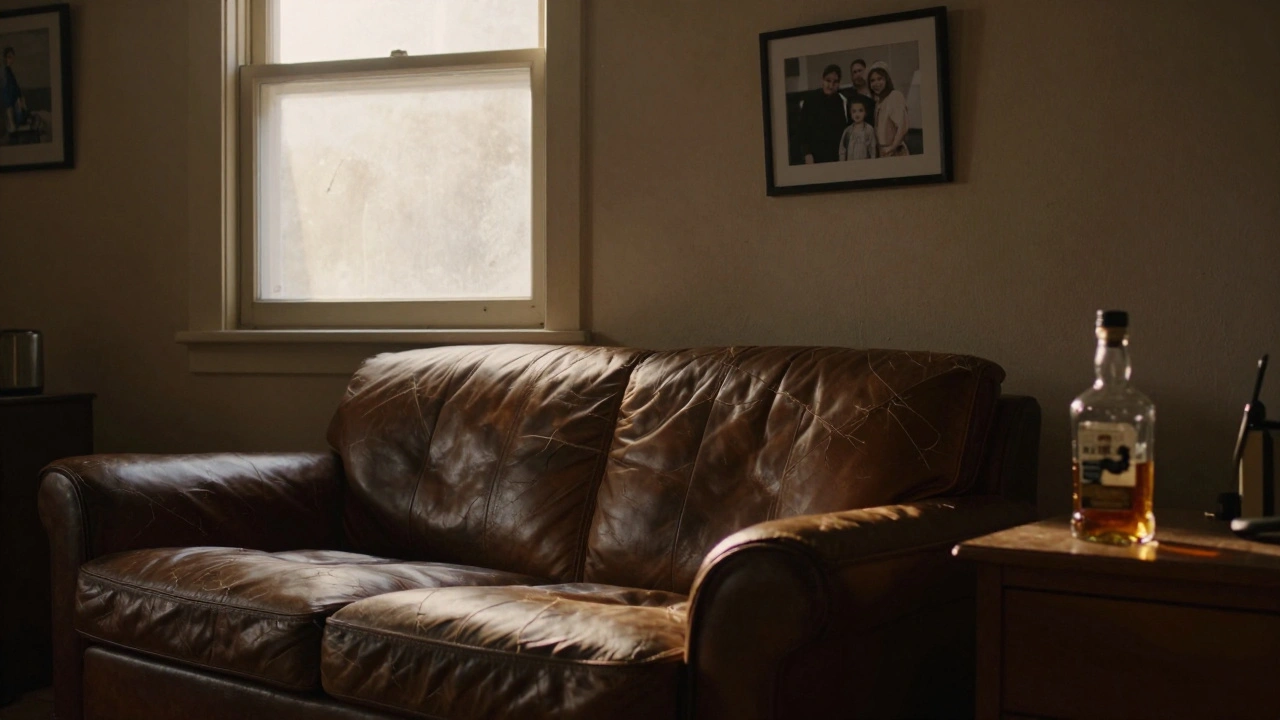
Don’t rush to rent a warehouse or buy new furniture. Look around your own home, your friend’s garage, your parents’ basement. Real spaces have texture, wear, and history - things you can’t fake with store-bought props. A cracked leather sofa from a thrift store costs $20 and feels more real than a brand-new one from a rental company. A dusty bookshelf filled with real books (not printed covers) adds depth. A faded family photo on the wall? That’s character. That’s story. Use your location as your first design tool. A vacant storefront at 6 a.m. on a weekday can become a diner, a doctor’s office, or a crime scene. A church basement? Perfect for a haunted house or a support group. You don’t need to build sets - you need to repurpose them. One filmmaker turned a closed laundromat into a 1970s-era apartment by removing the dryers, painting the walls mustard yellow, and hanging old laundry on clotheslines. The result? A set that looked like it had lived through decades - and cost $150.Color is your cheapest weapon
Paint is the most powerful tool in indie production design. A can of paint costs $30. A whole room transformed? That’s $50 with brushes and drop cloths. Color doesn’t just change how a space looks - it changes how it feels. Think about mood. Cold blues and grays make a room feel lonely. Warm oranges and reds make it feel claustrophobic or intimate. In The Lighthouse, the entire set was painted in shades of green and gray to create a feeling of decay and madness. You don’t need to go that extreme. Just pick one dominant color for your main set and stick to it. If your character lives in a cluttered apartment, make the walls a deep olive green. The mess becomes part of the atmosphere, not a distraction. Use color to hide flaws. A cracked ceiling? Paint it the same color as the walls. A stained carpet? Cover it with a rug bought on clearance. A flickering light? Wrap it in colored gels. Color doesn’t fix problems - it makes them invisible.Props: Borrow, steal, or make
Forget buying new props. Most of what you need is already out there. - Thrift stores: Look for items with character - a 1980s rotary phone, a broken alarm clock, a chipped ceramic bowl. These aren’t just props - they’re time capsules. One indie film used a 1972 typewriter found at a flea market for $8. It became the emotional center of the whole story. - Facebook Marketplace and Nextdoor: People give away old furniture, decorations, and even appliances. Post: “Filmmaker needs vintage lamps, books, or kitchenware for short film. Will return or pay $5.” You’ll be surprised how many people say yes. - DIY props: Cardboard, foam board, spray paint, and hot glue can make anything. Need a sci-fi control panel? Glue together cardboard boxes, paint them black, stick on LED strips from a Christmas decoration. Need a fake weapon? Wrap a wooden dowel in black tape and add a flashlight as a scope. No one will notice the difference on camera if you keep it tight and lit right. Pro tip: Never buy something just because it looks cool. Buy it because it tells a story. A half-empty bottle of whiskey on a nightstand says more than a full one. A child’s toy left on the floor in a grown-up’s room? That’s emotional weight.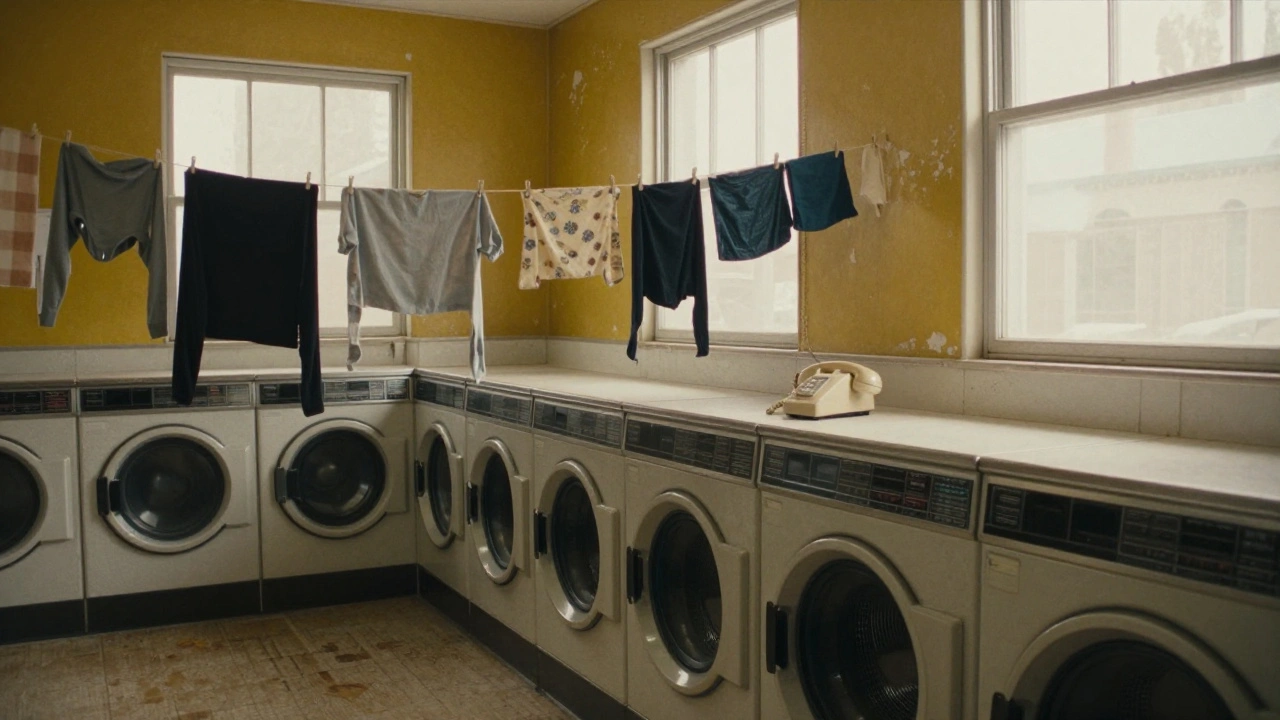
Lighting: Use what’s already there
You don’t need a $10,000 lighting kit. Natural light is free, and it’s often the most beautiful. Shoot during golden hour - the hour after sunrise or before sunset. The light is soft, warm, and forgiving. It hides wrinkles, flaws, and cheap sets. Use household lamps. A floor lamp with a white shade becomes a soft key light. A desk lamp with a colored bulb becomes a moody accent. Hang a white sheet in front of a window to diffuse harsh sunlight. Use a flashlight with a diffuser (a napkin taped over it) to simulate a nightlight. One film crew shot a tense scene in a bathroom using only the light from a phone screen and a single LED strip under the sink. The result? A chilling, intimate moment that looked like it cost $20,000. The truth? It cost $12.Costume and texture: Tell the story through fabric
A character’s clothes are part of the set. A wrinkled shirt says they’re tired. A too-big coat says they’re hiding. A mismatched sock? That’s personality. Don’t buy new costumes. Raid your closet. Your friend’s closet. Your grandma’s attic. A wool coat from the 90s looks more authentic than a new one from a costume shop. A tie that’s slightly too short? That’s character. A pair of shoes with worn heels? That’s a life. Texture matters more than brand. A faded denim jacket with frayed cuffs tells a story. A silk scarf with a small tear? That’s emotional. Use layers. A cardigan over a shirt, a scarf under a coat - it adds depth. Even a dirty handkerchief in a pocket can be a visual clue.Sound design: The invisible set
You can’t see it, but sound builds the world. A creaky floorboard. A distant siren. A refrigerator humming. These aren’t extras - they’re part of the environment. Record ambient sound on location. Walk around your set with a phone recorder. Capture the hum of the HVAC, the buzz of a fluorescent light, the sound of rain on a roof. Play it back during editing. It makes your set feel real - even if the walls are just painted cardboard. Use free sound libraries. Websites like Freesound.org have thousands of licensed sounds. A door slam from a 1950s house? A typewriter in a newsroom? A dog barking three blocks away? All free. Layer three sounds together - it creates depth.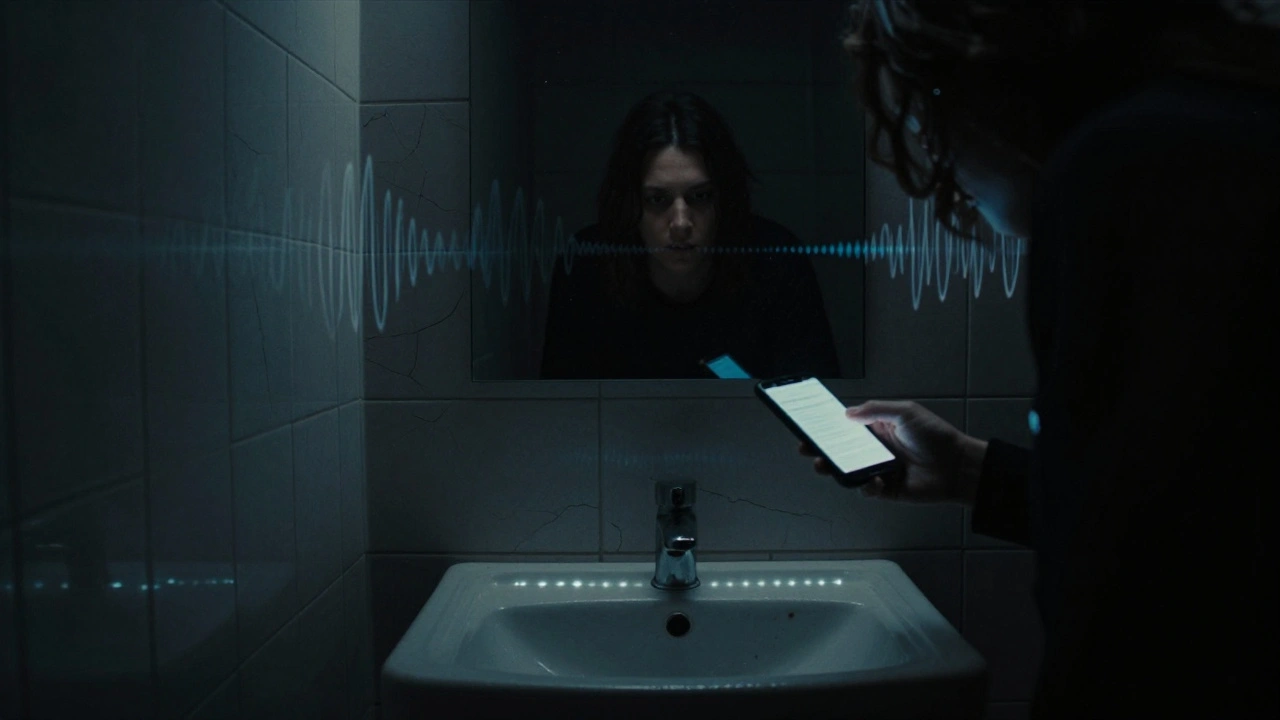
Shoot smart: Composition hides cheapness
A great shot can make a cardboard box look like a luxury apartment. It’s all about framing. - Keep the camera low. Shooting from waist height makes ceilings disappear - hiding bad lighting or cheap paint. - Use shallow depth of field. Blur the background. A messy room? No problem. Only the character and their hands are in focus. - Shoot through objects. A window frame, a curtain, a plant - they frame the subject and hide flaws behind them. - Avoid wide shots unless you have to. The wider the shot, the more you reveal. And the more you reveal, the more you risk showing a fake wall or a bad prop. One director shot an entire kitchen scene from behind a coffee pot. The counter, the stove, the window - all blurred. Only the actor’s face and the steam from the mug were clear. The set cost $40. The scene looked like it belonged in a Netflix drama.Work with your crew - they’re your design team
Production design isn’t just the job of one person. It’s the whole team’s job. The camera operator knows how light hits a surface. The sound recordist knows where noise hides. The actor knows how a character moves through space. Ask them: “What does this room feel like?” “What would this person leave behind?” “What’s missing?” Their answers will surprise you. One assistant director noticed the main character always avoided looking at the mirror. They added a cracked mirror to the wall. It became a visual metaphor for the character’s broken self-image. It cost $0 - it was already there.Final rule: Less is more, but only if it’s intentional
The biggest mistake indie filmmakers make? Trying to do too much. A cluttered set doesn’t feel real - it feels desperate. Pick three key objects that define the space. A bed. A lamp. A photo. That’s enough. The rest should be background noise. Think of your set like a poem. Every word matters. Every object must earn its place. If it doesn’t tell a story, remove it. You don’t need money to make a great-looking film. You need observation. You need patience. You need to see the story in the cracks, the dust, the half-used toothpaste tube on the sink. The best production design doesn’t shout. It whispers. And the audience leans in to hear it.Do I need to buy expensive equipment to get good production design?
No. The most powerful tools are free: natural light, thrift store finds, and your own creativity. A $30 can of paint, a borrowed couch, and a smartphone camera can create a cinematic look that costs less than a rental car. What matters is intention - not budget.
How do I make a cheap set look expensive on camera?
Use lighting and framing. Soft, directional light hides flaws. Shallow depth of field blurs messy backgrounds. Shoot from angles that hide ceilings, walls, or fake props. A well-framed close-up of a character holding a $5 thrift store vase can feel more valuable than a $500 prop.
Can I use real locations without permission?
Technically, no - but many indie filmmakers shoot in public or unoccupied spaces during off-hours without formal permission, especially for non-commercial projects. Always avoid private property with clear signage or people present. When in doubt, ask. Many homeowners will say yes if you explain it’s for a film and promise to leave it as you found it.
What’s the most common mistake in low-budget production design?
Trying to replicate big-budget films. You can’t afford the same props, sets, or lighting. Instead, embrace limitations. Let the space tell its own story. A worn-out floor, a flickering bulb, a single framed photo - these are your assets, not your weaknesses.
How do I find good props on a tight budget?
Start with thrift stores, Facebook Marketplace, and yard sales. Look for items with history - not perfection. A broken clock, a stained book, a rusted lamp - these carry more emotional weight than new items. Ask friends and family to donate things they’re about to throw away. You’d be surprised how much people are willing to give.