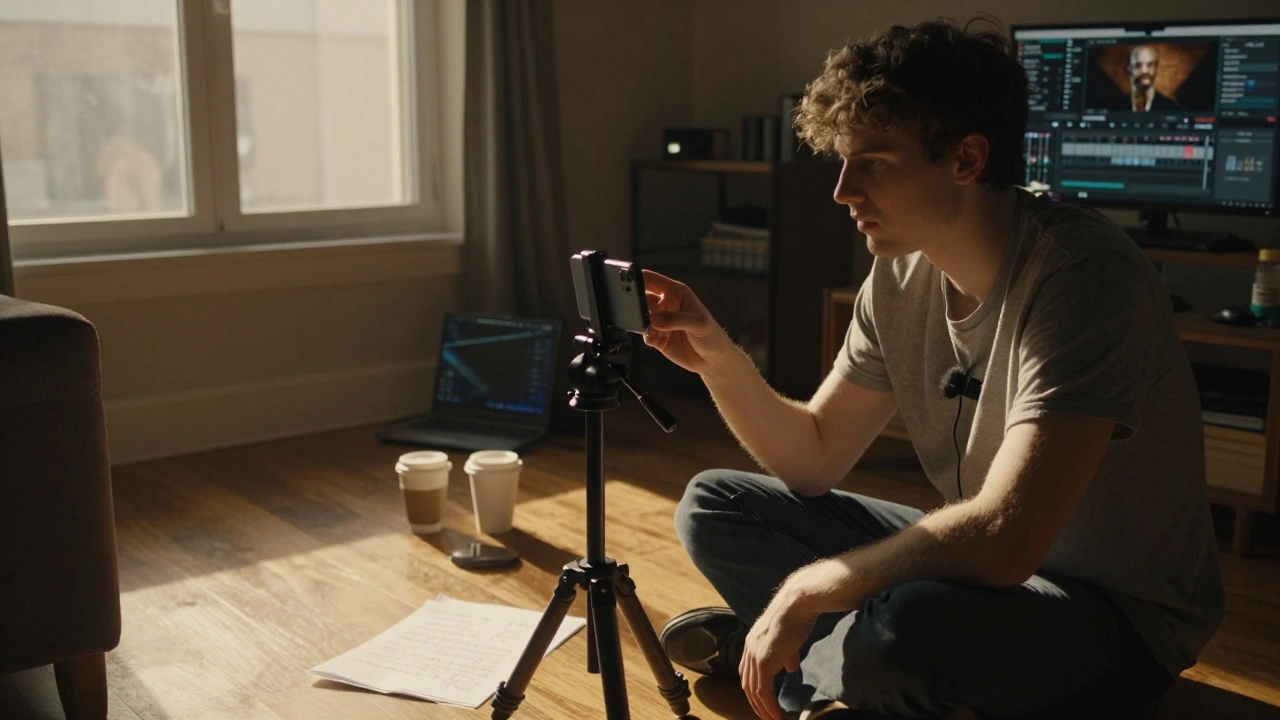
Every filmmaker dreams of a big budget-crew, locations, special effects, the whole package. But for most of us, that dream doesn’t match reality. The truth is, the most memorable films ever made weren’t the ones with the biggest checks. They were the ones where directors refused to let money dictate their vision. Low budget filmmaking isn’t a compromise. It’s a creative challenge that forces you to think smarter, not richer.
What Actually Happens When Money Runs Out
Picture this: You’re two days into shooting your first feature. The location you rented for $500 a day just got canceled. Your lead actor has to leave because their day job called them back. Your sound guy quit because he couldn’t afford gas anymore. You’ve got $800 left in your budget and a script that calls for a car chase, a rooftop fight, and a stormy night scene. What do you do?
You don’t panic. You adapt.
That’s the moment real directing begins. Budget constraints don’t kill creativity-they sharpen it. Think about Blair Witch Project is a 1999 horror film made for under $60,000 that went on to earn nearly $250 million. They used a handheld camera, natural lighting, and real locations. No actors were paid. No crew had contracts. And yet, the film felt terrifyingly real because the limitations forced them to rely on tension, sound design, and audience imagination.
Same with Paranormal Activity is a 2007 found-footage horror film shot on a Canon EOS 5D Mark II for $15,000. The entire film was shot in one house over a few weeks. The director didn’t have money for lighting rigs, so he used lamps and natural light. The "ghost" wasn’t CGI-it was a real person moving slowly in the dark. That’s not cheap filmmaking. That’s resourceful filmmaking.
How to Turn Limitations Into Advantages
Here’s what works when you’re working with next to nothing:
- Write for what you have-not what you wish you had. If you can’t afford a city skyline, set your story in a single apartment. If you can’t hire stunt drivers, make the conflict emotional, not physical. The script is your first tool. A great script with one location beats a flashy script with no money to shoot it.
- Use natural light-you don’t need a 10K HMI. Shoot during golden hour. Use windows. Shoot at dawn or dusk. Many indie films use only available light. It’s not just cheaper-it often looks more authentic.
- Cast non-professionals-if you can’t pay actors, find people who believe in your story. A real firefighter, a college student, a local shop owner-they bring truth. Their nervousness, their pauses, their real reactions? That’s gold.
- Build relationships-borrow gear. Ask a friend with a drone to help for free. Trade editing for a meal. Offer credit. People will help if you’re honest, respectful, and clear about what you need.
- Shoot fast-limit your shot list. Don’t do 15 takes. Do three. Move on. Time is money. And if you’re low on both, efficiency is your superpower.
The Director’s Role: Vision Over Equipment
When you have $50,000 instead of $5 million, your job as a director doesn’t get easier-it gets harder. You’re not just guiding performances anymore. You’re making every decision count. You’re the producer, the location scout, the sound mixer, the editor, and the morale officer.
That’s why the best low-budget directors are storytellers first. They don’t care about fancy lenses. They care about emotion. They don’t need slow-motion shots. They need silence. They don’t need explosions. They need a single look-a glance between two people that says everything.
Slumdog Millionaire is a film that won seven Oscars, but its production budget was just $15 million-far less than most Hollywood blockbusters. Yet, director Danny Boyle used handheld cameras, real slums in Mumbai, and non-professional actors to create a film that felt alive. He didn’t have money for studio lighting, so he shot in real daylight. He didn’t have permits for every street, so he filmed early in the morning before crowds arrived. The result? A film that felt raw, urgent, and real-because it was.
Tools You Don’t Need (But Everyone Thinks You Do)
You don’t need a Red Dragon camera. You don’t need a Steadicam. You don’t need a 12-person crew. You don’t even need a script in traditional format.
Here’s what you actually need:
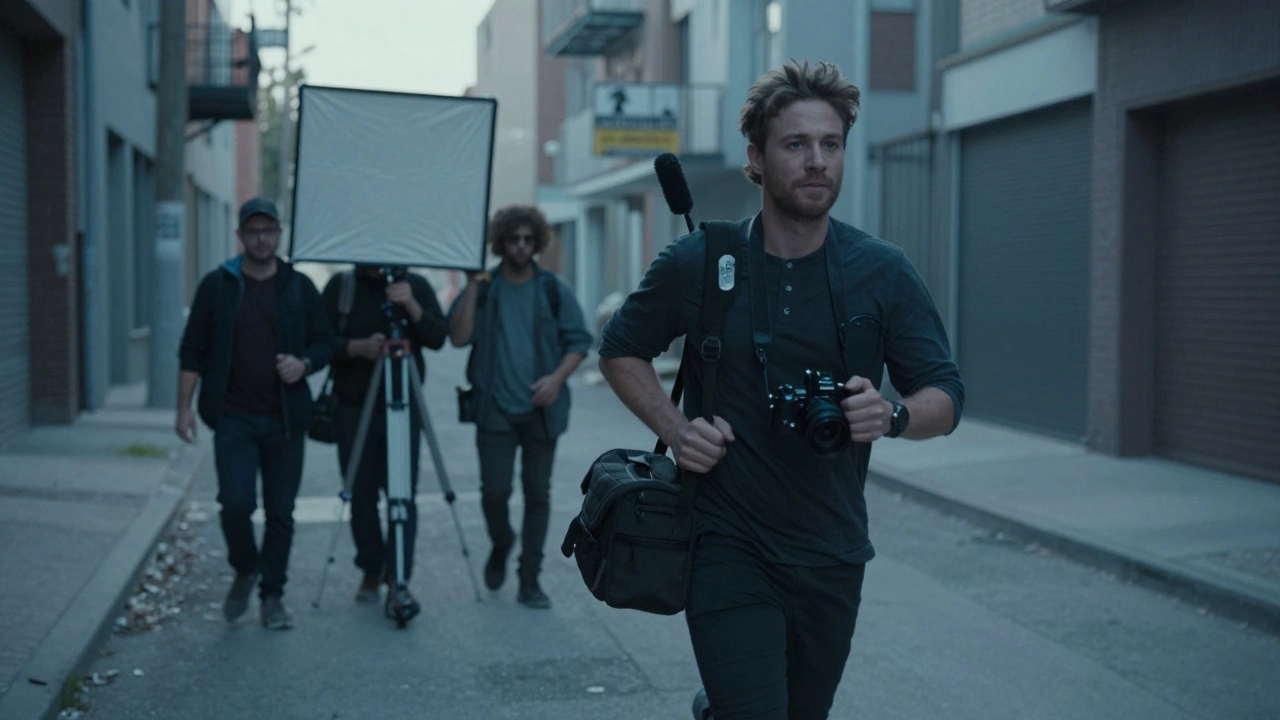
- A smartphone with manual controls (iPhone or Android with Filmic Pro app)
- A $20 tripod and a $15 lavalier mic
- Free editing software: DaVinci Resolve or Shotcut
- Free music: YouTube Audio Library or Free Music Archive
- A community: local film groups, film schools, Facebook groups for indie filmmakers
One director I know made a short film entirely on his iPhone 13. He used a $10 Bluetooth mic, shot in his apartment, and edited on his iPad. The film won a regional festival. Why? Because the story was strong. The performances were real. The lighting? Natural. The sound? Clear enough. The budget? $378.
Common Mistakes (And How to Avoid Them)
Most low-budget films fail-not because they’re too cheap, but because directors treat the budget like a limitation instead of a constraint.
- Mistake: Trying to replicate big-budget films. Solution: Embrace the small. A single room with two people talking can be more powerful than a CGI battle.
- Mistake: Spending money on gear instead of people. Solution: Pay your actors, even $50. Pay your sound person, even $100. People are your most valuable asset.
- Mistake: Shooting too much. Solution: Plan every shot. Know exactly what you need. Shoot it. Move on.
- Mistake: Ignoring post-production. Solution: Sound design is 50% of the experience. Spend time on it. A quiet scene with perfect ambient sound beats loud music over shaky footage.
Real Examples That Prove It’s Possible
Let’s look at three films made for under $100,000 that went on to make history:
| Movie | Year | Budget | Box Office | Key Constraint |
|---|---|---|---|---|
| El Mariachi | 1992 | $7,000 | $2 million | Shot in Mexico with non-professional actors; director also played the lead |
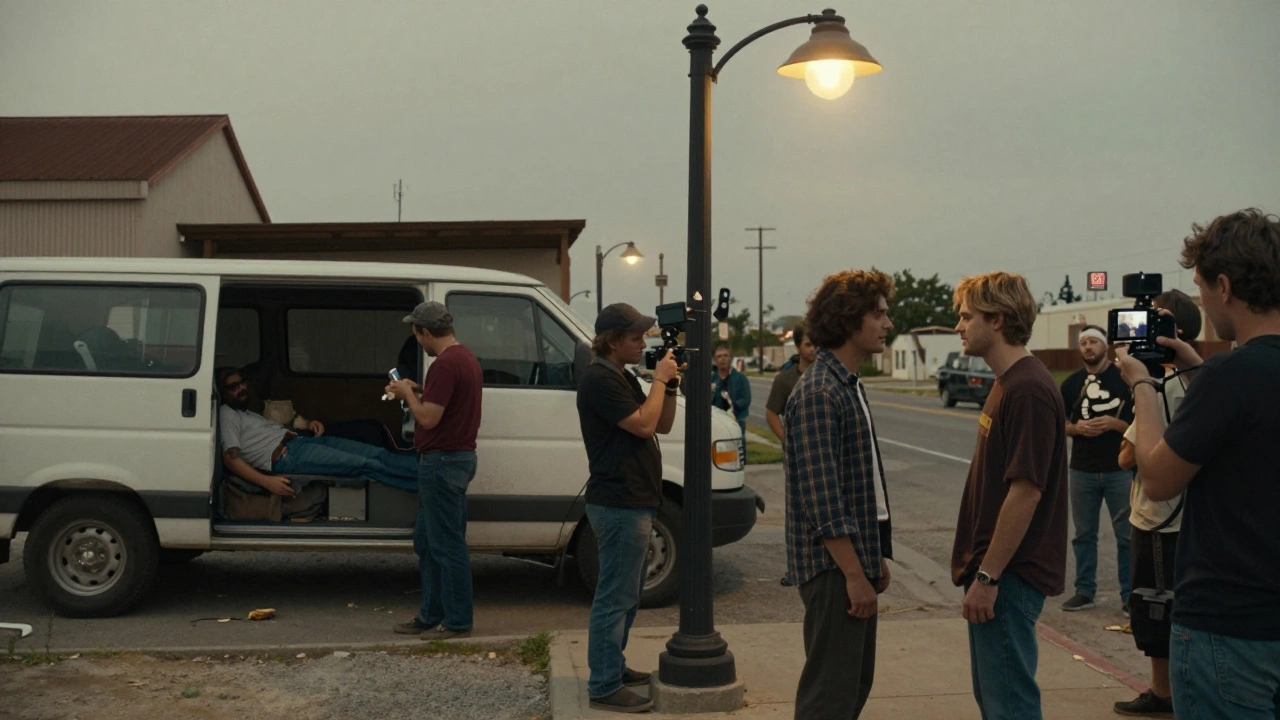
| The Texas Chain Saw Massacre | 1974 | $14,000 | $30 million | Used real slaughterhouse, no permits, crew slept in the van |
| Tangerine | 2015 | $100,000 | $1.5 million | Shot entirely on an iPhone 5S; no lighting, no crew |
Each of these films had one thing in common: a director who refused to wait for permission. They didn’t ask for a bigger budget. They asked for a better idea.
What You Need to Start Today
You don’t need a studio. You don’t need investors. You don’t need a film school diploma.
You need:
- A story you care about
- A camera (even your phone)
- One person who believes in you
- Three days to shoot
- The courage to call it done
Start small. Make a 5-minute film. Shoot it in your kitchen. Cast your roommate. Use natural light. Edit it on your laptop. Upload it. Share it. Get feedback. Do it again. And again.
Every great director started with nothing. They didn’t wait for money. They made money from vision.
Can you make a good film with just a smartphone?
Absolutely. The iPhone 12 and newer models can shoot 4K video with excellent dynamic range. Apps like Filmic Pro give you manual control over focus, exposure, and frame rate. Many award-winning shorts and features, including Tangerine and The Florida Project, were shot on smartphones. The key isn’t the camera-it’s your eye. What you choose to film, how you frame it, and how you tell the story matter far more than the gear.
How do you find actors when you can’t pay them?
Start local. Post on Facebook groups for indie filmmakers, community theaters, or film schools. Offer credit, meals, and the chance to be part of something real. Many actors-especially students or recent grads-are hungry for experience. Some will even work for free if they believe in the script. Always treat them with respect. Pay them something, even $25. It shows you value their time.
Is it better to shoot fast or take more time?
Shoot fast. When you’re low on money, time is your biggest expense. Plan your shots in advance. Use a shot list. Stick to it. Don’t chase perfection. A slightly shaky but emotionally honest take is better than a perfect but lifeless one. Most directors on tight budgets finish in under a week. That’s normal. It’s not a flaw-it’s a strategy.
What’s the biggest mistake low-budget filmmakers make?
Trying to look like a Hollywood movie. If you’re trying to recreate a $50 million film with $5,000, you’re setting yourself up to fail. Instead, embrace what you have. A single room, one light source, two people talking-that’s enough. The most powerful moments in cinema are often quiet. Focus on emotion, not spectacle.
Do you need a script if you’re making a low-budget film?
Yes-but it doesn’t have to be perfect. A 10-page outline with key scenes, character goals, and emotional beats is enough. Many indie films use improvisation within a framework. The script is your roadmap, not your cage. Let your actors breathe. Let your location surprise you. But have a plan. Even a rough one.
Final Thought: Money Doesn’t Make a Film-Vision Does
There’s a reason why the most powerful films ever made were made with little: because they had something to prove. Not to studios. Not to critics. But to themselves.
When you have no money, you have no excuses. You can’t blame the budget. You can’t blame the equipment. You can’t blame the weather. All you have is your idea, your voice, and your stubbornness to make it real.
That’s the heart of directing.


Comments(8)