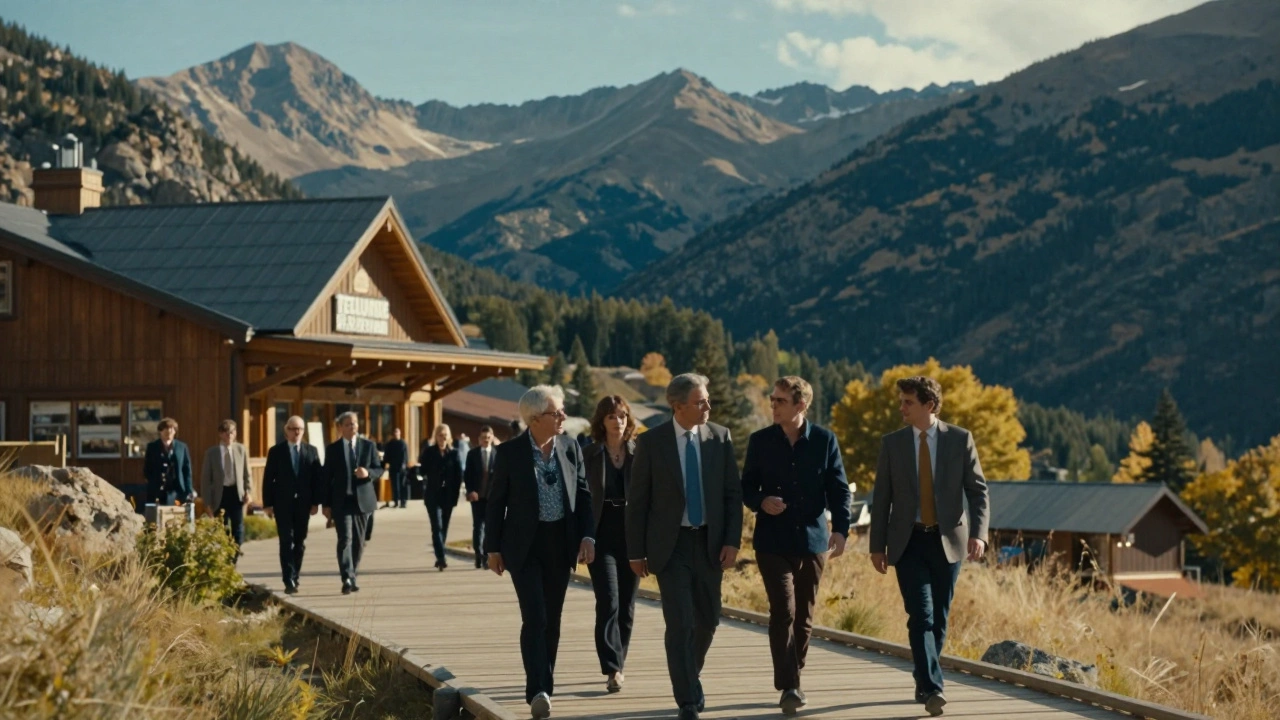
It’s early September. The mountains in Colorado are still holding onto the last bit of summer warmth, but the air is crisp. For independent filmmakers and studio executives, this isn’t just a vacation spot-it’s the starting gun for the most critical few months of the year. This is Telluride Film Festival, a boutique event that punches far above its weight class in shaping the narrative of Hollywood’s awards race.
Unlike massive festivals like Cannes or Sundance, Telluride doesn’t have red carpets, press lines, or public screenings. It has steep hiking trails, limited seating at the Mountain影 Theater, and an audience made up almost entirely of industry insiders. If you’re wondering why a small gathering in a ski town matters so much to global cinema, the answer lies in exclusivity and timing. Telluride is where "prestige" is manufactured before the rest of the world even knows a movie exists.
The Anatomy of a Boutique Powerhouse
To understand the influence of Telluride is a private, invitation-only film festival held annually in late August or early September in Telluride, Colorado, you have to look at who shows up. We aren’t talking about general audiences. The crowd consists of Academy members, major distributors, A-list actors, and top-tier critics from publications like Variety, The Hollywood Reporter, and The New York Times.
This creates a unique ecosystem. When a film screens here, it’s not just being watched; it’s being vetted by the people who decide what gets funded, distributed, and awarded. The lack of media scrums means conversations happen organically-over dinner, on hikes, or in the lobby between screenings. This intimacy allows for genuine word-of-mouth marketing, which is often more powerful than any paid campaign. A whisper among these elites can turn an obscure indie into a frontrunner overnight.
The festival’s programming philosophy is also distinct. Curators prioritize artistic merit over commercial viability. They look for films that challenge conventions, offer deep emotional resonance, or showcase technical brilliance. This focus ensures that every title on the slate feels special, raising the stakes for each screening. If your film is selected, you’re not just part of a lineup; you’re part of a curated conversation about the state of cinema.
Timing as a Strategic Weapon
The date of the Telluride Film Festival is no accident. It takes place right after the Toronto International Film Festival (TIFF) announcements and just before the New York Film Festival (NYFF). This positioning is crucial for awards campaigns.
In the modern awards landscape, momentum is everything. Studios need to generate "buzz" early enough to secure coverage throughout the fall but late enough to ensure the film is fresh when voting begins in January. Telluride hits the sweet spot. A premiere here gives a film three to four weeks of critical reviews and industry chatter before the heavier competition of October and November sets in.
Consider the typical trajectory of an Oscar contender. First, there’s the festival premiere. Then come the reviews. Then the interviews. Finally, the campaign. Telluride accelerates this process. Because the audience is so specialized, the initial reaction is immediate and intense. If critics love it, they write about it within hours. If distributors see the heat, they make aggressive bidding wars public knowledge. All of this happens while the rest of the industry is still catching up from summer blockbusters.
| Festival | Audience Type | Media Access | Awards Impact |
|---|---|---|---|
| Telluride | Industry Insiders | Limited/Private | High (Buzz Generator) |
| Toronto (TIFF) | Mixed (Public + Industry) | Open/Extensive | High (Commercial Viability) |
| New York (NYFF) | Critics + Connoisseurs | Restricted | Medium-High (Critical Acclaim) |
| Venice | International Press | Red Carpet/Glamorous | Very High (Global Prestige) |

The "Telluride Effect" on Box Office and Awards
You’ve likely heard the term "the Telluride Effect." It refers to the phenomenon where a film’s reception at the festival directly influences its distribution deal and subsequent box office performance. But it goes deeper than money. It shapes the awards narrative.
When a film premieres at Telluride, it signals quality. Distributors use this signal to justify higher marketing budgets. Campaign managers use it to frame their messaging. Instead of saying "this is a good movie," they say "this is the talk of Telluride." That distinction matters because it implies consensus among experts. In a crowded field, having the stamp of approval from such a selective group helps a film stand out.
Look at recent years. Films like Parasite, Judas and the Black Messiah, and Everything Everywhere All at Once all used Telluride as a launchpad. Each one leveraged the festival’s intimate setting to create a sense of urgency and exclusivity. Critics couldn’t get enough, and audiences felt FOMO (fear of missing out). This emotional connection translates into votes during awards season.
Moreover, the festival’s location plays a role. Telluride is remote. Getting there requires effort. This filters out casual attendees and leaves only those truly invested in cinema. As a result, the discussions are deeper, the feedback is more constructive, and the community is tighter-knit. Filmmakers benefit from this environment because they receive honest reactions without the noise of mainstream hype.
How Studios and Distributors Leverage the Festival
For major studios, Telluride is a testing ground. Before committing millions to a nationwide release, they want to know how the elite react. A strong response here can greenlight a wider campaign. A lukewarm reception might lead to re-editing or a delayed release.
Independent distributors face different challenges. With smaller budgets, they can’t afford to waste resources on a flop. Telluride offers a low-risk, high-reward opportunity. If a film resonates with the core audience, it can attract larger partners or secure better theatrical terms. Even if it doesn’t win big awards, the exposure can help with sales in foreign markets or streaming platforms.
The strategy often involves careful timing. Distributors may hold back key materials-like trailers or posters-until after the festival to maximize impact. They might invite specific influencers or journalists to ensure coverage aligns with their target demographic. Every move is calculated to amplify the buzz generated by the screening itself.
Additionally, the festival serves as a networking hub. Deals are struck in informal settings. Producers meet agents, directors connect with cinematographers, and writers find new collaborators. These relationships often lead to future projects, creating a ripple effect that extends beyond the current film.

Navigating the Selection Process
Getting into Telluride is notoriously difficult. There are no submissions in the traditional sense. The program is curated by a small team led by longtime director Bill Kramer. They scout films from other festivals, recommend titles from trusted sources, and rely on personal networks.
This curation model ensures consistency but also raises questions about diversity and accessibility. Critics argue that the festival favors established voices and Western-centric narratives. While the lineup has become more diverse in recent years, the barrier to entry remains high for emerging filmmakers from underrepresented regions.
However, the value proposition is clear. Being selected validates your work in the eyes of the industry. It opens doors that might otherwise remain closed. For many filmmakers, the goal isn’t just to show their film-it’s to be seen by the right people. Telluride delivers exactly that.
If you’re aiming for Telluride, focus on crafting a compelling story that stands on its own merits. Don’t chase trends. Instead, lean into authenticity and innovation. Engage with other festivals to build your profile. Connect with programmers and curators through legitimate channels. And remember that rejection is part of the journey. Many acclaimed films were passed over initially before finding their moment elsewhere.
The Future of Prestige Programming
As the entertainment landscape evolves, so does the role of festivals. Streaming services now compete with traditional theaters for prestige content. Algorithms dictate what gets seen, challenging the human curation models that festivals rely on. Yet, Telluride remains resilient. Its strength lies in its humanity-the personal connections, the shared passion, the collective experience of watching great art together.
In a world saturated with content, scarcity becomes valuable. Telluride offers a rare commodity: attention. By limiting access and focusing on quality, it maintains its allure. As long as there are filmmakers seeking validation and audiences craving discovery, Telluride will continue to play a pivotal role in defining what matters in cinema.
Whether you’re a filmmaker hoping to break through, a distributor looking for the next big hit, or a critic searching for hidden gems, understanding the mechanics of Telluride is essential. It’s not just a festival. It’s a catalyst for change, a mirror reflecting the industry’s values, and a stage where legends are born.
Is Telluride Film Festival open to the public?
No, Telluride is strictly invitation-only. Tickets are not sold to the general public. Attendees include industry professionals, critics, academics, and invited guests. This exclusivity helps maintain the intimate atmosphere and focused discussions characteristic of the event.
How does Telluride compare to Sundance?
Sundance is larger, more public-facing, and focuses heavily on independent filmmaking and emerging talent. Telluride is smaller, private, and geared toward established prestige films and industry veterans. Sundance is about discovery and market transactions; Telluride is about critical acclaim and awards positioning.
Can I submit my film to Telluride?
There is no formal submission process. The program is curated by the festival’s director and selection committee. They discover films through other festivals, recommendations, and industry networks. Building relationships with programmers and showcasing your work at other reputable festivals can increase visibility.
Why is Telluride important for Oscars?
Telluride occurs early in the awards season, allowing films to generate critical buzz and word-of-mouth among voters before the peak competition period. Its exclusive audience includes many Academy members, making positive receptions here highly influential for nomination chances.
What types of films does Telluride select?
The festival prioritizes artistic excellence, originality, and cultural significance. It features a mix of international dramas, documentaries, and innovative narrative films. Commercial appeal is secondary to creative vision and emotional impact.