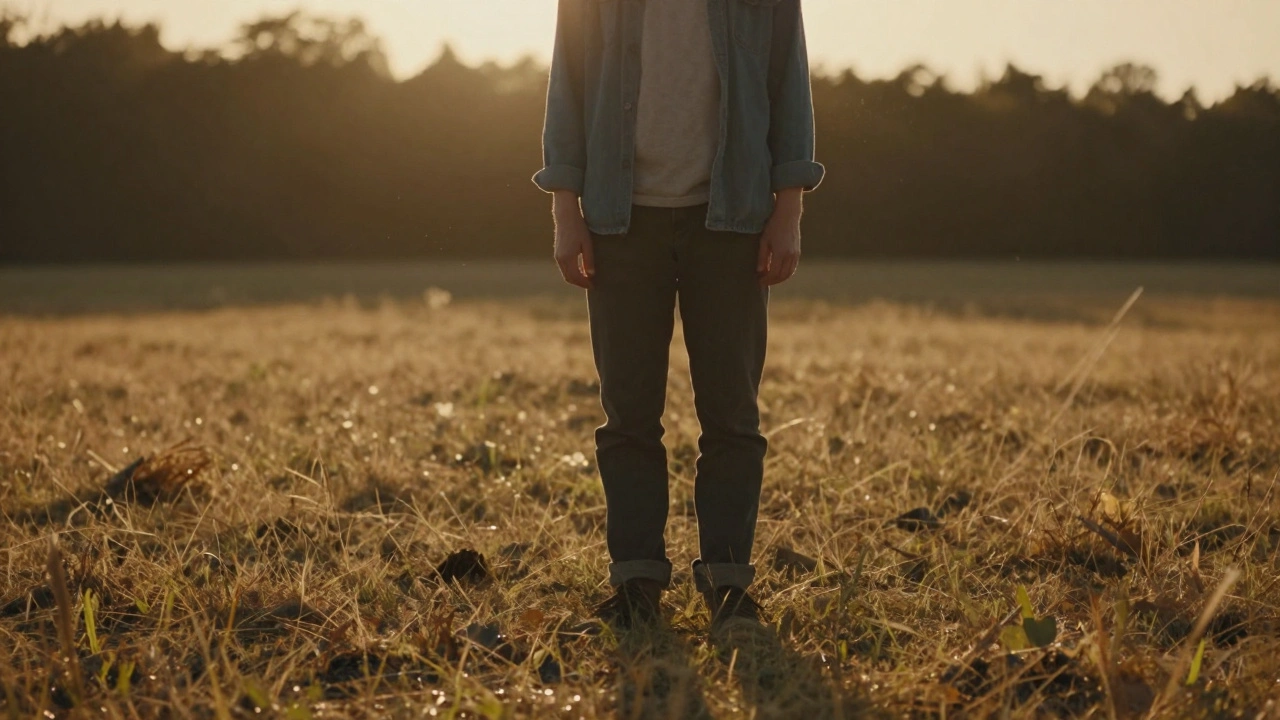
There’s a reason so many filmmakers say the best light isn’t from a lamp-it’s from the sun. Natural light cinematography isn’t just about shooting outside. It’s about understanding how sunlight moves, changes, and shapes emotion. You don’t need expensive gear. You don’t need a crew of ten. You just need to know when to be ready-and where to stand.
Why Sunlight Beats Artificial Light Every Time
Artificial lights can be controlled, but they rarely feel real. Even the most expensive LED panels can’t replicate the way sunlight hits skin, bounces off wet pavement, or glows through leaves. Natural light has depth. It has texture. It has history.
Take natural light cinematography in films like The Revenant or 1917. Both were shot almost entirely with daylight. No studio lights. No fill. Just sunlight, clouds, and timing. The result? A raw, immersive feel that artificial lighting can’t fake. That’s not luck. That’s technique.
Sunlight changes color every minute. At dawn, it’s cool and blue. At noon, it’s white and harsh. At golden hour, it turns warm and soft. That’s not a problem-it’s your palette. Every filmmaker who masters natural light learns to work with these shifts, not against them.
Golden Hour and Blue Hour: The Two Most Powerful Times
If you remember only two things about natural light, make them these: golden hour and blue hour.
Golden hour happens right after sunrise and before sunset. It lasts about an hour, depending on your location and season. During this time, the sun is low, the light is soft, and shadows are long. Skin glows. Surfaces catch highlights without burning out. It’s the most forgiving light for any subject.
Blue hour comes right before sunrise and after sunset. The sun is below the horizon, but the sky still holds a deep blue glow. No direct sunlight. Just ambient, even illumination. It’s perfect for cityscapes, moody interiors, or scenes that need to feel quiet, mysterious, or lonely.
Most filmmakers shoot during golden hour because it’s forgiving. But the best ones plan for blue hour too. In Manchester by the Sea, the quiet, reflective moments at dusk? That’s blue hour. No lamps. No filters. Just the sky.
How to Read the Sky: Clouds, Windows, and Reflections
Not every sunny day is good for filming. In fact, a bright, cloudless sky can be worse than rain.
Clouds are nature’s softbox. A overcast day gives you even, diffused light. No harsh shadows. No blown-out highlights. That’s why so many European films-like those by Ingmar Bergman or the Dardenne brothers-look so smooth. They shot on cloudy days and didn’t try to fix it.
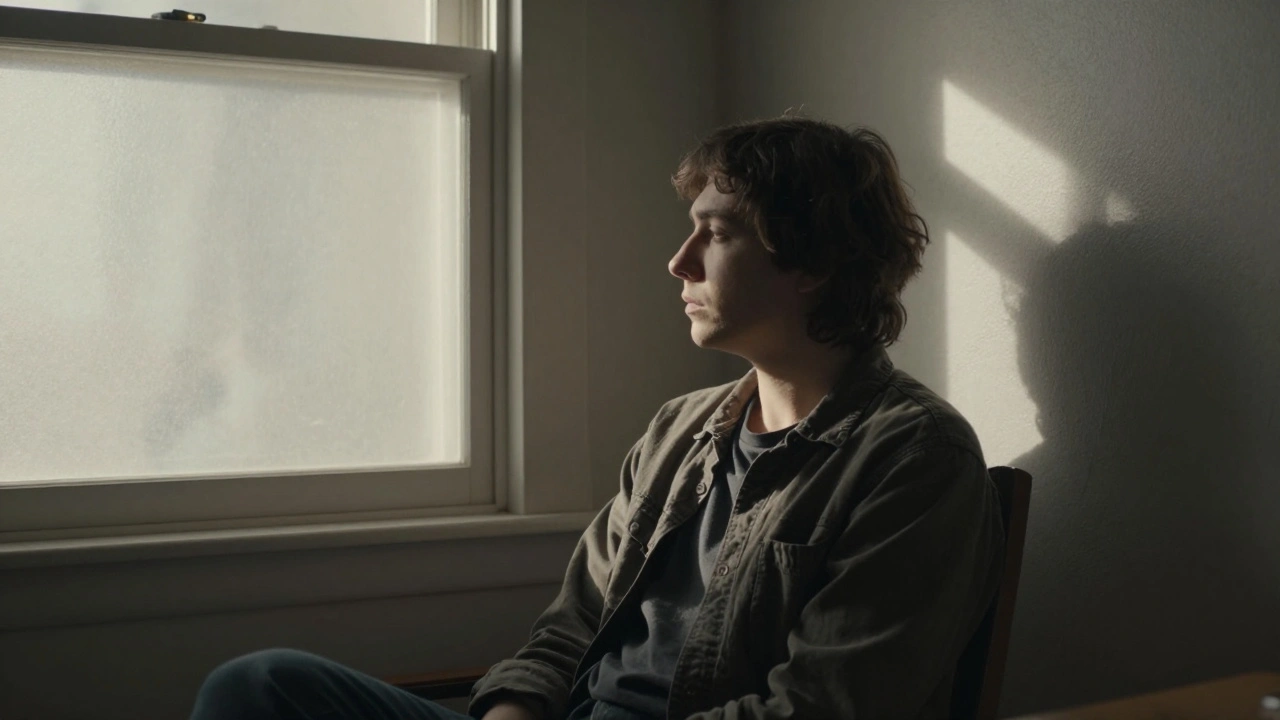
Windows are your best friends indoors. A single window can light an entire room. Position your subject so the light hits their face at a 45-degree angle. That’s called three-point lighting with one source. No need for a key light, fill light, or backlight. Just sunlight through glass.
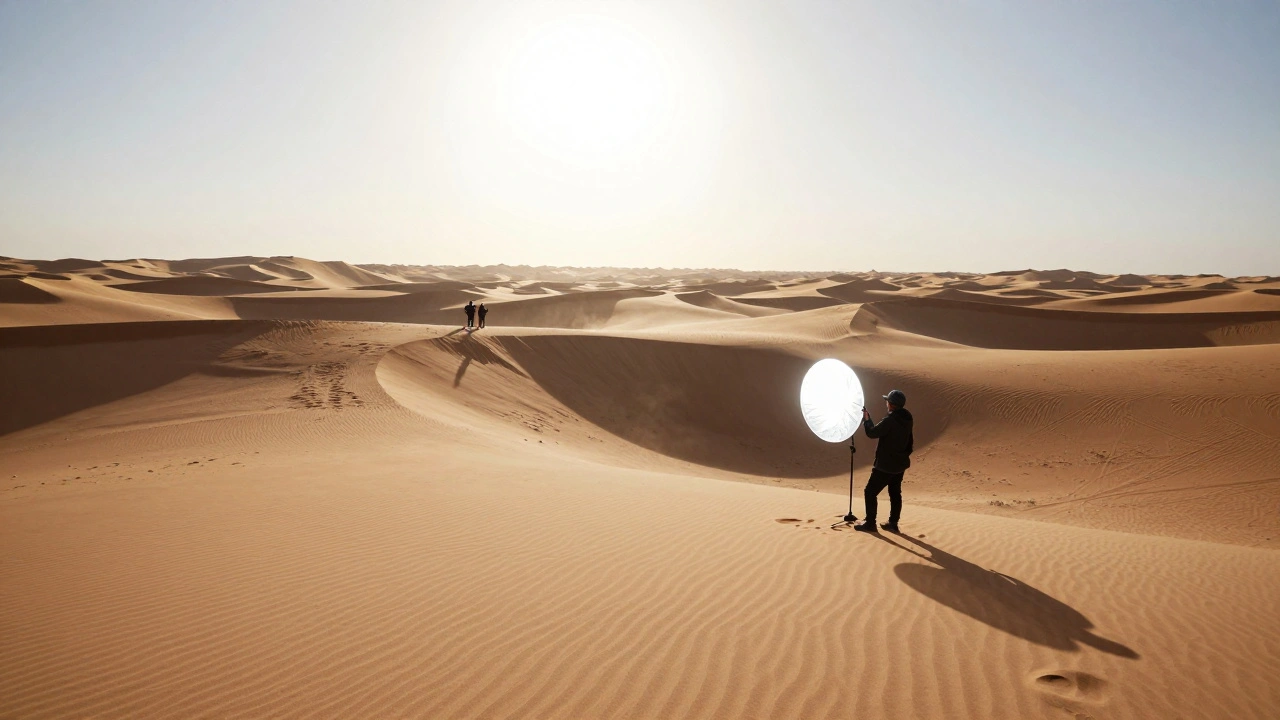
Reflections matter too. A white wall, a mirror, even a piece of foam board can bounce light back onto shadows. A simple 4x6 foam board from a hardware store can replace a $500 reflector. Use it. Learn to angle it. Watch how the light changes.
Shooting in Different Seasons and Locations
Light doesn’t stay the same. In Alaska, summer days last 20 hours. In Arizona, midday sun is brutal. In Asheville, where I’m based, the mountains create shifting shadows that move across valleys like clockwork.
Winter light is colder, sharper. It cuts through trees and creates stark contrasts. That’s great for drama. Summer light is dense, hazy, and layered. It wraps around subjects. That’s great for warmth and nostalgia.
Plan your shoot around the season. Don’t assume what worked in May will work in November. The sun’s path changes. The angle shifts. The color temperature drops. A scene shot at 4 p.m. in July might need to be shot at 2:30 p.m. in October to look the same.
And don’t forget terrain. Mountains block light. Valleys trap it. Urban canyons create tunnels of shadow. A flat field gives you 360 degrees of control. A narrow alley gives you one direction. Know your location before you roll camera.
Tools You Actually Need (No Gear List)
You don’t need a lighting kit. You don’t need a gaffer. You need three things:
- A light meter-even a cheap phone app like Light Meter or Lux will show you exposure levels.
- A sun tracker app like Sun Surveyor or Photopills. These show you exactly where the sun will be at any time of day, any date, anywhere on Earth.
- A white foam board (or a bedsheet pinned to a frame). It costs $5. It works better than most reflectors.
That’s it. No flags, no barn doors, no dimmers. Just you, the sun, and a way to measure what you see.
Many beginners think they need to “fix” natural light. They overexpose, they add filters, they try to make it look like studio light. That’s wrong. Natural light doesn’t need fixing. It needs understanding.
Common Mistakes and How to Avoid Them
Here are the three mistakes I see most often:
- Shooting at noon on a clear day. The sun is straight up. Faces are flat. Highlights are blown. Shadows are sharp and ugly. Solution? Wait. Move. Shoot at 10 a.m. or 3 p.m. instead.
- Ignoring the direction of light. If the sun is behind your subject, they’re a silhouette. If it’s at 90 degrees, you get dramatic side lighting. If it’s in front, you get flat, boring images. Always ask: Where is the light coming from? And where should the subject be in relation to it?
- Forgetting to adjust exposure. Sunlight changes fast. A cloud passes. A shadow moves. Your exposure changes. Don’t lock it in. Check your histogram. Use your camera’s highlight warning. If the sky is blinking red, you’re overexposed. Adjust before you shoot.
One pro tip: Always shoot a test clip five minutes before your planned shot. Watch how the light moves. Notice how shadows shift. That’s your real rehearsal.
Real Examples You Can Study
Watch these scenes closely:
- Little Miss Sunshine (2006): The family road trip scenes use natural light to feel authentic, warm, and slightly imperfect.
- The Father (2020): Interior scenes lit only by windows. No fill. No bounce. Just sunlight and shadows. It feels real because it is real.
- Mad Max: Fury Road (2015): Shot mostly in the Namib Desert. The sun was the only light. The crew planned every shot around the sun’s path. They didn’t fight it-they used it.
Notice how none of these films use studio lighting. They all use sunlight as the main character.
When to Use Natural Light (And When to Avoid It)
Use natural light when:
- You want authenticity
- You’re on a low budget
- You’re shooting outdoors or near windows
- You’re telling a personal, emotional story
Avoid it when:
- You need consistent lighting over 12 hours of shooting
- You’re filming in a location with unpredictable weather
- Your scene requires precise color control (like a product shot or commercial)
That last point matters. If you’re shooting a car ad and need the exact same shade of blue on every frame, natural light won’t cut it. But if you’re making an indie drama about a single mother working two jobs? Sunlight is your secret weapon.
Final Thought: Light Is a Character
Stop thinking of light as something you add. Start thinking of it as something you invite in.
Every sunrise, every shadow, every patch of light through a tree-that’s not just illumination. It’s emotion. It’s rhythm. It’s memory.
The best natural light cinematography doesn’t look like lighting. It looks like life.
Can you shoot professional films using only natural light?
Yes, absolutely. Films like The Revenant, 1917, and The Father were shot almost entirely with sunlight. It requires more planning, but the results often feel more real and emotionally powerful than studio-lit scenes. Many indie filmmakers use natural light to save money and create a documentary-style authenticity.
What’s the best time of day to shoot with natural light?
Golden hour-roughly one hour after sunrise and one hour before sunset-is the most popular time because the light is soft, warm, and forgiving. Blue hour, just before sunrise or after sunset, is ideal for moody, atmospheric scenes with even, cool lighting. Midday sun is usually too harsh unless you’re shooting in shade or using diffusers.
Do I need special equipment for natural light cinematography?
Not really. A light meter app, a sun tracker app like Photopills, and a white foam board are all you need. You don’t need lights, reflectors, or flags. The key isn’t gear-it’s timing, positioning, and reading the light as it changes. Many pros shoot with just a camera and a smartphone.
How do I handle changing light during a shoot?
Shoot in short bursts. If the light is shifting fast, film one scene, then wait. Don’t try to match lighting across different times of day unless you’re going for a time-lapse effect. Use your camera’s histogram and highlight warning to adjust exposure on the fly. Always test a clip five minutes before your planned shot to see how the light behaves.
Can I use natural light indoors?
Yes, and it’s often better than artificial light. A single window can create beautiful, cinematic lighting. Position your subject so the light hits their face at a 45-degree angle. Use a white wall or foam board to bounce light into shadows. Many intimate scenes in indie films are lit only by natural window light-no lamps needed.



Comments(8)