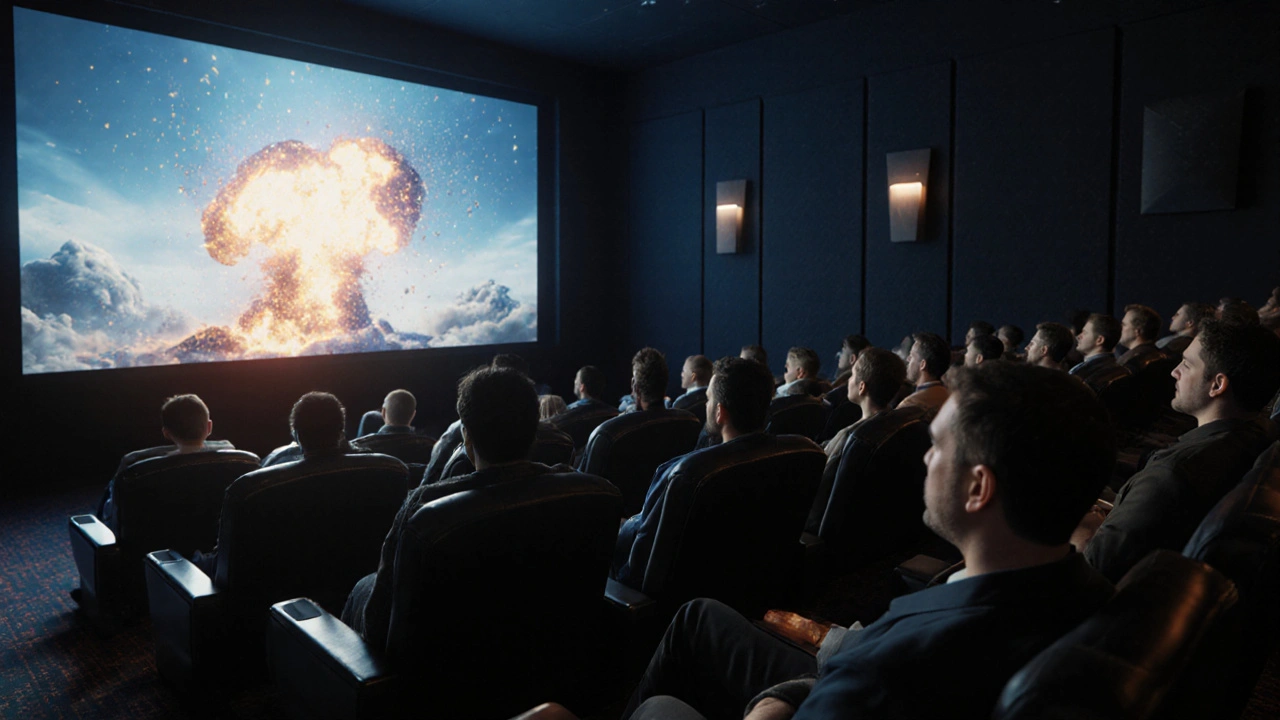
Think about the last time you watched a movie and felt the rumble of an explosion through your seat. Or when a character brushed past you on screen and you swore you felt it on your arm. That’s not magic. It’s haptics-and it’s no longer science fiction. By 2025, haptic technology is moving from theme park rides and gaming chairs into mainstream cinema, turning passive viewing into full-body immersion.
What Exactly Is Haptics in Film?
Haptics is the science of touch. In film, it means using small actuators, vibrating panels, or pressure-sensitive seats to deliver physical sensations that match what’s happening on screen. A footstep on gravel? You feel the grit under your feet. A dragon’s wing flapping overhead? You feel the air shift. A heartbeat in a suspense scene? Your chest pulses with it.
This isn’t just about shaking a chair. Modern haptic systems in theaters like those from Haptx is a company developing precision haptic feedback systems for immersive media. Also known as Haptx Feedback Systems, it was first deployed in select premium cinemas in 2023 and has since expanded to over 80 locations across North America and Europe. can simulate texture, temperature, and even airflow. They sync down to the millisecond with the film’s audio and visual cues. The result? Your body reacts before your brain even processes what you’re seeing.
Why Haptics Are More Than a Gimmick
Some people dismiss haptics as a flashy add-on. But the data says otherwise. A 2024 study by the University of Southern California’s Cinematic Arts department found that audiences exposed to haptic-enhanced scenes remembered 47% more emotional details than those watching standard versions. The effect was strongest in horror and action genres-where tension and physical stakes matter most.
Why? Because our brains don’t separate sight, sound, and touch. When you feel a car crash vibrate through your seat, your amygdala lights up like you’re in the car. That’s not just immersion-it’s embodiment. Filmmakers are starting to write scenes around this. Directors like Denis Villeneuve and Ava DuVernay have publicly stated they now storyboard haptic moments the same way they do lighting or score.
It’s not about making things louder or brighter. It’s about making them real. And that changes storytelling.
How It Works Behind the Scenes
Setting up haptics in a theater isn’t as simple as installing vibrating seats. It requires three layers:
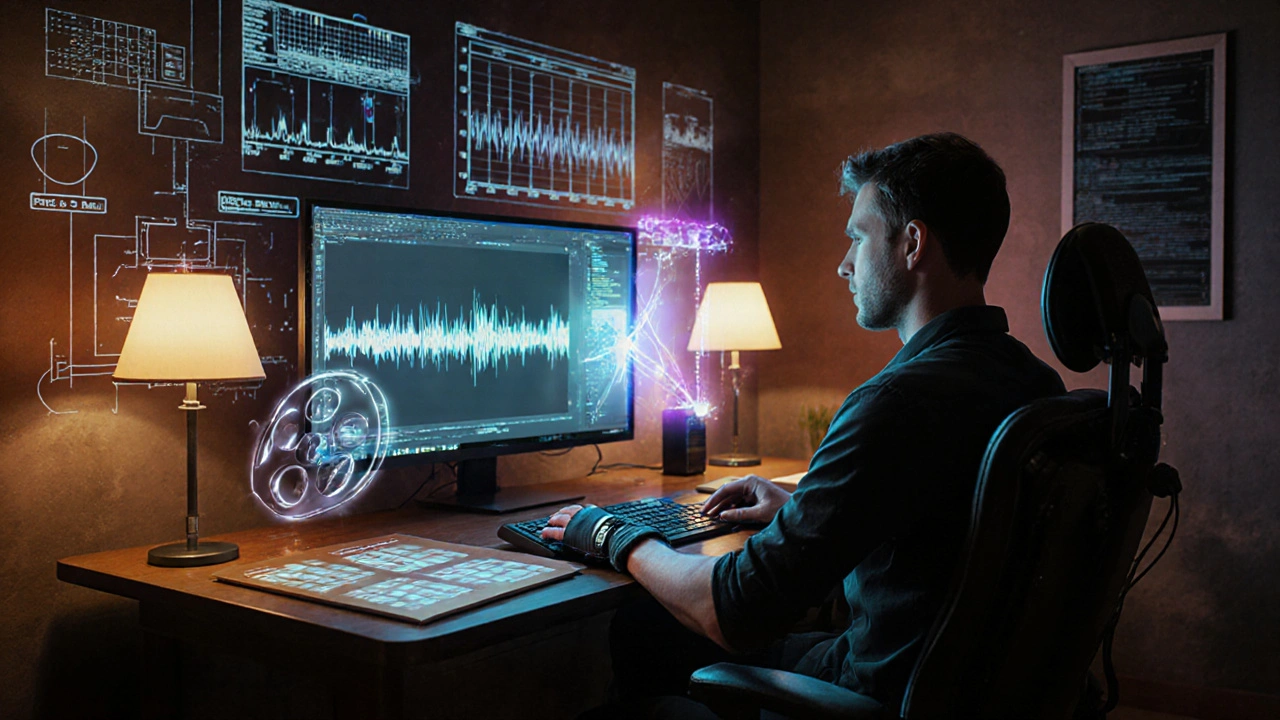
- Content creation: Sound designers now work alongside haptic engineers to map every tactile cue. A rustle of fabric isn’t just an audio sample-it’s assigned a 0.3-second vibration pulse at 120Hz. A splash in water gets a cool-air burst and a wetness simulation.
- Hardware calibration: Each seat has 16 to 24 individual actuators. They’re tuned to the viewer’s weight, posture, and even clothing thickness. A leather jacket might dampen feedback, so the system compensates.
- Real-time syncing: Using timecode embedded in the film’s digital file, the system triggers feedback within 12 milliseconds of the visual cue. That’s faster than human reaction time.
Some theaters, like the Dolby Cinema is a premium theater format by Dolby Laboratories that integrates advanced audio, visual, and haptic technologies. Also known as Dolby Atmos Theater, it was first introduced in 2012 and now includes haptic seating in over 1,200 global locations., use proprietary software that lets directors preview how a scene will feel before it’s released. Imagine being able to test if a punch lands with the right thud-or if a whisper feels too weak. That’s now possible.
What This Means for Filmmakers
For directors and editors, haptics opens up new tools. You can now guide emotion through touch. A slow, lingering hand on a shoulder doesn’t need a close-up-it can be felt. A character’s panic can be communicated through a sudden, erratic pulse in the seat, not just shaky camera work.
But it also adds complexity. A film shot in 2025 might have five different haptic versions: one for standard theaters, one for premium with full feedback, one for home systems, one for VR headsets, and one for accessibility modes (like vibration-only for the deaf or hard of hearing).
Some indie filmmakers are already experimenting. In 2024, a low-budget horror film called Whisper in the Walls used a DIY haptic system built with Arduino and piezoelectric actuators. It played in 12 small theaters and won an award at Sundance for “Most Innovative Sensory Experience.” That’s the future: tech isn’t just for blockbusters anymore.
Home Haptics: Bringing the Theater to Your Couch
You don’t need a theater to feel this. Companies like Tactile Gaming is a consumer haptics company that produces seat-integrated feedback systems for home theaters. Also known as Tactile Home Systems, it launched its first consumer product in early 2024 and has sold over 45,000 units globally. and Oculus Haptics is a division of Meta focused on integrating tactile feedback into home VR and entertainment systems. Also known as Meta Haptics, it released its first home theater module in late 2024. now sell haptic seat pads and under-couch systems that sync with streaming platforms like Netflix and Apple TV+. You plug them in, turn on the “Tactile Mode,” and your couch becomes a feedback device.
These systems don’t replace surround sound-they enhance it. A thunderstorm doesn’t just boom; it rolls across your back. A car chase doesn’t just rattle; it shudders through your spine. And yes, they work with your phone, tablet, or laptop too.
By 2026, analysts predict over 30% of new home theater setups will include haptic components. It’s becoming as common as 4K or Dolby Atmos.

Challenges and Ethical Questions
It’s not all smooth feedback. Some viewers report motion sickness when haptics don’t sync perfectly. Others say it’s too distracting-like being touched by a stranger. There’s also the cost: a full haptic theater upgrade can run $200,000 per screen. Smaller theaters can’t afford it.
And then there’s the creep factor. If a film can make you feel a kiss on your neck or a hand gripping your wrist, where’s the line between immersion and invasion? Some advocacy groups are pushing for “haptic consent” settings-options to disable touch feedback for certain scenes.
Privacy concerns are rising too. A few high-end systems track your heart rate and muscle tension during scenes. That data could be used to personalize future content-or sold to advertisers. No one’s regulating it yet.
The Future Is Touchable
By 2030, film might not be something you watch. It’ll be something you feel. Directors will design scenes for the body as much as the eyes. Imagine a war film where you feel the weight of a soldier’s pack, or a romance where the warmth of a hug lingers on your skin long after the credits roll.
This isn’t about replacing storytelling. It’s about deepening it. Touch is one of our oldest, most powerful senses. For centuries, cinema gave us sight and sound. Now, it’s finally giving us touch.
The next time you sit down to watch a movie, ask yourself: Do I just want to see it? Or do I want to feel it too?
Can I add haptics to my home theater without buying new seats?
Yes. Several companies now offer haptic seat pads, under-couch vibration strips, and even wearable vests that sync with streaming services. These cost between $150 and $600 and connect via Bluetooth or HDMI. You don’t need to replace your furniture-just add the tech.
Which movies currently support haptic feedback?
Major studios like Disney, Warner Bros., and Netflix have started releasing haptic-enabled versions of select films. Titles include Dune: Part Two, Avatar: The Way of Water, Oppenheimer, and The Marvels. Look for the "Haptic Mode" toggle in your streaming app’s playback settings.
Do haptic systems work with VR headsets?
Yes. Meta’s Quest Pro and Apple’s Vision Pro both support haptic feedback through integrated controllers and, in some cases, optional vests or seat modules. These systems can simulate wind, impacts, and even texture-like running your hand over a brick wall in a virtual scene.
Is haptic feedback safe for people with medical conditions?
Most systems are designed with safety limits and offer adjustable intensity. However, people with pacemakers, epilepsy, or chronic pain conditions should consult a doctor before use. Some theaters now offer “low-haptic” or “no-touch” seating options for accessibility.
Will haptics replace traditional sound and visuals?
No. Haptics enhances, not replaces. The best experiences combine crisp visuals, immersive sound, and precise touch. Think of it like adding salt to food-it doesn’t replace the dish, it makes it better.




Comments(8)