What makes a film score stick with you?
It’s not just the melody. It’s the sound palette-the raw material the composer uses to build emotion. Two dominant choices dominate modern film scoring: synthetic textures and full orchestral arrangements. One feels futuristic, the other timeless. But picking between them isn’t about which is "better." It’s about which one serves the story.
Synth scores: the digital heartbeat
Synthesizers exploded into film music in the late 1970s and early 1980s. Think Blade Runner (1982) or Tron (1982). These weren’t just background noise-they became characters. Synths can mimic human emotion with cold precision or create alien atmospheres no orchestra ever could.
Modern synth scores rely on analog-style oscillators, granular synthesis, and layered arpeggios. Hans Zimmer’s Blade Runner 2049 score used vintage Moog synths alongside digital processing to build a world that felt both nostalgic and broken. The low-end pulses in Stranger Things aren’t just nostalgic-they’re psychological. They trigger unease because they mimic the rhythm of a heartbeat gone wrong.
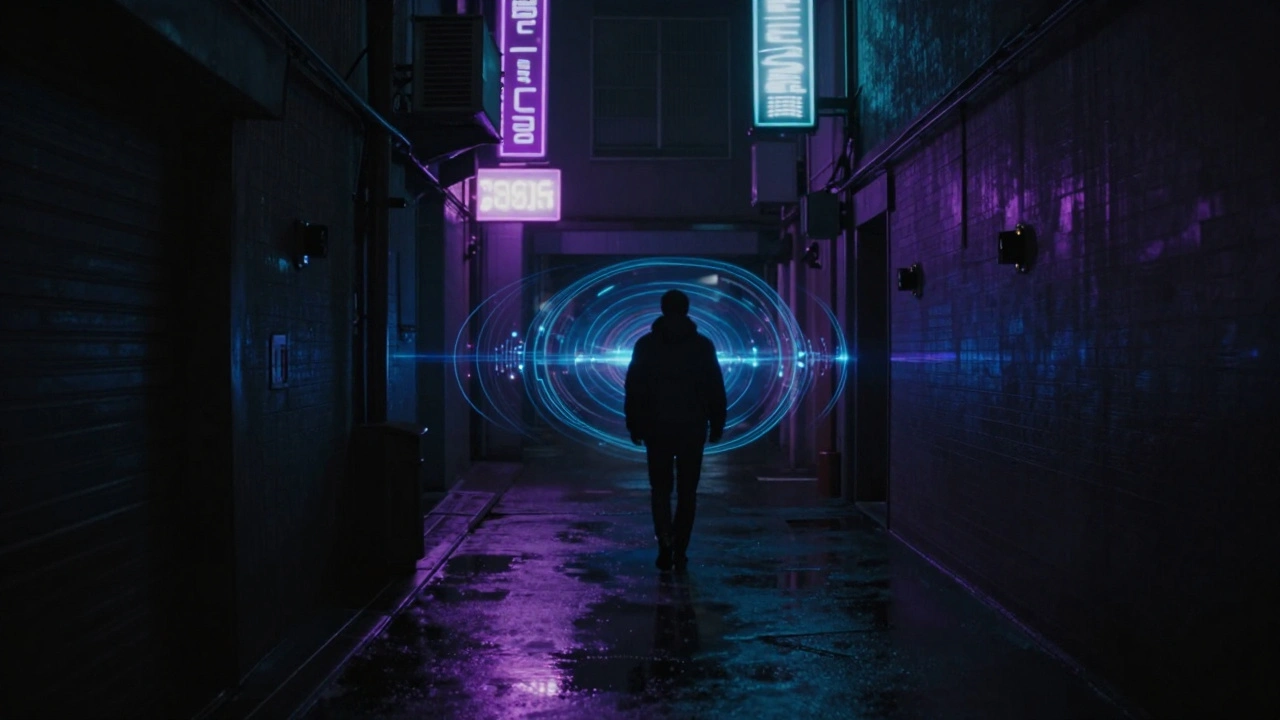
Synths excel when the story is about isolation, technology, or the uncanny. They work best when the visuals are minimal or sterile: glass towers, neon-lit alleys, empty spaceships. A synth score doesn’t need 80 musicians to feel massive. One oscillator, processed through a reverb tank, can fill a theater.
Orchestral scores: the emotional engine
Orchestral music has been the backbone of cinema since King Kong (1933). It’s the sound of sweeping emotion-love, loss, triumph, dread. A full string section can swell like a tide. Brass can scream with urgency. Percussion can feel like a hammer to the chest.
John Williams’ Star Wars themes aren’t just catchy. They’re built on orchestral architecture: leitmotifs tied to characters, harmonic progressions that mirror emotional arcs, dynamic shifts that match cuts on screen. The same goes for Howard Shore’s The Lord of the Rings scores-each race has its own instruments, timbres, and rhythms. Hobbits get folk flutes and harps. Orcs get distorted low brass and pounding taiko drums.
Orchestras are expensive. A 90-piece ensemble with choir can cost $500,000+ for a single film. But that cost buys something no synth can replicate: human imperfection. A violinist’s slight vibrato, a trombone’s breathy attack, the creak of a bow on string-these are the details that make emotion feel real.
When to pick synth over orchestra
Choose a synth score when:
- The film is set in the future, a dystopia, or a digital world
- Emotion is suppressed, detached, or mechanical
- There’s a theme of artificial intelligence, surveillance, or identity loss
- You want the music to feel invasive, like it’s coming from inside the character’s head
Take Her (2013). The score by Arcade Fire and Owen Pallett uses soft synths, muted percussion, and ambient pads. It doesn’t tell you how to feel-it mirrors the protagonist’s loneliness. A string section would have drowned the quiet. Synths let silence breathe.
Or It Follows (2014). The relentless, pulsing synth line isn’t just scary-it’s inescapable. Like the monster, it never stops. It doesn’t crescendo. It just keeps coming. That’s the power of synth: it doesn’t need drama to be terrifying.
When to pick orchestra over synth
Choose an orchestral score when:
- The story is epic, historical, or mythic
- Characters experience deep, raw emotion-grief, courage, redemption
- The setting is natural, organic, or grounded in human history
- You need the audience to feel connected to something timeless
The Revenant (2015) used sparse strings, choral hums, and wind instruments to mirror the vast, indifferent wilderness. The score doesn’t guide you-it observes. It’s not about heroism; it’s about survival. An orchestra here isn’t grandiose-it’s elemental.
Even in animated films like Spider-Man: Into the Spider-Verse (2018), orchestral elements anchor the chaos. The score blends hip-hop beats with sweeping strings to show that heroism isn’t new-it’s timeless. The orchestra gives weight to the cartoonish visuals.
Hybrid scores: the modern standard
Most big films today don’t choose one or the other. They combine both. Think Dune (2021). Hans Zimmer used a 120-piece orchestra, but also incorporated massive sub-bass tones, distorted vocal chants, and custom-built instruments like the pipe organ modified to play below human hearing range. The result? A score that feels ancient and alien at the same time.
Hybrid scores let you have the emotional depth of strings and the texture of synths. Interstellar used a pipe organ alongside electronic pulses to represent both human faith and cosmic scale. Mad Max: Fury Road mixed tribal percussion with distorted synths to create a post-apocalyptic rhythm that felt both primal and mechanical.
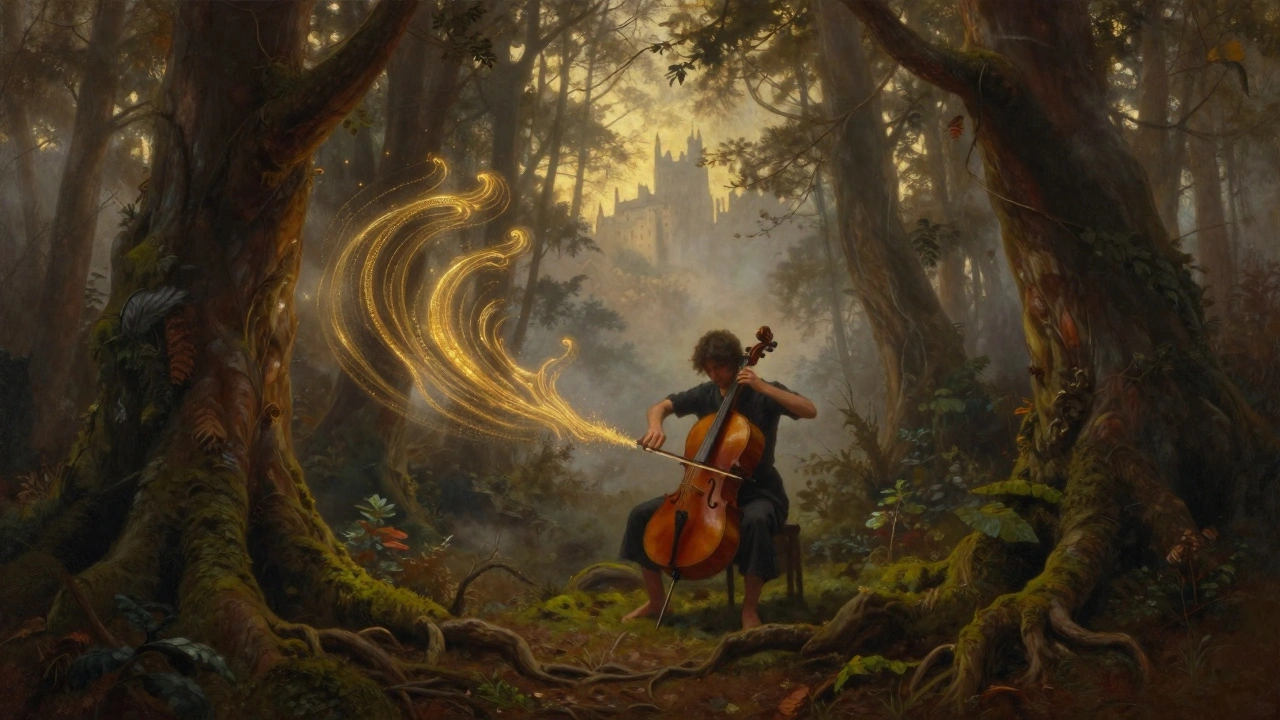
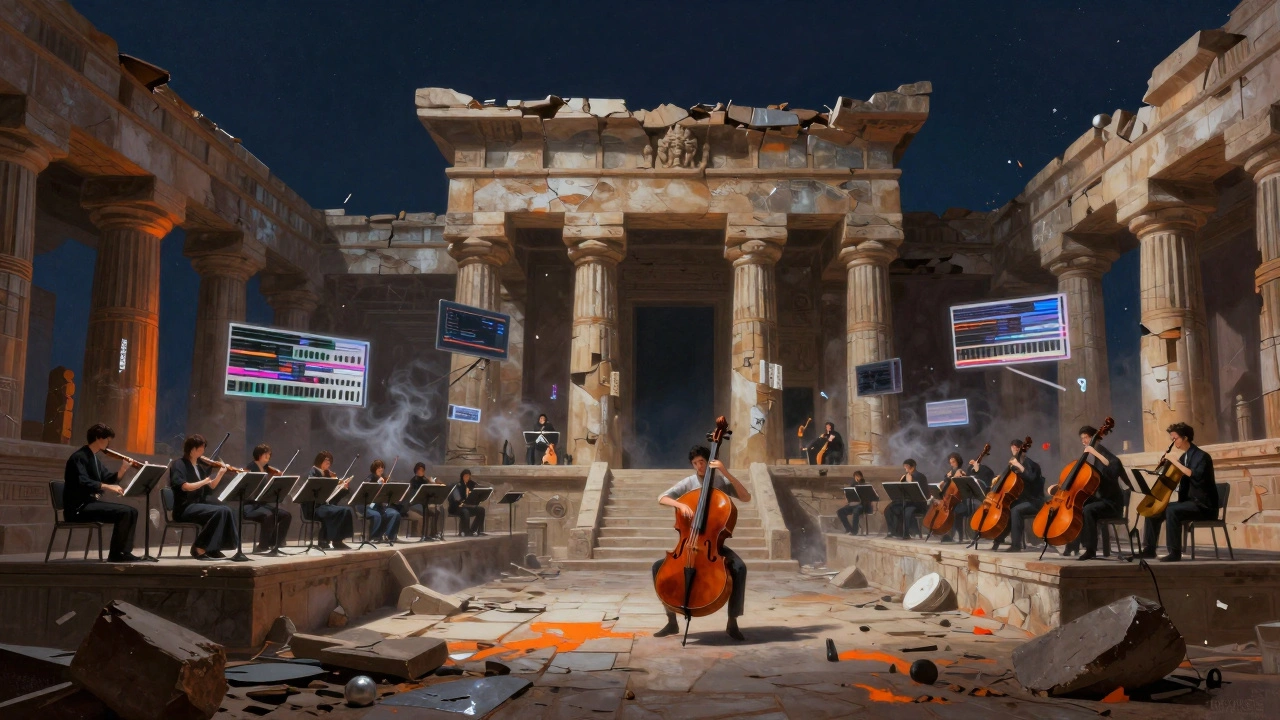
Hybrid doesn’t mean mixing randomly. It means layering with purpose. A synth pad can hold a drone while strings carry the melody. A solo cello can play over a glitchy beat to show vulnerability inside a machine.
What your budget really dictates
Let’s be honest: most indie filmmakers can’t afford a live orchestra. But that doesn’t mean you need to default to cheap synth libraries.
High-end orchestral sample libraries like Spitfire Audio’s Symphonic Orchestra or EastWest’s Hollywood Orchestra can sound astonishingly real-if you know how to use them. The trick isn’t buying the best samples. It’s knowing how to humanize them. Add slight timing variations. Layer two different violin sections. Use reverb that matches the scene’s acoustics-a stone cathedral vs. a metal warehouse.
On the synth side, avoid generic presets. A $50 pack of "epic sci-fi synths" will sound like every other trailer. Instead, record your own sounds. Run a guitar through a pedalboard. Sample a door creak. Process it with granular synthesis. That unique texture will make your score feel like it belongs to your film-not a stock library.
How to test your choice
Before locking in a sound palette, try this: mute the visuals. Play just the music. Does it tell a story on its own?
If you’re using a synth score, does it create tension without melody? If you’re using an orchestra, does it make you feel something before the character even speaks?
Another test: swap the scores. Play your sci-fi thriller with a full string section. Play your period drama with a pulsing analog synth. If it feels wrong, you’ve found your answer.
Final rule: sound serves story, not style
There’s no right answer between synth and orchestral. Only the right one for your film.
James Cameron’s Aliens used a hybrid score-military percussion, eerie synths, and a haunting choir. Why? Because the story wasn’t just about monsters. It was about soldiers in a cold, mechanical world fighting something ancient and alive. The music had to reflect both.
Don’t pick a sound because it’s trendy. Pick it because it makes the audience feel what the characters feel. A synth can break your heart. An orchestra can terrify you. The tool doesn’t matter. The intention does.
What happens when you get it wrong
Bad scoring doesn’t come from bad notes. It comes from mismatched emotion.
Imagine a quiet indie drama about grief, scored with booming brass and thunderous timpani. It feels manipulative. Or a horror film with a floating synth pad, but the monster is a screaming, blood-covered killer. The music doesn’t match the violence-it undercuts it.
When the sound palette doesn’t align with the visuals and the story, the audience disengages. They don’t notice why. They just feel something’s off.
Start with the silence
Before you pick a synth or a string section, ask: what does silence sound like in this film?
Is it empty? Oppressive? Peaceful? The answer tells you everything.
If silence feels heavy, use deep synths that vibrate in your chest. If silence feels sacred, use a single cello note that lingers. If silence feels like the end of something, let the music fade out slowly-no crescendo, no climax. Just the echo of what’s gone.
Can I use both synth and orchestral elements in the same film?
Yes, and most modern films do. Hybrid scores are now the standard for big productions. The key is intentionality-layer synths and orchestral instruments to serve the story, not just to sound impressive. For example, use strings for emotional moments and synths for mechanical or digital elements within the same scene.
Is orchestral music more expensive than synth music?
Yes, significantly. Recording a live orchestra with a choir can cost $300,000 to $1 million, depending on size and location. A synth score using sample libraries can be done for under $10,000, especially if you produce it yourself. But high-end orchestral sample libraries like Spitfire Audio or EastWest can cost $1,000-$3,000-still far cheaper than live recording.
Do audiences prefer one over the other?
Audiences don’t consciously choose. They respond to emotion. A synth score in Blade Runner 2049 made viewers feel isolated. An orchestral score in Avatar: The Way of Water made them feel awe. The preference isn’t for the instrument-it’s for the feeling it creates. The right sound palette makes the audience feel the story without realizing why.
Can I use synth sounds to mimic an orchestra?
You can come close, but never fully replicate. Synths can imitate the pitch and volume of strings or brass, but they can’t reproduce the subtle imperfections of human performance-the breath in a flute, the bow noise on a violin, the slight delay between players. These imperfections are what make orchestral music feel alive. Use synth orchestras as placeholders, not replacements, unless you’re intentionally going for artificiality.
What’s the most common mistake when choosing a film score?
Picking a sound because it’s popular or familiar, not because it fits the story. Using a dramatic orchestral swell in a quiet character moment, or a cold synth drone in a warm family scene-these mismatches break immersion. The score should feel inevitable, not decorative.