Women filmmakers still face major hurdles when it comes to funding. Even in 2025, only about 30% of feature films in the U.S. have a woman as director or co-director. And when it comes to big-budget projects, that number drops below 15%. But the landscape is changing-slowly, steadily, and with more support than ever before. If you’re a woman filmmaker looking to make your next project, you’re not alone. There are more grants and fellowships available now than in any previous year, and many are specifically designed to lift up voices that have been left out for decades.
Why These Programs Exist
The gap isn’t just about numbers. It’s about stories. Women, especially women of color, LGBTQ+ women, and women from rural or low-income backgrounds, often don’t have access to the networks or capital that male filmmakers take for granted. Grants and fellowships aren’t charity-they’re corrections. They’re tools to balance the scale. Organizations know that diverse storytelling leads to better films, bigger audiences, and more sustainable careers. That’s why they’re putting real money behind it.
Some of these programs give you $50,000. Others give you mentorship, equipment access, or a year of studio support. A few even cover childcare during production. The best ones don’t just hand out cash-they build pipelines.
Top 5 Grants for Women Filmmakers in 2025
Here are the most impactful, actively accepting applications right now:
- Women Make Movies (WMM) Production Grant - Offers up to $25,000 for documentary projects led by women. No U.S. citizenship required. Past winners include filmmakers from Nigeria, India, and Chile. Deadline: March 15, 2025.
- Netflix Foundation Women’s Film and Television Fellowship - A $75,000 award for emerging female directors in the U.S., Canada, and the UK. Includes a mentorship with a Netflix executive and access to their post-production facilities. Open to narrative, documentary, and hybrid formats. Deadline: April 30, 2025.
- Sundance Institute’s Women at Sundance Fund - Provides up to $50,000 in production funding for feature-length films by women. Priority goes to Indigenous, Black, Latina, and disabled women. Must be in development or production phase. Deadline: May 1, 2025.
- Time’s Up Foundation’s Film Fund - Awards $10,000-$50,000 to women-led projects that challenge gender norms or center marginalized voices. Accepts short films, features, and web series. Requires proof of community impact. Deadline: June 15, 2025.
- Women in Film (WIF) Los Angeles Crystal Award Grant - Not just a cash prize. This $30,000 grant includes a full year of legal, marketing, and distribution support from WIF’s industry partners. Only open to women based in California or willing to relocate for production. Deadline: July 1, 2025.
Fellowships That Change Your Career Path
Grants pay for your film. Fellowships pay for your future.
These programs are longer-term investments. They’re designed for filmmakers who aren’t just looking for money-they’re looking for a career.
- AFI Directing Workshop for Women - A nine-month program that gives you $20,000 to make a short film, plus access to AFI’s equipment, crew, and alumni network. Past participants have gone on to direct for HBO, Amazon, and Apple TV+. No prior directing experience needed. Applications open February 1, 2025.
- Directors Guild of America (DGA) Women’s Steering Committee Fellowship - A paid, year-long apprenticeship on a major studio or streaming production. You’ll shadow a director, attend meetings, and get real credits. Stipend: $45,000. Only open to U.S. residents. Deadline: March 1, 2025.
- International Women’s Film Festival (IWFF) Fellowship - Based in Berlin, this fellowship supports women from non-Western countries. Includes a $60,000 budget, a 6-month residency, and a premiere at the Berlinale. Must submit a project in development. Deadline: April 15, 2025.
What They’re Looking For
These programs don’t just want your resume. They want your vision.
Successful applicants usually have:
- A clear, specific story-not a vague idea like "a story about women." Something like: "A deaf Indigenous mother in Alaska fights to keep her daughter from being placed in a foster home that doesn’t sign."
- Proof you’ve started working. Even a 2-minute test reel, a script with notes from feedback sessions, or a crowdfunding page counts.
- A plan for how the money will be used. Don’t say "for production." Say: "$15,000 for location permits in rural New Mexico, $8,000 for hiring a local sound recordist who speaks Navajo."
- A sense of community. Many funders prioritize projects that involve or benefit the communities they portray.
Don’t underestimate the power of a well-written application. One filmmaker told me she rewrote her personal statement 17 times. She won a $50,000 grant. The winning version? It was only 400 words. Simple. Honest. Specific.
Where to Find More
Don’t stop at the big names. Hundreds of smaller organizations offer funding too.
Check out:
- Film Independent’s Project: Involve - Supports women of color in independent film. Grants up to $20,000.
- International Documentary Association (IDA) Fiscal Sponsorship - Lets you raise funds through their nonprofit status. No direct grant, but opens doors to donors.
- Women in Film & Video DC - Offers microgrants of $5,000 for local projects in the D.C. area.
- Women in Film & Television International (WIFTI) - Has chapters in over 50 countries. Many offer local grants.
Bookmark the Women in Film Grants Database. It’s updated weekly and includes deadlines, eligibility, and past winners.
Common Mistakes to Avoid
Even strong filmmakers get rejected-not because their idea isn’t good, but because they make avoidable errors.
- Applying too late. Many deadlines are early in the year. Don’t wait until March if the deadline is February 1.
- Using the same application for every grant. Tailor your statement. If the grant focuses on diversity, talk about your background. If it’s about innovation, explain your unique approach.
- Not including visuals. Even if they don’t require a reel, send a 30-second teaser. It shows you’re serious.
- Ignoring the fine print. Some grants require you to credit them in your film. Others demand you submit your final cut to their archive. Know the rules before you apply.
What Happens After You Win
Getting the money is just the start.
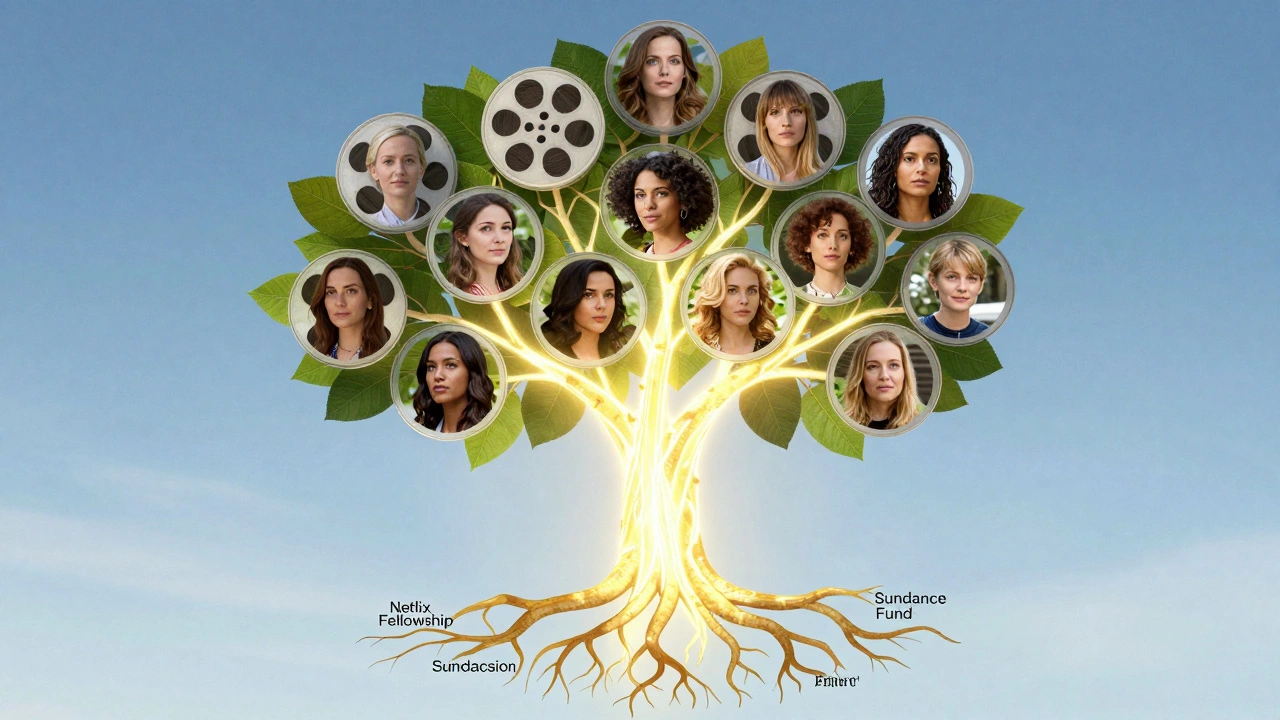
Many programs require progress reports, public screenings, or social media updates. Some ask you to mentor another filmmaker. These aren’t burdens-they’re connections. One filmmaker I spoke with met her producer through a mandatory networking event tied to her grant. They made a feature that premiered at Sundance last year.
Keep track of deadlines for film festivals too. Many grants require you to submit your film to at least one major festival within 12 months. That’s not a restriction-it’s a launchpad.
Final Advice
Don’t wait for permission. Don’t wait for the perfect moment. The perfect moment is now.
There are more resources than ever. More eyes watching. More people ready to say yes. You don’t need to be famous. You don’t need to have a big budget. You just need a story worth telling-and the courage to ask for help.
Start today. Pick one grant. Read the guidelines. Write one paragraph about why your film matters. That’s your first step.
Can international women filmmakers apply for U.S.-based grants?
Yes, many U.S.-based grants accept international applicants. Programs like Women Make Movies and the International Women’s Film Festival Fellowship specifically welcome filmmakers from outside the U.S. However, some, like the DGA Fellowship, require U.S. residency. Always check the eligibility section carefully. If a grant doesn’t mention citizenship, assume you’re eligible.
Do I need to have made a film before to qualify?
No. Many fellowships, like the AFI Directing Workshop for Women, are designed for first-time directors. What matters is your vision, your commitment, and your ability to explain why this story needs to be told now. A rough script, a treatment, or even a detailed storyboard can be enough to get you noticed.
How competitive are these grants?
Extremely. Top programs receive 300-800 applications for 5-15 spots. But competition doesn’t mean it’s impossible. Last year, the Netflix Foundation Fellowship received 712 applications and awarded 12 fellowships. The winning applicants didn’t have the biggest budgets-they had the clearest voices. Focus on authenticity over polish.
Can I apply for multiple grants at once?
Yes, and you should. Most grants don’t restrict you from applying elsewhere. In fact, applying to multiple programs increases your chances. Just make sure each application is tailored. Don’t copy-paste. Each funder has different priorities-adjust your message accordingly.
What if I’m rejected?
Rejection is normal-even for Oscar-nominated filmmakers. If you’re turned down, ask for feedback. Most organizations will give you a brief note if you email politely. Use that feedback to improve your next application. Keep applying. Many successful filmmakers applied 3-5 times before winning. Persistence matters more than perfection.
Are there grants for trans women and non-binary filmmakers?
Yes. Many programs now explicitly include trans women and non-binary filmmakers under their definition of "women." The Time’s Up Foundation and Women Make Movies both state they welcome gender-diverse applicants. If a grant doesn’t specify, reach out directly. Most funders are happy to clarify.
Next Steps
Here’s what to do right now:
- Go to Women in Film Grants Database and filter by "open deadlines in 2025."
- Pick one grant that matches your project type (documentary, narrative, short, etc.).
- Write down your film’s logline in one sentence.
- Sketch out how you’d spend $10,000 on it.
- Set a calendar reminder for the deadline-two weeks before it’s due.
You don’t need to have everything figured out. You just need to start.






Comments(5)