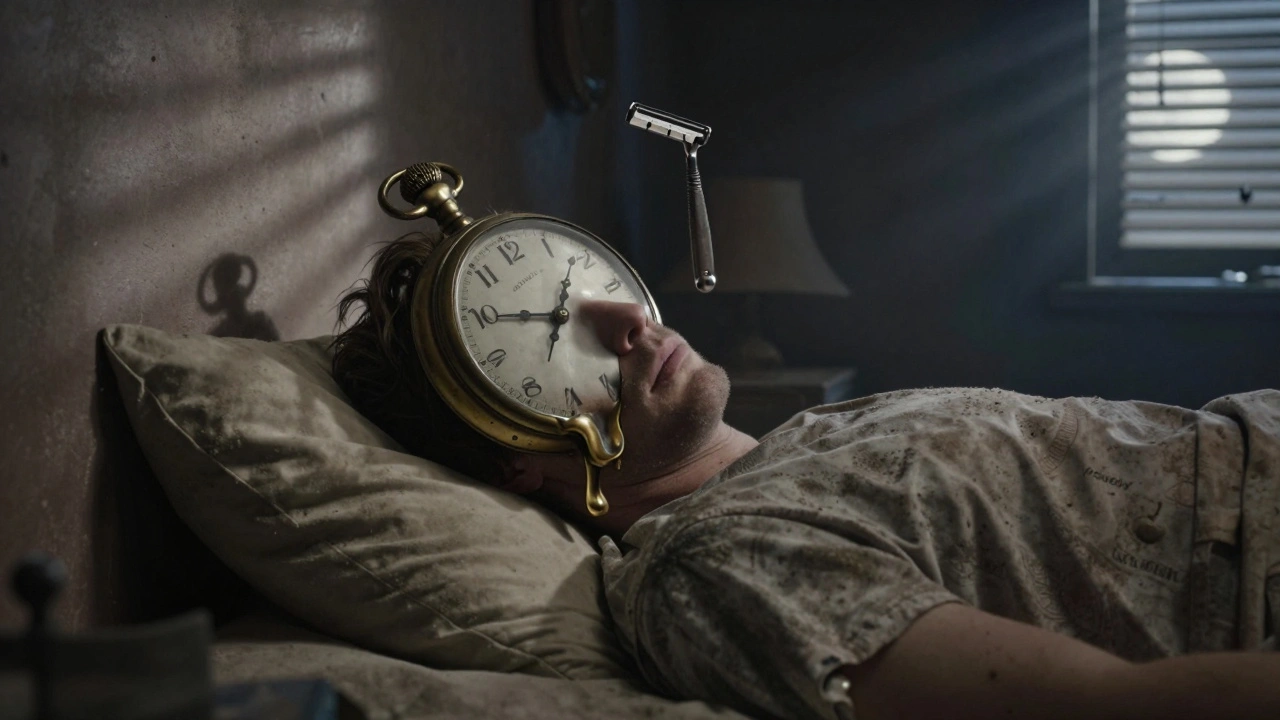
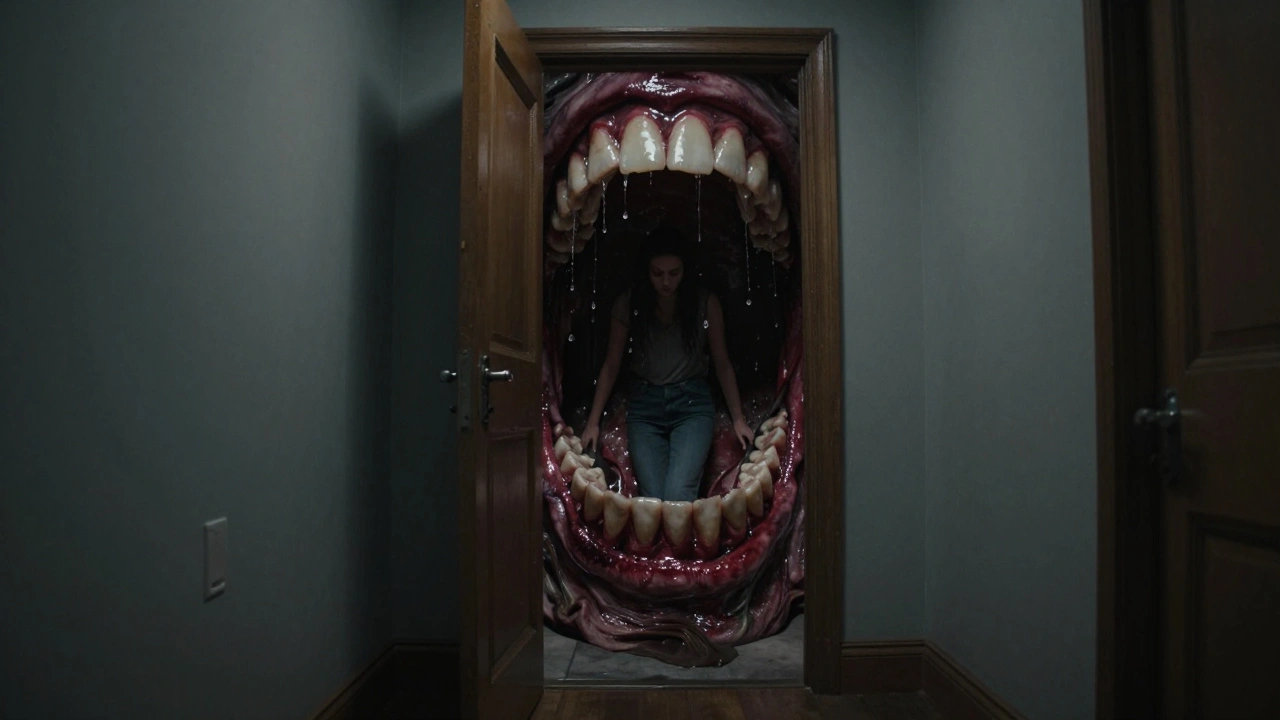
Surrealism in cinema doesn’t just show weird images-it rewires how you think about reality. Forget dragons or aliens. True surrealism in film is when a man wakes up to find his face has turned into a clock, or a woman walks through a door only to find herself inside a giant mouth. These aren’t random gags. They’re attacks on logic, designed to expose what’s buried under our daily routines: fear, desire, madness, memory.
It started in the 1920s, right after World War I shattered Europe’s faith in reason. Artists like Salvador Dalí and André Breton believed the unconscious mind held deeper truths than logic ever could. They turned to dreams-not as escape, but as a map. And soon, filmmakers picked up the same tools. The goal wasn’t to entertain. It was to unsettle. To make you question if what you call "real" is just a carefully constructed lie.
How Surrealism Breaks the Rules of Storytelling
Traditional movies follow cause and effect. Character wants something. Faces obstacle. Overcomes it. Ends changed. Surrealist cinema throws that out. Time doesn’t move forward-it loops, shatters, or evaporates. Characters appear and vanish without explanation. Objects change meaning mid-scene. A hand becomes a tree. A train becomes a coffin.
Take Luis Buñuel and Salvador Dalí’s Un Chien Andalou (1929). The opening shot: a man sharpens a razor. He slices open a woman’s eye. Blood trickles. Cut to a cloud slicing the moon. No setup. No context. No moral. Just pure, brutal imagery. The film doesn’t ask you to understand it. It asks you to feel it. That’s the core of surrealist storytelling: emotion over explanation.
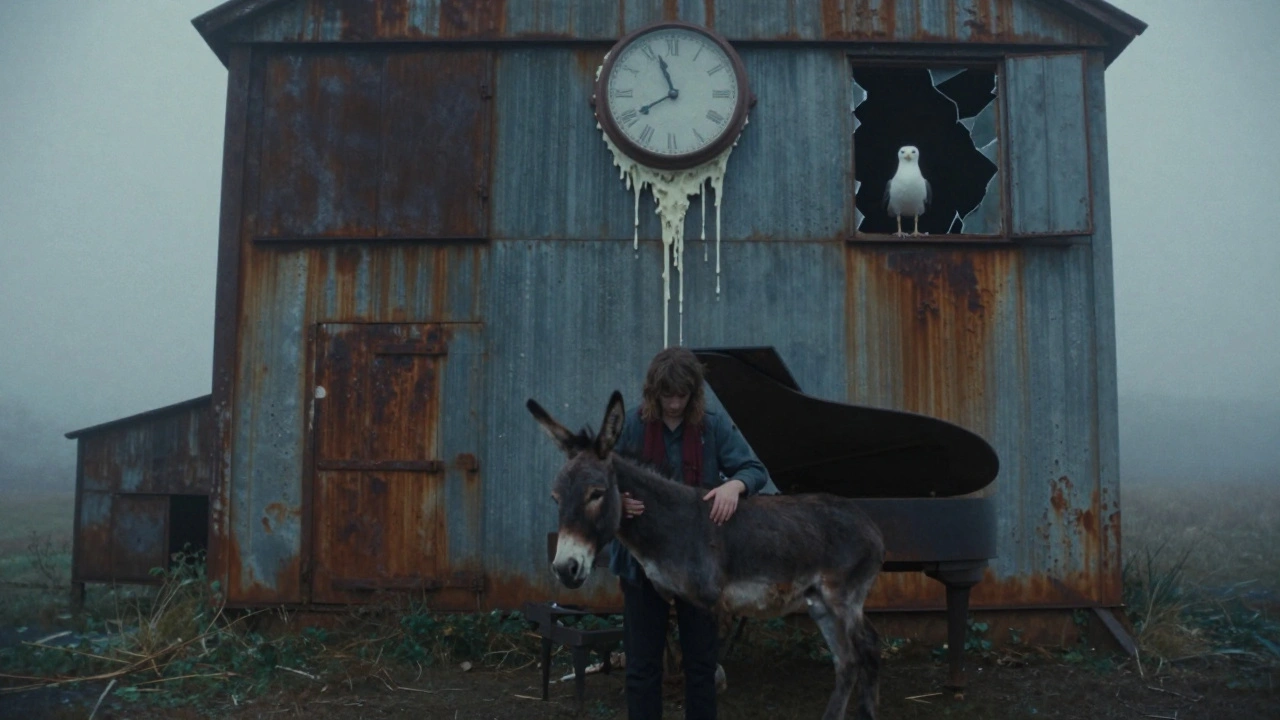
There’s no hero’s journey here. No redemption arc. Instead, you get obsession. Compulsion. Repetition. A man keeps trying to enter a house but can’t. A woman stares at a dead donkey on a piano. Why? Because the unconscious doesn’t care about plot. It cares about symbols. And in dreams, a dead animal isn’t just dead-it’s guilt. A piano isn’t music-it’s repression.
Key Films That Redefined Dream Logic
Three films changed everything. They didn’t just use surrealism-they built entire languages around it.
- Un Chien Andalou (1929): The blueprint. No dialogue. No plot. Just shock, repetition, and symbolic violence. It proved you could make a film that made no sense-and still haunt people for decades.
- L’Age d’Or (1930): Buñuel’s follow-up. A love story between two people constantly blocked by society, religion, and their own impulses. The ending? A man kisses a woman’s foot as a bishop is burned alive. It’s not about shock. It’s about the absurdity of moral control.
- Eraserhead (1977): David Lynch’s nightmare of industrial decay and fatherhood. A man raises a deformed baby in a world that hums with static. The sound design alone-dripping water, grinding metal, distant screams-feels like a dream you can’t wake up from. No one explains the baby. No one needs to. You feel its weight.
These films don’t tell stories. They recreate the experience of dreaming. You don’t remember how you got there. You only remember how it felt.
Why Surrealism Still Matters Today
Modern audiences think they’ve seen everything. CGI monsters. Time loops. Alternate realities. But most of those are just clever tricks. Surrealism isn’t about spectacle. It’s about vulnerability.
Look at Everything Everywhere All At Once (2022). On the surface, it’s a multiverse action comedy. But underneath? It’s pure surrealism. A woman finds a universe where people have hot dog fingers. Another where emotions are expressed through interpretive dance. The film doesn’t explain why. It just lets you sit in the absurdity. And that’s when it hits you: this isn’t fantasy. This is how anxiety feels.
Or take The Lighthouse (2019). Two men trapped on an island. The sea never stops screaming. A seagull becomes a god. A mermaid appears-then vanishes. The film has no clear ending. It ends with a scream. And you leave wondering: was it madness? Or was the world always this broken, and we just pretended otherwise?
Surrealism isn’t dead. It’s hiding in plain sight. In music videos. In commercials. In viral TikTok edits. The difference? Back then, filmmakers were rebels. Now, it’s just content. But when done right-when it’s not just weird for weird’s sake-it still cuts through the noise.
How to Recognize Real Surrealism (Not Just Weirdness)
Not every strange movie is surreal. A monster movie with a mutant shark isn’t surreal. A superhero who flies through walls isn’t surreal. They’re fantasy. Or horror. Or action.
Real surrealism has three signs:
- Symbolism over plot: A broken clock isn’t broken. It’s time collapsing. A door that won’t open isn’t stuck. It’s a blocked memory.
- Emotional truth over logic: You don’t need to understand why the character is crying. You feel it. The film doesn’t explain grief-it makes you live it.
- Repetition with variation: The same image returns, but changed. A hand appears in every scene. First it’s holding a knife. Then it’s holding a flower. Then it’s melting. The meaning shifts. The feeling stays.
If a film relies on jump scares, plot twists, or CGI to feel strange, it’s not surreal. It’s trying too hard. Surrealism doesn’t shout. It whispers-and then it lingers.
What Surrealism Reveals About Us
Why do we keep returning to these films? Because they show us what we bury.
Modern life tells us to be productive. To be rational. To control our emotions. Surrealist cinema says: you’re not in control. Your dreams are. Your fears are. Your repressed memories are. And they’re screaming.
That’s why Eraserhead still terrifies new viewers. Not because of the baby. But because it mirrors the terror of becoming a parent without being ready. Why does Un Chien Andalou still shock? Not because of the eye. But because it shows how easily we normalize violence when it’s wrapped in beauty.
Surrealism doesn’t give you answers. It gives you questions that stick. Why do I feel this way? Why does this image haunt me? What am I avoiding?
That’s the power of it. You don’t watch a surrealist film. You wake up inside it.
Where to Start If You’re New to Surrealist Cinema
If you’ve never seen a surrealist film before, don’t jump into Eraserhead or The Holy Mountain. Start here:
- Un Chien Andalou (1929) - 16 minutes. No dialogue. Pure imagery. Watch it once. Then watch it again. Let the images sink in.
- Meshes of the Afternoon (1943) - 14 minutes. A woman relives a dream. A key. A mirror. A knife. Made by Maya Deren, it’s the first American surrealist film. Quiet. Haunting. Perfect for beginners.
- Wild at Heart (1990) - David Lynch’s most accessible surreal film. It has a plot. Sort of. But it’s full of talking monkeys, Elvis, and a killer with a knife made of glass. It’s chaotic, but it feels like a fever dream you can follow.
Don’t try to understand them. Just feel them. Take notes on how they make your body react. Do you feel tense? Nauseous? Sad? That’s the point.
Why Surrealism Isn’t for Everyone
Some people hate it. They call it pretentious. They say, "I don’t get it." And they’re right. You’re not supposed to "get" it. You’re supposed to feel it.
Surrealism doesn’t offer comfort. It doesn’t reward patience with clarity. It rewards patience with transformation. If you’re looking for a story that ends with a hug and a lesson, look elsewhere.
But if you’ve ever woken up from a dream and couldn’t shake it-because it felt more real than your waking life-then you already know what surrealism is trying to say.
What’s the difference between surrealism and fantasy in film?
Fantasy creates new worlds with rules-magic systems, dragons, alternate dimensions. Surrealism doesn’t build worlds. It cracks open the one we already live in and shows what’s hidden underneath: fear, desire, memory. A dragon is a creature. A melting clock is a feeling.
Can a modern movie be surrealist without being confusing?
Yes. Films like Everything Everywhere All At Once and The Lighthouse use surreal imagery but ground it in strong emotion. You don’t need to understand every symbol to feel the loneliness, guilt, or rage behind it. The confusion isn’t the point-the feeling is.
Is David Lynch a surrealist filmmaker?
Absolutely. Lynch doesn’t use dream logic to escape reality-he uses it to expose how broken reality already is. His films aren’t about weirdness. They’re about repression. The silence between words. The thing you refuse to name. That’s pure surrealism.
Why do surreal films often feature mirrors, doors, and clocks?
Mirrors show fractured identity. Doors represent blocked access to truth or memory. Clocks symbolize time breaking down-how we lose control over our lives. These aren’t random props. They’re psychological symbols that appear again and again because they tap into universal unconscious fears.
Are there any surrealist films made after 2020?
Yes. The Power of the Dog (2021) uses silence and tension like a surrealist painting. Talk to Me (2022) turns possession into a metaphor for grief. The Substance (2024) uses body horror to explore aging and identity. They don’t look like 1920s films, but they use the same tools: symbolism, repetition, and emotional truth over plot.
If you want to see the world differently, watch a surrealist film. Not to analyze it. Not to understand it. Just to let it sit inside you. Let it unmake your sense of order. Because sometimes, the only way to see the truth is to stop trying to make sense of it.