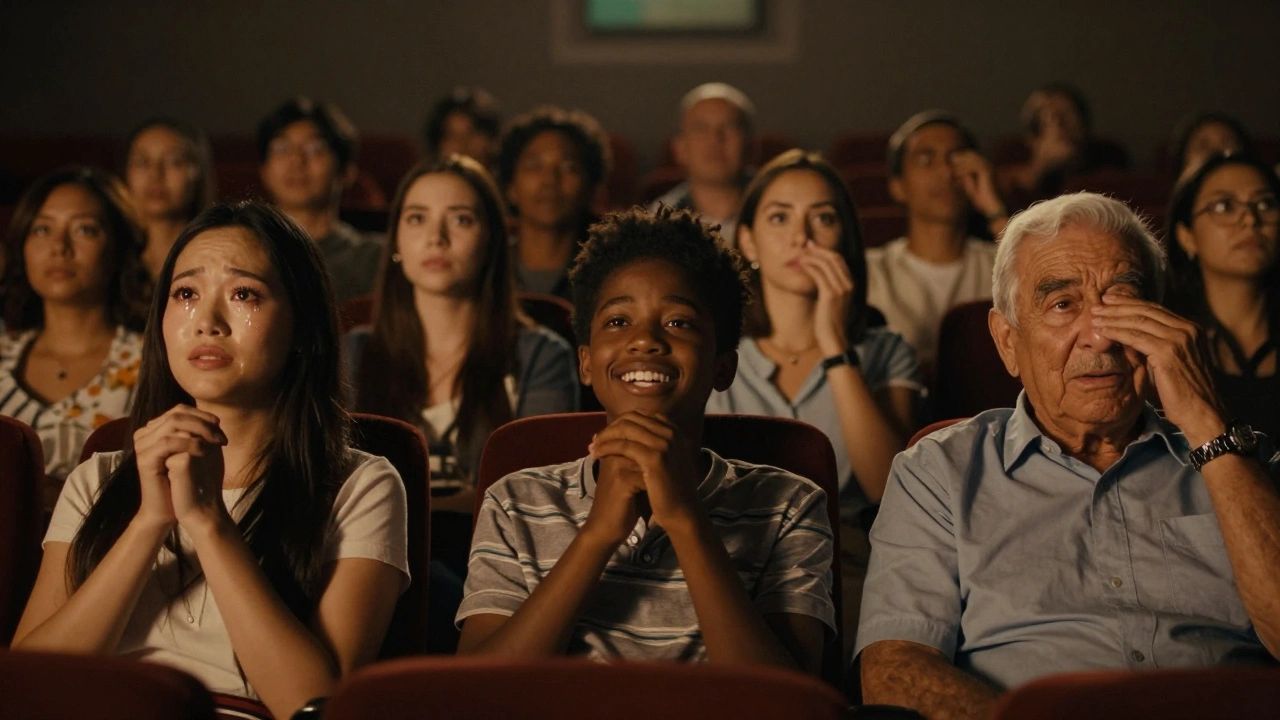
For years, studios claimed diverse films were risky. That idea started to crack in 2018 when Black Panther made over $1.3 billion worldwide. But money isn’t the whole story. The real test isn’t just how much a film earns-it’s how audiences feel when they leave the theater. Do they see themselves? Do they feel seen? And more importantly, do they want to come back for more?
What Does Audience Reception Actually Mean?
> Audience reception isn’t just ratings or ticket sales. It’s the emotional response, the conversations on social media, the word-of-mouth that turns a movie into a cultural moment. Take Crazy Rich Asians in 2018. It wasn’t the highest-grossing film of the year, but it sparked a global conversation. Asian audiences flooded Twitter with posts like, “I’ve never seen my family in a movie like this.” Critics gave it good reviews, but the real impact came from viewers who said, “I cried because I finally felt normal.” That’s the difference between commercial success and cultural resonance. A film can make money without moving people. But when it does both, it changes the industry.How Do You Measure Emotional Impact?
Studios track box office numbers, streaming views, and social media mentions. But those metrics miss the deeper stuff. Here’s what actually works:- Post-screening surveys - Asking viewers: “Did you feel represented?” “Did you learn something new?” “Did you feel like this story was told authentically?”
- Social listening tools - Monitoring hashtags, comments, and Reddit threads for phrases like “I saw myself in this character” or “This felt real.”
- Focus groups with underrepresented audiences - Not just asking if they liked it, but whether they felt the story avoided stereotypes, tokenism, or trauma porn.
- Long-term engagement - Did people rewatch it? Did they recommend it to friends? Did it become part of their identity? Moana didn’t just make money-it became a cultural touchstone for Pacific Islander communities.
When Diversity Feels Like a Checklist
Not all diverse films land well. Some feel forced. Like when a film adds one Black character who only exists to die for the white protagonist’s growth. Or when a disabled character is portrayed only as inspirational, never as complex. Audiences spot this. They call it out. And they don’t forget it. Look at Ghostbusters (2016). It had a diverse cast, but critics and fans called out the lack of meaningful character depth. The movie made money, but the backlash stuck. People didn’t just say, “It’s not funny.” They said, “You used diversity as a marketing gimmick.” The lesson? Representation without authenticity is worse than no representation at all. Audiences want to see full humans-not symbols.
What Works: Real Stories, Real Voices
Some films get it right. Not because they’re perfect, but because they’re honest. Minari (2020) didn’t have a big marketing budget. But it connected deeply with Korean-American families. Why? Because the director, Lee Sung Jin, grew up in the same situation. The family’s struggles with language, identity, and belonging weren’t exaggerated-they were quiet, messy, and real. Everything Everywhere All At Once (2022) made over $140 million. But its real win? A wave of Asian parents telling their kids, “I finally understand what you’ve been going through.” The film didn’t preach inclusion-it showed it in the way a mother hugs her daughter after years of silence. These films didn’t try to be “important.” They just told true stories with care. And audiences noticed.The Myth of the “Niche” Audience
For decades, studios believed diverse stories were “niche.” That meant smaller budgets, limited releases, and less promotion. But data says otherwise. In 2024, the Motion Picture Association found that films with majority non-white casts had higher per-theater averages than white-led films in the same genre. In fact, Barbie and The Super Mario Bros. Movie both outperformed most white-led comedies in international markets-not because they were “diverse,” but because they were emotionally rich. Audiences aren’t divided by race or identity. They’re divided by quality. A well-told story with heart travels farther than any marketing campaign.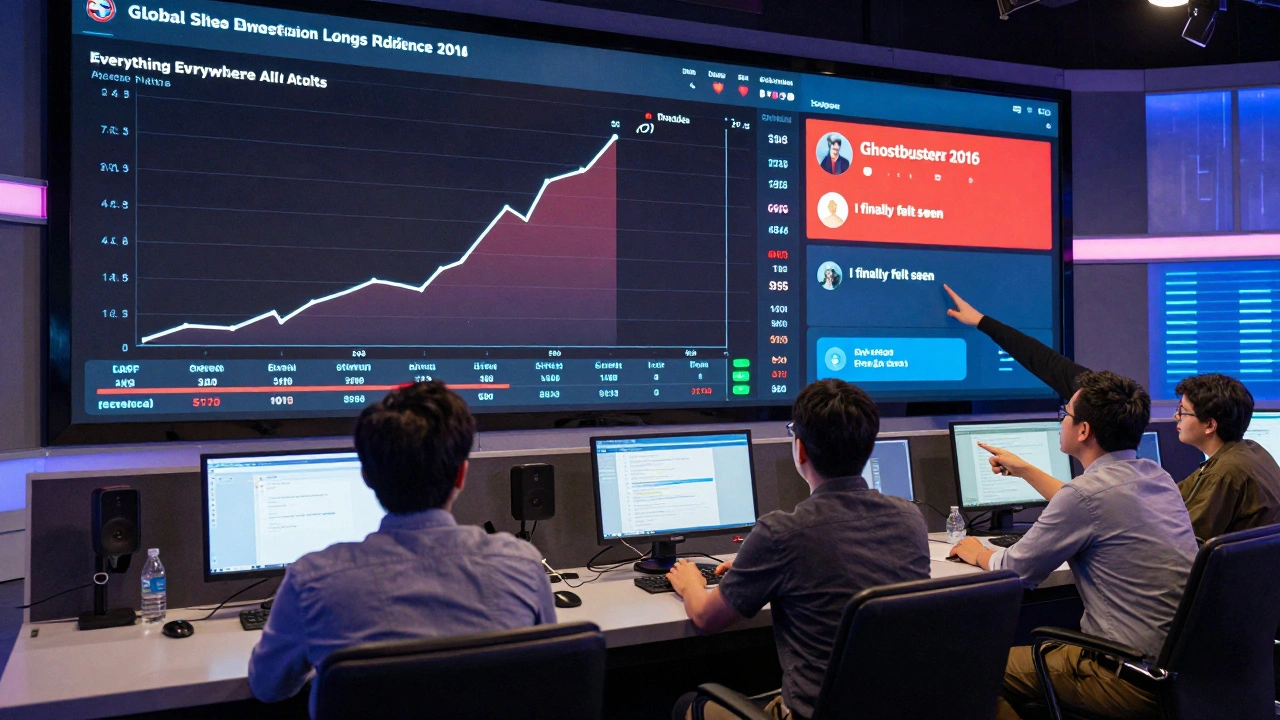
What’s Changing in 2026?
The industry is finally shifting. Studios now hire audience insight teams before production even starts. They test early cuts with diverse focus groups-not just to fix plot holes, but to check emotional impact. Netflix and Amazon now track “emotional resonance scores” alongside viewership numbers. If a film scores high on representation but low on emotional connection, it gets shelved-even if the budget’s already spent. Independent filmmakers are leading the charge. With tools like TikTok and YouTube, they bypass traditional gatekeepers. A short film by a trans director in rural Texas can go viral and get picked up by a major studio-all because real people shared it. The old model-“We don’t know if this will sell”-is dead. The new model is: “Did it matter to someone?”Why This Matters Beyond the Box Office
Movies shape how we see the world. When kids grow up seeing only one kind of hero, they learn that only certain people get to be the lead. When they see someone who looks like them, speaks like them, or loves like them on screen, it changes their idea of what’s possible. A 2025 study by the American Psychological Association found that children who watched diverse films regularly showed 31% higher empathy scores toward people from different backgrounds. That’s not just feel-good data-it’s social change. Diverse film stories aren’t just about fairness. They’re about building a world where no one has to ask, “Do I belong here?”What Comes Next?
The next frontier isn’t just casting more diverse actors. It’s hiring diverse writers, directors, producers, and cinematographers. It’s letting them tell stories without studio interference. It’s measuring success by how deeply a story lands-not just how high it climbs on the charts. The audience is already there. They’re waiting for more stories that feel true. Not perfect. Not polished. Just real. And they’re ready to show up-for the film, for the conversation, for the change.How do you know if a diverse film is truly authentic?
Authenticity comes from lived experience. Look at who made the film: Did a person from the community write or direct it? Were they involved from the start? Did they have creative control? Films like Minari and Everything Everywhere All At Once worked because the creators lived the stories. If the film feels like it was made by outsiders trying to guess what’s real, it usually falls flat.
Do diverse films perform worse internationally?
No. In fact, the opposite is true. Films like Parasite, RRR, and The Night of the 12th broke box office records globally. Audiences connect with emotion, not ethnicity. When a story feels human-whether it’s about a Korean family, an Indian cop, or a Nigerian teen-it travels. The idea that diverse stories are “too local” is outdated and unsupported by data.
Are studios just using diversity for PR?
Some still are. But audiences are smarter than ever. Social media quickly calls out performative diversity-like adding one token character or using a minority group’s trauma as a plot device. The backlash hurts more than the box office. Real change happens when studios invest in diverse talent behind the camera, not just in front of it.
Can a film be too diverse?
There’s no such thing as “too diverse.” But there’s such a thing as “too crowded” or “too shallow.” If a film tries to include every identity without giving any character depth, it feels like a checklist. The goal isn’t to check boxes-it’s to tell meaningful stories. One well-developed character from an underrepresented group means more than five stereotypes.
Why do some diverse films get poor reviews from critics?
Critics are human, and they bring their own biases. Some still judge diverse films by outdated standards-expecting them to be “universal” in a white, Western way. But audience reception often tells a different story. A film might get mixed reviews from critics but become a cultural phenomenon among viewers. That’s why post-screening surveys and social listening matter more than Metacritic scores.




Comments(5)