Five years ago, a Spanish actor landed a lead role in a Canadian sci-fi series filmed in Bulgaria. A Nigerian dancer became the face of a French fashion drama shot in South Korea. An Indigenous Australian voice actor was cast in a Japanese anime-style film funded by Nordic studios. These aren’t outliers-they’re the new normal.
The Shift Away From Local-Only Casting
For decades, film and TV productions stuck close to home. If you were making a movie in Germany, you cast German actors. If you were shooting in Mexico, you hired Mexican talent. It made sense: language, logistics, cultural familiarity. But that model is breaking down. International co-productions are up 47% since 2020, according to the International Screen Producers Association. And with them comes a surge in actors, singers, and performers from outside the country where the project is filmed.Why? Because audiences aren’t just watching content-they’re craving authenticity. A story set in Lagos needs more than a white actor in makeup. A thriller set in Seoul demands real Korean emotional rhythms. Global audiences notice when casting feels forced. Streaming platforms like Netflix, Amazon Prime, and Disney+ now track viewer retention by region. Shows with diverse, globally sourced casts consistently outperform those that stick to local casts.
How Co-Productions Are Changing the Rules
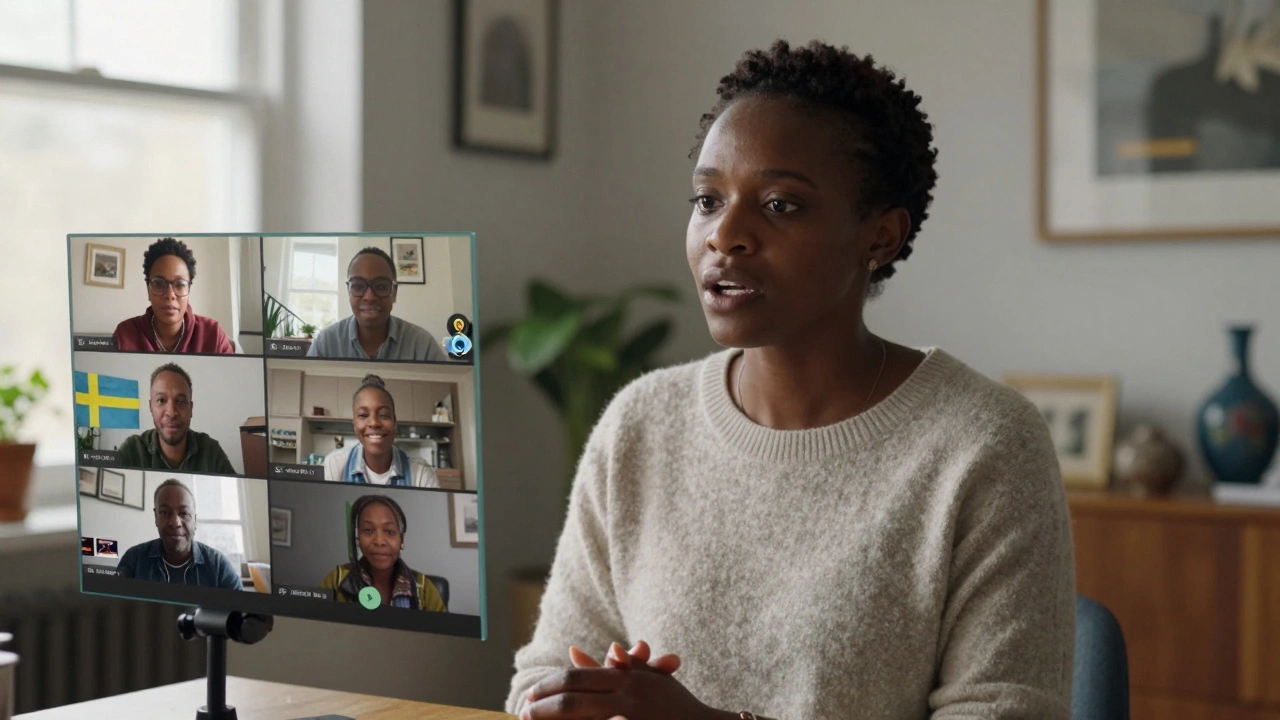
International co-productions aren’t just about sharing budgets-they’re about sharing talent pools. A film funded by France, shot in Romania, and edited in India doesn’t need to pick one national identity. It can pull the best performers from anywhere. This isn’t just about diversity for the sake of it. It’s about finding the right fit for the role, no matter where they live.Take the 2024 series Borderline, a thriller co-produced by Sweden and South Africa. The lead role went to a Zimbabwean actress living in London. She didn’t speak Swedish or Afrikaans. But her emotional range, screen presence, and ability to embody a woman caught between two cultures made her the only choice. The production team hired dialect coaches, translated scripts into her native Shona, and built a support system around her. The result? The show became the most-watched foreign-language series on SVT and SABC that year.
Co-productions now include casting clauses in their funding agreements. Some require a minimum percentage of international talent. Others offer tax incentives if they hire actors from specific regions. In 2023, the European Film Fund introduced a new rule: projects applying for funding must prove they’ve held open casting calls in at least three countries outside the primary production nation.
Technology Is Removing the Barriers
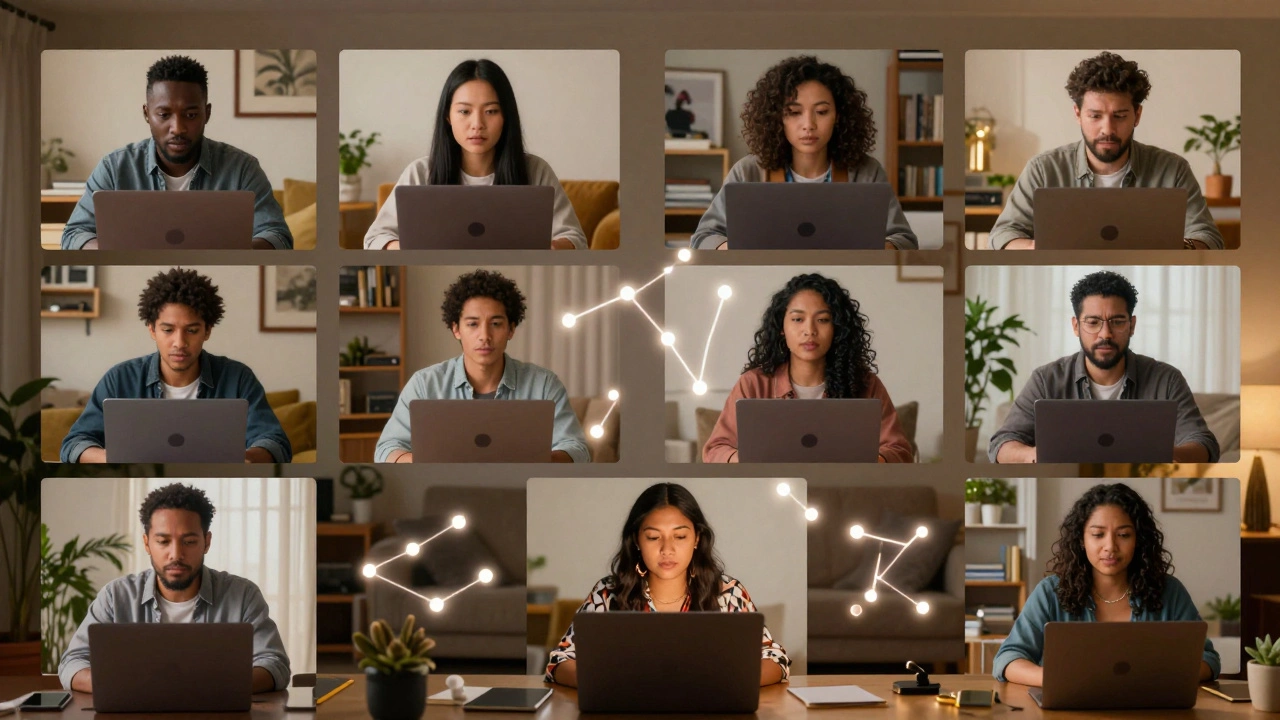
Casting a global talent pool used to mean flying dozens of actors to one location for in-person auditions. That was expensive. Time-consuming. Exclusionary. Now, high-resolution video auditions, AI-powered translation tools, and cloud-based casting platforms have changed everything.Platforms like Casting Networks Global and Backstage International allow actors from over 120 countries to submit self-tapes directly to producers. AI tools can transcribe and translate auditions in real time-no need for a bilingual casting director to be in the room. One producer in Toronto told me they reviewed 300 auditions for a single role from 27 countries. The winner? A 19-year-old from Manila who had never left the Philippines. She won because her delivery was raw, real, and perfectly matched the character’s grief.
Virtual reality auditions are also on the rise. Some casting directors now use VR headsets to simulate scenes with actors in real time, even if they’re thousands of miles apart. It’s not about replacing human judgment-it’s about expanding the pool of people who get a shot.
The Rise of the Non-Traditional Actor
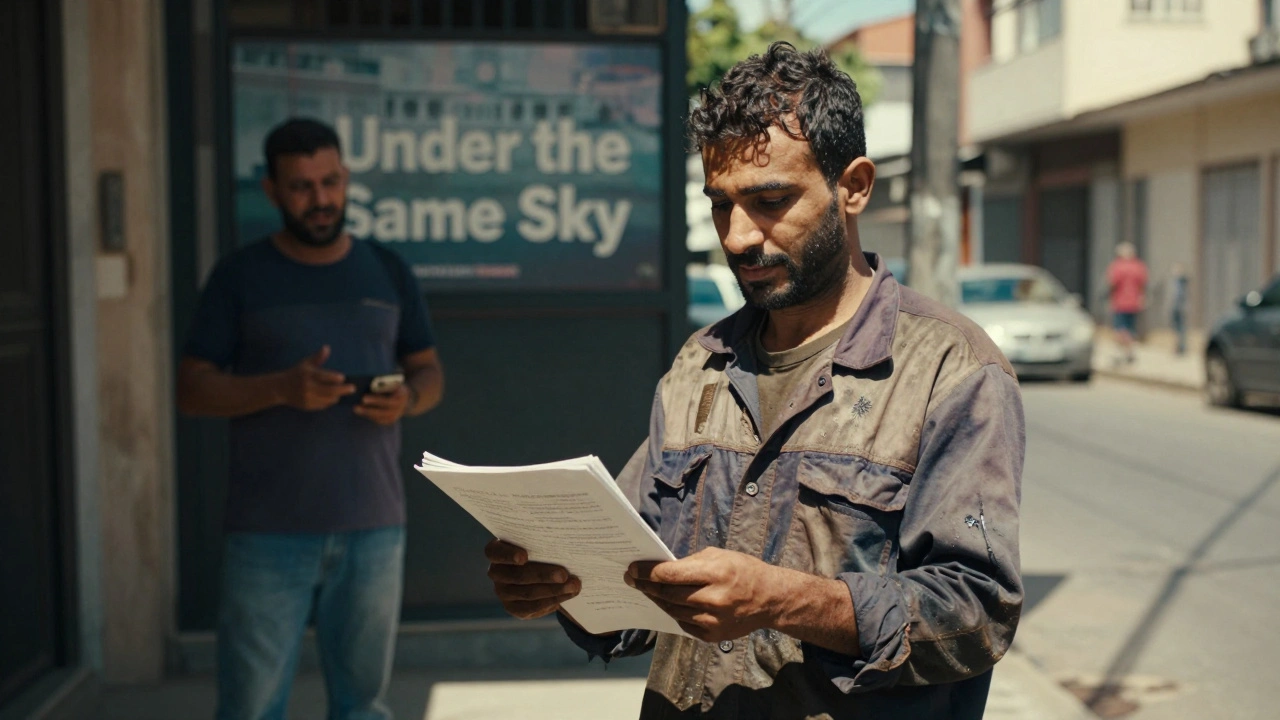
This trend isn’t just about moving actors from one country to another. It’s about redefining what a “professional actor” looks like. More productions are casting non-actors with lived experience.For the 2025 film Under the Same Sky, a co-production between Brazil and Lebanon, the lead role went to a Syrian refugee who had never acted before. He worked as a mechanic in São Paulo. The director found him through a community center. His performance wasn’t polished-but it was true. The film won Best Actor at the Venice Film Festival.
Same with dancers, musicians, and even athletes. A Brazilian capoeira master was cast as a villain in a German action film because his movements told a story no trained actor could replicate. A Ukrainian folk singer landed a role in a Norwegian musical because her voice carried the weight of war and resilience.
These aren’t gimmicks. They’re responses to audiences who are tired of recycled performances. People want to see real lives on screen-not just trained performers playing roles.
Challenges Still Exist
This shift isn’t without friction. Visa delays, language gaps, and cultural misunderstandings still block talent. Some actors from low-income countries can’t afford to travel for callbacks. Union rules in certain countries still limit foreign hires. And not every director is ready to let go of the comfort of familiar faces.But the tide is turning. In 2024, the Screen Actors Guild in the U.S. updated its guidelines to recognize international casting as a valid strategy for authenticity. The British Academy of Film and Television Arts now awards a new category: Best International Ensemble Cast. And streaming platforms are investing in regional talent hubs-Netflix has opened casting offices in Lagos, Jakarta, and Santiago.
What This Means for Aspiring Actors
If you’re an actor anywhere in the world, your chances have never been better. You don’t need to move to Los Angeles or London anymore. You just need to be good, adaptable, and willing to record a self-tape.Start by building a portfolio that shows your range in multiple languages or dialects. Learn basic acting terms in English-it’s the lingua franca of global casting. Use free platforms like YouTube or Vimeo to post short scenes. Tag your location. Use hashtags like #GlobalCasting or #InternationalActor. Producers are searching for you.
Don’t wait for permission. Don’t wait for an agent. The industry is no longer gatekept by geography. The role you’re meant for might be in a co-production you’ve never heard of. But it’s out there.
The Future Is Already Here
The next big international hit won’t be made by one country. It won’t star one nationality. It will be stitched together from voices, faces, and stories from across the globe. The casting couch is no longer in a studio lot-it’s on a laptop screen in a village in Nepal, a studio apartment in Nairobi, a seaside town in Croatia.Stories are universal. But the people who tell them? They’ve always been global. The industry is finally catching up.
Why are international co-productions hiring more foreign actors now?
Audiences demand authenticity. Streaming platforms track viewer engagement and find that shows with diverse, globally sourced casts perform better across regions. Co-productions now include casting requirements in funding deals, and technology makes it easier to discover talent anywhere in the world.
Do I need to speak the language of the production to be cast?
Not always. Many productions hire dialect coaches, provide translated scripts, and use AI tools to bridge language gaps. What matters most is emotional truth and screen presence. Actors from non-English-speaking countries have landed lead roles in English-language projects simply because their performance felt real.
Can I get cast if I’ve never acted before?
Yes. More productions are casting real people with lived experience instead of trained actors. A Syrian refugee, a capoeira master, and a folk singer have all landed major roles without prior acting experience. If your story matches the character, producers will find a way to bring you in.
How do I submit auditions for international roles?
Use global casting platforms like Casting Networks Global or Backstage International. Record high-quality self-tapes in different languages if you can. Tag your location and use hashtags like #GlobalCasting. Many casting directors actively search these platforms for fresh talent.
Are there still barriers for actors from developing countries?
Yes. Visas, travel costs, and lack of representation still create challenges. But streaming platforms are opening regional casting hubs in places like Lagos, Jakarta, and Santiago. Some funds now cover travel for finalists. The door is opening wider than ever-just not all the way yet.