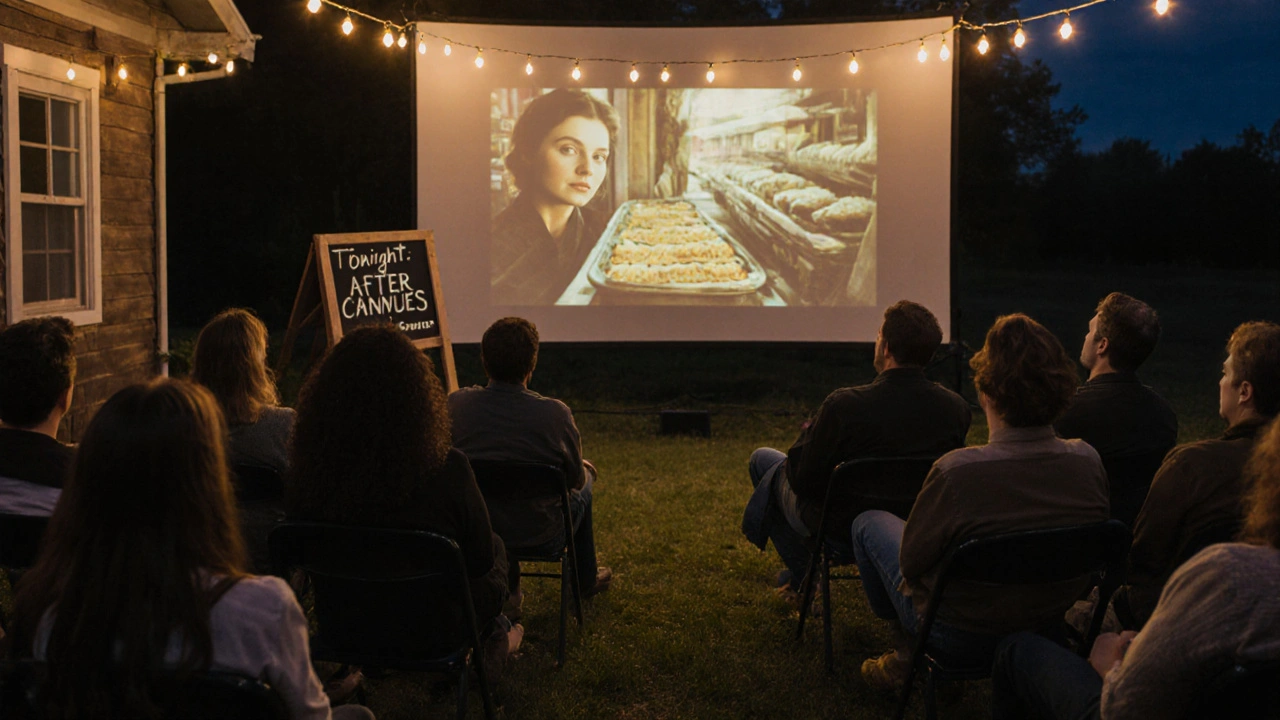
Most people think a film’s life ends when the credits roll at Cannes or Berlin. But that’s not true. The real story starts after the awards are handed out and the cameras are packed away. That’s when regional mini-festivals step in - quiet, local, and surprisingly powerful. These aren’t big-name events with red carpets and paparazzi. They’re small, community-driven screenings in places like Santa Fe, Halifax, or even rural Ohio. And they’re keeping films alive for months, sometimes years, after the big festivals close.
Why Big Festivals Don’t Tell the Whole Story
Cannes and Berlin are dream destinations for filmmakers. A premiere there can mean distribution deals, press coverage, and industry buzz. But here’s the catch: most of those films never make it to theaters. Only 5% of films that screen at Cannes get a U.S. theatrical release, according to the Sundance Institute’s 2024 distribution report. Even fewer make it to streaming platforms outside of niche algorithms.
So what happens to the rest? They sit on hard drives. Or worse - they disappear.
That’s where regional festivals come in. They don’t compete with Cannes. They complement it. These events pick up films that didn’t win the top prize but still moved audiences. A documentary about a small-town bakery in Sicily might not grab headlines in France, but in a town with a large Italian immigrant community, it becomes a local event. A quiet drama about grief in rural Germany? It finds its home in a library theater in Vermont.
How Mini-Festivals Work
These aren’t random screenings. They’re curated series, often run by film societies, universities, or nonprofit arts groups. They work like this:
- A film screens at Cannes or Berlin and gets a distributor’s attention.
- The distributor sends out a digital screener to regional festival programmers - usually 50 to 100 small festivals across the country.
- Each programmer picks 3 to 5 films from the batch that fit their local audience.
- They book a venue - a cinema, a community center, even a bookstore.
- They host a Q&A, sometimes with the director via Zoom, or a local expert who can talk about the film’s theme.
- They sell tickets for $10 or less, often with a pay-what-you-can option.
It’s low-cost, low-pressure, and deeply personal. One filmmaker told me her film about post-war reconciliation in Bosnia played in 17 towns across the Midwest over 14 months. None of those venues had ever shown a foreign-language film before. But each one had a veteran’s group, a refugee support center, or a high school history teacher who wanted to use it as a teaching tool.
The Ripple Effect
These festivals don’t just show films. They build audiences. And those audiences become loyal.
In 2023, the Portland International Film Festival’s ‘After Cannes’ series saw a 42% increase in repeat attendees. Why? Because people started to trust the curation. They knew if a film made it into that series, it was worth watching. That trust translates to word-of-mouth marketing. Someone sees a film in Boise, talks about it on a local podcast, and suddenly it’s trending on Reddit’s r/indiefilm.
Even distributors notice. A film that plays well in five regional festivals - even if it only gets 80 viewers each time - becomes a safer bet for streaming platforms. Netflix and Amazon Prime don’t always look at Cannes winners. They look at where films are getting traction organically. One indie distributor told me they signed a film from Berlin because it had already screened in 12 towns and sold out 9 of them.
Who Runs These Festivals?
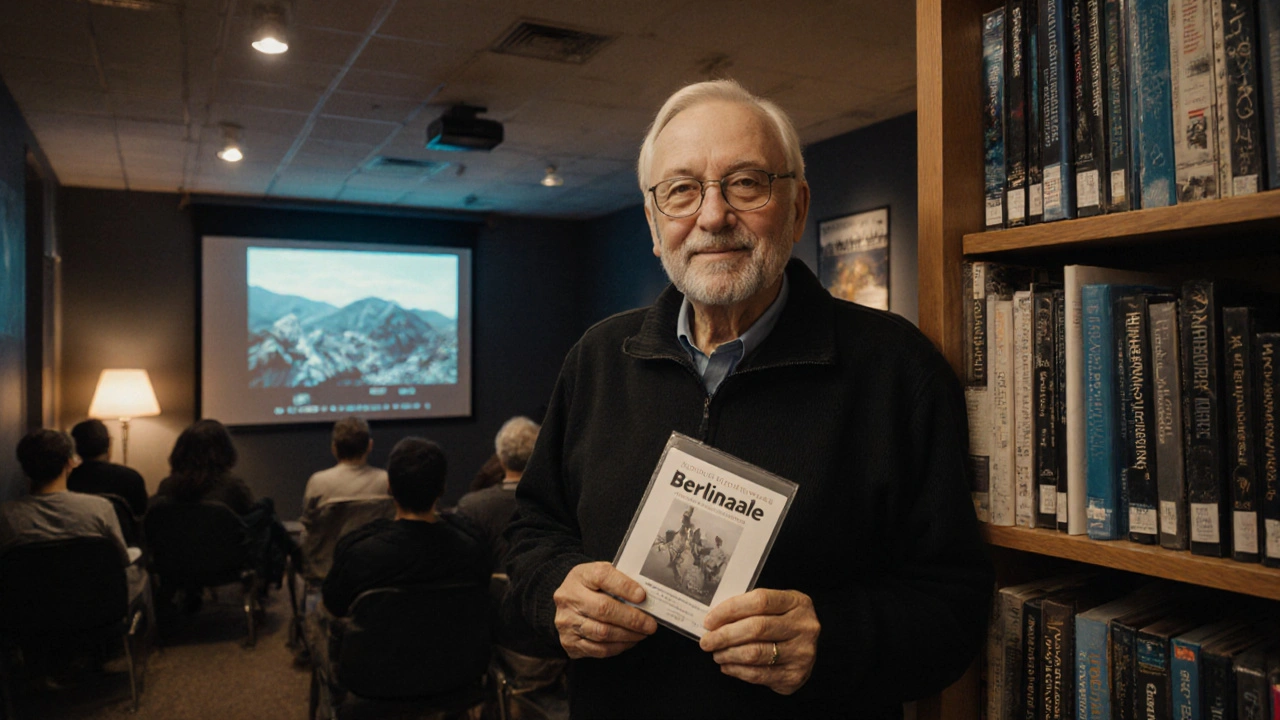
They’re not Hollywood execs. They’re teachers, librarians, retired filmmakers, and passionate volunteers. In Asheville, the local film series is run by a retired professor who teaches cinema studies at UNC-Asheville. He picks films that connect to regional history - a film about Appalachian coal mining, for example, or a French film on rural education that mirrors local school struggles.
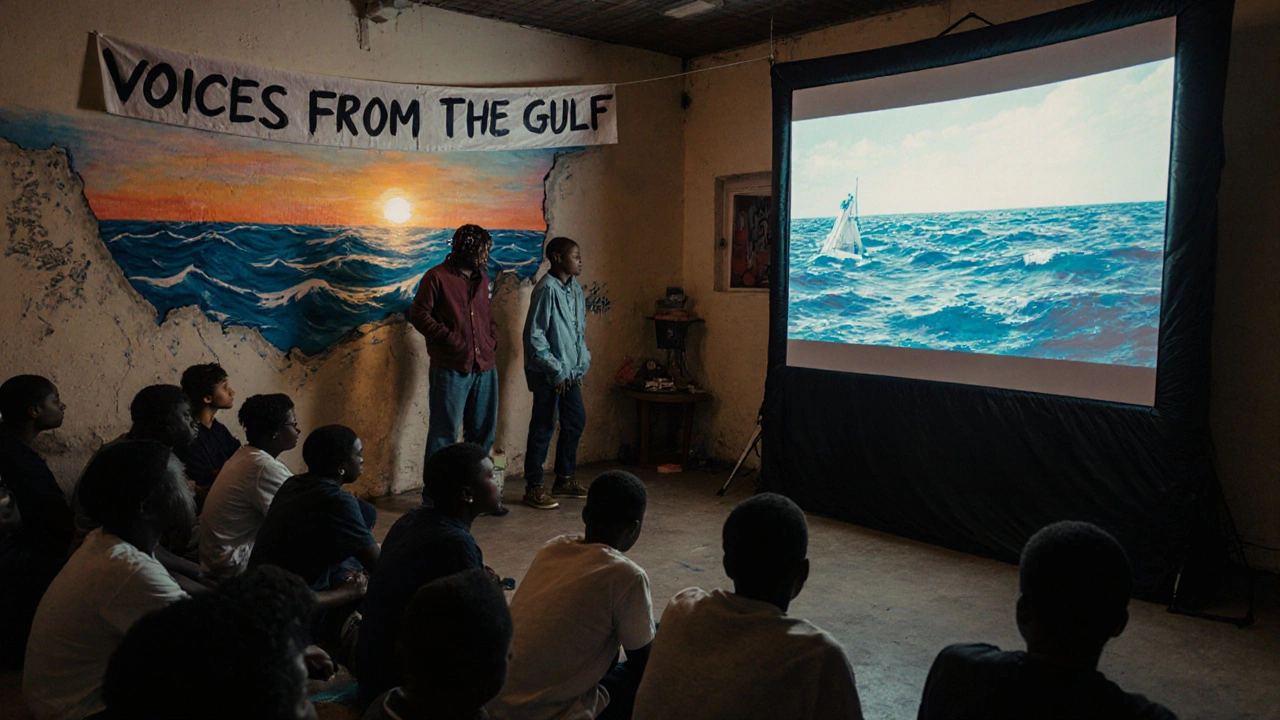
In New Orleans, a group of high school students run a mini-festival called ‘Voices from the Gulf.’ They screen films from the Mediterranean and the Caribbean, then host discussions with local fishermen and environmental activists. One film from the 2024 Berlinale, about coastal erosion in Senegal, led to a city council meeting about flood prevention.
These aren’t just movie nights. They’re civic events. They turn passive viewers into engaged citizens. And they give films a second, third, and fourth life - long after the festival buzz fades.
Why This Matters for Filmmakers
For directors and producers, the traditional path to success is broken. Getting into Sundance doesn’t guarantee a release. Getting picked up by a streamer doesn’t mean people will watch.
But if your film plays in a dozen regional festivals, you’re not just surviving - you’re building a real audience. You’re getting feedback. You’re seeing how your story lands in different cultures. You’re learning what resonates beyond the critic’s review.
One director from Romania told me his film about a village schoolteacher didn’t win anything at Berlin. But after it played in 18 U.S. towns, he got an email from a teacher in Kansas who used it in her curriculum. She sent him photos of her students’ essays. He still keeps them framed in his office.
That’s the real award.
How to Find These Festivals
If you’re a viewer looking for something beyond the usual streaming picks, here’s how to find them:
- Check your local university’s film department calendar - many host public screenings.
- Search for ‘film society’ + your city name. Most have websites or Facebook groups.
- Look for nonprofits like Film Independent or The National Film Preservation Foundation - they list partner events.
- Follow local indie theaters. Many run monthly curated series.
- Join mailing lists. Most mini-festivals don’t have big social media followings, but their email newsletters are packed with hidden gems.
Some of the best films you’ll ever see won’t be on Netflix. They’ll be on a screen in a church basement in Des Moines, with 40 people in folding chairs, all quiet during the final scene.
What’s Next for Regional Festivals?
The trend is growing. In 2024, over 300 regional festivals across the U.S. screened films that premiered at Cannes or Berlin. That’s up 40% from 2020. More distributors are now planning regional tours as part of their release strategy - not as an afterthought, but as a core part of the plan.
Some cities are even starting to fund them. Portland, Oregon, now gives grants to local film societies that screen non-commercial films. San Francisco’s Department of Cultural Affairs includes mini-festivals in its annual arts budget.
It’s not about replacing Cannes. It’s about extending its reach. These festivals turn one-night premieres into multi-month conversations. They turn international stories into local memories.
The next time you hear about a film that won an award at Berlin, don’t just wait for it to pop up on Apple TV. Look closer. It might already be playing in a town near you - quietly, powerfully, and alive.
Are regional film festivals only for indie films?
No. While many focus on indie and international films, some also screen documentaries, restored classics, and even short films from major studios that didn’t get wide releases. The key is curation - not budget. A film from Cannes might be a low-budget drama, but it could also be a high-profile arthouse title that didn’t fit mainstream theater schedules.
Can I submit my film to a regional festival?
Yes, but not the same way you’d submit to Sundance. Most regional festivals don’t accept unsolicited submissions. They rely on distributors to send out curated selections after major festivals. If your film played at Cannes or Berlin, your distributor should already be in contact with regional programmers. If you’re independent, reach out to local film societies and ask if they’re accepting submissions - some do, especially for local filmmakers.
Do these festivals pay filmmakers?
Most don’t pay screening fees. But they often cover travel for directors, provide audience data, and help with promotion. For many filmmakers, the real value isn’t money - it’s connection. Seeing how your film affects real people in real communities is often more valuable than a cash payout.
Why don’t bigger festivals do this themselves?
Big festivals like Cannes are designed for industry deals and global exposure. They’re not built for local engagement. Regional festivals, by contrast, are made for community. They have the flexibility to pick films based on local relevance, not prestige. That’s why they’re so effective at keeping films alive long after the red carpets are rolled up.
How do these festivals make money?
Most operate on tight budgets. Ticket sales cover basic costs - projector rental, venue fees, and sometimes a small honorarium for a guest speaker. Many rely on grants from arts councils, donations from local businesses, or support from universities. Some partner with libraries or museums that already have the space and equipment. It’s not about profit - it’s about preservation.
If you’ve ever wondered what happens to a film after the festival ends, the answer is simple: it finds its way to people who need to see it. Not because it won an award, but because it spoke to something real - and someone, somewhere, decided to make sure it wasn’t forgotten.





Comments(5)