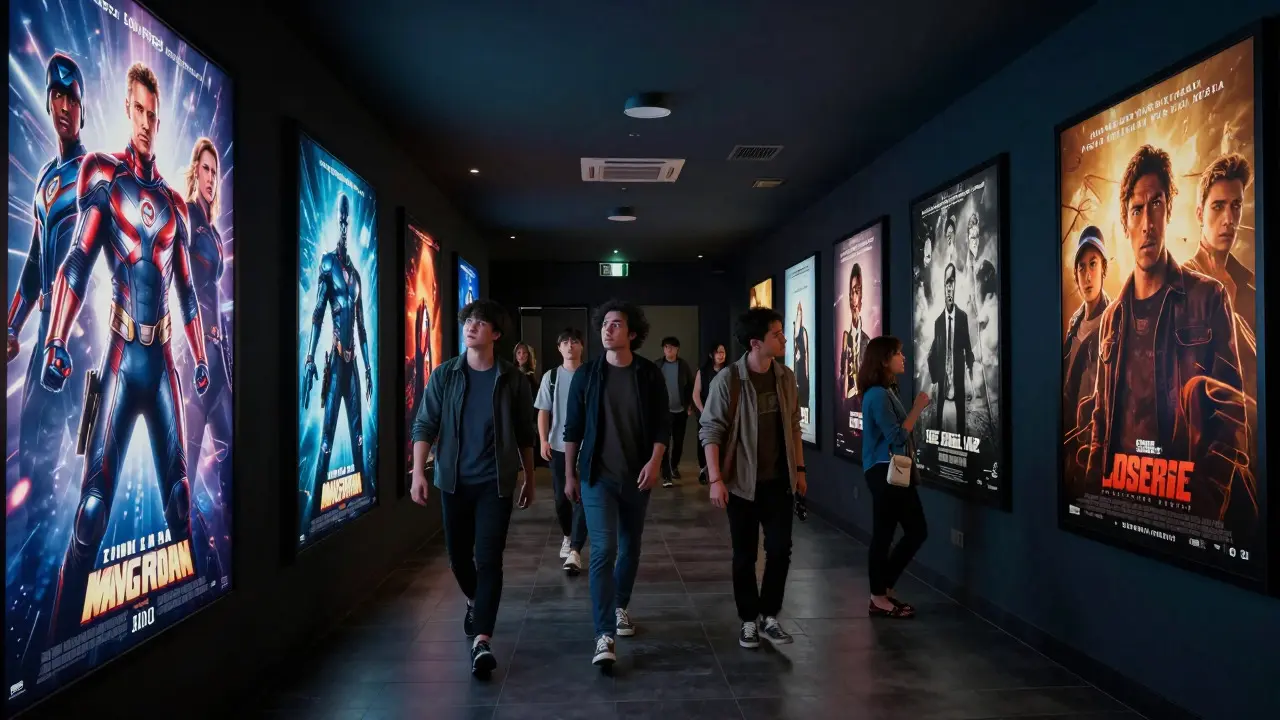
Walk into a multiplex in the last decade, and you’re likely to see two logos dominating the posters: the red M for Marvel is a media franchise that has defined modern blockbuster cinema with its interconnected universe and the blue D for DC Comics is a major American publisher whose characters like Batman and Superman anchor the other side of the superhero divide. But look closer at the festival circuits, streaming platforms, and arthouse cinemas, and you’ll find a thriving ecosystem of heroes who don’t fit those boxes. These are independent superhero films are movies based on comic book characters or original concepts that exist outside the major corporate franchises, offering grittier narratives, smaller budgets, and often more experimental storytelling.
The dominance of the big two isn't just about market share; it's about tone. Marvel leans into quippy dialogue and cosmic stakes, while DC oscillates between mythic grandeur and brooding darkness. Independent superhero films, however, tend to strip away the spectacle to focus on character psychology, social commentary, or pure genre experimentation. For fans tired of the formulaic three-act structure where a hero saves the world by the final explosion, these alternatives provide a refreshing change of pace.
Defining the Landscape: What Makes a Film "Beyond" the Big Two?
To understand this space, we have to define what qualifies as "beyond." It’s not just about the publisher. A film can be based on a comic from a small press, an original screenplay inspired by comic aesthetics, or even a reimagining of public domain characters. The key differentiator is independence from the centralized marketing machines of Disney (which owns Marvel) and Warner Bros. Discovery (which holds DC).
These films often fall into three distinct buckets:
- Small Press Adaptations: Movies based on characters from publishers like Image Comics, Dark Horse, or Boom! Studios. These stories often have deeper literary roots or more niche fanbases.
- Original Screenplays: Films that use the superhero archetype but aren't tied to any pre-existing IP. Think of them as the "what if" scenarios of the genre.
- Public Domain Revivals: Stories featuring characters whose copyrights have expired, allowing new filmmakers to reinvent them without licensing fees.
This distinction matters because it changes the creative freedom available to directors. Without the oversight of a massive studio brand protecting its image, filmmakers can take risks. They can make a superhero movie that feels like a noir thriller, a horror film, or a political satire. This flexibility is the primary draw for both creators and audiences seeking something different.
Key Players and Breakout Hits
While the big two get the headlines, several independent titles have carved out significant cultural niches. One standout example is Deadpool is a film series that started as a standalone Fox property before being absorbed into the Marvel Cinematic Universe, known for its meta-humor and R-rated violence. While now part of the larger Marvel family, its early success proved that audiences would pay for a superhero movie that broke the fourth wall and ignored traditional rules. It paved the way for other projects to push boundaries.
Another critical player is John Wick is an action film franchise that functions as a de facto superhero origin story, focusing on a retired hitman with supernatural-like skills. Though not strictly a comic adaptation, it operates within the same mythological framework: a lone warrior in a hidden world with strict codes. Its success demonstrated that high-octane action and complex lore could thrive without capes or superpowers.
We also can’t ignore the rise of anime-influenced Western productions. Films like Scott Pilgrim vs. the World is a comedy-drama film that blends video game mechanics with romantic tropes, creating a unique visual and narrative style showed that the superhero concept could be applied to mundane life problems. It wasn’t about saving the galaxy; it was about beating up ex-boyfriends to win a girl’s heart. This approach opened the door for lighter, more accessible interpretations of the genre.
Comparing the Approaches: Budget, Tone, and Audience
The differences between major studio blockbusters and independent superhero films extend beyond just the logo on the poster. They fundamentally alter how the movie is made, marketed, and received. Here is a breakdown of how these two worlds compare:
| Attribute | Major Studio (Marvel/DC) | Independent/Indie |
|---|---|---|
| Average Budget | $150M - $300M+ | $5M - $50M |
| Narrative Focus | Cosmic stakes, ensemble casts | Character-driven, single protagonist |
| Tone | Consistent brand voice (Quippy/Epic) | Varies widely (Noir, Horror, Satire) |
| Risk Tolerance | Low (Protecting brand equity) | High (Creative freedom) |
| Distribution | Global theatrical release | Festival circuit, streaming, limited theaters |
| Audience Expectation | Spectacle and continuity | Innovation and emotional depth |
This table highlights why indie films often feel more personal. With lower budgets, they can’t afford massive VFX sequences, so they rely on practical effects, strong writing, and performance. This constraint often leads to more memorable characters because the audience connects with the human element rather than the CGI explosions.
Why Audiences Are Craving These Alternatives
There is a growing fatigue with the "event film" model. When every summer is filled with tentpole releases, the novelty wears off. Viewers start looking for stories that surprise them. Independent superhero films offer that surprise factor. They might subvert expectations by making the villain sympathetic, or they might explore themes like mental health, immigration, or class struggle through the lens of a masked vigilante.
For instance, a film might use the superhero trope to comment on police brutality or corporate greed. In the big studios, such themes are often softened to maintain broad appeal. In indie spaces, the message can be sharper. This resonates with a demographic that values authenticity over polish. It’s similar to how indie rock bands gained popularity by offering raw emotion compared to the polished production of mainstream pop stars.
Additionally, the rise of streaming platforms has changed the economics. A superhero movie doesn’t need to gross $500 million at the box office to be profitable anymore. If it finds a dedicated niche on a platform like Netflix or Amazon Prime, it can sustain a career. This financial safety net encourages studios and independent producers to greenlight riskier projects that might have been rejected five years ago.
Challenges Facing Independent Superhero Cinema
Despite the momentum, these films face significant hurdles. The biggest challenge is visibility. How do you market a movie when your competition has global ad campaigns worth hundreds of millions? You rely on word-of-mouth, critical acclaim, and social media buzz. This makes success unpredictable. A brilliant film can flop simply because no one heard about it, while a mediocre big-budget movie can dominate due to sheer exposure.
Another issue is the "comparability trap." Critics and audiences often judge indie superhero films against their big-studio counterparts. If an indie film lacks a billion-dollar VFX budget, it gets criticized for looking "cheap," even if the lack of spectacle is a deliberate artistic choice. Breaking this perception requires consistent quality and clear communication of the film’s intent.
Finally, there is the risk of burnout. The superhero genre is saturated. To stand out, filmmakers need to bring a unique angle. Simply making "another guy in a suit" movie won’t cut it. They need to blend genres effectively-combining superhero elements with horror, romance, or crime-to create something truly distinct.
What’s Next for the Genre?
Looking ahead, the line between independent and major studio will likely blur further. As seen with recent acquisitions, big companies are increasingly buying rights to smaller properties to expand their universes. However, the core identity of independent superhero cinema will remain rooted in creativity and risk-taking.
We can expect to see more international influences. Superhero stories are universal, but their execution varies by culture. We’ve seen Japanese anime styles influence Western films, and we can anticipate more Latin American, African, and Asian perspectives shaping the next wave of heroes. This globalization will enrich the genre, bringing diverse myths and folklore into the mix.
For fans, the takeaway is simple: keep exploring. Don’t limit yourself to the two biggest logos. Dive into the smaller festivals, watch the streaming originals, and support the filmmakers taking chances. The future of the superhero genre isn’t just about bigger explosions; it’s about deeper stories told by voices that weren’t previously heard.
What is the difference between a superhero film and a superpower film?
A superhero film typically features a character with a specific persona, costume, and moral code, often derived from comic books. A superpower film focuses on the abilities themselves and how they affect the character's life, which may not include a traditional hero arc. For example, 'The Incredibles' is a superhero film, while 'Jumper' is more of a superpower film.
Are independent superhero films usually lower quality?
Not necessarily. While they may have smaller budgets, they often compensate with stronger scripts and performances. Quality is subjective, but many indie films are critically acclaimed for their innovation and emotional resonance, even if they lack the visual scale of blockbusters.
Which streaming platforms are best for finding indie superhero movies?
Platforms like Netflix, Amazon Prime Video, and Hulu often carry a wider variety of mid-budget and independent titles. Additionally, specialized streaming services or festival channels sometimes feature exclusive indie content that doesn't appear on major networks.
Can a public domain character be used in a new superhero movie?
Yes. Once a character's copyright expires, they enter the public domain, meaning anyone can adapt them without paying licensing fees. This allows filmmakers to reinvent classic characters like The Shadow or Doc Savage with modern sensibilities.
Why do some people dislike the term 'superhero' for non-comic movies?
Some purists argue that 'superhero' implies a specific origin from comic books. However, the term has evolved to describe any character with extraordinary abilities or a vigilant role, regardless of source material. The definition is expanding to include broader archetypes.