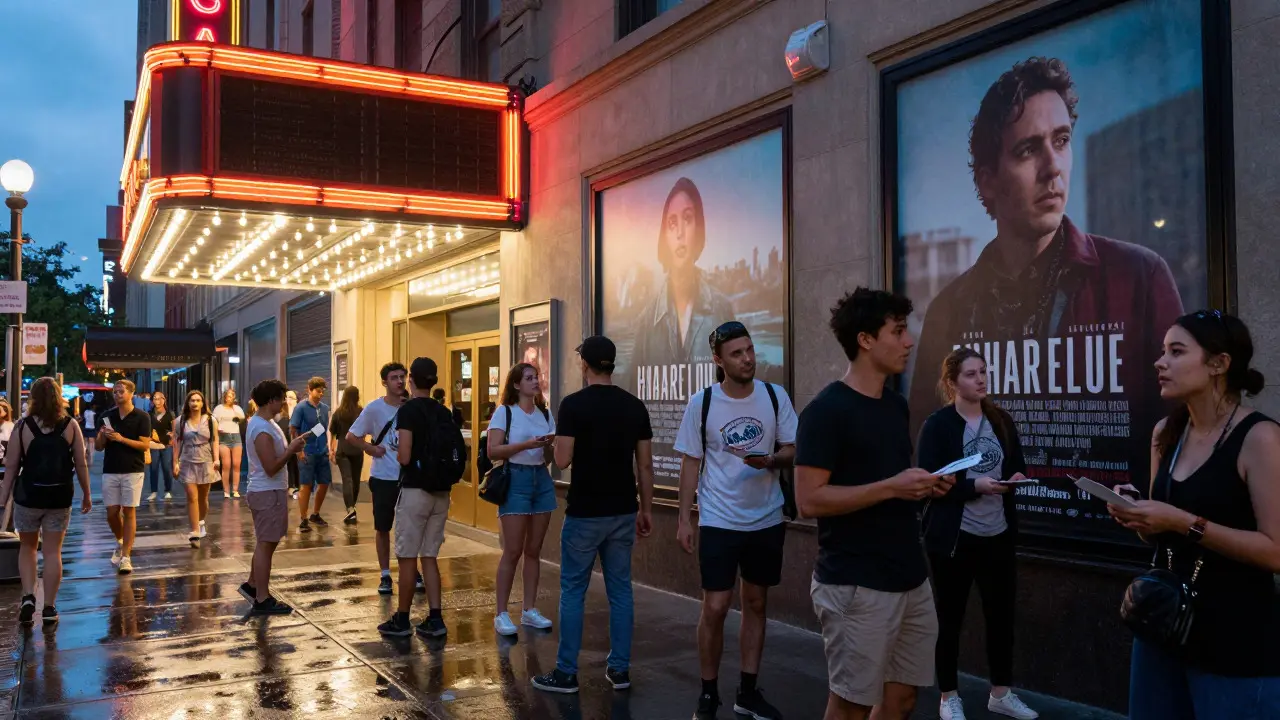
Walk into a movie theater in New York or Los Angeles this summer, and you might notice something different on the marquee. Instead of another superhero sequel, there’s a gritty drama from South Korea or a surreal comedy from Brazil. It’s not just a niche trend anymore; international independent films are selling out screenings at a rate that would have seemed impossible a decade ago. Why is this happening now? It’s a mix of exhausted audiences craving fresh stories, smart marketing strategies by distributors, and a cultural shift that values authenticity over spectacle.
The Shift in Audience Appetite
Americans are tired of the same old formulas. For years, the box office was dominated by high-budget franchises with predictable plots. But data from recent quarters shows a dip in attendance for mid-tier Hollywood releases, while foreign-language films without subtitles (or with minimal ones) are seeing record-breaking opening weekends. Audiences, particularly those under 35, are more comfortable navigating subtitles than previous generations did. They view it as an entry ticket to a richer, more diverse cinematic experience rather than a barrier.
This demographic shift is crucial. Younger viewers grew up with global content on streaming platforms like Netflix and Hulu. They already consume K-dramas, anime, and European series weekly. Moving that habit to the big screen feels natural. When they see a film from Japan or France, it doesn’t feel "foreign"-it feels familiar. This familiarity reduces the friction of trying new things, leading to higher word-of-mouth recommendations, which is the lifeblood of indie cinema.
Distribution Strategies That Work
How do these films actually get onto screens in the U.S.? It’s no longer just about luck. Major studios have dedicated international acquisition departments that scout festivals like Cannes, Berlin, and Sundance. These buyers look for films with strong emotional cores that can translate across borders. Once acquired, they employ targeted marketing campaigns that focus on specific cities where there is a proven demand for global cinema, such as Seattle, Austin, and Chicago.
Distributors are also leveraging social media influencers who specialize in film criticism. Instead of relying solely on traditional TV ads, they use TikTok and Instagram Reels to showcase behind-the-scenes footage, actor interviews, and short clips that highlight the film’s unique visual style. This digital-first approach keeps production costs low but engagement high. A well-crafted 15-second clip can generate more buzz than a $5 million print ad campaign.

The Role of Festivals and Awards
Film festivals remain the primary launchpad for international indies. A win at Sundance or a strong reception at Venice can instantly boost a film’s profile in the U.S. market. Critics’ attention during these events creates a halo effect that follows the film into its theatrical release. If a film wins the Palme d’Or or the Golden Bear, U.S. theaters know they need to secure screening rights immediately to capitalize on the hype.
Awards season also plays a pivotal role. Nominations for Best International Feature Film at the Oscars serve as a massive endorsement. Even if a viewer hasn’t seen the film, the nomination signals quality. This drives last-minute ticket sales and often extends the film’s run in theaters beyond the typical two-week window. The prestige factor is a powerful tool for converting casual moviegoers into committed viewers.
Economic Factors Driving Growth
It’s not just about art; it’s about economics. Producing a high-quality independent film abroad is significantly cheaper than doing so in Hollywood. Lower labor costs, tax incentives in countries like Canada, UK, and Australia, and government funding bodies make it possible to produce compelling stories on modest budgets. When these films perform well in the U.S., the return on investment is substantial for both the original producers and the American distributors.
Additionally, the rise of direct-to-consumer streaming has changed the landscape. While streaming offers convenience, many cinephiles still prefer the communal experience of a theater. International indies offer a unique proposition: a shared cultural moment that you can’t replicate on your phone. Theaters are positioning themselves as premium experiences, and exclusive access to acclaimed foreign films is a key part of that value proposition.
| Feature | Domestic Blockbuster | International Indie |
|---|---|---|
| Average Production Budget | $100M - $300M+ | $2M - $15M |
| Marketing Strategy | National TV, Billboards, Digital | Social Media, Influencers, Festival Buzz |
| Target Audience | Broad Mass Market | Cinephiles, Urban Demographics |
| Box Office Longevity | High Opening, Rapid Decline | Modest Opening, Steady Growth |
| Cultural Impact | Pop Culture Phenomenon | Critical Acclaim, Award Recognition |

Cultural Resonance and Storytelling
At the heart of this trend is the power of universal stories. The best international films deal with themes that transcend geography: love, loss, identity, and struggle. A story about a family dealing with economic hardship in Spain resonates just as deeply as one set in Ohio. However, the perspective is different. International filmmakers often bring a level of realism and nuance that Hollywood scripts sometimes lack due to commercial pressures. This authenticity appeals to U.S. audiences who are hungry for genuine human connection on screen.
Moreover, the diversity of genres available from around the world is vast. From Scandinavian noir to Latin American magical realism, there is something for every taste. This variety keeps the theatrical experience fresh. Moviegoers aren’t just going to see a movie; they’re exploring a different culture, a different way of seeing the world. This educational aspect adds value to the ticket price, making it feel like a worthwhile investment.
Challenges and Future Outlook
Despite the growth, challenges remain. Subtitles are still a hurdle for some older demographics, and competition for screen space in major cities remains fierce. However, the trend appears to be here to stay. As globalization continues and digital borders blur, the distinction between "local" and "foreign" cinema is fading. In the future, we may see even more co-productions between U.S. and international studios, blending resources and creative visions.
For theaters, embracing this trend is essential for survival. By curating a lineup that includes both blockbuster hits and critically acclaimed international indies, they position themselves as hubs of cultural activity rather than just entertainment venues. This dual strategy ensures a steady flow of customers throughout the year, mitigating the risks associated with relying solely on seasonal blockbusters.
Are international films really more profitable than domestic ones?
Not necessarily in total gross revenue, but often in profit margin. Because international indies have lower production and marketing costs, a smaller box office return can result in a higher percentage profit for the distributor compared to a massive domestic blockbuster that loses money after recouping its huge budget.
Do I need to understand the language to enjoy these films?
No. Most international films shown in U.S. theaters are subtitled in English. Modern subtitling techniques are fast and unobtrusive. Many viewers find that reading subtitles actually enhances their engagement with the film, allowing them to catch nuances in dialogue and emotion that might be missed otherwise.
Which countries are producing the most popular indie films in the U.S. right now?
South Korea, France, Japan, and Mexico are currently leading the charge. Korean films have seen a massive surge due to global hits like 'Parasite' and 'Squid Game,' while French and Japanese arthouse cinema maintains a steady, loyal following among cinephiles in major U.S. cities.
How can I find out when an international film is showing near me?
Check local theater websites for "special events" or "indie picks" sections. Follow film festival accounts on social media, as they often announce post-festival theatrical runs. Additionally, apps like Fandango or Atom Tickets allow you to filter movies by genre or origin country to find specific titles.
Is this trend limited to big cities?
While the highest concentration of screenings is in major metropolitan areas, the trend is spreading. Smaller cities with robust college populations or arts scenes are increasingly receiving releases. Streaming services also help bridge the gap by offering these films digitally, which can drive interest in theatrical showings later.






Comments(9)