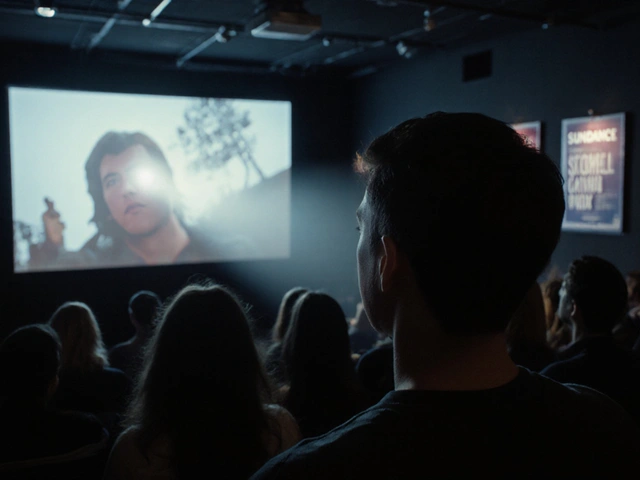
You don’t need a studio budget to break into the industry. You just need a story that hits hard and a strategy that works. Sundance Film Festival is not just another red carpet event; it is the most powerful launchpad for independent filmmaking careers. For decades, this festival in Park City, Utah, has served as the proving ground where raw talent meets major distributors, agents, and critics.
If you are an independent filmmaker looking to turn your passion project into a professional career, Sundance is often the first stop on the map. But getting there-and making it count-requires more than just great footage. It requires understanding the ecosystem, navigating the submission process with precision, and knowing how to sell your vision once you’re inside those gates. This guide breaks down exactly how to use Sundance to kickstart your career, from the moment you start editing to the day you sign your first distribution deal.
Why Sundance Matters for Indie Careers
Let’s get real about what Sundance actually does. Unlike Cannes or Venice, which lean heavily toward established auteurs and international prestige, Sundance is built for discovery. It is the place where unknown directors become household names overnight. Think about Kevin Smith with Clerks, or Jordan Peele with Get Out. These aren’t just movies; they are career-defining moments that happened because the right people saw them at the right time.
The festival attracts a specific crowd: buyers from major streaming platforms like Netflix and A24, talent agents from top agencies, and journalists who shape public opinion. When a film plays at Sundance, it doesn’t just get screened; it gets evaluated for its commercial and cultural potential. A selection here validates your work in a way that no online portfolio can. It signals to the industry that you have something unique to say and the skill to execute it.
For many filmmakers, Sundance is also a networking hub. The conversations you have in line for coffee or during late-night screenings can lead to collaborations, funding for your next project, or mentorship from veterans. The energy is palpable, and being part of that community accelerates your growth faster than working in isolation ever could.
Understanding the Submission Landscape
The journey starts long before you pack your bags for Utah. It starts with the submission. Sundance accepts films in several categories, but for most career-launchers, the focus is on U.S. Narrative Feature and U.S. Documentary Feature. There are also slots for shorts, which serve as excellent calling cards if you cannot yet produce a full-length feature.
Here is the hard truth: competition is fierce. Thousands of films apply each year, and only a tiny fraction make the cut. So, how do you stand out? First, timing matters. You must submit well before the deadline, usually in early October for the following January’s festival. Late submissions risk technical issues or missing eligibility windows.
- Eligibility Rules: Your film must have been completed within the last two years. If you had a premiere elsewhere, especially a major one, you might be disqualified. Check the official guidelines carefully regarding world premieres.
- Format Requirements: Digital submissions are standard now. Ensure your video file meets the codec specifications (usually ProRes or DNxHD) and that your audio is mixed correctly. Technical glitches can disqualify a great film instantly.
- The Synopsis: Don’t write a dry summary. Write a logline that hooks the reader. Tell them why this story matters now. What emotion does it evoke? Why should a programmer spend 90 minutes of their life watching it?
Remember, programmers watch hundreds of films. They are looking for freshness, authenticity, and strong storytelling. If your film feels derivative or overly polished without soul, it will likely pass. Authenticity resonates more than perfection.
Preparing Your Film for Selection
Before you hit submit, ask yourself: Is this film ready for the world? Sundance programmers are experts at spotting weak spots. If your sound design is muddy, your pacing drags, or your ending feels unearned, they will notice. And they will reject it.
Invest in a solid post-production phase. This includes color grading, sound mixing, and final editing. Hire professionals if you have to. A poorly mixed soundtrack is the number one reason technically competent films get rejected. Viewers should forget they are watching a movie; they should feel immersed in the world you created.
Also, consider your audience. Who is this film for? While artistic integrity is crucial, having a clear sense of your target demographic helps programmers place your film in the right section. Is it a gritty drama for cinephiles? Or a high-concept thriller for general audiences? Knowing this helps you tailor your marketing materials later.
Navigating the Festival Experience
If you get selected, congratulations. Now the real work begins. Being at Sundance is overwhelming. The cold weather, the crowded streets, and the constant buzz can drain your energy fast. Plan accordingly.
Logistics are key. Book your accommodation months in advance. Hotels in Park City fill up quickly and prices skyrocket. Many filmmakers choose to stay in nearby towns like Salt Lake City and commute, which can save money but adds travel stress. Decide what works for your budget and stamina.
Dress for success, but comfort wins. You will be walking miles a day. Wear layers. Utah winters are unpredictable. Look professional enough to impress agents, but comfortable enough to survive a day of standing in line.
Network strategically. Don’t just hand out business cards to everyone. Identify the key players you want to meet. Use apps like FilmFreeway or festival-specific directories to find casting directors, producers, and distributors attending the event. Schedule meetings beforehand if possible. A casual chat over coffee is far more effective than a cold approach in a crowded lobby.
Turning Selection into Career Momentum
Getting into Sundance is a milestone, not the finish line. The goal is to leverage this exposure to build sustainable momentum. Here is how you do that:
- Secure Distribution: If your film generates buzz, distributors will reach out. Be prepared with data. Show them any test screenings, social media engagement, or press mentions you have. Negotiate wisely. Don’t sign away all rights for a quick payout unless you need the cash immediately. Look for partners who believe in your long-term vision.
- Press Strategy: Work with a PR agency or hire a freelancer to handle interviews. You want consistent messaging across outlets. Prepare talking points that highlight your unique perspective as a filmmaker. Journalists love personal stories behind the scenes.
- Audience Engagement: Attend Q&As after your screenings. Talk directly to viewers. Their feedback is invaluable, and building a fan base early can help future crowdfunding efforts or direct-to-consumer sales.
Document everything. Take photos, collect contacts, and follow up within 48 hours. The connections you make at Sundance can last a lifetime if nurtured properly.
| Festival | Primary Focus | Best For | Industry Presence |
|---|---|---|---|
| Sundance Film Festival | Independent Spirit | Launching new voices, genre-bending narratives | High (Distributors, Agents) |
| Sundance Film Festival | International Prestige | Established auteurs, global cinema | Very High (Critics, Sales Agents) |
| SXSW | Innovation & Tech | Genre films, interactive media, tech-driven stories | Medium-High (Tech Industry, Creative Agencies) |
| Tribeca Film Festival | Urban Culture | Diverse voices, New York-centric stories | Medium (Producers, Network Executives) |

Common Pitfalls to Avoid
Even experienced filmmakers make mistakes at festivals. Here are the ones to watch out for:
- Ignoring the Shorts Program: If your feature isn’t ready, don’t force it. Submit a short instead. A successful short can open doors for your next feature by proving your directing chops.
- Being Unavailable: Programmers and buyers may want to talk to you last minute. Keep your phone charged and check your email frequently. Missing a call could mean missing a deal.
- Overpromising: Don’t tell investors your film will be the next Parasite. Be realistic about expectations. Honesty builds trust; hype destroys it.
- Skipping Networking Events: It’s tempting to hide in your hotel room after a screening. Don’t. Go to the parties, the panels, the mixers. That’s where deals happen.
Also, beware of scams. Some entities pretend to be distributors or festivals to steal your film or charge exorbitant fees. Always verify credentials through official channels before sharing sensitive information.
Building Long-Term Success Beyond Sundance
Sundance is a catalyst, not a cure-all. To sustain a career, you need a plan beyond the festival circuit. Start building your brand as a filmmaker while you are still editing your current project.
Create a website that showcases your reel, biography, and contact info. Be active on social media, but focus on quality content rather than quantity. Share behind-the-scenes insights, not just promotional posts. Engage with other filmmakers, critics, and fans. Community building is essential in the indie space.
Consider joining organizations like the Independent Filmmaker Project or local film councils. These groups offer resources, mentorship, and opportunities to collaborate. Networking isn’t just about meeting people; it’s about creating a support system that lifts everyone up.
Finally, keep making films. One success doesn’t guarantee the next. Stay hungry, stay curious, and keep pushing boundaries. The industry rewards persistence and creativity above all else.
When is the deadline for submitting to Sundance Film Festival?
The deadline typically falls in early October for the following January’s festival. Early submission deadlines exist in August, offering lower fees and priority review. Always check the official Sundance website for exact dates each year, as they can shift slightly.
Can I submit my film to Sundance if it has already premiered online?
Generally, no. Sundance requires world premieres for most categories. If your film has been shown publicly, including on platforms like YouTube or Vimeo, it may be ineligible. However, private screenings for friends and family do not count as premieres. Review the specific eligibility rules for your category carefully.
How much does it cost to enter Sundance?
Submission fees vary by category and timing. As of recent years, early bird fees range from $75 to $100, while regular deadlines cost between $100 and $150. Late submissions incur higher fees. Discounts are sometimes available for members of certain film organizations.
What types of films does Sundance prefer?
Sundance favors innovative, bold, and authentic storytelling. They look for films that challenge conventions, explore diverse perspectives, and resonate emotionally. Genre films, documentaries, and experimental works all have a place if executed with excellence and originality.
Do I need an agent to attend Sundance?
No, you do not need an agent to attend or submit. Many filmmakers go solo. However, having representation can help navigate negotiations and secure better deals. If you don’t have an agent, prepare thoroughly so you can advocate for yourself effectively.