It’s July, the air is thick with humidity, and movie theaters are packed. You’re not alone if you feel a certain pull toward the big screen during these months. Summer isn’t just a season; it’s a strategic battleground for Hollywood. Studios don’t just release movies in June, July, and August by accident. They time them to catch the wave of vacationing families, college students off campus, and anyone looking for an escape from the heat. But why do some films explode while others fizzle out? It’s rarely just about the plot. It’s about timing, psychology, and a very specific set of ingredients that turn a movie into a cultural event.
The Psychology of the Summer Release
To understand box office strategy, you have to look at who is actually buying tickets. The summer demographic is unique. Unlike the holiday season, which skews toward adults and gift-givers, or the fall, which targets award-season voters and critics, summer captures a broad, younger, and more casual audience. This group values spectacle over subtlety. They want experiences they can talk about at work the next day. That’s why the most successful summer films often feature high-concept premises that can be explained in one sentence. Think “Jaws” (a shark eats people) or “Top Gun: Maverick” (a pilot does crazy stunts). If you can’t pitch the movie on a napkin, it might struggle in the summer slot.
There is also a psychological component known as the “vacation mindset.” When people are on break, their tolerance for complexity drops, but their appetite for escapism rises. A two-hour runtime feels shorter when you’re not working. This is why studios favor action, adventure, and comedy-genre hybrids during this period. Dramas aren’t banned, but they usually need a strong hook or a massive star power to compete with the visual spectacles dominating the multiplexes.
Franchise Power vs. Original Stories
You’ve probably noticed a pattern: the biggest hits are rarely original stories. They are sequels, prequels, or reboots. Why? Because risk aversion drives studio executives. An original script costs money to develop, market, and produce without any guaranteed baseline audience. A franchise, however, comes with built-in awareness. Fans already know the characters, the world, and the tone. This reduces the marketing cost per ticket sold significantly. For example, when a major superhero film releases, studios spend less on explaining who the hero is and more on selling the emotional connection fans already have.
However, this isn’t always true. Sometimes, a fresh voice cuts through the noise. The key difference is usually the scale of the production value. If an original story doesn’t have the budget for a $100 million visual effects package, it needs something else: a charismatic lead, a unique directorial style, or a viral social media moment. The line between a blockbuster and a mid-tier film is often thinner than people think. It’s about whether the film feels like an *event* or just a *movie*.
The Role of Marketing and Hype
A great movie can fail if no one knows it exists. Conversely, a mediocre movie can succeed if the hype machine is loud enough. In the modern era, marketing starts months before the premiere. Trailers are released in waves: the teaser to build mystery, the main trailer to show scope, and the final spot to drive urgency. Each cut is designed to trigger a different psychological response. Curiosity, excitement, and fear of missing out (FOMO) are the three levers marketers pull hardest.
Social media has changed the game entirely. In the past, word-of-mouth took weeks to spread. Now, a single clip from a premiere can go viral overnight. Studios now hire social media teams specifically to manage these moments. They create exclusive content for influencers, release behind-the-scenes footage, and engage directly with fan communities. If a film generates organic conversation online, its opening weekend numbers will likely reflect that energy. If the internet stays silent, the studio has a problem.

Timing Is Everything: Avoiding the Crowded Calendar
Hollywood operates on a strict calendar. Certain dates are reserved for certain types of films. Memorial Day Weekend is often used for horror films or lower-budget comedies. Independence Day is prime time for patriotic action heroes. The third week of July is typically the peak, where the biggest tentpoles collide. If you release a massive action film against another massive action film, one of you is going to lose. This is why studios carefully plan their slates years in advance. They avoid direct head-to-head clashes unless they believe their product is clearly superior.
There is also the concept of “crossover appeal.” A film that appeals to both men and women, parents and children, has a much wider potential audience. Action films often struggle here because they may skew male. Family films struggle because they may alienate older viewers. The sweet spot is a genre blend that offers something for everyone. Think of a heist movie with comedic elements and high-stakes action. It pulls in multiple demographics simultaneously, maximizing the number of potential ticket buyers.
What Data Says About Success Factors
We can look at historical data to see what actually correlates with high gross totals. While budgets matter, they aren’t the sole predictor. A $200 million film can flop, while a $50 million film can become a phenomenon. The strongest predictors are:
- Opening Weekend Strength: A strong first weekend creates momentum. Critics and audiences feed off each other. If the first reviews are positive, the second weekend often holds steady. If they are negative, the drop-off is steep.
- International Performance: Many summer blockbusters earn more money overseas than in the US. Films with universal themes and minimal dialogue-heavy scenes travel better. Visual storytelling is king in international markets.
- Replay Value: Do people want to see it again? Franchises benefit here because fans collect every installment. Originals need to be so emotionally resonant that viewers return for a second viewing to catch details they missed.
The Changing Landscape of Home Entertainment
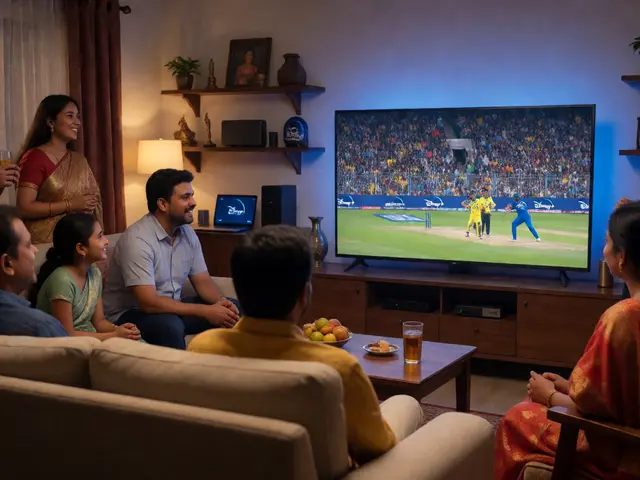
Let’s be honest: streaming services have changed the rules. For decades, the only way to see a new movie was to buy a ticket. Now, you can wait four months and watch it on your couch. This shift has forced theaters to focus on what can’t be replicated at home: the shared experience. The sound system, the giant screen, the darkness, the crowd. Studios now design films specifically for the theatrical format. Aspect ratios are chosen to maximize the IMAX experience. Sound mixes are crafted for Dolby Atmos systems. If a film doesn’t offer a sensory upgrade over watching it at home, it struggles to justify the ticket price.
This means that intimate dramas are increasingly risky for wide releases. They belong on streaming platforms. Blockbusters, however, remain the domain of the theater. They are the anchor tenants of the cinema business. Without them, many smaller theaters would close. So, when you see a massive ad campaign for a summer film, remember: it’s not just about making money. It’s about keeping the lights on in local cinemas across the country.
| Factor | Impact on Revenue | Example Strategy |
|---|---|---|
| Franchise Recognition | High - Reduces marketing risk | Releasing a sequel to a proven hit |
| Visual Spectacle | Medium-High - Drives initial curiosity | Using practical effects combined with CGI |
| Release Timing | Critical - Avoids competition | Choosing a weekend with no major competitors |
| Social Media Buzz | Variable - Can amplify or dampen interest | Creating shareable clips and influencer partnerships |
| Budget Size | Moderate - Higher budget requires higher returns | Scaling VFX to match target demographic expectations |
How Audiences Drive the Narrative
Ultimately, the audience decides. No amount of marketing can save a bad movie, and no lack of marketing can stop a great one from spreading. Word-of-mouth remains the most powerful tool in a filmmaker’s arsenal. In the age of instant reviews, the first 48 hours after release are crucial. If early viewers post positive reactions on social media, the algorithm pushes the content further. If they complain, the backlash spreads just as fast. Studios monitor this closely. They adjust their digital ad spend in real-time based on audience sentiment. If a film is trending positively, they pour more money into ads to capitalize on the momentum. If it’s struggling, they pivot to emphasizing specific strengths, like the soundtrack or a particular performance, to change the narrative.
So, the next time you’re deciding whether to buy a ticket for a summer blockbuster, remember that you’re part of a complex ecosystem. Your decision influences the marketing strategy for the following weekends. Your review affects the next person’s choice. The summer box office isn’t just a list of numbers; it’s a living, breathing conversation between filmmakers and fans. And that conversation is what makes the season so unpredictable and exciting.
Why do studios release most blockbusters in the summer?
Studios release blockbusters in the summer because it aligns with school vacations and summer breaks, maximizing the available audience. People have more free time, are more willing to spend on entertainment, and are less constrained by work schedules. This demographic is also more receptive to high-energy, visually driven films that define the summer genre landscape.
Does a bigger budget guarantee a higher box office return?
No, a bigger budget does not guarantee success. While large budgets often allow for higher production values and wider marketing campaigns, they also raise the break-even point. A $100 million film needs to earn roughly $300 million globally to be profitable. A $50 million film with strong word-of-mouth can often outperform a larger, poorly received competitor.
How important is social media for a movie's success today?
Social media is critical. It serves as the primary engine for word-of-mouth and hype generation. Viral moments can drive unexpected spikes in ticket sales, while negative sentiment can quickly derail a launch. Studios now integrate social media strategies into their core marketing plans, treating online engagement as a key performance indicator alongside traditional metrics.
Can original stories still become summer blockbusters?
Yes, though it is rarer. Original stories need to offer a unique visual or emotional hook that stands out against established franchises. They often rely heavily on a charismatic director or actor to draw attention. When they succeed, they tend to have longer legs at the box office due to stronger critical acclaim and broader audience appeal.
What role do international markets play in summer film earnings?
International markets often account for the majority of a global blockbuster's revenue. Films with universal themes, strong visual storytelling, and minimal reliance on culturally specific humor tend to perform better abroad. Studios increasingly design their films with international audiences in mind, ensuring that the core narrative is accessible regardless of language barriers.