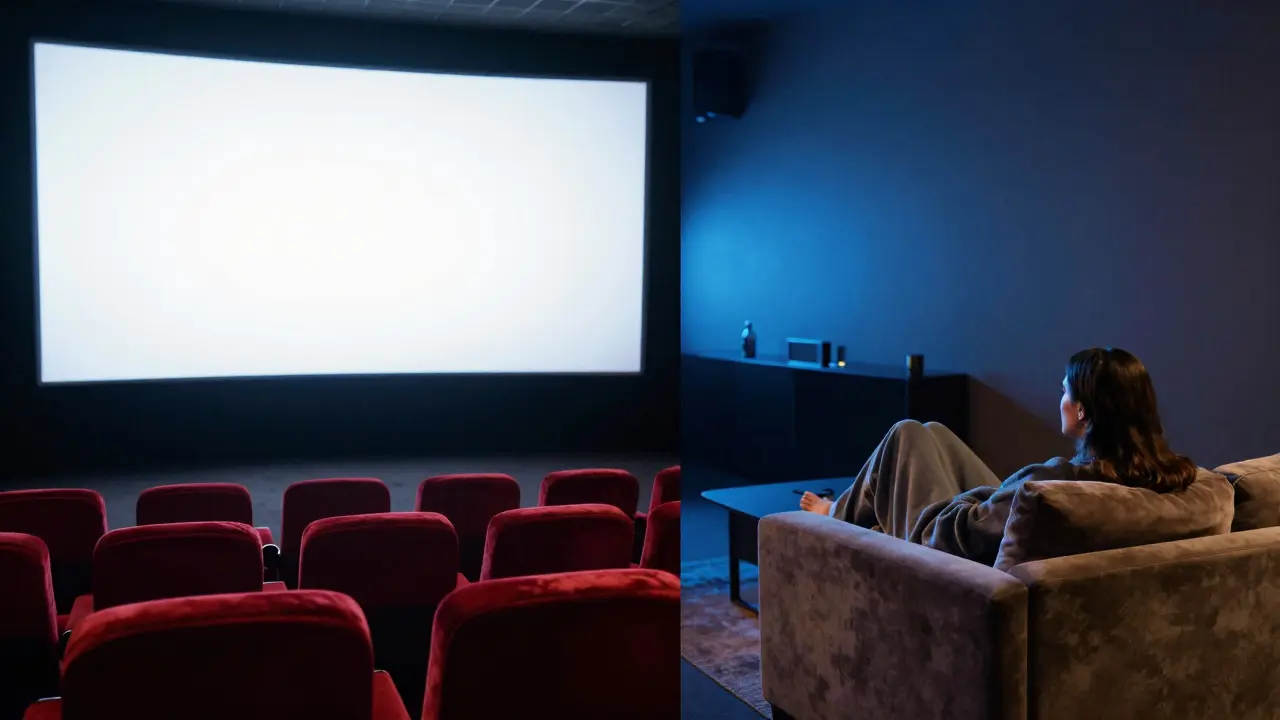
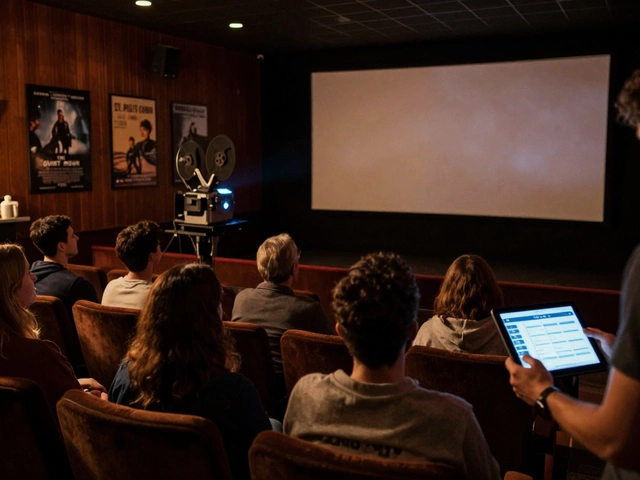
There is a distinct smell difference between a fresh popcorn bucket in a darkened theater and the crisp air of your living room. But beyond the sensory experience, there is a structural divide in how we consume stories today. When you watch a movie on a streaming platform like Netflix or Disney+, you are engaging with a product designed for retention metrics. When you sit in a cinema seat, you are participating in a cultural event governed by strict theatrical release windows. This distinction isn't just about convenience; it fundamentally alters the editorial standards applied to the final cut.
The core problem for critics and audiences alike is that "editorial standard" means two different things depending on where the film lands. In theaters, the standard is often about spectacle and collective impact. On streaming, the standard shifts toward accessibility and algorithmic fit. Understanding this shift helps explain why some blockbusters feel hollow in cinemas but shine at home, and why indie gems often get buried in both.
The Economics of Attention: Why the Cut Changes
To understand editorial standards, you have to look at who is paying the bills. Traditional studios operate on a high-risk, high-reward model. A theatrical release requires a massive marketing budget, often exceeding the production cost itself. This financial pressure forces editors to prioritize pacing that keeps a large, diverse audience engaged without confusing them. The result is often a tighter, more linear narrative structure designed to maximize word-of-mouth buzz during the critical first weekend.
Streaming services, however, operate on a subscription model. Their goal is not to sell a single ticket but to keep you subscribed for another month. This changes the editing philosophy significantly. Editors working on streaming originals often have more freedom to experiment with tone and length because the "customer acquisition cost" is already sunk. You might notice that streaming films frequently run longer than their theatrical counterparts, not because they are bloated, but because the platform knows you will likely press play and stay until the end credits roll, regardless of runtime.
| Factor | Theatrical Release | Streaming Release |
|---|---|---|
| Primary Goal | Maximize opening weekend revenue | Maintain subscriber retention |
| Pacing Style | Fast, high-stakes, clear arcs | Varied, atmospheric, character-driven |
| Runtime Flexibility | Strict (usually under 2 hours) | High (often 2+ hours allowed) |
| Marketing Focus | Spectacle, star power, hype | Niche appeal, genre specificity |
| Audience Interaction | Collective, silent, shared | Individual, interruptible, personal |
Sound Design and Visual Fidelity: The Hardware Gap
Editorial standards are heavily influenced by the hardware they are intended for. A theatrical release is mastered for a specific environment: a massive screen, a calibrated color palette, and a multi-channel sound system like Dolby Atmos. Editors and sound mixers make decisions knowing that every whisper and background hum will be amplified. This leads to a cleaner, more dynamic audio mix where silence is used as a deliberate tool to create tension.
In contrast, streaming content is mixed for an unpredictable range of devices. It could be watched on a 4K OLED TV, a laptop speaker, or even a smartphone. To ensure clarity across these mediums, streaming mixes often rely on a wider stereo image and less reliance on sub-bass frequencies that smaller speakers cannot reproduce. This doesn't mean streaming sound is worse; it means it is optimized differently. A subtle ambient track that feels immersive in a theater might get lost in a living room, so editors adjust the balance to ensure key narrative cues remain audible on any device.
The Role of the Algorithm in Creative Decisions
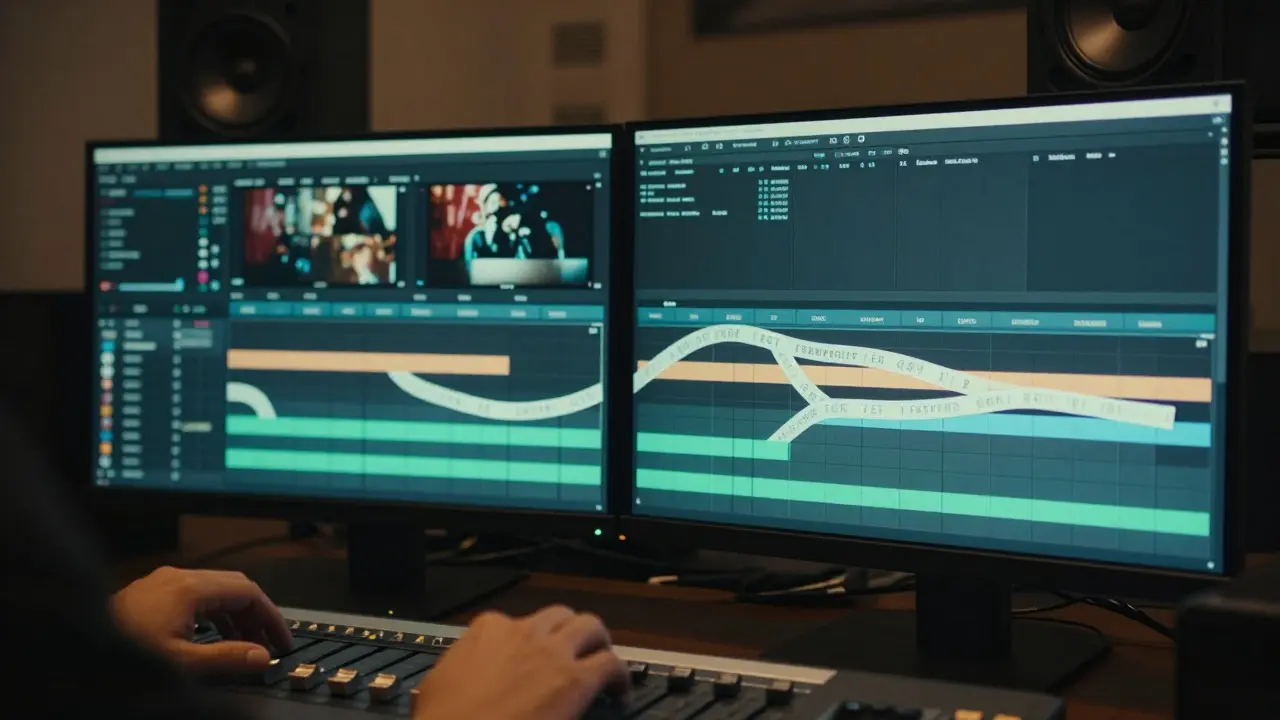
One of the most controversial aspects of modern film criticism is the influence of data on creative choices. While purists argue that art should be free from market forces, streaming platforms use data analytics to guide greenlighting and post-production. If early test screenings show that a particular subplot confuses viewers, a streaming editor might trim it faster than a theatrical editor would, simply because the platform can easily replace the title with another one in its library.
This creates a feedback loop where certain tropes become overrepresented. For example, if data shows that horror fans engage more with jump scares in the first 15 minutes, streaming horror films are increasingly edited to front-load these moments. Theatrical horror, meanwhile, often builds dread slowly, trusting the audience's patience because the commitment of going to the cinema implies a higher tolerance for slow burns. This divergence means that when you compare a streaming thriller to a theatrical one, the former often feels more immediate and reactive, while the latter feels more deliberate and artistic.
Criticism in the Age of Instant Availability
Film criticism has had to adapt to this dual-track system. In the past, reviews were written based on limited previews, and the public waited weeks for access. Now, critics must navigate the reality that a film released in theaters on Friday might hit a major streaming service in three months. This compresses the critical window. Audiences now form opinions based on social media reactions before the professional reviews even land.
For critics, this means evaluating a film's potential longevity rather than just its box office performance. A theatrical release is judged on its ability to sustain interest over several weeks. A streaming release is judged on its ability to stand out in a crowded digital shelf. This shift encourages critics to focus more on directorial vision and thematic depth, as these elements are what allow a streaming film to survive the algorithmic churn. The "editorial standard" for criticism has thus moved from gatekeeping to curation.

Case Studies: Where the Standards Diverge
Consider the phenomenon of the "direct-to-streaming" blockbuster. Films that bypass theaters entirely are often edited with a different rhythm. They may feature more expository dialogue because they assume the viewer is at home, potentially distracted, and needs clearer context clues. Conversely, films that debut in theaters often utilize visual storytelling more aggressively, assuming a focused, dark-room environment where subtle facial expressions and lighting cues carry significant weight.
Another area of divergence is the handling of sequels. Theatrical franchises often stick to a rigid formula to satisfy fan expectations and protect brand value. Streaming franchises, however, often use the flexibility of the medium to deconstruct those formulas. You see more non-linear narratives, ensemble casts, and genre blending in streaming sequels because the platform can target specific niche audiences rather than trying to please everyone. This results in a higher variance in quality but also a higher ceiling for innovation.
What This Means for Your Viewing Experience
As a viewer, understanding these editorial standards allows you to set better expectations. If you are watching a big-budget action film in theaters, expect a polished, high-octane experience designed for maximum impact. If you are watching a similar genre film on streaming, expect a slightly more relaxed pace, potentially longer runtime, and a mix optimized for your home setup. Neither is objectively better; they are just different tools for different jobs.
The future of film likely involves a hybrid model where the line between theatrical and streaming blurs further. However, the fundamental differences in audience behavior and economic incentives will continue to shape how films are edited and released. By recognizing these underlying structures, you can appreciate the craft behind the screen more deeply, whether you are sitting in a velvet chair or curled up on your sofa.
Are streaming films lower quality than theatrical releases?
Not necessarily. Quality depends on the specific project and budget. However, streaming films often have different editorial priorities, such as longer runtimes and broader audio mixes, which can make them feel less intense but more accessible for home viewing.
Why do some movies seem shorter in theaters than on streaming?
Theatrical cuts are often trimmed to maintain tight pacing for a large, diverse audience. Streaming versions may include deleted scenes or extended sequences because the platform assumes a committed, individual viewer who is less likely to be distracted.
How does the sound mix differ between cinema and streaming?
Cinema mixes are calibrated for large, powerful speaker systems and emphasize dynamic range and sub-bass. Streaming mixes are optimized for smaller speakers and headphones, often using a wider stereo image and less reliance on low frequencies to ensure clarity on various devices.
Does the algorithm really change how movies are edited?
Yes, indirectly. Streaming platforms use data to guide creative decisions, leading to edits that front-load hooks or simplify complex plots to retain subscribers. This results in a more reactive editing style compared to the more deliberate approach often seen in theatrical releases.
Which format is better for independent films?
Independent films often thrive on streaming due to lower marketing costs and the ability to reach niche audiences directly. However, theatrical festivals remain crucial for building prestige and award recognition. The best format depends on the film's specific goals and target demographic.


Comments(9)