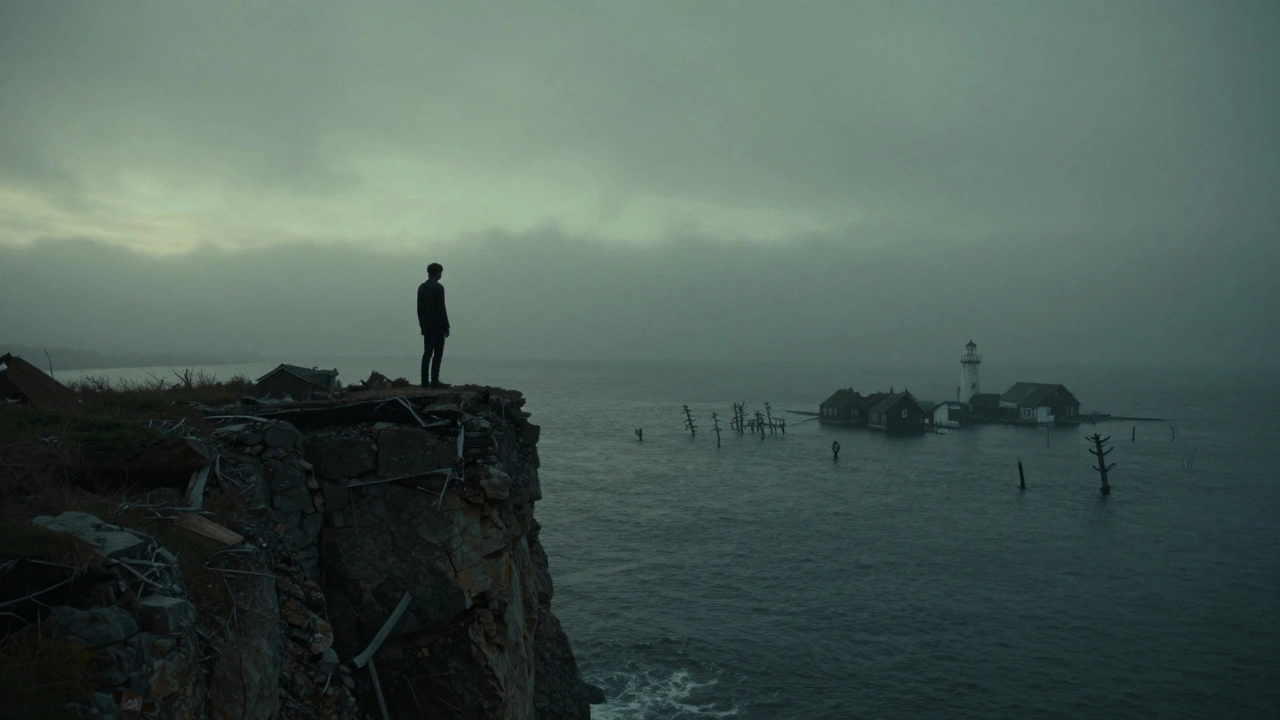
Think horror movies are just about monsters in the dark? Think again. In the last five years, a quiet but powerful wave of films has emerged-films that don’t scare you with jump scares, but with the slow, creeping dread of a world falling apart. These are eco-horror films. And they’re not just telling stories. They’re mirroring what millions of people feel in their bones: climate anxiety.
What Is Eco-Horror, Really?
Eco-horror isn’t a new term, but it’s become impossible to ignore. It’s horror rooted in environmental collapse. Not aliens. Not zombies. Not haunted houses. It’s the ocean rising. The air turning toxic. Trees that move on their own. Wildlife turning violent. The land itself becoming hostile.
Take The Lighthouse (2019). At first glance, it’s about two men trapped on a remote island. But look closer. The storm, the isolation, the rotting food, the sea gnawing at the edges-it’s all a metaphor for human hubris in the face of nature’s indifference. The film doesn’t need a monster. The environment is the monster.
Or Annihilation (2018). The Shimmer doesn’t just mutate life. It erases identity, blurs boundaries, and turns ecosystems into something alien and unrecognizable. It’s not sci-fi. It’s eco-horror dressed in glowing DNA.
These films don’t show climate change as a distant policy issue. They make it visceral. You feel the heat. The silence. The wrongness in the air.
Why Now? Why This Genre?
Why are these films popping up now? Because people are scared. Not just worried. Scared.
A 2023 study by the American Psychological Association found that 68% of adults under 35 report feeling “eco-anxious”-a persistent fear of environmental collapse. That’s not a passing mood. It’s a cultural tremor. And cinema is the mirror.
Traditional horror used to scare us with things we could outrun: a killer with a knife, a ghost in the attic. But climate anxiety? You can’t run from it. It’s in your water. Your food. Your air. It’s everywhere. So filmmakers started making horror that matches that reality.
Look at Green Room (2015). A punk band gets trapped in a remote venue, surrounded by neo-Nazis. It’s violent. Brutal. But underneath? It’s about isolation. About being cut off from society. About the world outside turning hostile. The real horror isn’t the killers-it’s the world that let them exist.
And then there’s The Last of Us (2023 TV series, but it bleeds into film culture). The Cordyceps fungus isn’t just a plot device. It’s a metaphor for ecological imbalance. A virus that spreads because humans disrupted nature. The show doesn’t say it outright. But you feel it.
Key Films That Define the Genre
Here are five films that shaped modern eco-horror-and why they matter:
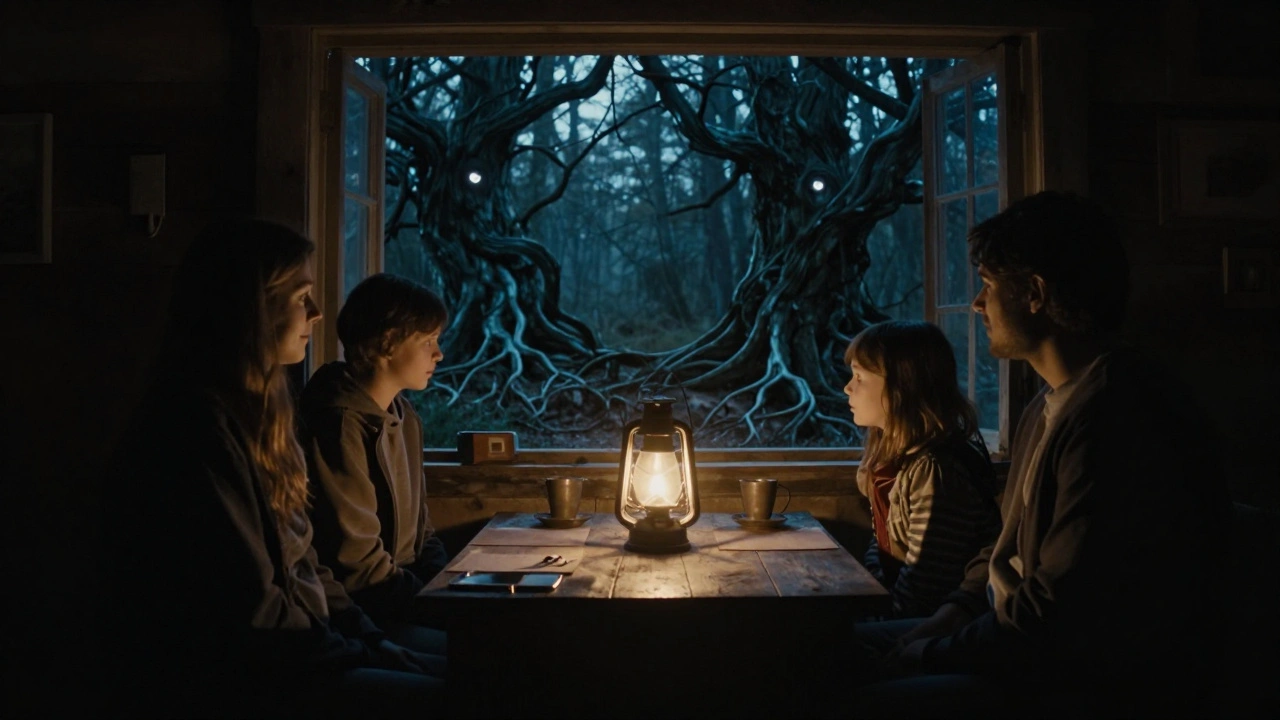
- It Comes at Night (2017) - A family locks themselves in a cabin during an unnamed pandemic. The real threat? Not the disease. The fear of each other. The breakdown of trust. The film’s silence speaks louder than any scream.
- Under the Skin (2013) - A woman drives through Scotland, luring men into her car. But the landscape is cold, empty, indifferent. The alien isn’t the monster. The planet is. It’s a haunting portrait of nature as a force that doesn’t care if we live or die.
- The End of the F***ing World (2017-2019) - A dark comedy-drama with horror elements. Two teens go on a road trip. The world they pass through is dying. Rivers are brown. Forests are dead. The characters don’t notice. The audience does.
- The Wailing (2016) - A Korean film where a village is struck by a mysterious illness. The cause? Not a virus. A spirit tied to the land. The film connects spiritual dread with ecological decay. The forest doesn’t just hide evil-it *is* evil.
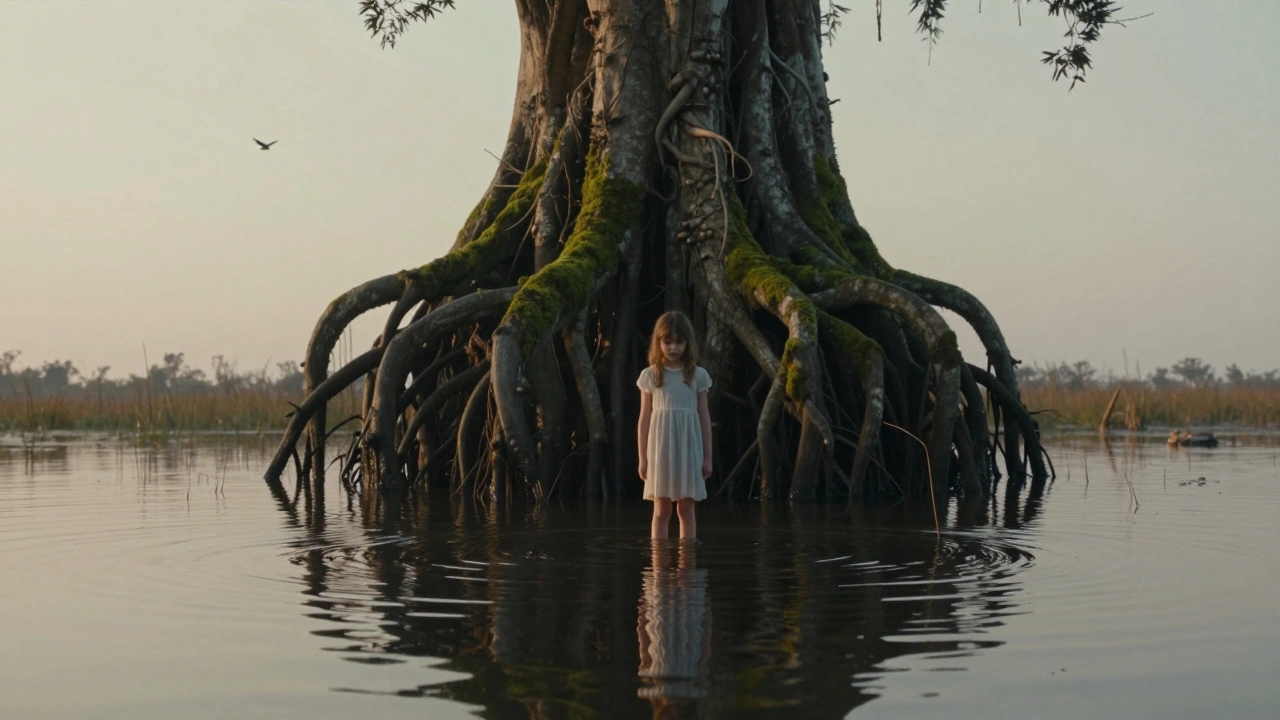
- Beasts of the Southern Wild (2012) - A child lives in a flooded, crumbling bayou. The world is sinking. The people are fighting to stay. The film doesn’t blame. It shows resilience. And terror. Together.
These aren’t just movies. They’re emotional records. Each one captures a different flavor of climate dread: isolation, betrayal, helplessness, loss.
How These Films Work Differently
Most horror uses clear villains. Eco-horror? The villain is systemic. It’s invisible. It’s slow. That’s why it’s so hard to make.
Take 2012. It’s disaster porn. Buildings collapse. Tsunamis swallow cities. It’s spectacle. But it doesn’t make you feel anxious. It makes you feel entertained.
Eco-horror is the opposite. It’s quiet. It’s slow. It’s in the details.
In It Comes at Night, the horror isn’t the thing in the woods. It’s the way the father won’t look his son in the eye. It’s the way the mother stops speaking. It’s the silence between breaths.
That’s the real climate anxiety: not the flood, but the numbness before it. The way we stop talking about it. The way we pretend it’s not happening.
These films don’t offer solutions. They don’t say, “Plant trees!” They say, “This is what it feels like to watch the world unravel.” And that’s more terrifying.
Why Niche Films Lead the Way
You won’t find eco-horror in big studio blockbusters. Why? Because studios want happy endings. They want heroes. They want resolution.
Eco-horror doesn’t have that. It’s messy. It’s unresolved. It’s uncomfortable.
That’s why it thrives in indie cinema. Films like Swallow (2019), where a woman eats objects to regain control in a life that feels out of control. Or The Killing of a Sacred Deer (2017), where a family is punished for a sin they don’t understand. These aren’t climate films on the surface. But they’re about powerlessness. About consequences. About systems that don’t care about you.
These films are made with small budgets. They’re shown in arthouse theaters. They don’t get trailers on YouTube. But they’re the ones that stick with you.
They’re the ones that make you look out your window and wonder: Is that fog? Or is it the air changing?
What These Films Tell Us About Ourselves
Eco-horror isn’t about the environment. Not really.
It’s about us.
It’s about how we handle guilt. Fear. Loss. Powerlessness.
When you watch The Lighthouse and the man screams at the storm, you’re not watching a man go mad. You’re watching a person who’s been told for decades that they’re in control. And now, they’re not.
That’s the core of climate anxiety. It’s not about polar bears. It’s about losing the illusion that we’re safe. That we’re in charge. That tomorrow will be like today.
These films don’t tell you what to do. They don’t give you a checklist. They just say: This is what it feels like. And if you feel it too-you’re not alone.
That’s why they matter.
What makes a film eco-horror versus just a climate movie?
Eco-horror uses fear, dread, and the supernatural to explore environmental collapse. It’s not about documentaries or activism. It’s about emotional and psychological terror rooted in nature turning against humanity. A climate movie might show rising sea levels. An eco-horror film makes you feel the water creeping into your bedroom while you sleep.
Are there any mainstream eco-horror films?
Most mainstream films avoid eco-horror because they need clear villains and happy endings. But Annihilation and The Last of Us came close-blending sci-fi with environmental dread. True eco-horror thrives in indie spaces where ambiguity and unresolved endings are allowed.
Why do these films feel so personal?
Because they don’t talk about glaciers or carbon stats. They show silence between parents and kids. The way a neighbor stops waving. The smell of smoke that won’t go away. These are the small, quiet moments of climate anxiety-and they’re the ones that haunt you long after the credits roll.
Can eco-horror films actually change how people think about climate change?
Not by giving you facts. But by changing how you feel. Studies show emotional responses to stories stick longer than data. A film that makes you feel isolated, afraid, or powerless about the environment can spark deeper reflection than a thousand infographics. That’s the power of horror.
What should I watch next if I liked these films?
Try The Wailing for spiritual dread tied to land, Swallow for control and bodily horror, or Under the Skin for nature as an indifferent force. For something newer, check out Sea Fever (2020) - a claustrophobic thriller about a parasitic outbreak on a fishing boat. It’s eco-horror with a side of quarantine dread.



Comments(7)