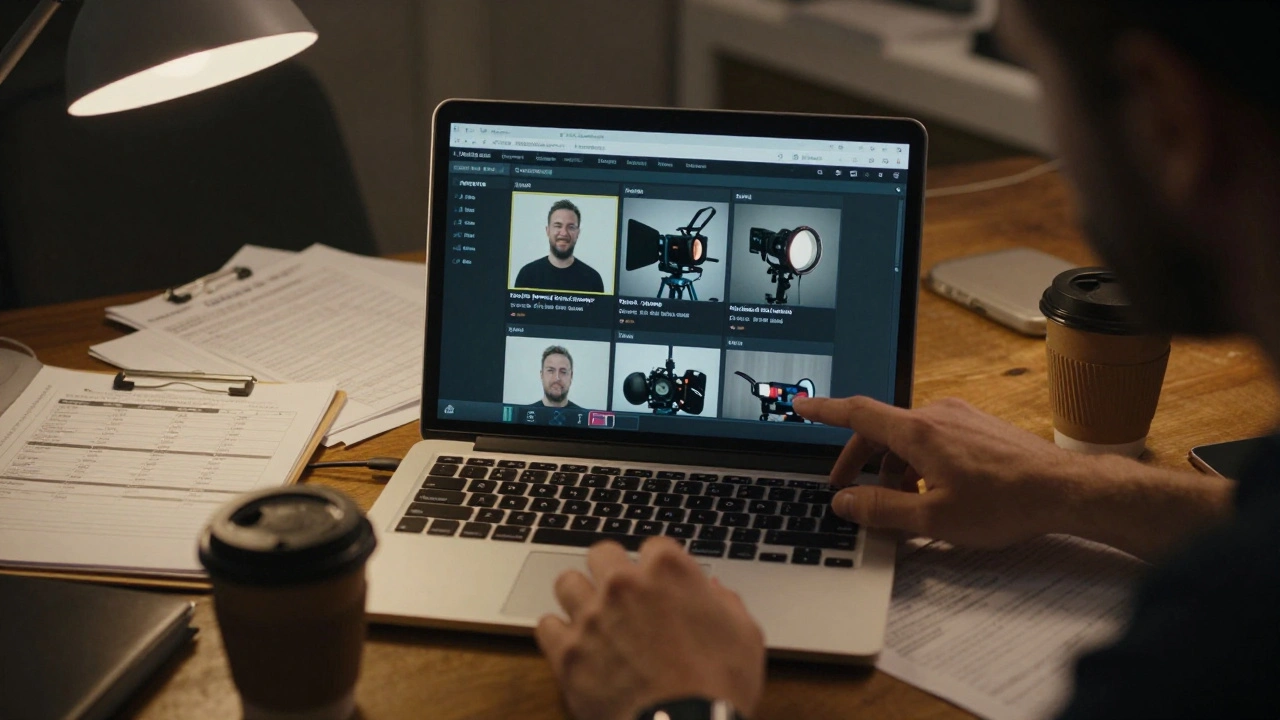
Every film starts with a crew. But finding the right people - a gaffer who knows how to shape light without blowing out a scene, a key grip who can rig a crane in a tight alley, or a script supervisor who catches continuity errors before they ruin a week of shooting - isn’t easy. Independent films, low-budget documentaries, and even big studio projects all rely on the same truth: film crew hiring happens online, and not all platforms are created equal.
Where Film Departments Actually Find Crew
Forget casting calls on Facebook groups or LinkedIn posts buried under job ads for accountants. Film crews don’t just apply - they network, track gigs, and build reputations on specialized platforms built for production. These aren’t generic job boards. They’re ecosystems where department heads post openings, crew members update their reels and availability, and productions vet talent based on past credits.
Back in 2018, a producer in Atlanta spent three weeks trying to hire a steadicam operator. They posted on Craigslist, asked friends, even called film schools. No luck. Then they posted on Mandy.com - and got 17 qualified applicants in 48 hours. One of them had worked on two Netflix series. That’s the difference.
Mandy.com: The Industry Standard
Mandy.com is still the most widely used platform for film crew hiring. It’s been around since 2000, and it’s where over 80% of independent producers start their search. Departments post jobs by role: camera, sound, art, lighting, transportation, and more. Crew members create profiles with their resume, reel links, equipment, and availability.
What makes Mandy stand out? It’s the depth. A gaffer doesn’t just list “lighting experience.” They list specific gear - ARRI SkyPanel, Kino Flo, LED arrays - and past credits: “Gaffer, Midnight in Memphis, 2024,” “Key Lighting, Project Horizon (Netflix), 2023.” Production managers filter by those exact terms. It’s not just a resume - it’s a production dossier.
Cost? $99 per job posting for producers. Crew members get free profiles. That’s why it’s still the go-to for indie films and even mid-budget studio side projects.
Stage 32: For Networking and Long-Term Growth
If Mandy is the job board, Stage 32 is the LinkedIn for film. It’s not just about posting gigs - it’s about building relationships. Crew members join groups like “Documentary Camera Operators North America” or “Production Designers in the UK.” They share work, ask for advice, and get recommended by peers.
Producers use Stage 32 to find crew who’ve already proven themselves in community discussions. A grip might post a video of a tricky rig they built on a tight budget. Someone from a production company sees it, reaches out, and hires them - no job post needed.
It’s slower than Mandy, but the hires stick. Crew hired through Stage 32 are more likely to return for future projects because they’ve already built trust. It’s not just hiring - it’s community building.
ProductionHUB: The All-in-One Tool
ProductionHUB is where the big players - studios, networks, and high-end indie outfits - go when they need more than just a crew list. It’s a full production management platform. You can post jobs, track applicants, manage contracts, and even handle payroll through integrations with Gusto and QuickBooks.
Departments like wardrobe, hair, and makeup use ProductionHUB to find specialists with certifications - think “SFX Makeup Artist with FDA-compliant prosthetics experience” or “Costume Supervisor with period drama credits.” It’s not for beginners. You need a production company ID to post.
It’s pricier - plans start at $199/month - but for teams running multiple shoots a year, it saves hours of back-and-forth emails and spreadsheets. One production manager in Vancouver said they cut their hiring time by 60% after switching.
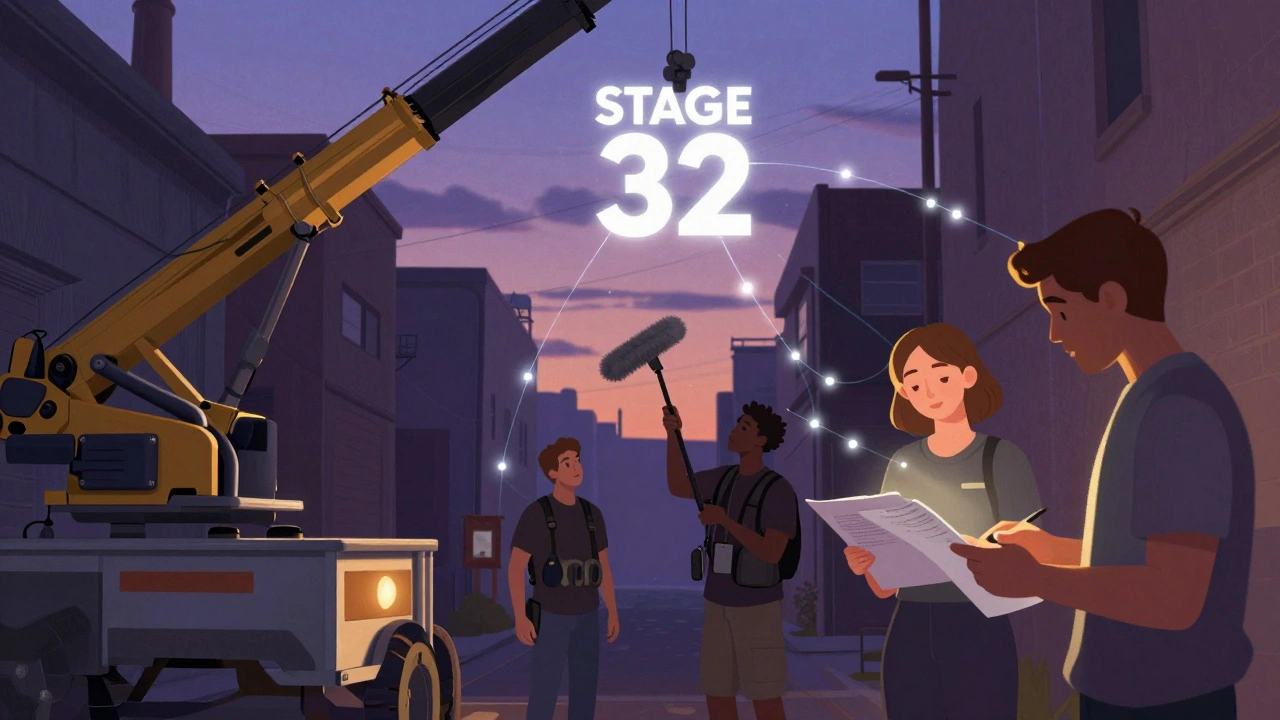
Backstage: The Actor’s Side, But Crew Use It Too
Most people think Backstage is just for actors. But it’s also one of the top places for assistant roles: PA, runner, assistant editor, assistant sound mixer. These are entry-level jobs that lead to bigger roles.
Production companies use Backstage to fill short-term, on-set support positions. It’s where you’ll find recent film school grads looking for their first gig. Crew members who start on Backstage often move to Mandy or ProductionHUB within a year.
It’s cheaper for producers - $49 for a 30-day job post - and the volume is high. But the quality varies. You’ll need to screen carefully. Still, for entry-level hires, it’s unmatched.
LinkedIn: The Hidden Resource
LinkedIn gets overlooked in film circles, but it’s growing fast. Why? Because more crew are building professional profiles. A director of photography might list “Cinematographer | ARRI Alexa Expert | 15+ Feature Films” with links to their IMDb and Vimeo. A location manager might list “Secured 40+ Filming Permits in NYC (2020-2025).”
Producers use LinkedIn to search by keywords: “gaffer,” “script supervisor,” “unit production manager.” They look at endorsements, past employers, and even mutual connections. It’s especially useful for hiring above-the-line crew - producers, directors, editors - who don’t always use traditional film job boards.
It’s not as specialized as Mandy, but it’s becoming essential for roles that overlap with corporate or commercial production.
Local Film Commissions and Union Halls
Don’t forget the old-school options. Every major film-producing city - Atlanta, New Mexico, Toronto, London - has a film commission website with a crew directory. These are often free and vetted. In New Mexico, the film office lists over 1,200 local crew members with specialties like “stunt coordination” or “wildlife camera operator.”
Unions matter too. IATSE locals (International Alliance of Theatrical Stage Employees) have job boards for their members. If you’re hiring a union electrician, carpenter, or sound technician, you’ll go through the local union hall. Non-union hires can’t fill those roles.
These aren’t flashy platforms, but they’re reliable. And if you’re shooting in a new location, the film commission’s list is your first stop.
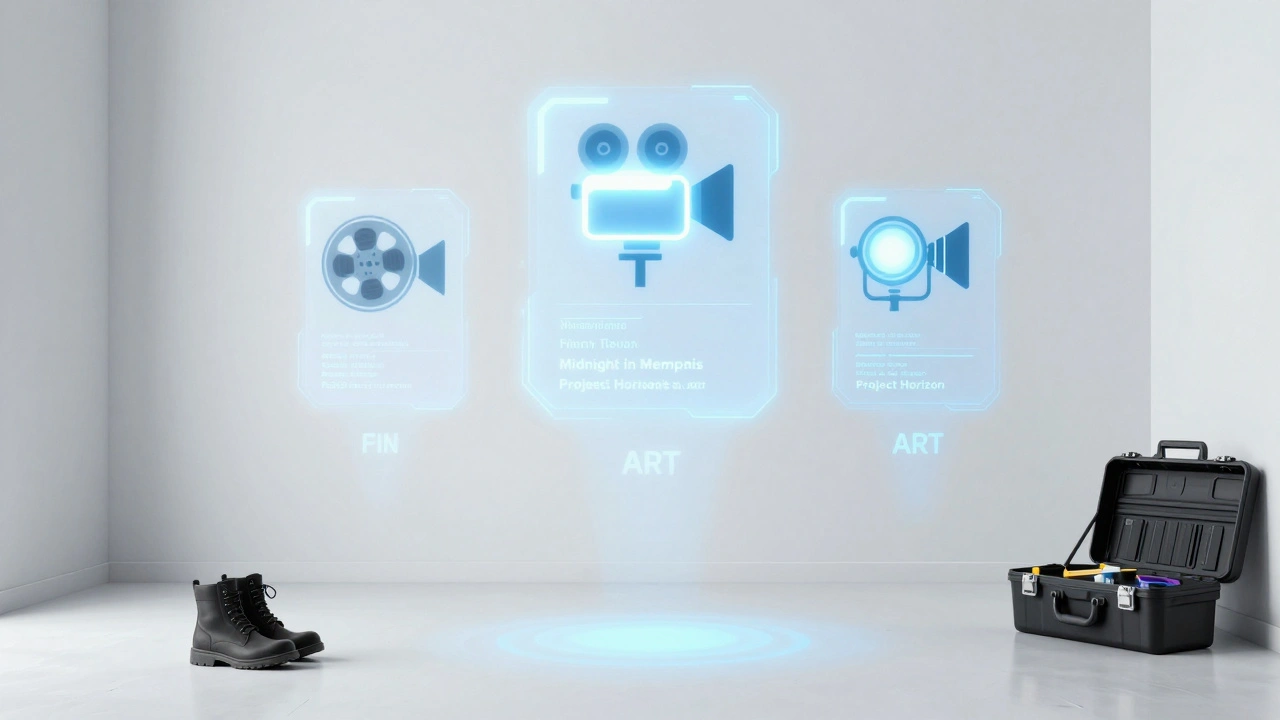
What Departments Look For - And What They Avoid
Each department has its own red flags. Camera departments want crew who show up early, know their gear, and don’t ask “What’s a follow focus?” Sound departments hate people who bring their own mics without checking compatibility. Art departments avoid those who don’t bring mood boards or sketches.
Here’s what actually gets you hired:
- Proof of past work - not just “I’ve worked on films,” but which ones, and what you did.
- Clear communication - replies within 24 hours, professional tone, no typos.
- Flexibility - availability for 12-hour days, willingness to travel, ability to adapt to last-minute changes.
- Equipment specs - listing exact cameras, lights, or software you use.
And here’s what kills your chances:
- Generic profiles: “Hardworking, team player, loves movies.”
- No reel or portfolio link.
- Applying for a role you clearly don’t have experience in.
How to Get Started as a New Crew Member
If you’re just starting out, don’t wait for the perfect gig. Start small:
- Create a Mandy.com profile - even if you’ve only worked on student films. List your role, gear, and any credits.
- Join Stage 32 and post your first project. Ask for feedback.
- Volunteer on low-budget films. It’s how most crew built their resumes.
- Use Backstage for PA or runner jobs. They’re the foot in the door.
- Update your profile every time you finish a job. Add the title, your role, and a link to the final cut if possible.
One assistant editor in Austin got her first feature credit after posting a 30-second edit sample on Stage 32. A producer saw it, hired her for a 3-day job, and then brought her back for her first feature. It took six months. But it happened.
Final Tip: Don’t Just Post - Be Seen
The best crew aren’t the ones who apply to every job. They’re the ones who show up consistently. They comment on other crew’s work. They share tips. They show up on set early, stay late, and make the producer’s job easier.
Platforms give you access. But your reputation - built through reliability, skill, and attitude - is what gets you hired again and again.
What’s the best platform for hiring a gaffer?
Mandy.com is still the top choice for hiring a gaffer. Most experienced lighting technicians have profiles there with detailed gear lists and past credits. ProductionHUB is a close second for larger productions that need union or certified crew. Avoid general job boards - they rarely attract qualified lighting specialists.
Can I hire crew without a production company?
Yes. Mandy.com and Backstage allow individual producers and indie filmmakers to post jobs without a company. You’ll need to verify your email and provide basic project info. ProductionHUB requires a company ID, so it’s not an option for solo creators. Local film commissions also let individuals search their directories for free.
Do I need to pay crew through these platforms?
No. These platforms connect you with crew - they don’t handle payments. You negotiate pay directly. Some platforms like ProductionHUB offer integrated payroll tools, but most producers use direct bank transfers, PayPal, or checks. Always get a signed agreement, even for small gigs.
How do I know if a crew member is union?
Check their profile on Mandy or ProductionHUB - union members often list their local (e.g., IATSE Local 728). You can also ask them directly. If they’re union, they’ll know which jurisdiction they belong to. Non-union crew can still do union jobs, but only if the production hires through the union’s hiring hall or gets a waiver.
Is LinkedIn useful for hiring below-the-line crew?
It’s growing, but not yet the primary tool. LinkedIn works best for producers, editors, and directors. For below-the-line roles like grip, electric, or script supervisor, Mandy and Stage 32 are still more reliable. That said, many crew now maintain LinkedIn profiles - use it to verify credentials, not as your main source.




Comments(10)