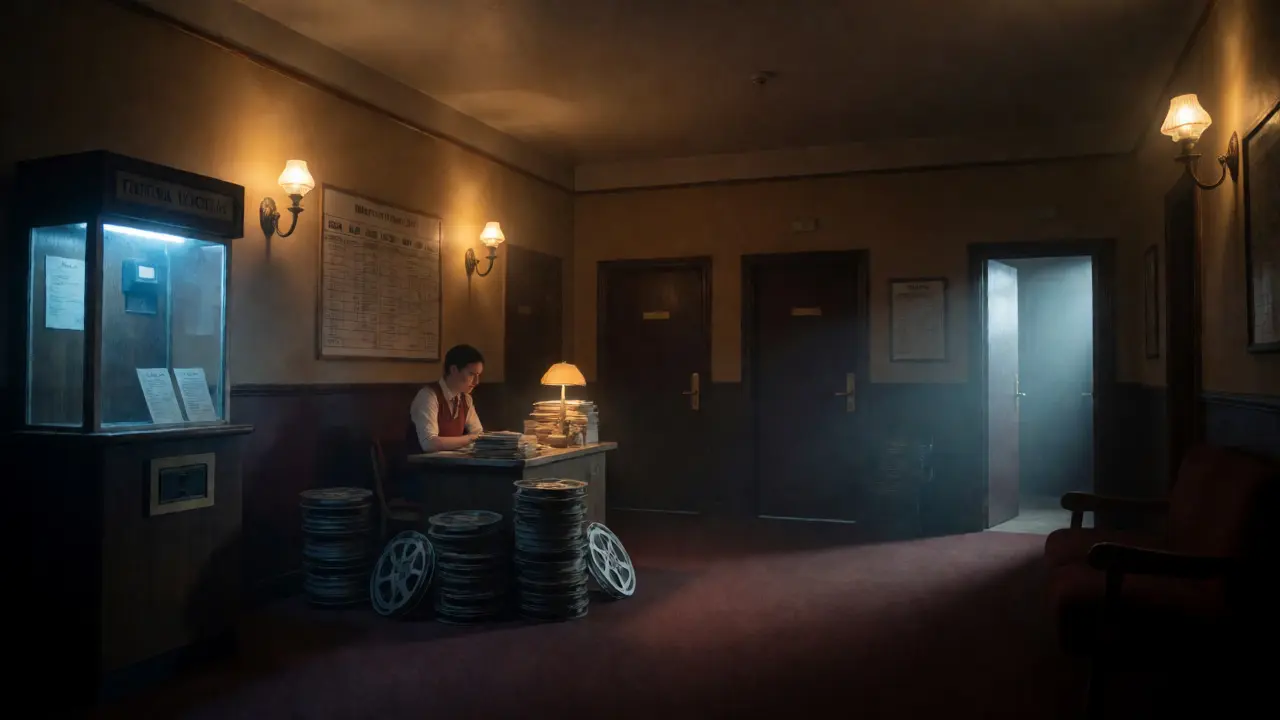
You walk into an art-house cinema on a Tuesday evening. The lobby is quiet, the ticket booth is unmanned, and three screens are dark while one shows a niche foreign documentary to six people. It feels inefficient, right? But if you’ve ever tried to run a small theater, you know that art-house scheduling isn’t just about picking movies; it’s a high-stakes puzzle of labor costs, audience behavior, and contractual obligations. Unlike multiplexes with massive overheads and blockbuster traffic, independent theaters operate on razor-thin margins. Your goal isn’t just to show films; it’s to keep the lights on without burning out your staff or confusing your patrons.
The Core Challenge: Fixed Screens vs. Variable Demand
Here is the brutal math of running a small cinema. You have a fixed number of screens-let’s say four. You might want to program twenty different films in a week. That means each film gets less screen time, but the demand for those films fluctuates wildly based on day of the week, weather, and local events. In a multiplex, if a Marvel movie fails, they swap it for another action flick. In an art-house, if a French New Wave retrospective underperforms, you can’t just replace it with Fast & Furious. Your audience expects curation, not chaos.
This creates a tension between programming variety and operational stability. Every time you change a schedule, you risk alienating regulars who planned their week around a specific showing. But if you don’t rotate content, you lose the novelty that draws new viewers. The solution lies in understanding that staffing and scheduling are not separate departments-they are two sides of the same coin. If you schedule poorly, you overstaff slow days and understaff busy ones. If you staff poorly, you can’t execute the schedule because you lack the manpower to reset rooms or manage admissions during peak overlaps.
Designing a Schedule That Survives Reality
Most independent theaters fail because they build schedules based on ideal conditions rather than actual foot traffic. You need to look at your data. When do people actually buy tickets? For many art-houses, Thursday night is surprisingly strong for younger crowds looking for something alternative after work. Saturday matinees might be dead unless you’re hosting a family-friendly animated feature. Sunday evenings often see a spike from older demographics seeking comfort viewing.
Consider the "block booking" model versus the "rolling release." Block booking gives you a guaranteed stream of content from distributors like A24 or Neon, but it locks you into specific windows. Rolling releases allow flexibility, letting you extend a hit film for weeks or cut a flop after three days. However, rolling releases require more frequent marketing updates and staff retraining on what’s playing. A hybrid approach often works best: anchor your schedule with long-running hits (like a sustained Oscar winner) to guarantee baseline revenue, then use the remaining slots for experimental shorts or director retrospectives.
| Model | Staffing Impact | Audience Retention | Risk Level |
|---|---|---|---|
| Block Booking | Low (predictable routine) | Medium (less surprise) | Low |
| Rolling Release | High (frequent changes) | High (freshness factor) | Medium |
| Event-Driven | Very High (special setups) | Very High (niche appeal) | High |
Staffing Strategies for Lean Operations
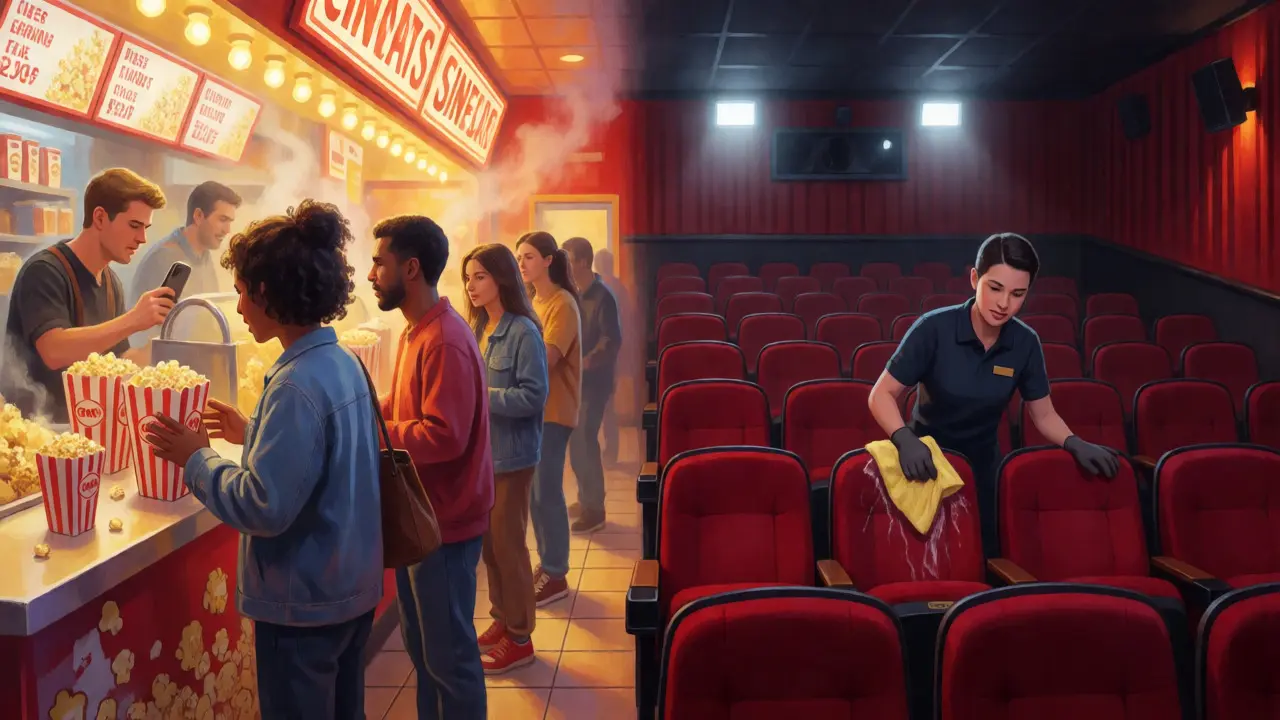
You cannot afford full-time ushers for every shift. Most successful art-houses rely on a core team of managers and programmers, supplemented by part-time staff hired specifically for peak windows. The key is cross-training. Your box office attendant should also know how to clean a theater, sell concessions, and troubleshoot a jammed projector. This flexibility allows you to reduce headcount during slow hours without compromising service quality.
Let’s talk about the "ghost shift." This is when you schedule staff during times when ticket sales are low, but preparation for upcoming peaks is necessary. Instead of having three people idle at 10 AM on a Monday, have one person handle cleaning and maintenance while the others are off. Use digital tools to automate ticketing so that even during these lean periods, customers can still buy tickets via kiosks or online apps. This reduces the need for constant human presence at the counter.
Another critical aspect is emotional labor. Art-house staff aren’t just ticket takers; they are cultural ambassadors. Patrons often ask for recommendations or discuss the film they just watched. Hiring people who genuinely love cinema pays dividends. They create a community vibe that big chains can’t replicate. But this requires careful management. Burnout is real when staff are expected to be enthusiastic 24/7. Rotate roles so that someone isn’t stuck on the door all weekend. Give them breaks to watch films themselves. A well-rested programmer makes better scheduling decisions than an exhausted one.
Optimizing Screen Allocation for Maximum Revenue
How do you decide which film gets the biggest screen? Usually, it’s the one with the highest per-seat potential. But in an art-house context, you also have to consider brand alignment. Showing a mainstream comedy on your largest IMAX-style screen might dilute your prestige. Conversely, burying a visually stunning epic on a tiny back room screen wastes its potential.
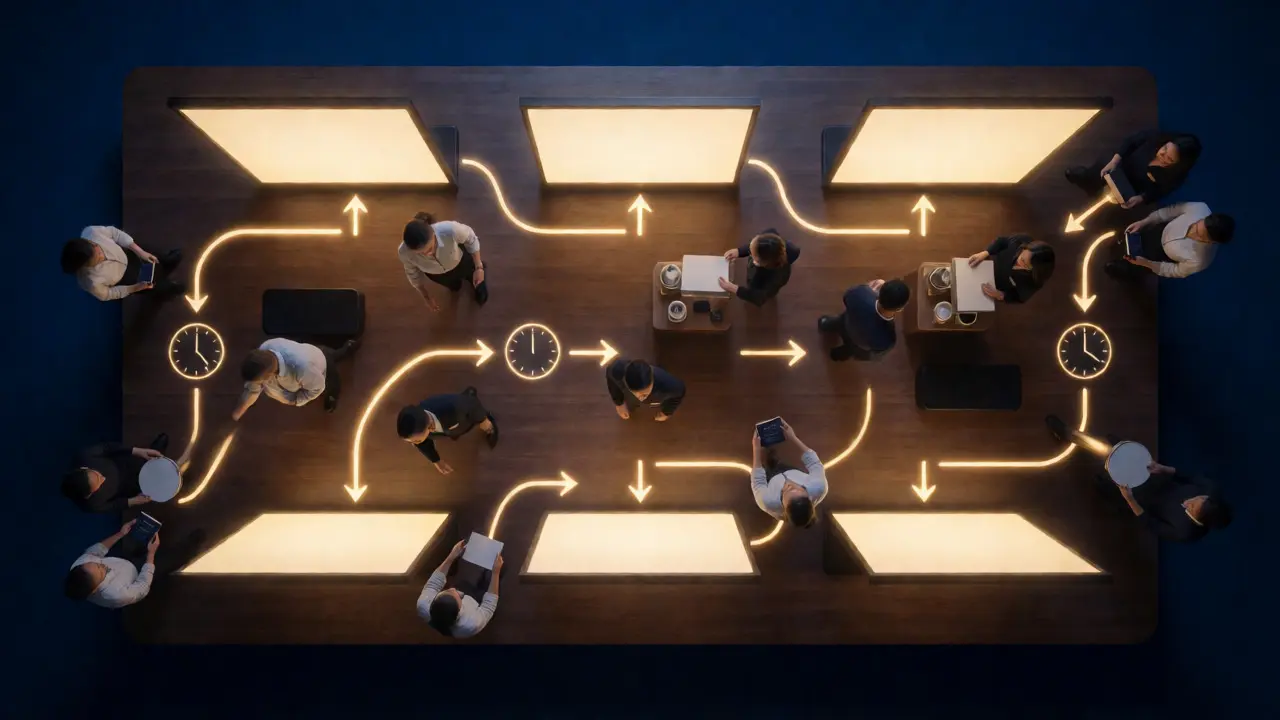
Use dynamic pricing to help balance load. If Screen 1 is packed with a popular indie darling, raise the price slightly or offer premium seating options. Direct overflow to Screen 2 with a lower price point. This smooths out attendance curves and prevents bottlenecks at the concession stand. Remember, concession revenue is often where the profit lives. If your schedule causes everyone to rush for popcorn at the same time, you lose sales due to long lines. Stagger start times by 15 minutes across screens to spread out the concession rush.
Leveraging Technology Without Losing the Human Touch
Modern cinema management systems (CMS) like Vista or Atomio can automate much of the scheduling heavy lifting. They track historical data to predict attendance, suggest optimal showtimes, and integrate with social media for instant updates. But don’t let the algorithm dictate everything. Algorithms don’t know that the local university is holding a festival next month, or that a major storm will keep people indoors. Human intuition remains vital.
Use technology to free up staff time, not replace them. Implement mobile ticketing so lines move faster. Use automated emails to notify subscribers of schedule changes. This keeps your staff focused on the customer experience inside the theater rather than managing logistics outside. When your team has bandwidth, they can engage with patrons, recommend films, and build loyalty-the true currency of independent cinemas.
Pitfalls to Avoid in Small-Scale Operations
One common mistake is over-programming. Trying to show too many films leads to half-empty seats, which looks bad on social media and discourages future attendance. It’s better to have fewer films with higher occupancy rates. Another trap is ignoring the "shoulder seasons." January and August are notoriously slow for art-houses. Don’t fight it with expensive marketing campaigns. Instead, pivot to community events, film clubs, or rental spaces for private screenings. Adjust your staffing levels accordingly-cut hours, don’t just hope for miracles.
Also, beware of rigid contracts. Some distributors penalize theaters for dropping films early. Negotiate flexible clauses that allow you to pull a title if it falls below a certain threshold within the first week. This protects your bottom line and lets you react quickly to market feedback.
How many staff members are needed for a 4-screen art-house?
Typically, you need 1 manager, 1 programmer, and 2-3 part-time staff per shift depending on volume. During peak weekends, you might need 4-5 staff total to cover box office, concessions, and ushering efficiently.
What is the best scheduling software for independent cinemas?
Vista Cinema Systems and Atomio are industry standards for larger independents. For smaller venues, simpler cloud-based solutions like FilmHub or specialized modules within POS systems can suffice, offering basic scheduling and ticketing integration.
How does staffing affect art-house profitability?
Labor costs are often the second highest expense after rent and film rentals. Efficient staffing directly impacts net profit. Overstaffing erodes margins on slow days, while understaffing leads to poor customer service and lost concession sales during peaks.
Should I stagger showtimes in a small cinema?
Yes, staggering start times by 10-15 minutes helps distribute crowd flow through the lobby and concession stands, reducing wait times and improving the overall customer experience without needing extra staff.
How do I handle sudden schedule changes?
Communicate immediately via email newsletters and social media. Offer refunds or exchanges easily. Train staff to handle these situations with empathy, perhaps offering a free drink voucher as a goodwill gesture for the inconvenience.






Comments(8)