The Hidden Price Tag of Festival Runs
Most filmmakers focus entirely on production expenses. They count every coffee cup and every hour of labor during the shoot. But the real financial shock often hits after the final cut is locked. Getting your movie into theaters is one thing, but getting it onto festival screens requires a completely different financial strategy. Many independent projects fail not because the art is bad, but because the budget ran out before the premiere.
When you plan a film budget that includes distribution and festival strategy, you need to account for three massive categories: travel, technical delivery, and publicity. These are the silent budget killers. If you ignore them, you might get accepted to a festival and realize you literally cannot afford to show up. This guide breaks down the actual numbers you need to consider for a realistic festival run in 2026.
Understanding the Digital Cinema Package (DCP)
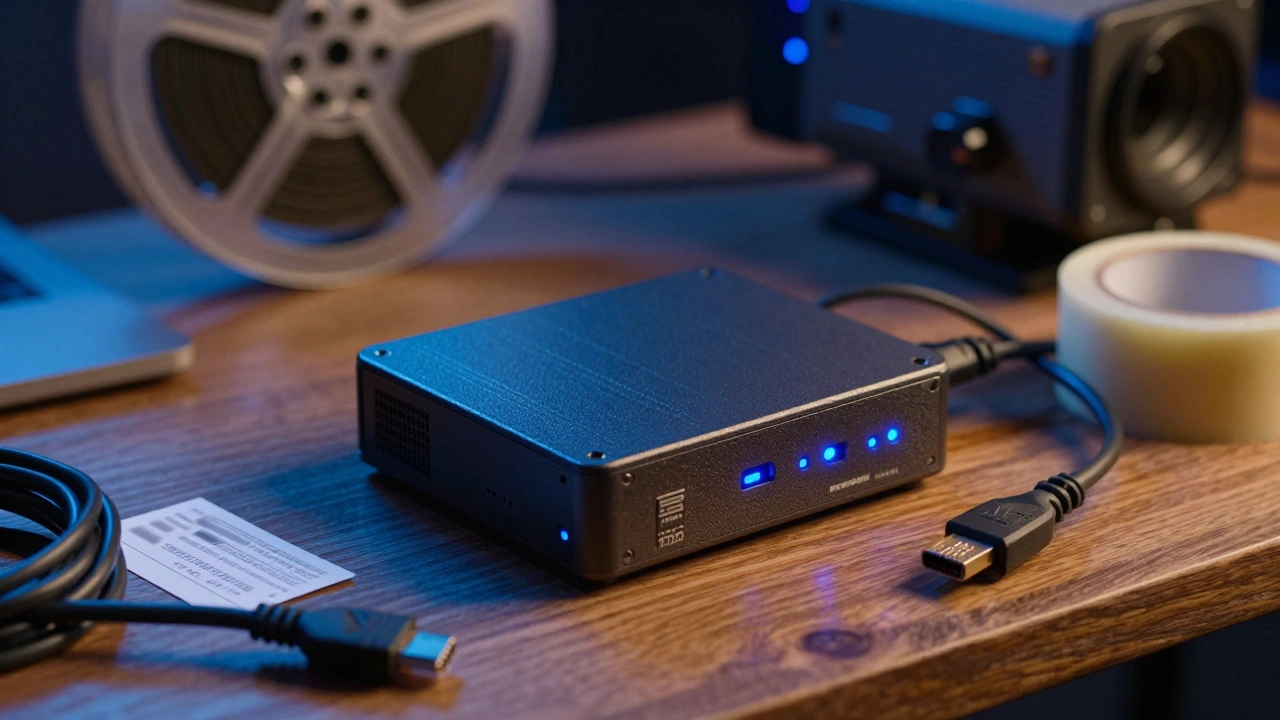
You cannot screen a film at a major festival with an MP4 file. The industry standard is the Digital Cinema Package, often called a DCP. This is a folder structure containing encrypted video and audio files that play on commercial cinema servers. Creating one is not free, and shipping it adds another layer of cost.
In 2026, the price to create a compliant DCP ranges from $400 to $1,500 depending on the resolution and whether you need color grading adjustments. If you are using software like DCP-o-matic, the software itself is free, but the time you spend troubleshooting errors is money. Most professionals hire a post-production house to ensure the package meets strict technical specifications. If the DCP fails to play during the screening, it looks unprofessional and can damage your reputation with programmers.
Shipping is another variable. You need a hard drive or a DCP server. Hard drives cost between $100 and $300, but you must ship them via insured courier services like FedEx or UPS. Shipping insurance is non-negotiable. If the drive gets lost or damaged, you need a replacement ready to go immediately. Some festivals accept digital uploads now, but many still require physical media for security reasons.
| Item | Low Estimate | High Estimate |
|---|---|---|
| DCP Creation Service | $400 | $1,500 |
| Hard Drive Storage | $100 | $300 |
| Shipping & Insurance | $50 | $200 |
| Q-Code Compliance | $0 | $300 |
Always check the technical requirements of each festival before you create the package. Some require specific aspect ratios or audio formats. Creating one master DCP that works for everyone is rarely possible. You might need multiple versions for different festivals, which multiplies your creation costs.
Travel Logistics and Per Diems
Travel is often the largest line item in a festival budget. If your film is selected for Sundance, SXSW, or Cannes, you will need to fly. If you are going to a regional festival, you might drive, but you still need to account for fuel, lodging, and food.
For a standard festival run, you should budget for at least two key personnel: the director and the producer. Sometimes you need a publicist or a sales agent. Flights vary wildly based on the season. Booking three months in advance can save you 30% compared to last-minute tickets. Hotels near festival venues often double or triple their rates during the event. You need to look for accommodation a mile or two away to save money, then factor in taxi or rideshare costs.
Do not forget the per diem. This covers meals and incidental expenses. Industry standards suggest budgeting $75 to $150 per person per day. This seems small until you multiply it by a crew of five for a week-long festival. That is nearly $5,000 just for food. If you are hosting a dinner for press or distributors, that budget disappears instantly.
Ground transportation is another hidden cost. Festival shuttles are rarely free for attendees unless you are an official press member. Rideshare apps like Uber or Lyft can add up quickly when you are moving between screenings, parties, and hotels. If you are bringing a crew, you might need a rental van. This adds insurance and driver costs to the mix.

Publicity and PR Expenses
Getting into a festival is only half the battle. You need people to actually watch the film. Publicity is the engine that drives attendance and industry interest. You cannot rely on word of mouth alone. You need press kits, social media campaigns, and physical presence at the event.
A professional press kit includes high-resolution stills, a synopsis, director biography, and contact information. Creating these assets costs money if you hire a designer. If you do it yourself, it costs time. You also need to pay for a PR firm or hire a freelance publicist to manage media relations. Rates for a festival-specific PR campaign range from $2,000 to $10,000 depending on the festival size.
Hosting events is another major expense. Many filmmakers host a post-screening Q&A or a cocktail party. These events require venue rentals, catering, and security. A small gathering for 50 people can cost $1,500 easily. You need to invite the right people: journalists, programmers from other festivals, and potential distributors. If you invite the wrong crowd, you are throwing money away.
Social media advertising is essential. You need to target locals in the festival city to fill seats. Running ads on Instagram or Facebook during the festival week can boost ticket sales. Budget at least $500 for targeted ads per festival. This ensures that when the screening starts, the room is full. A full room creates energy that attracts more industry attention.
Submission and Entry Fees
Before you spend a dime on travel or DCPs, you pay to apply. Submission fees are the entry cost to the festival circuit. Fees range from $30 for early bird submissions to $100 or more for late entries. If you submit to 20 festivals, that is $2,000 upfront with no guarantee of acceptance.
Platforms like FilmFreeway handle most submissions. They charge a small fee on top of the festival fee. Some festivals offer fee waivers for specific demographics or first-time filmmakers, but these are competitive. You need to track these expenses carefully. They are sunk costs. If you don't get in, that money is gone.
Once you are accepted, some festivals charge a screening fee. This is less common at major festivals but happens at smaller venues. They might ask for a percentage of the box office or a flat fee to cover projection costs. Always read the contract before accepting an invitation. Some contracts require you to cover all marketing costs, which can be a trap.

Budgeting Strategy and ROI
You need a clear strategy for which festivals to target. Do not submit everywhere. Focus on festivals that fit your genre and audience. A horror film should not waste money on a documentary festival. Prioritize festivals with industry attendance if your goal is distribution. Prioritize audience festivals if your goal is ticket sales.
Create a contingency fund. Always add 15% to your total festival budget for unexpected costs. Flights get cancelled, drives get lost, and venues change requirements. If you do not have this buffer, a single surprise expense can derail your entire run. You should also calculate the return on investment. If a festival costs $10,000 to attend, does it lead to a distribution deal worth $100,000? If not, it might be better to self-distribute online.
Track every expense. Use a spreadsheet to log flights, hotels, meals, and shipping. This data helps you budget better for future projects. It also helps you claim tax deductions. Many festival expenses are deductible as business expenses if you are operating as a production company. Keep all receipts organized.
Consider crowdfunding for the festival run. Some filmmakers raise money specifically for the distribution phase. This allows you to keep production costs low while still having funds for the festival circuit. Be transparent with your backers about where the money goes. They want to know their contribution helps get the film seen.
Frequently Asked Questions
How much should I budget for a single festival run?
For a mid-sized festival, budget between $5,000 and $15,000. This covers travel for two people, DCP creation, shipping, and basic PR. Major festivals like Sundance can exceed $50,000 due to higher travel and accommodation costs.
Do festivals pay for travel expenses?
Most festivals do not cover travel. Some offer stipends or travel grants for specific programs, but you should assume you will pay all costs. Always check the acceptance letter for any financial assistance details.
Can I use the same DCP for every festival?
Usually, yes, if the technical specs are standard. However, some festivals require specific encryption keys or file formats. Always verify the requirements before shipping the drive to avoid rejection.
Is hiring a PR agent worth the cost?
For major festivals, yes. A PR agent has existing relationships with journalists and can secure press coverage you cannot get alone. For smaller festivals, you might handle PR yourself to save money.
What are the biggest budget mistakes filmmakers make?
The biggest mistake is underestimating travel costs and ignoring the contingency fund. Filmmakers often budget for the best-case scenario and panic when prices rise or unexpected fees appear.
Planning your festival run requires the same discipline as production. Treat the festival circuit as a business campaign, not just a celebration. By understanding the costs of travel, DCPs, and PR, you can make informed decisions that protect your film's future. Your budget is a tool for success, not just a list of expenses. Use it wisely to ensure your film reaches the audience it deserves.





Comments(10)