Main Takeaways
- Streaming hasn't killed theaters, but it has raised the bar for what makes a movie "worth" the trip.
- The "Theatrical Window"-the time between a cinema release and home viewing-is shrinking or disappearing.
- Big-budget spectacles (Event Cinema) are thriving, while mid-budget dramas are migrating to platforms.
- Dynamic pricing and premium formats (IMAX) are the new survival tools for exhibitors.
The Shift in How We Choose Movies
For decades, the movie theater was the only place to see a new film in high quality. Now, Streaming Services is a distribution model where content is delivered via the internet without the need for a physical disc or a scheduled broadcast. With the rise of Netflix and Disney+, the friction of going to the movies-driving, parking, and dealing with loud strangers-has become a significant hurdle.
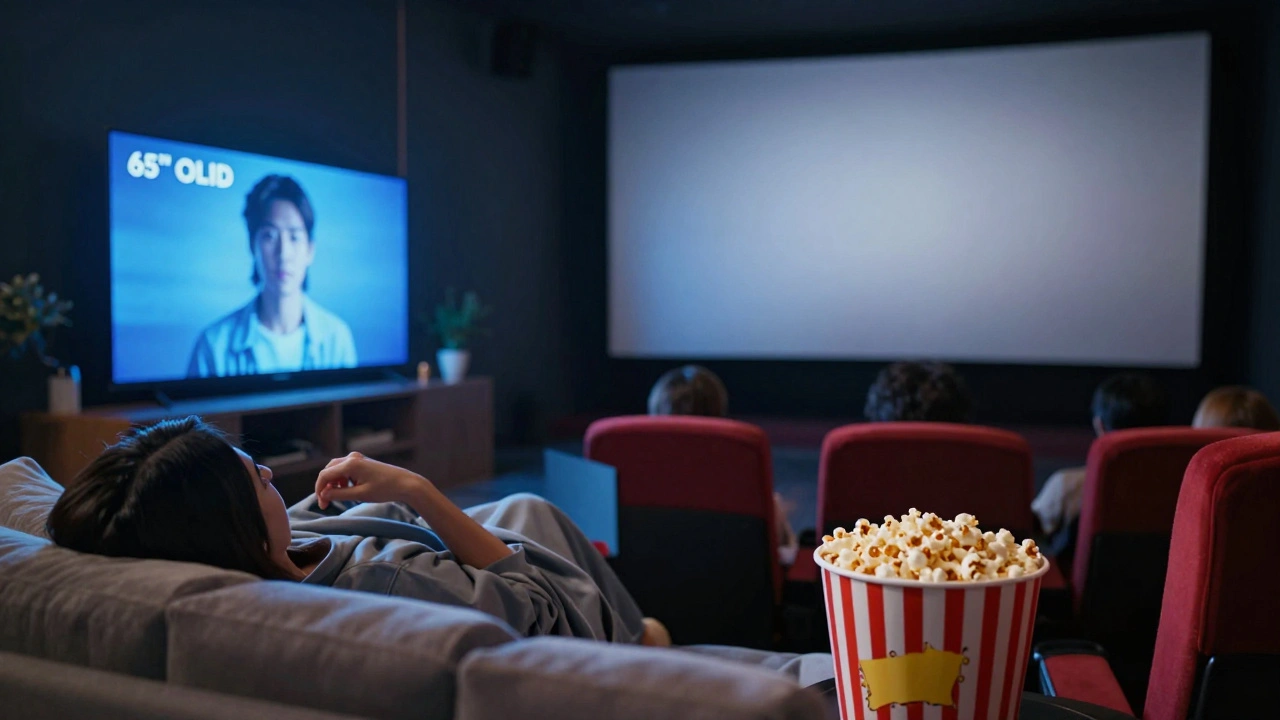
Think about the "mid-budget' movie. You know, the adult dramas or romantic comedies that used to fill theaters in the 90s. Those are almost gone from the big screen. Why? Because they don't demand a 60-foot screen to be effective. A movie like The Whale or Glass Onion works just as well on a 65-inch OLED TV as it does in a cinema. This has created a divide: we have "Event Cinema" on one side and "Home Cinema" on the other.
The War Over the Theatrical Window
The most contentious part of this battle is the Theatrical Window, which is the exclusive period during which a movie is shown in theaters before it becomes available on other platforms. Historically, this was 90 days. It gave theaters a fair shot at making money before the home market took over. But the pandemic broke that system.
Now, we see "day-and-date" releases where a movie hits both the theater and a streaming app at the same time, or a shortened 45-day window. When the gap closes, the perceived urgency to see a movie vanishes. If you know you can watch it in a month, you'll wait. This is a massive hit to streaming services and their relationship with cinema owners, as exhibitors feel the platforms are cannibalizing their only source of income.
| Feature | Traditional Theatrical | Direct-to-Streaming (SVOD) |
|---|---|---|
| Primary Revenue | Ticket Sales (Box Office) | Monthly Subscriptions |
| Audience Reach | Limited by Seats/Screens | Global Instant Access |
| Viewing Experience | Shared, High-Fidelity | Private, Variable Quality |
| Window Period | 90+ Days (Historically) | Zero to 45 Days |
The Rise of the Spectacle
If you look at the numbers, the Box Office-the total revenue generated by movie ticket sales-isn't actually crashing across the board. It's polarizing. The "Tentpole" movie, usually a massive franchise like Marvel Studios' works or Avatar, still pulls in billions. Why? Because these are visual experiences. You don't go to see Dune just for the plot; you go for the scale, the sound design, and the feeling of the theater shaking.
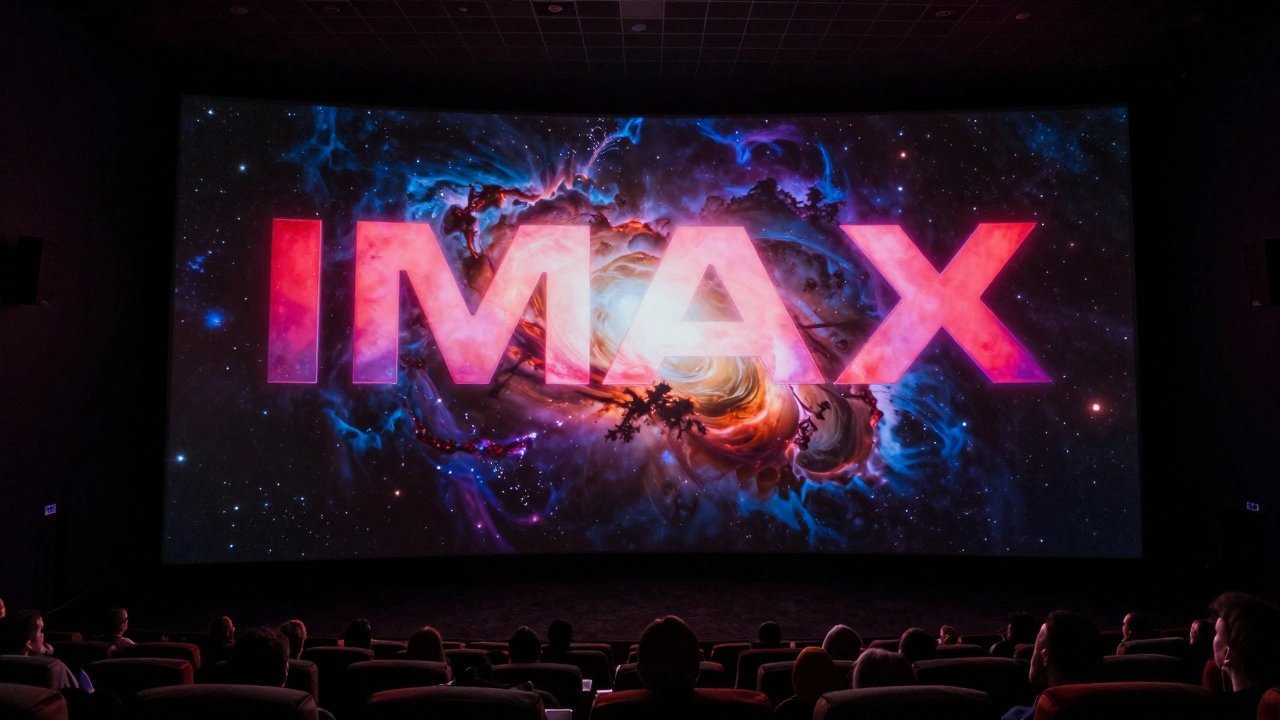
Theaters are leaning into this by upgrading to IMAX, a high-resolution film format and projection system designed to provide a more immersive experience. By offering something the home cannot replicate-like a screen that fills your entire field of vision-they create a reason to leave the house. It's a survival strategy: make the cinema an attraction, not just a place to watch a movie.
The Economic Pressure on Theaters
While the blockbusters are doing okay, the average cinema is struggling. The cost of operating a theater is astronomical. You have to pay for electricity, staffing, and licensing fees, all while fighting the fact that most theaters make more money from popcorn than from the movies themselves. This is known as the "concessions-led model."
When streaming pushes more movies to the home, the foot traffic drops. Fewer people in seats means fewer hot dogs and soda sold. This creates a death spiral where theaters can't afford to upgrade their facilities, which makes the experience less appealing, which leads to more people staying home. To fight this, some chains are experimenting with dining-in experiences or luxury reclining seats to turn a movie night into a full-blown date night.
Is the Cinema Experience Truly Declining?
It's not so much declining as it is evolving. We are seeing the birth of a hybrid ecosystem. Some movies are now designed specifically for the SVOD (Subscription Video On Demand) model, meaning they are paced and structured for a living room audience. Others are designed as "events."
The real loss isn't the theater itself, but the diversity of what we see there. We're losing the "middle" of the market. If a movie isn't a massive superhero flick or a tiny indie darling, it's probably going to be a Netflix Original. This limits the types of stories that get a wide release, pushing us toward a world of extremes: either a billion-dollar spectacle or a niche project.
Does streaming make movies lower quality?
Not necessarily. Many streaming platforms now invest heavily in production. However, the "feel" is different. Movies made for streaming often follow data-driven algorithms to keep viewers engaged in a home setting where distractions are higher, whereas theatrical films are designed to hold a captive audience in the dark.
Will movie theaters eventually disappear?
It's unlikely. Humans are social creatures, and the shared emotional experience of a crowd laughing or screaming together is something a living room can't mimic. Theaters will likely become more like "boutique" experiences-fewer in number, but higher in quality and more focused on the premium experience.
What is the ideal theatrical window length?
Industry experts generally argue for a 45-to-60 day window. This is long enough to allow theaters to recover their costs and build hype, but short enough that the general public doesn't lose interest in the film before it hits streaming services.
Why are ticket prices increasing?
As foot traffic becomes more unpredictable, theaters raise prices on the remaining "event" movies to make up for the loss of the mid-budget audience. They are shifting toward a low-volume, high-margin business model.
How do streaming services affect indie films?
It's a double-edged sword. Streaming provides a guaranteed distribution channel for indie films that might never get a theater screen. However, it also means these films are often buried in a massive library of content, making it harder for them to gain the cultural impact a theatrical release provides.
What Happens Next?
If you're a movie lover, the next few years will be a weird transition. We'll likely see more "limited theatrical runs"-where a movie plays in theaters for two weeks just to qualify for Oscars or create buzz, before moving to a platform. This is already happening with a lot of A24 films.
For the studios, the goal is to find the "Goldilocks zone": a release strategy that maximizes ticket sales without alienating the millions of people who only pay for monthly subscriptions. Whether you prefer the smell of buttery popcorn or the comfort of your own couch, the one thing that's certain is that the old way of doing things is gone. The big screen isn't dying; it's just becoming a luxury item.


Comments(6)