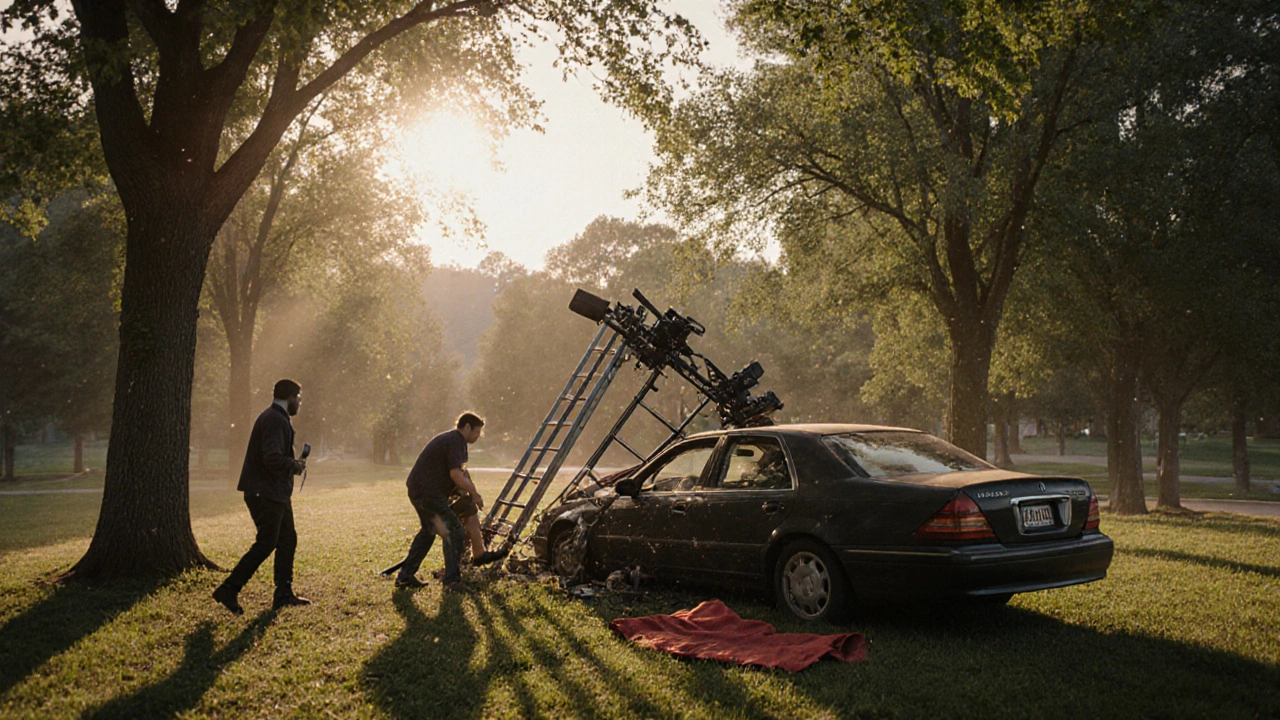
On a quiet morning in Asheville, a film crew was setting up a scene in a local park. A ladder slipped. A camera rig crashed into a parked car. A bystander twisted an ankle trying to dodge falling equipment. No one was seriously hurt, but the damage? Over $18,000 in repairs and medical bills. The production had no insurance. The director had to pay out of pocket. The shoot was shut down for three days. That’s the kind of moment that makes general liability insurance not just smart-it’s essential.
What Exactly Is General Liability Insurance for Films?
General liability insurance for film productions covers third-party injuries and property damage that happen during shooting. It doesn’t cover your equipment, cast salaries, or lost days due to weather. It’s focused on one thing: accidents that involve people or things outside your production team.
Think of it like this: if your boom mic hits a pedestrian, if a lighting stand knocks over a storefront window, or if a stunt runner trips and breaks a hip on your set-you’re liable. General liability steps in to pay for medical bills, legal fees, and repairs. Most film permits in the U.S. require proof of this coverage before you can shoot on public property. Cities like Los Angeles, New York, and even small towns in North Carolina won’t issue a permit without it.
Why Most Indie Films Skip It (And Why That’s a Mistake)
Many indie filmmakers think, “We’re a small crew. We’re not doing anything dangerous.” But accidents don’t care about your budget. A dropped prop, a wet floor from rain, a misjudged door swing-these things happen on every set. A 2023 survey by the Producers Guild of America found that 42% of low-budget productions experienced at least one liability incident, and 68% of those didn’t have insurance.
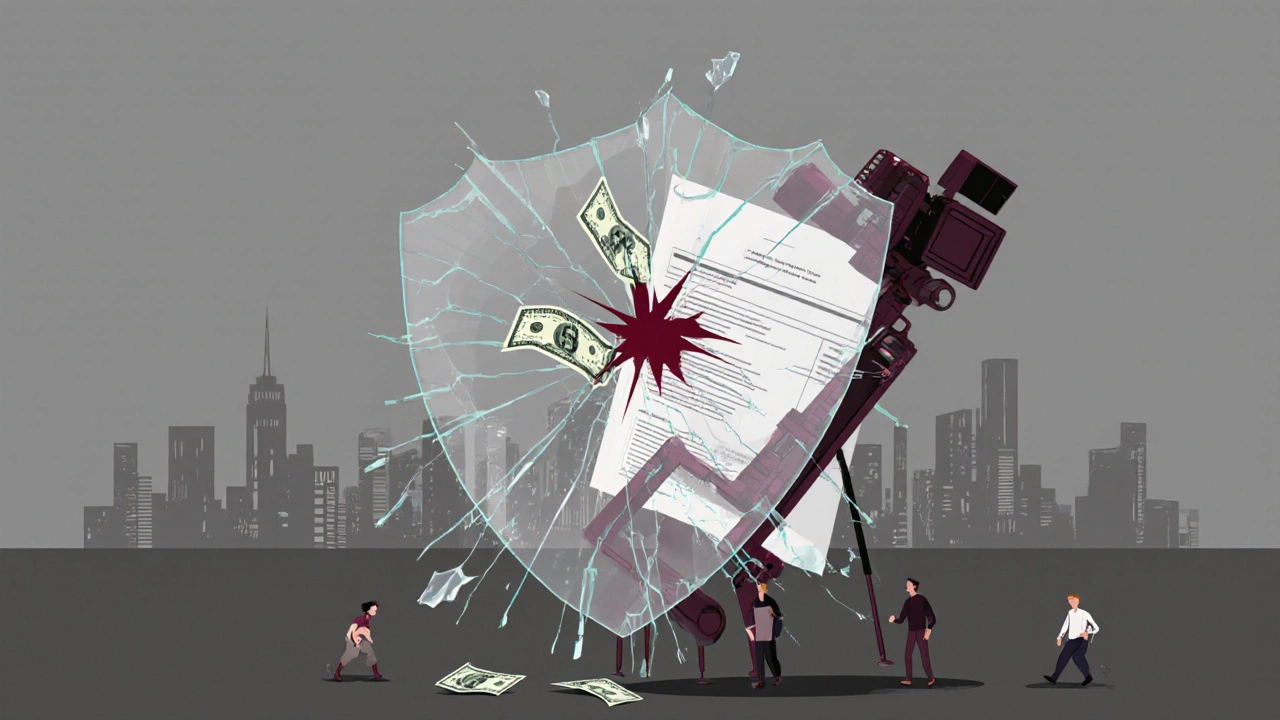
Without coverage, you’re on the hook for everything. A single lawsuit can cost $50,000 or more in legal fees alone-even if you win. And if you lose? That’s not just money. It’s your reputation. Your next project might never get funded if you’re labeled as a risky production.
What Does It Actually Cover?
General liability insurance for films typically includes three main protections:
- Bodily injury: If someone gets hurt on your set or nearby because of your production’s actions-like a spectator tripping over a cable-this pays for their medical bills and lost wages.
- Property damage: If your camera dolly crushes a neighbor’s fence, or your generator floods a basement, this covers repair or replacement costs.
- Personal and advertising injury: This is less common but important. If your film accidentally uses someone’s likeness without permission and they sue for defamation or invasion of privacy, this can help cover legal costs.
It does NOT cover:
- Damage to your own gear (that’s equipment insurance)
- Workers’ compensation for your crew (that’s a separate policy)
- Intentional acts or fraud
- Professional errors (like bad editing or copyright infringement)
How Much Coverage Do You Need?
Most locations require at least $1 million in coverage. Some high-risk shoots-like those involving stunts, pyrotechnics, or large crowds-may need $2 million or more. For a typical indie film shooting in urban or public areas, $1 million is the baseline.
Cost? For a 10-day shoot, you’re looking at $250-$750 depending on location, crew size, and risk level. That’s less than the price of a single broken camera lens. And it’s cheaper than one lawsuit.
Some insurers offer daily rates, so if you’re shooting on weekends only, you can pay only for the days you’re filming. Others bundle it with other policies like equipment or cast insurance. Shop around. Don’t just go with the first quote.
How to Get It
You don’t need a broker who specializes in Hollywood blockbusters. There are several companies that focus on indie and low-budget productions:
- Entertainment Insurance Services: Offers flexible policies for short-term shoots. Good for first-time filmmakers.
- MediaPro: Popular in the Southeast. They understand local permit requirements in places like Asheville, Charleston, and Atlanta.
- Production Insurance Solutions: Lets you buy coverage online in under 15 minutes. Instant certificate of insurance emailed to you.
When you apply, you’ll need:
- Production dates and locations
- Number of crew members
- Types of activities (e.g., driving, stunts, aerial shots)
- Names of any third-party venues (schools, parks, private homes)
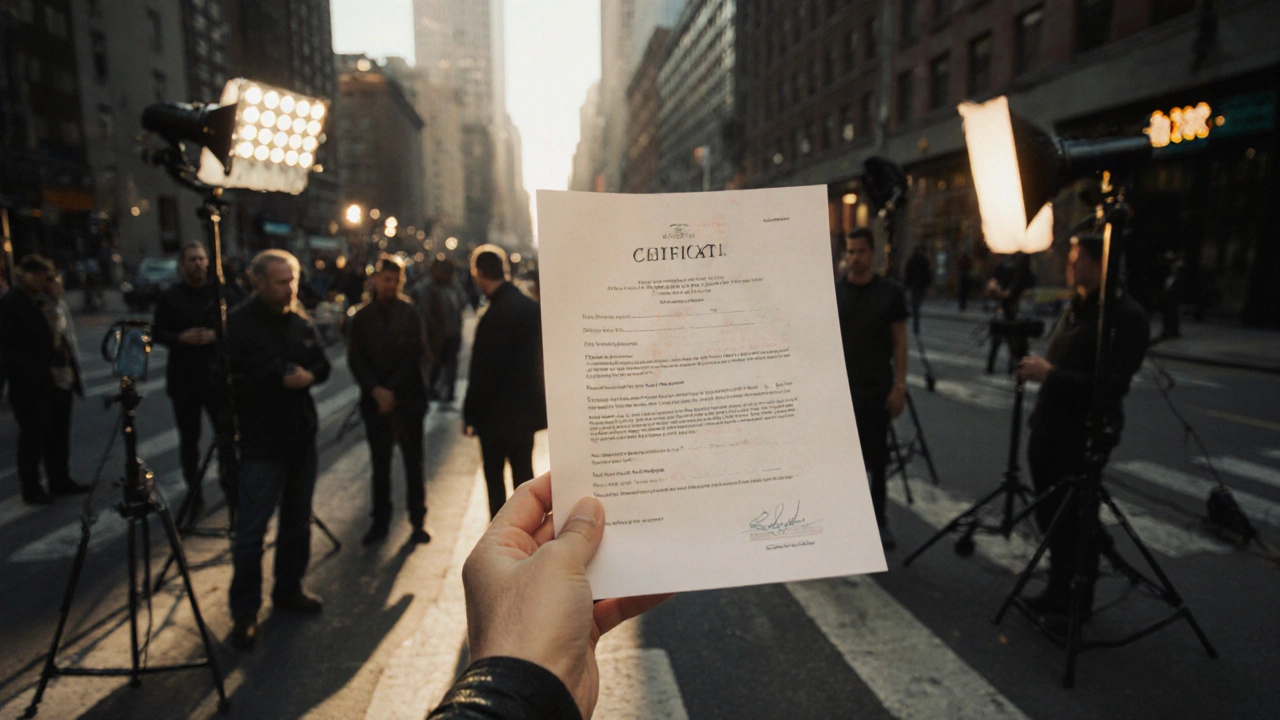
Once approved, you’ll get a Certificate of Insurance (COI). This is the document you hand to the city, the property owner, or the location manager. Keep a printed copy on set. Many locations won’t let you start without seeing it.
Real-World Scenarios Where It Saved Productions
In 2024, a documentary crew in Portland was filming inside a historic church. A crew member knocked over a candle during setup. The flame caught a curtain. Fire damage totaled $32,000. The church’s insurance denied the claim because the fire was caused by the production. The film’s general liability policy covered the full cost. The shoot resumed two days later.
Another example: a student film in Ohio. A non-actor volunteer was helping carry a heavy light. He dropped it. It hit a woman’s foot. She needed surgery. The production’s $1 million policy covered her medical bills, lost wages, and a small settlement. No lawsuit. No public drama. Just a quiet resolution.
What Happens If You Don’t Have It?
Permits get denied. Locations refuse access. Investors pull out. Distributors won’t touch your film. Even if you somehow finish without getting caught, you’re sitting on a ticking bomb. Someone could sue you five years later.
And here’s the kicker: if you’re using a crowdfunding platform like Kickstarter or Indiegogo, most platforms require proof of insurance before you can launch a campaign. They know how risky production can be. They won’t let you ask for money without covering your bases.
Common Myths About Film Liability Insurance
- Myth: “I’m insured through my homeowner’s policy.”
Truth: Homeowners policies explicitly exclude commercial activities. Filming is a business. You’re not covered. - Myth: “We’re just shooting in a friend’s backyard.”
Truth: If someone gets hurt on that property because of your production, your friend could sue you. And if they don’t, their insurance company will-because they’re the ones paying the medical bill. - Myth: “It’s too expensive.”
Truth: For under $1,000, you’re protected from risks that could cost hundreds of thousands. It’s the cheapest risk mitigation tool you’ll ever buy.
Pro Tips for Film Crews
- Always carry your COI on set. Don’t wait for someone to ask for it.
- Designate one person to handle insurance paperwork. Don’t let it fall through the cracks.
- Update your policy if you change locations or add new activities. A drone shot or a stunt change might require higher coverage.
- Keep incident reports. Even if no one gets hurt, document near-misses. It helps your insurer if a claim comes later.
- Ask your insurer for a risk assessment checklist. Many offer free safety guides for indie crews.
Final Thought: It’s Not About Fear. It’s About Responsibility.
Insurance isn’t about assuming something bad will happen. It’s about acknowledging that things can go wrong-even when you’re careful. Protecting your crew, your locations, and your future projects isn’t a cost. It’s part of the job.
When you get that liability policy, you’re not just buying coverage. You’re showing respect-for the people you work with, the places you shoot, and the craft you’re trying to make.
Do I need general liability insurance if I’m only shooting in my own house?
Yes. Even if you’re filming at home, anyone who gets hurt-including friends, family, or volunteers-can file a claim. Your homeowners insurance won’t cover it because filming is a commercial activity. General liability protects you from lawsuits that could come from accidents on your property during production.
How long does it take to get a policy?
You can get a policy in as little as 15 minutes if you apply online through providers like Production Insurance Solutions. Most companies issue the Certificate of Insurance immediately via email. For complex shoots (with stunts, drones, or large crowds), it might take 1-2 days for underwriting.
Does general liability cover my actors and crew?
No. General liability covers third parties-people outside your production team. Your actors and crew need workers’ compensation insurance or a separate cast insurance policy. This is mandatory in most states if you pay them. Don’t confuse the two.
Can I use the same policy for multiple shoots?
Some insurers offer annual policies for filmmakers who shoot regularly. These are called “umbrella” or “multi-project” policies. They’re ideal for indie filmmakers working on several projects in a year. Daily policies are better for one-off shoots.
What if I forget to get insurance and get caught filming without it?
You’ll likely be shut down immediately. Local authorities can fine you, seize equipment, or ban you from filming in that area. Even if you finish the shoot, you won’t be able to distribute your film. Most distributors and festivals require proof of insurance before accepting your project. The risk isn’t worth it.
Next Steps for Filmmakers
Before your next shoot, do this:
- Check your permit requirements-most cities list insurance minimums on their film office website.
- Get quotes from at least two providers. Compare coverage limits and exclusions.
- Buy the policy at least 48 hours before shooting starts. Don’t wait until the morning of.
- Print the Certificate of Insurance and keep it with your shooting schedule.
- Review your policy before each new location. Different places have different rules.
Insurance won’t make your film better. But it will make sure it gets finished-and that you’re still in business to make the next one.



Comments(6)