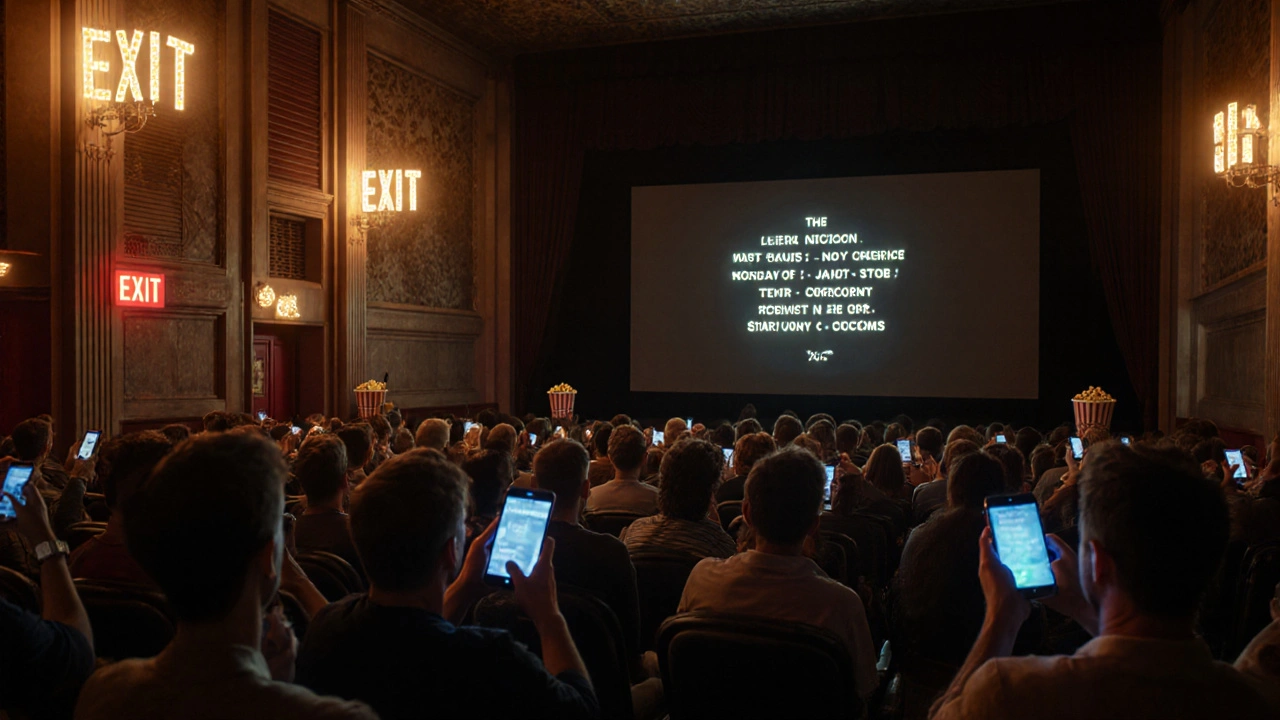
Ever wonder why you have to wait months to stream a movie you just saw in theaters? Or why some films jump online in just 45 days while others take over a year? It’s not random. It’s a carefully calculated battle between theaters, studios, and streaming platforms - and the clock starts ticking the second the credits roll.
The Traditional Theatrical Window Was 90 Days
For decades, the rule was simple: a movie hits theaters first, then sits out for about three months before it shows up on DVD, cable, or early digital rentals. That 90-day window wasn’t magic - it was survival. Movie theaters needed that time to make back their share of ticket sales, especially since they only keep about half of what you pay at the box office. Studios relied on that window to maximize revenue from multiple channels: theaters, then physical media, then pay-TV, then streaming.
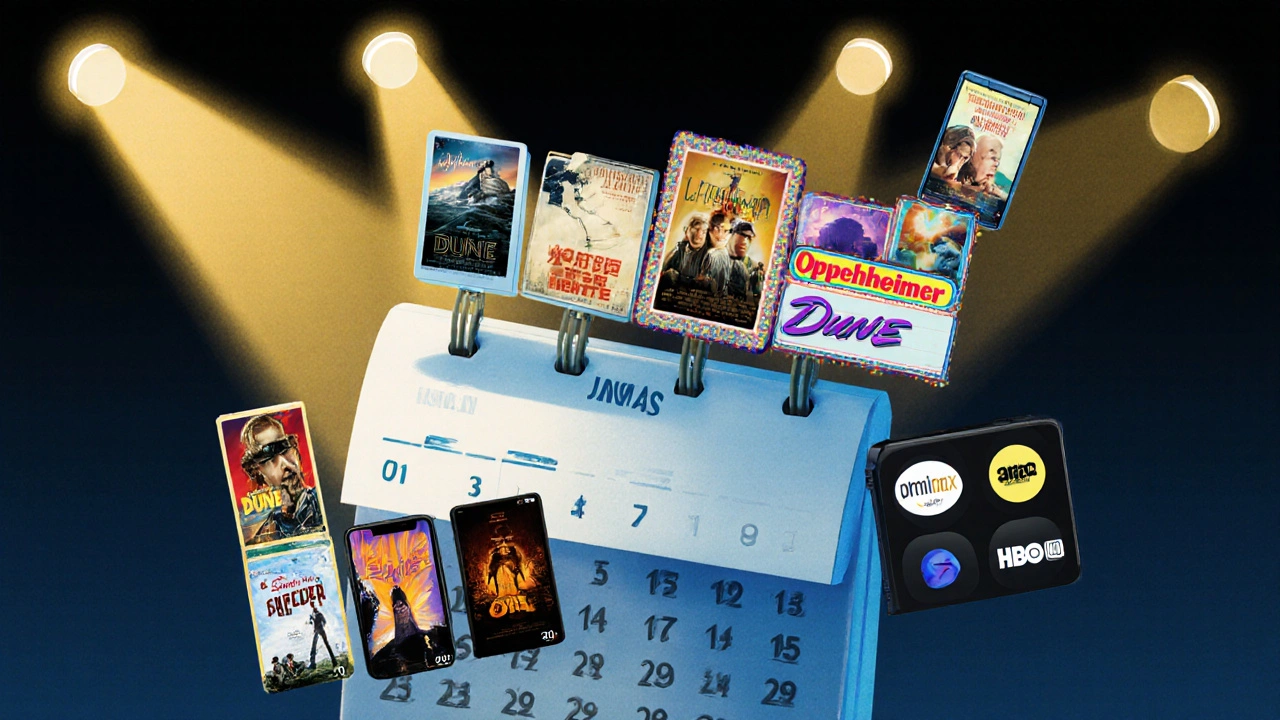
But that system started cracking in 2020. When theaters shut down during the pandemic, studios like Warner Bros. sent their entire 2021 slate - including Dune and The Matrix Resurrections - straight to HBO Max on the same day as theaters. It was a gamble. And it worked. People streamed. Studios made money. And the old model never fully recovered.
Today’s Window Is 30 to 60 Days - But It Varies Wildly
Right now, most major studios aim for a 45-day theatrical window. That’s the new standard for wide-release films from Disney, Universal, Sony, and Paramount. You’ll see a movie in theaters on a Friday, and by mid-December, it’s on Peacock, Disney+, or Amazon Prime. But that’s not universal.
Some films, especially high-budget blockbusters like Mad Max: Fury Road or Oppenheimer, still get 60 to 75 days. Why? Studios believe these films can earn more in theaters if they stay longer - especially if they get awards buzz or word-of-mouth momentum. Oppenheimer stayed in theaters for over 100 days and earned nearly $950 million globally before hitting streaming.
On the flip side, mid-budget films - think comedies, thrillers, or indie dramas - often go digital in as little as 30 days. Studios like Lionsgate and A24 have learned that audiences for these films don’t wait. They want to watch at home. So they cut the window short to avoid piracy and capitalize on early digital sales.
Why Do Some Movies Skip Theaters Altogether?
Not every film needs a theater run. In 2024, over 22% of U.S. film releases went straight to streaming. These are usually titles with smaller marketing budgets, niche audiences, or those that don’t benefit from the big-screen experience. Documentaries, foreign-language films, and sequels to TV shows often skip theaters entirely.
Netflix, Amazon, and Apple TV+ now spend more on original films than any studio. In 2024, Netflix released 31 original movies - only 4 of them had limited theatrical runs. The rest? Premiered on the app the same day. Why? Because their business model doesn’t depend on box office. It depends on subscriber growth. A movie that gets 10 million views in its first week is worth more than $20 million in box office.
Theater Chains Are Fighting Back - And Winning Some Battles
Theaters didn’t just accept this. They pushed back hard. AMC, Regal, and Cinemark demanded guarantees. They told studios: “Give us 45 days minimum, or we won’t show your movie.” And studios listened - at least for now.
Why? Because theaters still bring in the most money per viewer. A single ticket to The Marvels cost $18. That same movie on Disney+ costs $3.99 to rent. Even if 10 million people stream it, that’s $39.9 million. But if 15 million people saw it in theaters? That’s $270 million. Theaters aren’t going away - they’re just getting fewer movies.
So today, you’ll see a strange mix: big franchises get longer windows to please theaters. Smaller films get shorter windows to please algorithms. And studios? They’re playing both sides.
What About Awards Season?
If you want your movie to win an Oscar, you have to play by the Academy’s rules. To qualify for Best Picture, a film must have a minimum 7-day theatrical run in Los Angeles and New York - and it must be shown in a commercial theater, not a drive-in or private screening.
That’s why Everything Everywhere All at Once had a 30-day theatrical window - long enough to qualify for awards, short enough to hit streaming before the Oscars ceremony. Studios now time releases like clockwork: film debuts in theaters in late October, hits streaming in mid-December, and wins Best Picture in March.
It’s not about art anymore. It’s about eligibility.
How Long Should You Wait? A Simple Rule
If you’re trying to decide whether to wait or stream right away, here’s a practical trick:
- Blockbusters (over $100M budget): Wait 60 days. You’ll get a better price, and the theater run will be over.
- Mid-budget films ($20M-$70M): Wait 30-45 days. That’s when most of these hit streaming.
- Indie or niche films: Stream it on day one. They rarely get theatrical runs, and if they do, they’re gone in two weeks.
- Awards hopefuls: Wait until mid-January. That’s when they usually drop on streaming after their theater run and awards buzz peaks.
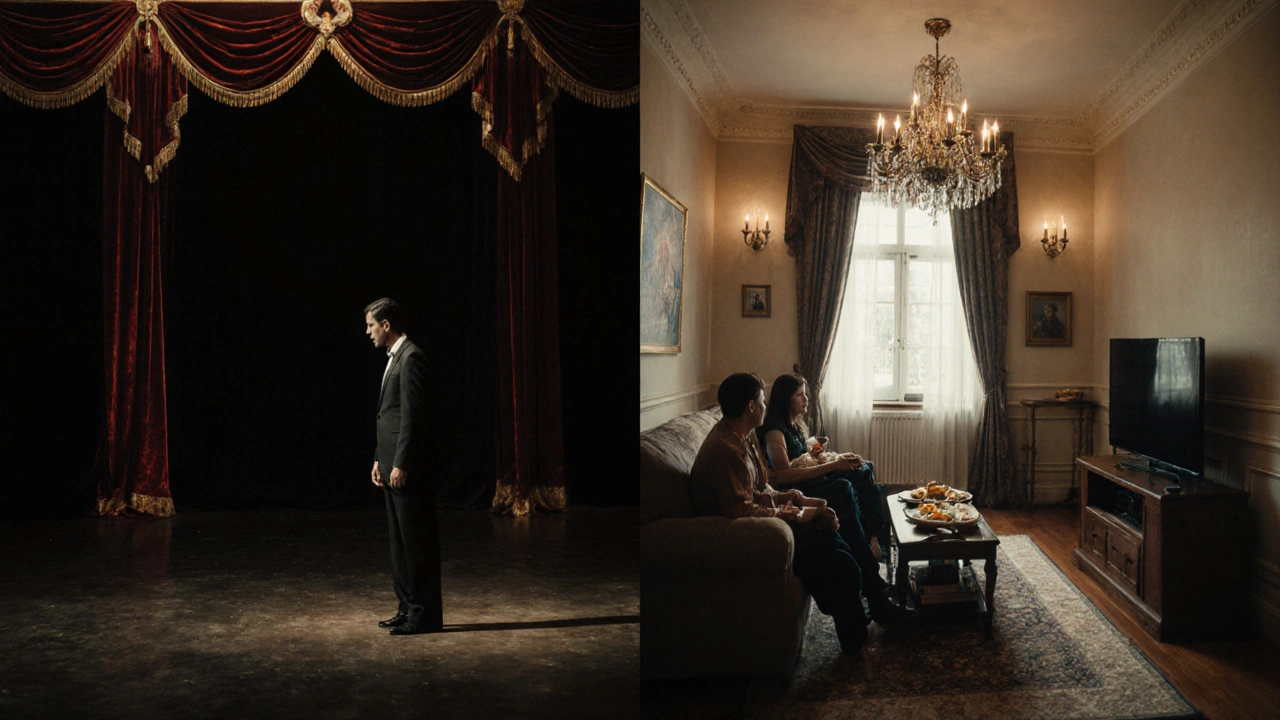
And if you’re a parent, a night owl, or someone who hates crowds? Don’t wait at all. The theaters are crowded, expensive, and loud. Streaming isn’t just convenient - it’s smarter.
The Future: 30 Days or Less
Look at the trend. In 2019, the average window was 82 days. In 2023, it dropped to 51. In 2025, it’s hovering around 40. Industry analysts at PwC and Deloitte predict that by 2027, the standard window will be 30 days - and for many films, it’ll be zero.
Why? Because streaming platforms are now the biggest movie distributors in the world. They have more data, more subscribers, and more control than ever. Studios are just renting space on their platforms.
And audiences? They’re done waiting. A 2024 survey by Nielsen found that 68% of U.S. moviegoers would rather stream a new release than go to theaters - even if it costs more. That’s the real shift. People don’t want to wait. They want it now.
So the answer to “How long until films go online?” isn’t a fixed number anymore. It’s a spectrum. And it’s getting shorter every year.




Comments(5)