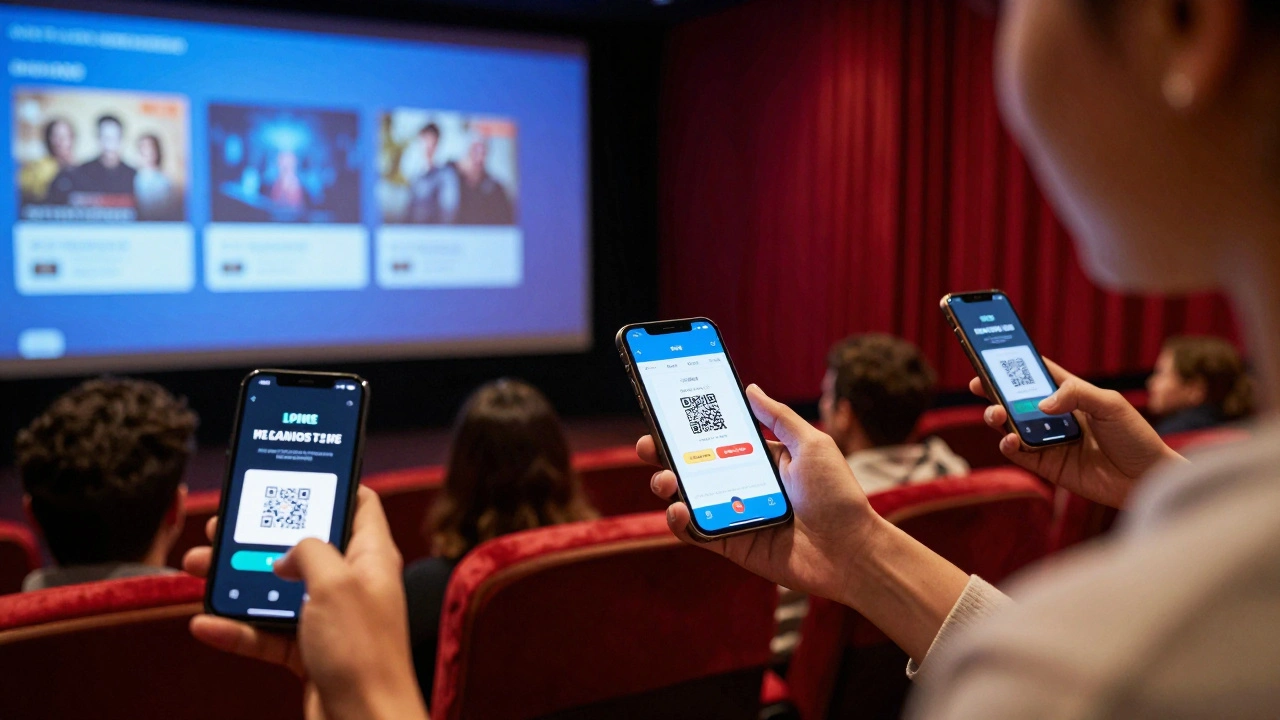
Movie theaters used to rely on walk-ins, weekend rush, and word-of-mouth to fill seats. Now, your phone does more than just remind you it’s Friday night-it books your ticket, suggests snacks, and gives you points for doing it. Ticketing apps and loyalty programs aren’t just convenient-they’re reshaping how money flows at the box office.
What’s Really Happening at the Box Office?
In 2024, digital ticket sales made up 78% of all movie purchases in the U.S., up from 42% in 2019. That’s not just a trend-it’s a structural shift. Theaters that stuck with cash-only windows lost ground fast. AMC, Regal, and Cinemark now push their own apps hard, offering perks you can’t get anywhere else. And it’s working. People who use these apps spend 35% more per visit than those who buy at the counter.
Why? Because loyalty isn’t about free popcorn anymore. It’s about control, predictability, and personalization. When you log into your theater app, you don’t just see showtimes-you see recommendations based on what you’ve watched before, alerts for your favorite actors, and bonus points if you arrive 20 minutes early. That’s not marketing. That’s behavioral nudging.
Ticketing Apps Are More Than Just Digital Vouchers
Think of a ticketing app like Fandango or AMC Theatres as a mini-ecosystem. It’s not just a place to buy a seat. It’s where you:
- Reserve your exact seat (no more guessing if the middle row is too close)
- Pre-order popcorn with one tap
- Link your payment method so you never need to dig for cash
- Get push notifications when a movie you liked is coming back for a re-release
- See real-time seat availability across multiple theaters
These features reduce friction. Less waiting. Less stress. Less chance you’ll change your mind and stay home. And that’s exactly what theaters need. A 2023 study by the National Association of Theatre Owners found that theaters using dynamic pricing through their apps saw a 12% increase in weekday attendance. That’s not magic-it’s data. They raise prices on blockbuster Fridays, drop them on Tuesday afternoons, and the app makes it feel like a deal, not a rip-off.
Loyalty Programs Are the New Membership Model
Remember when loyalty meant a punch card for a free soda after ten visits? Today’s programs are subscription-style. AMC Stubs A-List lets members see up to three movies a week for $23 a month. Regal’s Unlimited is $20 a month for unlimited screenings. These aren’t discounts-they’re access passes.
And they’re changing moviegoing habits. People who join these programs go to the theater 2.5 times more often than non-members. They don’t wait for a new release. They go to see re-releases, foreign films, or midnight showings because the cost is already covered. That’s huge for theaters. It turns sporadic visitors into regulars.
But here’s the twist: loyalty programs aren’t just about movies. They’re about data. Every time you scan your app to enter the theater, the system logs what you watched, when, how long you stayed, and what you bought. That data tells studios which genres are holding up, which actors draw crowds, and which marketing campaigns actually work.
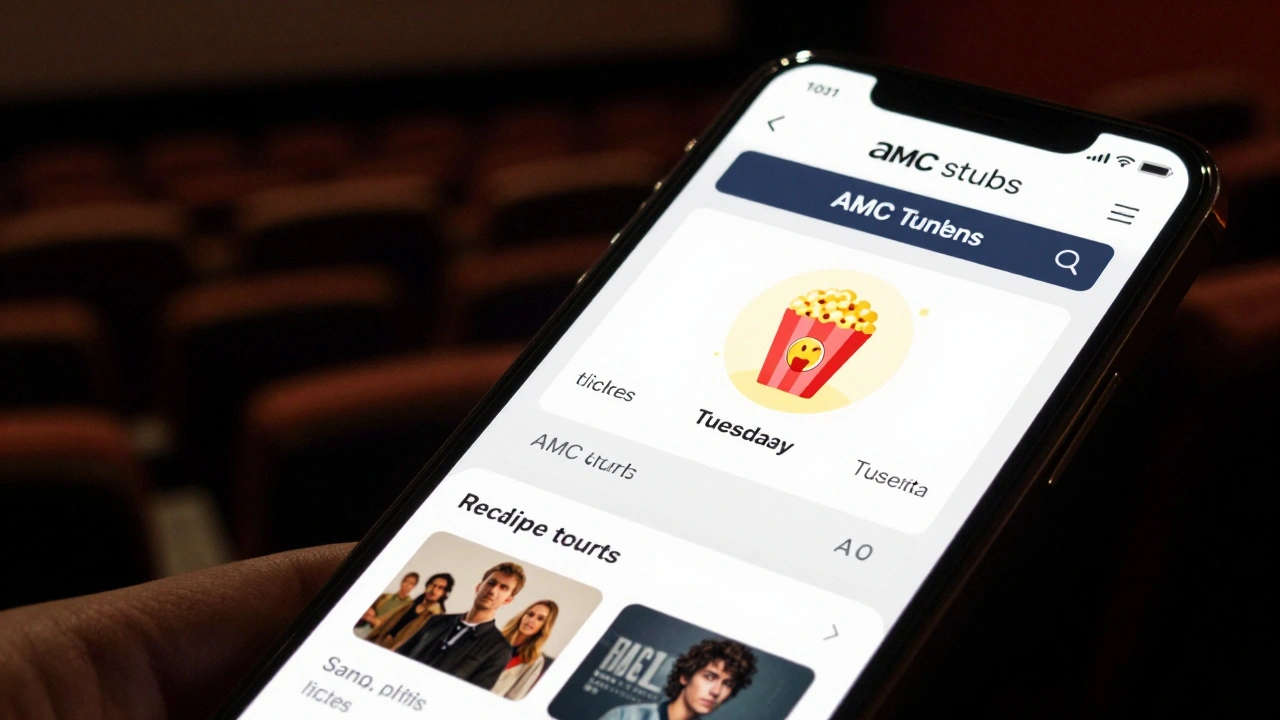
How This Changes What Gets Made
Before, studios relied on opening weekend numbers and vague demographic surveys. Now, they get real-time feedback from theater apps. If a romantic comedy is selling well on Tuesdays in suburban theaters but tanking in urban centers, that’s not a rumor-it’s a pattern. Studios see it. And they adjust.
That’s why we’re seeing more mid-budget films get greenlit. They don’t need to open with $50 million. They just need a steady stream of loyal app users who’ll show up every week. Films like The Holdovers and Past Lives didn’t blow up on opening weekend-but they kept earning because their audiences were already hooked on loyalty programs. That’s a different kind of success.
Even indie films benefit. A small theater in Portland might not have the marketing budget to promote a documentary, but if 150 people in their loyalty program have watched similar films before, the app will push it to them. No billboards needed.
The Hidden Cost: Privacy and Control
There’s a downside. When you sign up for a loyalty program, you’re giving up a lot of personal data. Your viewing history, location, payment habits, even how often you pause your movie to use the restroom (yes, sensors track that now). Most apps don’t make this clear. Their terms are buried under layers of legalese.
Some users don’t care. They love the convenience. Others are starting to push back. In 2024, a group of theatergoers in California filed a complaint over AMC’s data collection practices. It didn’t shut down the program-but it made headlines. And now, some theaters are adding opt-in toggles for data sharing. It’s a small step, but it’s a sign the tide is turning.
What’s Next? AI, Bundles, and the Death of the Concession Stand
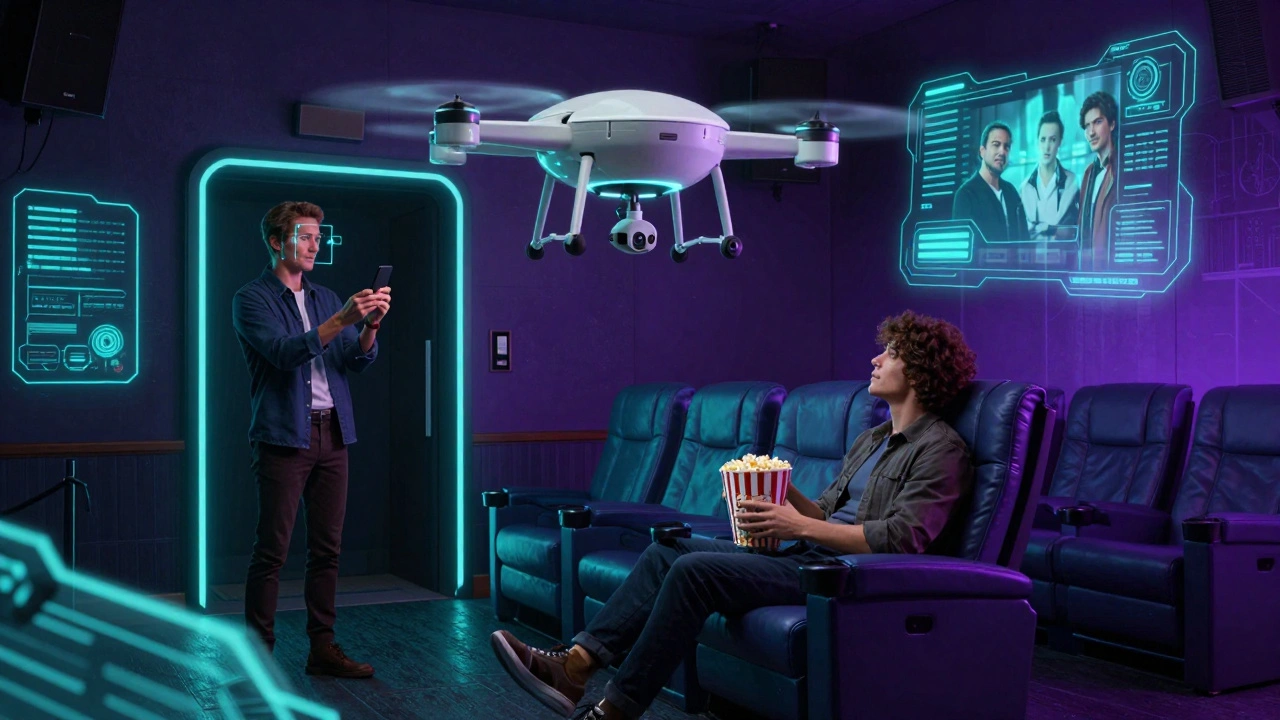
The next phase is even weirder. Theater apps are starting to bundle experiences. Buy a ticket, get a free digital soundtrack. Watch a sci-fi film, unlock a bonus AR scene on your phone. Some theaters are testing AI that recommends your next movie based on your mood-detected through facial recognition at the entrance (yes, really).
And the snack bar? It’s becoming optional. Apps now let you order food from your seat. Drones are being tested to deliver popcorn to your row. Why? Because concession sales used to be 40% of a theater’s profit. Now, with loyalty members getting free upgrades, theaters need new revenue streams.
That’s why some are partnering with streaming services. Watch a movie on Peacock, earn points toward a free theater ticket. Watch a film at the theater, get a month of free streaming. It’s not competition anymore-it’s collaboration.
Is This Good for Moviegoers?
It depends. If you love convenience, personalization, and never having to wait in line, then yes. You’re getting more value, more often. But if you value privacy, spontaneity, or just the idea of walking in and picking a seat without being tracked, then maybe not.
The real win? Theaters are surviving. After years of decline, box office revenue hit $12.8 billion in 2024-the highest since 2019. That’s not because of superhero movies alone. It’s because the people who still care about going to the movies now have a reason to keep coming back.
The box office isn’t dead. It’s just learned how to speak your language.
Do loyalty programs actually save you money?
Yes, if you go to the movies regularly. A monthly subscription like AMC Stubs A-List ($23/month) pays for itself after just three tickets. Add in free popcorn upgrades and early access to tickets, and you’re saving more than just the ticket price. For someone who sees six movies a month, the savings can be over $100. But if you only go once a quarter, a loyalty card won’t help-it’ll just collect dust.
Are ticketing apps better than buying at the theater?
In almost every way. Apps let you pick your exact seat, avoid lines, pre-order snacks, and get loyalty rewards. You also get real-time updates if a showtime changes. Buying at the counter is slower, riskier (you might not get good seats), and gives you zero points. The only downside? You need a smartphone and a stable internet connection. If you don’t have that, the counter is still your best bet.
Why do theaters push their own apps instead of letting you use Fandango?
Because theaters keep more of the money. When you buy through Fandango, they take a cut-usually 10-15%. When you buy through their own app, they keep 100%. Plus, they get your data. Fandango doesn’t tell them who you are or what you bought. Their own app does. That’s why AMC, Regal, and Cinemark make their apps the default option on their websites and even in theaters.
Can I still go to the movies without using an app?
Yes, but it’s getting harder. Most major chains still have ticket windows, but they’re often shorter staffed and slower. You won’t get priority seating or discounts. Some theaters have started charging extra for cash purchases. You can still walk in, but you’re missing out on the perks-and the convenience-that most people now expect.
Do loyalty programs track what I watch?
Yes. Every time you scan your app to enter, the system logs the movie title, time, theater, and sometimes even your seat. That data is used to recommend future films, target ads, and even influence what studios produce. It’s not secret-it’s just rarely explained clearly. You can usually opt out of data sharing in the app settings, but you’ll lose personalized offers.





Comments(10)