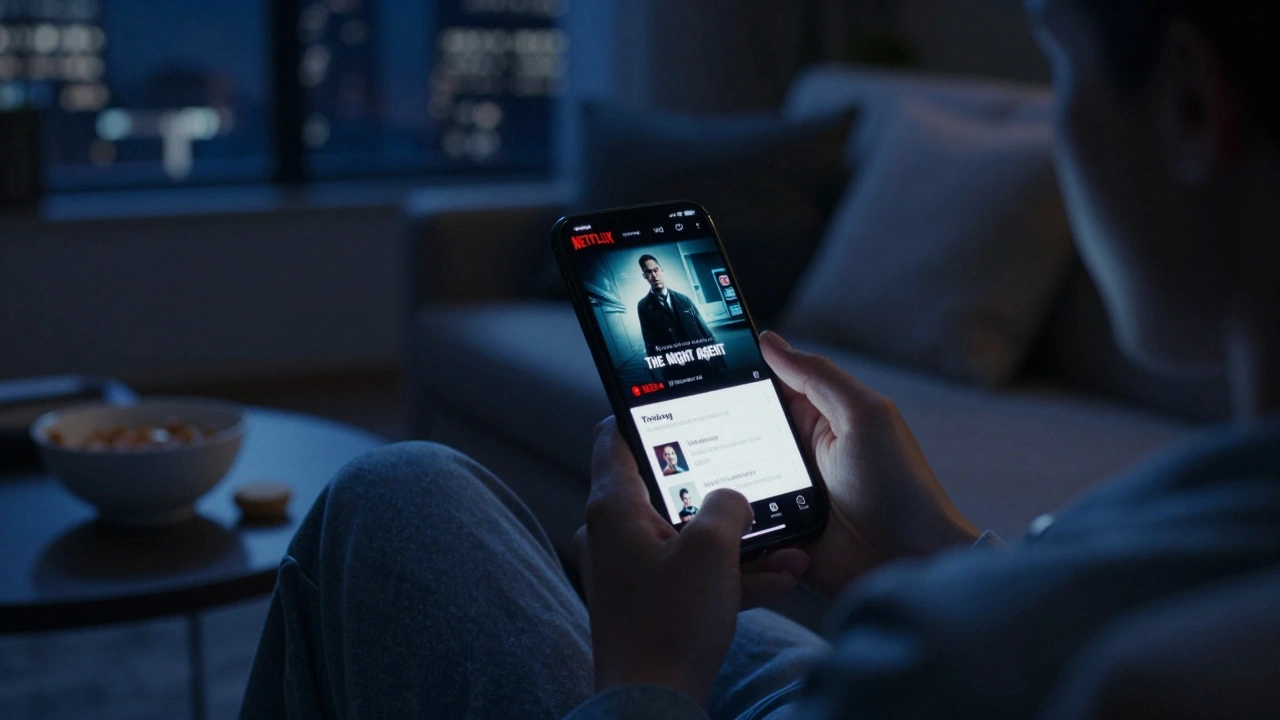
It’s 2026, and the last major studio to release a film exclusively in theaters shut down its distribution arm last year. Meanwhile, Netflix dropped three Oscar-nominated films in the same month-no red carpets, no press tours, no box office numbers to track. Just a push notification, a curated homepage placement, and a global audience watching in pajamas.
Traditional movie marketing used to be a spectacle: billboards in Times Square, TV spots during the Super Bowl, premieres with paparazzi flashing. But that model is crumbling. Streaming platforms don’t need crowds-they need clicks. And they’ve built entirely new ways to make films matter without ever setting foot in a cinema.
Why Theatrical Campaigns Don’t Work Anymore for Original Films
Theatrical releases used to be the only way to prove a film had cultural weight. Studios spent millions on print ads, outdoor media, and roadshows because box office numbers were the only metric that mattered. But here’s the problem: most streaming originals don’t even try to open in theaters anymore. When Apple TV+ released The Last Thing He Told Me in 2024, it didn’t book a single theater in the U.S. Why? Because it didn’t need to.
Box office doesn’t reflect viewership on streaming. A film like The Midnight Sky on Netflix earned more total views in its first month than Black Widow made in theaters-despite costing half as much to market. Theaters measure tickets sold. Streaming measures hours watched, re-watches, shares, and completion rates. And those numbers? They’re louder.
Plus, theaters are expensive. A $20 million marketing campaign for a theatrical release might reach 5 million people. A $5 million streaming campaign-targeted, algorithm-driven, personalized-can reach 40 million. And those 40 million aren’t just watching. They’re talking about it on Reddit, TikTok, and Twitter. Theaters create noise. Streaming creates conversations.
How Streaming Platforms Market Films Differently
Streaming platforms don’t advertise films-they integrate them. Here’s how:
- Homepage placement is the new poster. Netflix doesn’t just list a film in the "New Releases" section. It puts it in the "Trending Now" carousel, above the fold, with a custom thumbnail optimized for mobile scrolling. That thumbnail? Tested on 10,000 users. The one with the highest click-through rate wins.
- Algorithmic nudges work like magic. If you watched three crime dramas last month, you’ll see a personalized banner for the new Netflix thriller-even if you’ve never heard of the director. No ad buy needed. Just data.
- Content partnerships replace billboards. HBO Max teamed up with Spotify to create a playlist for The Sympathizer that included songs from the soundtrack and mood-based tracks. Listeners who clicked "Watch Now" on the playlist were taken straight to the show. No TV spot. Just a seamless audio-to-video path.
- Creator-led campaigns drive organic buzz. Instead of hiring actors to do 50 press interviews, Apple TV+ gave the cast of Severance creative control over their TikTok accounts. They posted behind-the-scenes clips, memes, and cryptic riddles. The campaign had zero budget. It got 2.3 billion views.
Compare that to a theatrical release: a 30-second TV spot, a handful of magazine covers, a few late-night talk show appearances. It’s a spray-and-pray approach. Streaming is a scalpel.
The Role of Data in Streaming Film Marketing
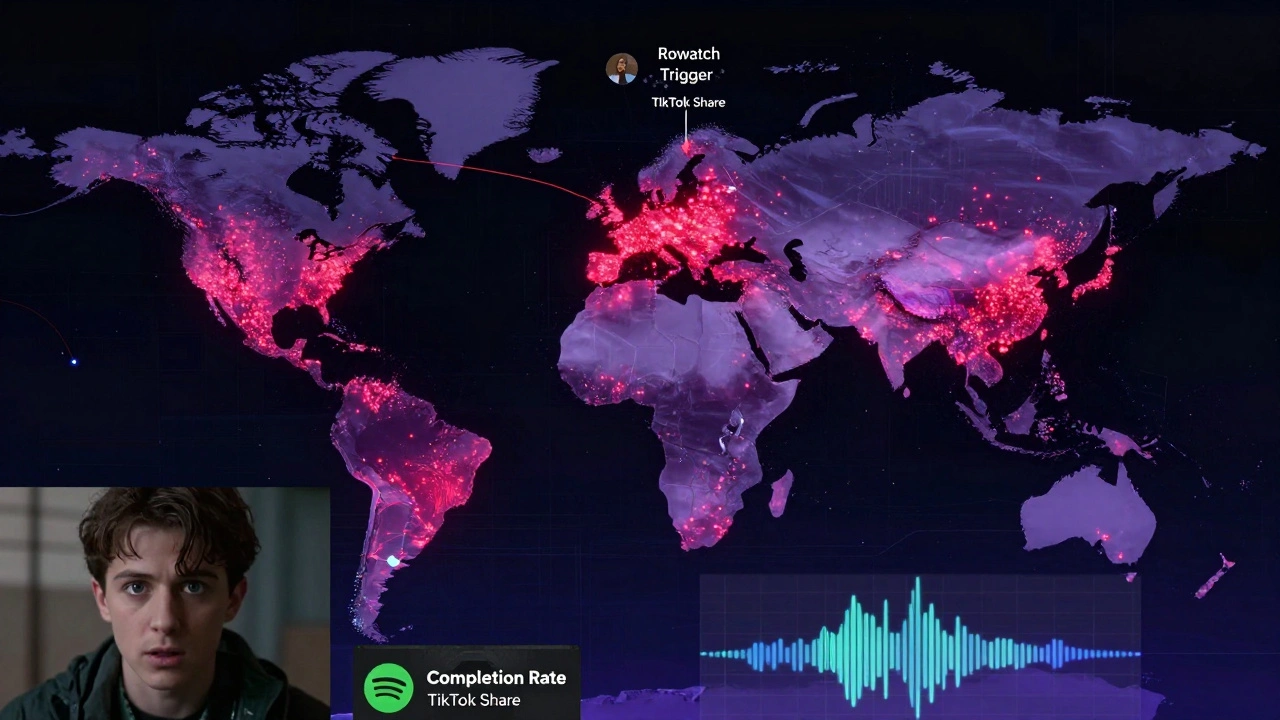
Streaming platforms know more about their viewers than any studio ever did. They know what time of day you watch, how long you pause, whether you skip the credits, and if you rewatch a scene. That data isn’t just for recommendations-it’s for marketing.
When Amazon Prime Video launched The Marvels (2024), they noticed a spike in viewers who watched the first episode of Loki and then paused on the post-credits scene. That scene teased a character from The Marvels. So Amazon targeted those viewers with a 10-second clip of that same character in The Marvels, shown only to them, 48 hours later. The result? A 37% higher completion rate for the film among that group.
Platforms also track what people watch after a film ends. If someone watches Everything Everywhere All At Once and then immediately searches for "multiverse theory documentary," they’ll get a recommendation for a related documentary-along with a banner saying, "You liked this. Watch Wicked next." That’s not advertising. That’s conversation.
And here’s the kicker: platforms can A/B test entire marketing campaigns. Netflix tested two different posters for The Night Agent-one with the lead actor looking scared, one with him holding a gun. The gun version got 22% more clicks. So they used it everywhere. No focus groups. No agency meetings. Just data.
Why Streaming Films Don’t Need Awards Season
Theatrical films live and die by awards. An Oscar nomination can double a film’s box office. But streaming films don’t need that. They don’t need critics to say "this is great." They need viewers to say "I finished it."
When The Power of the Dog won Best Picture in 2022, it was a triumph for Netflix. But it wasn’t because of the award-it was because the film had already been watched by 11 million households before the Oscars even happened. The award just confirmed what the data already showed.
Platforms now use awards as a marketing tool, not the other way around. Apple TV+ didn’t spend $10 million on Oscar campaigns for The Morning Show-they spent $1 million on a TikTok series called "What Happens After the Credits?" that teased plot twists from the film. It got 18 million views. That’s more exposure than any Oscar ad ever got.
And here’s the truth: most people don’t care if a film won Best Cinematography. They care if it made them cry at 2 a.m. while eating cereal. Streaming platforms know that. Theaters still pretend they don’t.
What Theatrical Campaigns Still Get Right
Don’t get it twisted-streaming isn’t perfect. Theaters still win at one thing: creating shared moments.
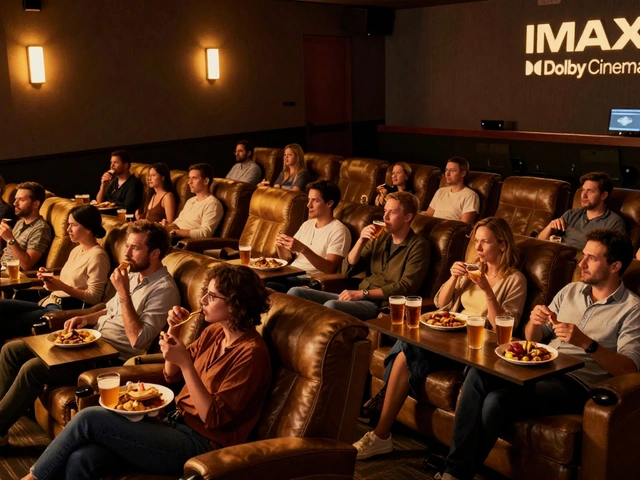
When Oppenheimer opened in theaters, people went in groups. They talked about it afterward. They wore black-and-white outfits. They rewatched it. That kind of cultural saturation can’t be replicated with a push notification. Streaming films rarely create that kind of collective experience. They create individual ones.
Also, theaters still have the power of surprise. When Barbie dropped its trailer in 2023, it was everywhere-on every screen, in every mall. No targeting. No algorithms. Just mass exposure. That kind of saturation builds anticipation in a way streaming can’t easily mimic.
But here’s the twist: even theaters are learning from streaming. Universal and Warner Bros. now use data from their own streaming services to decide which films get theatrical pushes. If a film performs well on Peacock or Max, it gets a bigger theatrical rollout. The lines are blurring.
The Future Is Hybrid-But Streaming Wins
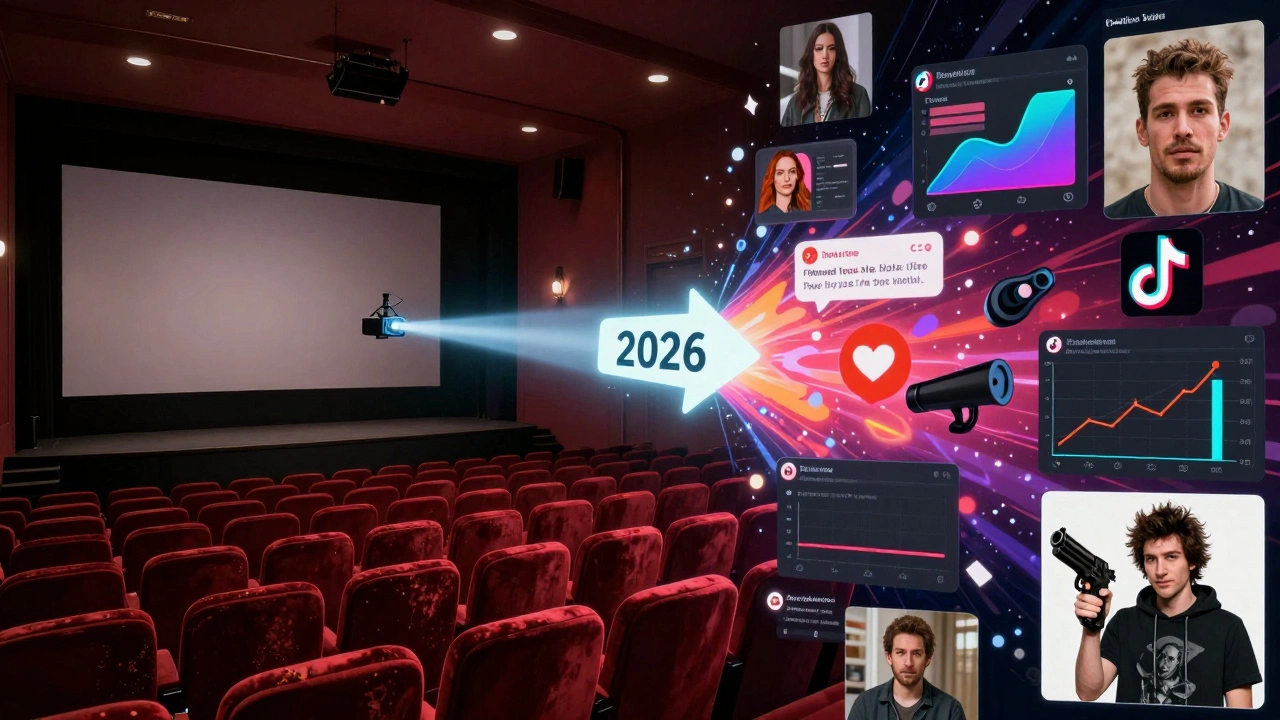
The future of film marketing isn’t streaming or theatrical. It’s both-but streaming sets the rules.
Look at Disney’s strategy: they release a film on Disney+ the same day it hits theaters. But the marketing campaign? Entirely built around streaming. They track who watches the film in the first 48 hours. Then they retarget those viewers with exclusive behind-the-scenes content, merchandise drops, and limited-time collectibles. The theatrical release? Just a way to collect data.
And it’s working. In 2025, 73% of all original films from major platforms had no theatrical run. And those that did? They were mostly for prestige, not profit. The real growth? On screens at home.
Platforms now measure success in one number: completion rate. Did people watch it all? If yes, they’ll recommend it to five others. If no, it disappears from the homepage. No second chances. No re-releases. Just data-driven survival.
That’s the new standard. No box office. No critics. Just viewers. And the ones who win? The ones who understand that marketing isn’t about selling a film anymore. It’s about making it impossible to ignore.
What You Can Learn From Streaming Film Marketing
Whether you’re a filmmaker, a marketer, or just someone who watches too much TV, here’s what matters now:
- Personalization beats broadcast. Don’t try to reach everyone. Reach the right people, with the right message, at the right time.
- Data is your best ally. Track what people do after they watch. Use that to guide your next move.
- Authenticity drives shares. Audiences can spot a polished ad from a mile away. Raw, real, unscripted moments get more engagement than a $1 million commercial.
- Don’t fight the algorithm-use it. Platforms reward engagement. Make your content easy to share, rewatch, and discuss.
- Finish the story. If viewers don’t watch to the end, you lose. Design your film and your campaign around completion, not clicks.
The era of the blockbuster trailer is over. The era of the algorithm-driven binge is here. And the winners aren’t the ones with the biggest budgets. They’re the ones who understand the audience better than the audience understands itself.
Why don’t streaming platforms spend money on traditional movie ads?
Streaming platforms don’t need traditional ads because they have direct access to their audience. Instead of buying TV spots or billboards, they use personalized recommendations, homepage placements, and algorithm-driven nudges to show the right film to the right person at the right time. This approach is cheaper, more precise, and far more effective than mass advertising.
Can a streaming film become a cultural phenomenon without a theatrical release?
Absolutely. Films like Stranger Things spin-offs, The Midnight Sky, and Severance became global talking points without ever playing in theaters. What matters isn’t the screen-it’s the conversation. When a film sparks memes, TikTok trends, Reddit threads, and late-night texts, it’s already a phenomenon. Theaters just add noise.
Do streaming platforms care about box office numbers?
No. They care about hours watched, completion rates, and rewatch rates. A film with 50 million views and a 90% completion rate is more valuable than one that makes $100 million at the box office but gets skipped after 20 minutes. Streaming metrics measure engagement, not ticket sales.
How do streaming platforms choose which films to promote?
They use data from viewer behavior: what genres you watch, how long you pause, whether you rewatch scenes, and what you watch after finishing. Films that perform well in early testing get pushed harder. It’s not about star power or director reputation-it’s about what the audience actually responds to.
Is it harder for indie filmmakers to succeed on streaming platforms?
It’s different, not harder. Indie films don’t need big marketing budgets-they need strong hooks. Platforms look for unique stories, emotional impact, and high completion rates. A well-made indie film with a clear emotional core can outperform a big-budget movie if it resonates with a niche audience. The algorithm rewards authenticity, not scale.



Comments(6)