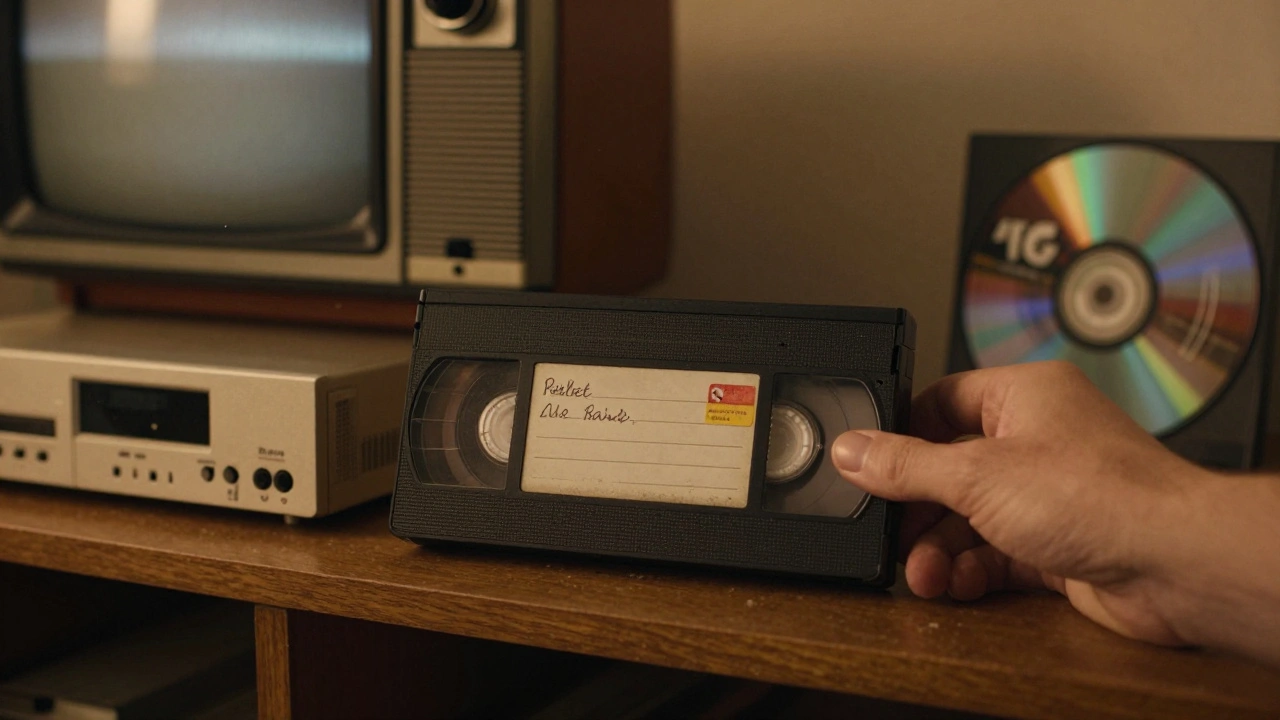
There’s something unmistakably tactile about holding a VHS tape with a hand-drawn label, or a LaserDisc with a glossy sleeve that smells like old plastic and nostalgia. In a world where streaming dominates, collecting rare physical media isn’t just about preserving films-it’s about reclaiming the ritual of watching. These formats weren’t just delivery systems; they were artifacts of a time when owning a movie meant more than clicking a button.
Why VHS Still Matters
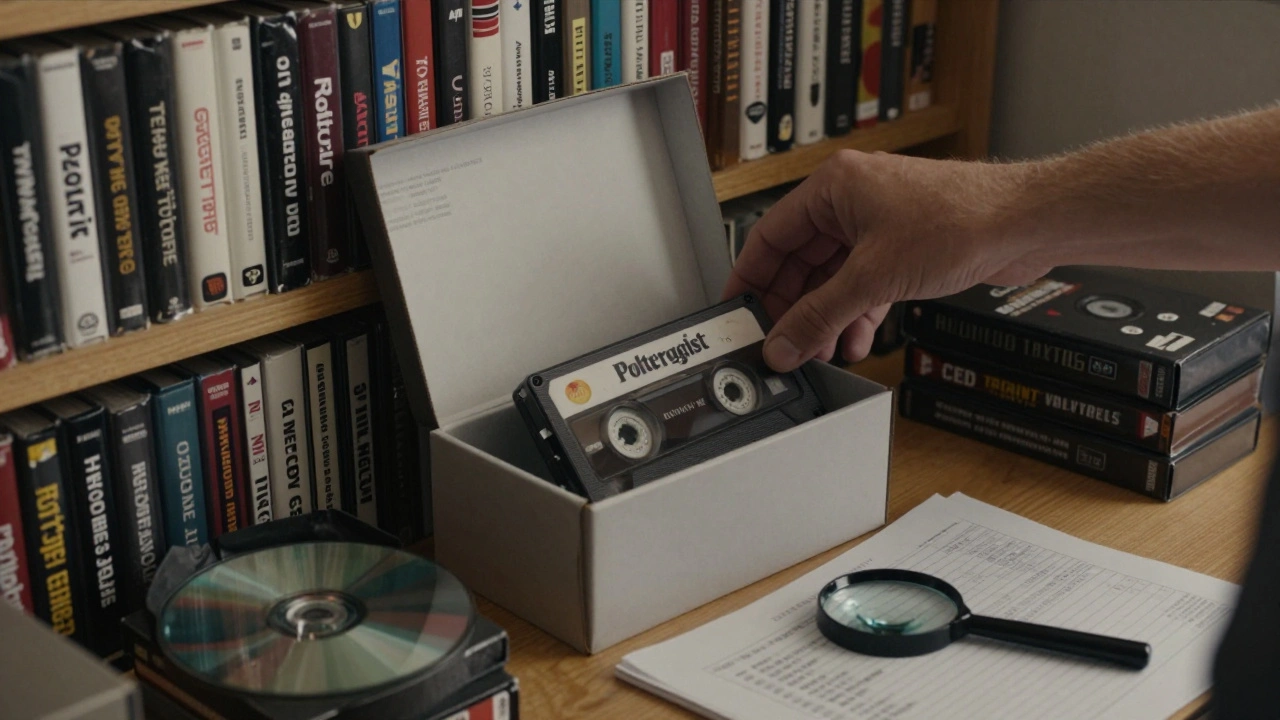
VHS tapes, once considered disposable, are now some of the most sought-after items among collectors. Why? Because they carry history. A 1982 copy of Blade Runner on VHS isn’t just a copy-it’s the version millions saw in their living rooms before the director’s cut ever surfaced. Early releases often had different edits, alternate endings, or even different cover art. Some tapes were only distributed in specific regions, making them regional treasures. A sealed copy of Poltergeist with the original theatrical release, for example, can sell for over $500 today.
Collectors look for specific markers: the brand of the tape (JVC, Sony, Panasonic), the presence of a “Pan & Scan” warning on the box, or the original rental stickers still intact. The condition of the tape matters too-mold, sticky-shed syndrome, or warped shells can ruin value. But when a tape is in good shape, with its original box and insert, it’s a time capsule.
The LaserDisc: Before DVD, But Far Ahead of Its Time
LaserDisc was the first optical disc format for home video, introduced in 1978. It looked like a giant vinyl record, held up to 60 minutes per side, and offered better picture and sound than VHS. But it never took off-too expensive, too bulky, and too fragile. Still, for cinephiles, it was revolutionary.
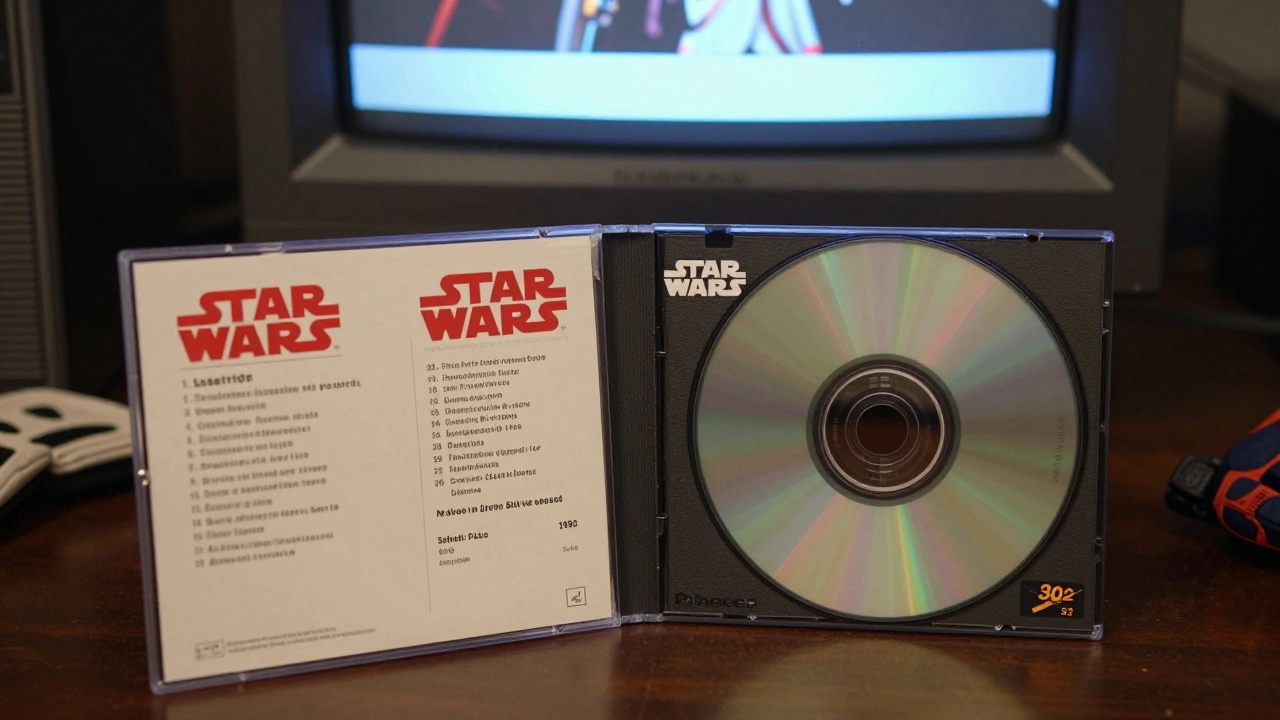
Many classic films had their first special edition releases on LaserDisc. Star Wars (1977) had a 1982 release with commentary from George Lucas, years before DVD existed. Citizen Kane came with a 32-page booklet, a rarity for the time. Collectors prize discs with original packaging, especially those from the Pioneer or MCA labels. Some rare discs, like the 1985 King Kong 2-disc set with a 100-page book, now sell for over $1,000.
The format had flaws-discs scratched easily, players were heavy and expensive-but they offered something no streaming service can replicate: a physical object with liner notes, director commentary, and artwork that felt like a museum exhibit. Today, LaserDiscs are among the most visually striking pieces in any retro media collection.
Beyond VHS and LaserDisc: The Forgotten Formats
There’s a whole world of obsolete media that collectors hunt down. Betamax, Sony’s rival to VHS, is rarer because it lost the format war. But some Betamax tapes, like the original release of E.T. the Extra-Terrestrial, are now museum pieces. U-matic tapes, once used by TV stations, occasionally surface with rare broadcasts or outtakes. Even Video 8 and Hi8 tapes-smaller, handheld camcorder formats-are being rediscovered for their home video archives.
Then there’s CED (Capacitance Electronic Disc), a grooved disc format from RCA that played like a record but was read by a stylus. It failed spectacularly, but collectors track down the few titles that made it to market-like The Empire Strikes Back-because they’re so bizarrely obsolete. One collector found a sealed copy in a thrift store in 2023 and sold it for $320.
These formats aren’t just relics-they’re windows into failed tech, regional distribution quirks, and cultural moments frozen in time. A Japanese-exclusive VHS of My Neighbor Totoro from 1988, for instance, came with a different dub and a fold-out poster. It’s worth more than the DVD version because it’s tied to a specific moment in how the film was introduced abroad.
What Makes a Physical Medium Valuable?
Not every old tape or disc is worth money. Value comes from scarcity, condition, and cultural significance. Here’s what collectors look for:
- First pressings - The earliest release, often with different artwork or no special features.
- Region-specific releases - Japanese, German, or Australian versions often had unique content.
- Unopened or sealed - Still in factory shrink wrap, with original packaging.
- Special editions - Bonus features, commentary, booklets, or promotional inserts.
- Manufacturing errors - Misprinted labels, wrong side labeling, or test pressings.
- Ownership history - Signed by the director, from a famous collector’s estate, or tied to a film premiere.
Condition is everything. A VHS tape with a cracked shell or a LaserDisc with a hairline scratch can lose 90% of its value. That’s why serious collectors store tapes upright, keep discs in their original sleeves, and use anti-static bags.
Where to Find These Treasures
You won’t find these in Target. The best places to hunt are:
- Thrift stores and garage sales - Especially in older neighborhoods. Many people still have boxes of tapes they don’t know how to sell.
- Specialized online auctions - eBay has dedicated VHS and LaserDisc categories. Look for sellers with high feedback and clear photos.
- Collector forums - Sites like RetroMediaCollector.com and LaserDisc Database have active communities trading rare items.
- Film festivals and archive sales - Some institutions liquidate old rental libraries. A 2024 sale by the British Film Institute included 300 rare VHS tapes from the 1980s.
- International markets - Japan, Germany, and the UK have the largest surviving collections. Many collectors import tapes from there.
Pro tip: Always test a tape before buying if possible. A VHS that plays fine in one player might jam in another. LaserDiscs need a compatible player-modern ones are rare, but eBay and Reddit groups often have sellers who ship working units.
The Future of Physical Media Collecting
Streaming killed physical media, but it also made collecting more meaningful. When everything is instantly available, owning something rare becomes a statement. People aren’t just collecting films-they’re collecting history.
There’s a growing movement to preserve these formats before they vanish. Libraries are digitizing VHS tapes. Enthusiasts are building online databases of LaserDisc covers. A 2025 study by the University of Michigan found that 87% of VHS tapes produced between 1980 and 1995 are already degraded beyond playback. That means every tape you save now is one less story lost forever.
It’s not about being nostalgic. It’s about recognizing that media isn’t just content-it’s culture. A VHS tape with a hand-written label isn’t just a movie. It’s a record of who watched it, when, and how they felt about it.
How to Start Your Own Collection
You don’t need a fortune to begin. Start small:
- Choose a genre - Horror? Sci-fi? 80s action? Pick something you love.
- Find one key title - Maybe The Thing (1982) on VHS, or Blade Runner on LaserDisc.
- Learn the markings - Know what the original box, tape color, and label should look like.
- Buy one item at a time - Don’t rush. Wait for the right condition.
- Join a community - Ask questions. Share photos. Learn from others.
There’s no rush. The best collections are built slowly, with care. Every tape you save is a piece of cinema history that no algorithm can replicate.
Are VHS tapes still playable today?
Yes, but you need a working VHS player. Many modern players no longer support VHS, so collectors often buy used units from eBay or thrift stores. Check for tape compatibility-some players have trouble with older tapes due to head alignment. Always clean the heads before playing rare tapes.
Can LaserDiscs be digitized?
Yes, and many collectors do. LaserDiscs output analog video, so you need a converter to digitize them-either through a capture card connected to a player, or by using a professional service. The quality is often better than early DVDs, especially for discs with analog surround sound. Digitizing preserves the content before the disc degrades.
What’s the rarest VHS tape ever sold?
The rarest known VHS is the original 1982 release of Poltergeist with the theatrical cut and original box. A sealed copy sold at auction in 2023 for $4,200. It’s rare because the studio later recalled it due to legal issues with the film’s marketing, making surviving copies extremely scarce.
Is collecting LaserDiscs worth the effort?
If you love film history and physical media, yes. LaserDiscs offer the best analog picture quality before DVD. They’re also the first format to include director commentary and special features. While players are harder to find, they’re still available. The real value is in the packaging-many discs came with booklets, posters, and liner notes that no digital version has ever matched.
How do I store my collection to prevent damage?
Store tapes upright in a cool, dry place-never stacked. Use plastic cases with ventilation. Keep LaserDiscs in their original sleeves, inside rigid boxes to prevent warping. Avoid sunlight and humidity. Some collectors use silica gel packs in storage bins. Never use rubber bands or paper sleeves-they accelerate degradation.





Comments(7)