Netflix’s Squid Game didn’t just win awards; it added millions of new accounts in a single quarter. Disney+ saw a similar surge with The Mandalorian. These aren't coincidences. They are calculated moves where specific films act as the engine for subscriber growth. For streaming platforms, a hit show is no longer just about box office equivalent revenue-it’s about converting casual viewers into paying members and keeping them from canceling their subscriptions.
Understanding how this works requires looking past the hype cycles. It involves analyzing the lifecycle of a title, the psychology of the viewer, and the economic models that drive these decisions. Platforms don't just release movies; they deploy strategic assets designed to maximize user acquisition and minimize churn.
The Economics of Acquisition vs. Retention
To understand why platforms invest billions in original films, you have to look at the cost structure. Acquiring a new subscriber is significantly more expensive than retaining an existing one. In digital marketing, the ratio often hovers around 5:1. This means if it costs $50 to keep a current user, it might cost $250 to find a new one through ads alone.
Original content serves as a high-leverage tool for both sides of this equation. A compelling film acts as organic advertising. When a movie goes viral on social media, the cost per acquisition drops because the audience comes to the platform voluntarily. However, the primary driver for many users is exclusivity. If a film is only available on one service, the decision to subscribe becomes a direct trade-off: pay for access to this specific piece of entertainment.
- Acquisition Driver: Exclusive premieres create urgency. Users join to watch the "event" before it fades or gets licensed elsewhere.
- Retention Driver: A strong catalog of originals prevents cancellation. If a user loves three different shows, they are less likely to leave over a price hike.
How Original Films Trigger Engagement Loops
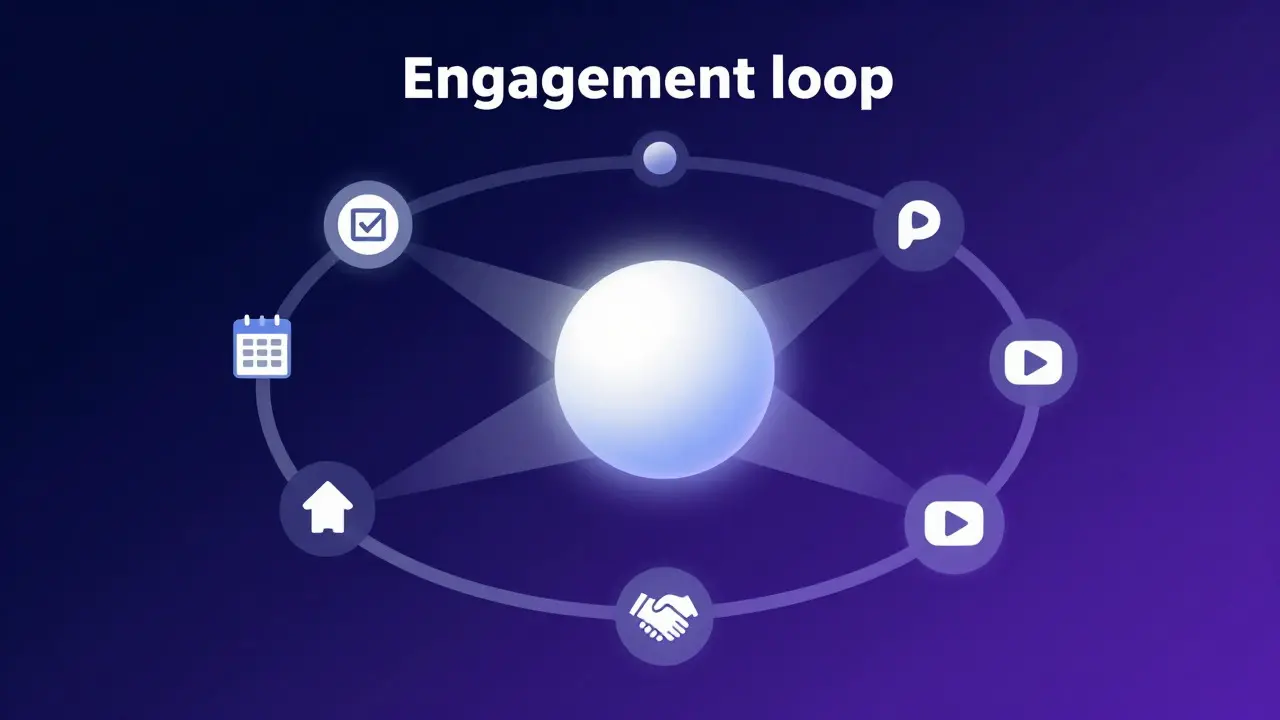
Engagement isn't a static state; it's a loop. A well-crafted original film triggers a sequence of behaviors that deepen the user's relationship with the platform. This process usually follows a predictable pattern known as the engagement funnel.
- Discovery: The user sees a trailer or hears about the film through word-of-mouth.
- Conversion: The user signs up specifically to watch the premiere.
- Immersion: The user watches the film and explores related titles recommended by the algorithm.
- Loyalty: The user forms a habit of checking the platform weekly for new releases.
This loop is critical because it transforms a transactional interaction (paying to watch one movie) into a habitual behavior (subscribing for ongoing value). Platforms like Amazon Prime Video leverage this heavily. A hit sci-fi series doesn't just entertain; it signals to the user that the platform has a consistent output of high-quality genre content, reducing the perceived risk of staying subscribed month after month.
Strategic Release Windows and Exclusivity
Timing is everything in the streaming war. The concept of a "release window" has shifted dramatically. Traditionally, movies went to theaters, then home video, then cable. Now, the window between theatrical release and streaming availability has compressed to weeks or even days.
For original films, however, exclusivity is the weapon. By releasing a title exclusively, a platform creates a temporary monopoly on that content. This period, often lasting 6 to 12 months, is when the highest subscriber growth occurs. After this window, the value of the exclusive title diminishes as competitors license similar content or produce their own alternatives.
| Strategy | Primary Goal | Cost Profile | Risk Level |
|---|---|---|---|
| Exclusive Originals | High-volume acquisition | Very High Production Cost | Medium (Hit-or-Miss) |
| Licensed Catalog | Baseline retention | Stable Licensing Fees | Low (Predictable Demand) |
| Simultaneous Releases | Brand awareness | Mixed Revenue Share | High (Theatrical Conflict) |
The Role of Algorithms in Sustaining Interest
A film might bring a user in, but the algorithm keeps them there. Modern streaming interfaces use collaborative filtering and content-based recommendation systems to predict what a user will watch next. If a user watches a gritty crime drama, the platform immediately surfaces other titles with similar metadata: dark tone, slow pacing, ensemble cast.
This reduces "decision fatigue." One of the biggest reasons people cancel subscriptions is not that the content is bad, but that they can't find anything they want to watch. By using the initial hit film as an anchor point, the algorithm curates a personalized path that feels effortless. This seamless transition from one title to another increases total viewing time, which correlates directly with lower churn rates.
Case Studies in Viral Success
Looking at recent history provides concrete examples of how this machinery works. Consider the success of Wednesday on Netflix. It wasn't just a good show; it was a cultural moment. The production team deliberately released clips, behind-the-scenes footage, and character breakdowns across social media channels before the premiere. This created a pre-launch buzz that drove millions of sign-ups purely out of curiosity.
Similarly, Apple TV+ used Severance to position itself as a premium destination for high-concept science fiction. Despite having a smaller library than its rivals, the quality and uniqueness of its originals convinced tech-savvy early adopters to switch or add a subscription. The lesson here is that you don't need volume to drive growth; you need distinctiveness. A single, highly unique title can carve out a niche that larger catalogs fail to capture.
Measuring True Impact: Beyond View Counts
Platforms rarely disclose exact subscriber numbers tied to specific titles, but industry analysts track proxies like "watch hours" and "churn deltas." Watch hours measure how much time users spend on the platform during a specific period. Churn deltas compare cancellation rates before and after a major release.
A successful original film typically shows a spike in watch hours within the first two weeks of release. More importantly, it should show a dip in churn rate for the following month. If a movie brings in 1 million new users but causes 800,000 existing users to cancel because they feel the price increase isn't worth it, the net gain is minimal. Therefore, the goal is not just top-line growth, but net positive retention.
Frequently Asked Questions
Do all original films lead to subscriber growth?
No. Only titles with broad appeal or strong niche loyalty tend to drive significant growth. Most original content serves to retain existing subscribers rather than acquire new ones. A mid-budget drama may keep fans happy but won't necessarily convince non-subscribers to sign up.
Why do platforms prefer originals over licensing deals?
Originals offer control. Licensed content can be pulled by the rights holder at any time, leaving gaps in the catalog. Originals are owned outright, ensuring long-term availability and allowing platforms to build a brand identity around specific genres or styles that competitors cannot easily replicate.
How does pricing affect the impact of a hit film?
Pricing is a double-edged sword. If a platform raises prices right after a hit release, some new users may hesitate to commit. However, if the price remains stable, the hit film acts as a justification for the current cost, making users feel they are getting better value for their money.
What role does marketing play in the success of streaming originals?
Marketing amplifies the reach of the content. Without targeted trailers, influencer partnerships, and social media campaigns, even a great film might fly under the radar. Effective marketing turns a passive viewing option into an active event that people discuss and share.
Can small studios compete with major platforms using originals?
Yes, but with a different strategy. Small studios often focus on high-concept, low-budget productions that stand out due to their uniqueness. While they may not have the budget for massive star power, they can attract audiences seeking fresh narratives that big platforms overlook.