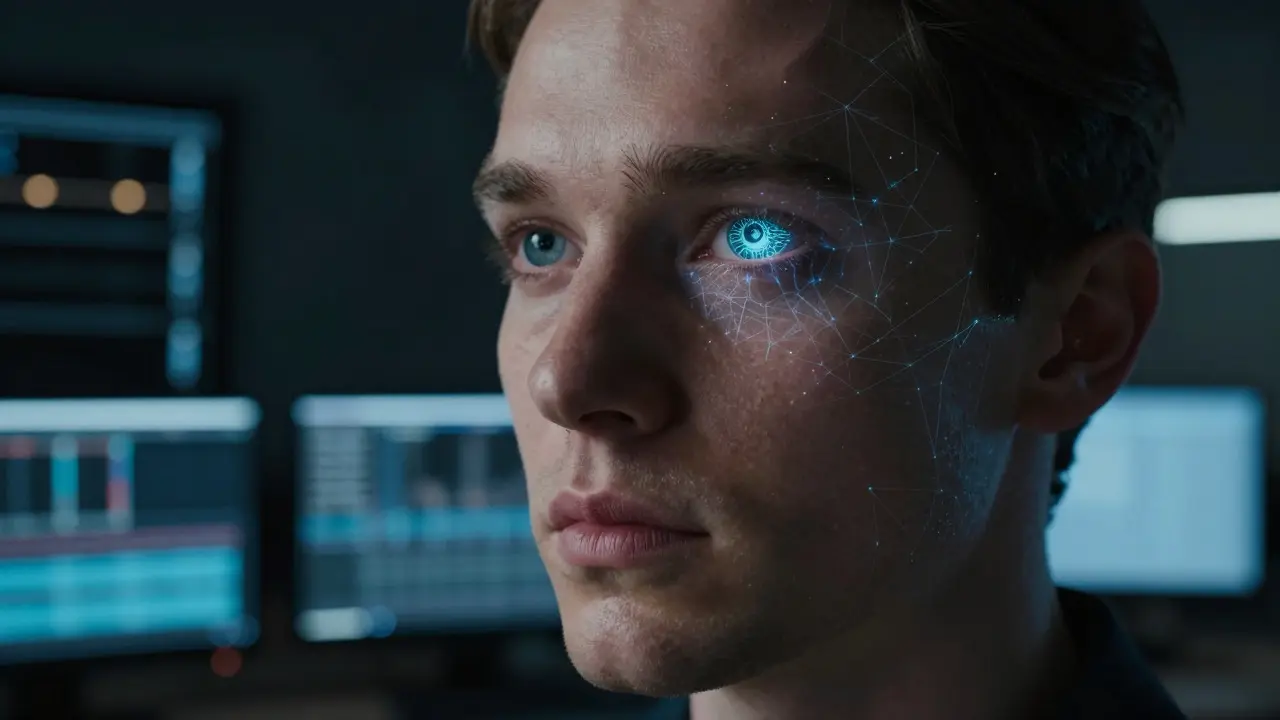
Imagine a scene where a deceased actor delivers a final monologue, or a star looks twenty years younger without a single prosthetic. This isn't science fiction; it’s the current reality of deepfake technology is a method using artificial intelligence to create realistic synthetic media by swapping faces or voices. In 2026, this tool has moved from a niche curiosity to a standard part of post-production pipelines. But with great power comes great responsibility. While deepfakes offer filmmakers unprecedented creative freedom, they also raise urgent questions about consent, truth, and the nature of performance itself.
The Technical Backbone: How Deepfakes Work in Cinema
To understand the ethical debate, you first need to grasp what’s happening under the hood. Unlike traditional motion capture, which requires actors wearing suits covered in dots, modern deepfake workflows often rely on Generative Adversarial Networks (GANs). These neural networks consist of two parts: a generator that creates fake images and a discriminator that tries to spot them. Over time, they learn each other’s weaknesses until the fakes become indistinguishable from reality.
In a film context, this process usually involves three key stages:
- Data Collection: Gathering hundreds of hours of high-resolution footage of the target subject. The more varied the lighting and angles, the better the result.
- Model Training: Feeding this data into an AI model to map facial landmarks, micro-expressions, and voice patterns.
- Synthesis: Applying the trained model to new footage, allowing a director to place an actor in any scenario without them physically being there.
This technology is distinct from simple photo manipulation. It’s dynamic. It captures the subtle twitch of an eye or the specific cadence of a voice. That level of detail is what makes it so powerful-and so controversial.
Creative Possibilities: Beyond De-Aging
For decades, making an actor look older or younger was a nightmare for makeup artists and visual effects teams. Think of the grueling weeks required for Robert Downey Jr. to get into Tony Stark’s suit or the extensive prosthetics used in *The Curious Case of Benjamin Button*. Deepfakes have streamlined this. In recent blockbusters, studios have used Digital De-Aging to cast stars in roles that would otherwise be impossible due to age gaps. It allows for continuity across sequels shot years apart.
But the creative applications go far beyond aging. Consider these scenarios now common in production:
- Posthumous Performances: Recreating the likeness of actors who have passed away to complete unfinished projects or pay tribute in epilogues.
- Global Casting: Allowing an actor to perform a role in a language they don’t speak, with their lip movements perfectly synced to a dubbing artist’s voice.
- Historical Accuracy: Populating historical dramas with accurate depictions of real figures, rather than relying on stand-ins who might not resemble the person.
These tools democratize storytelling. A small indie filmmaker can now simulate a complex crowd scene or age down a lead actor using software that previously cost millions. The barrier to entry for high-end VFX has dropped significantly, opening doors for diverse voices in cinema.
The Ethical Quagmire: Consent and Control
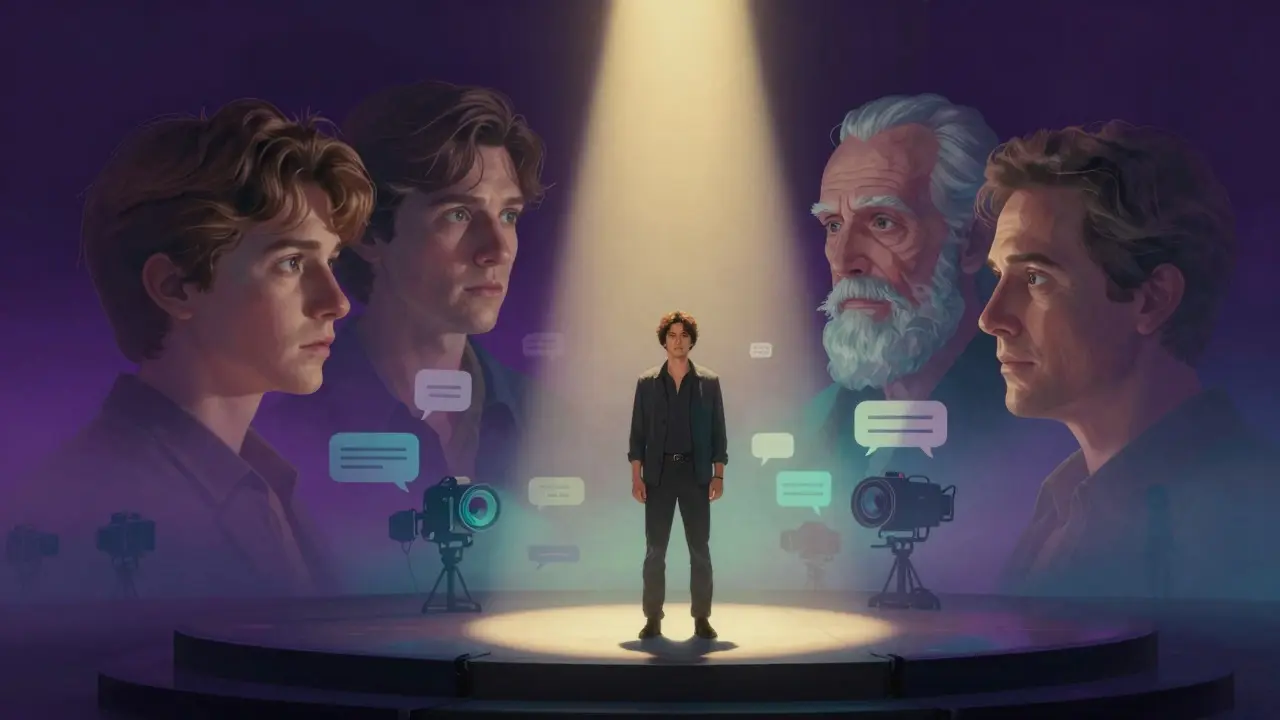
Here is where the conversation gets tricky. Who owns your face? If a studio uses AI to recreate an actor’s likeness, do they need permission every time? In the past, contracts were clear-cut. Today, they’re murky.
The core ethical issue is Right of Publicity, which grants individuals control over the commercial use of their identity. When a deepfake places an actor in a scene they never approved, especially one that contradicts their public persona, it violates this right. We’ve seen cases where unions pushed back hard against unauthorized digital resurrection. The Screen Actors Guild (SAG-AFTRA) strikes in recent years highlighted this exact tension, demanding stricter rules on how long a studio can use a digital twin of an actor after their death.
There’s also the issue of misrepresentation. If a deepfake puts a conservative politician saying something radical, or a beloved actor endorsing a product they hate, the damage to their reputation can be severe. For audiences, the line between entertainment and deception blurs. When every image can be fabricated, trust in visual evidence erodes. This isn’t just a film problem; it’s a societal one that spills out of theaters and into newsrooms and courtrooms.
Comparing Traditional VFX and Deepfake Workflows
To help you decide when to use which tool, let’s compare the old guard with the new tech. Each has its place, but understanding the trade-offs is crucial for producers and directors.
| Feature | Traditional Motion Capture | AI Deepfake Synthesis |
|---|---|---|
| Actor Presence | Required on set | Optional (can be off-screen) |
| Cost Structure | High upfront (hardware/suits), low per frame | Moderate upfront (data/compute), scalable |
| Realism Limit | Limited by suit resolution | Limited by training data quality |
| Ethical Complexity | Low (physical performance) | High (consent/likeness rights) |
| Best For | Full-body action, creature design | Facial close-ups, dialogue scenes, de-aging |
Notice that deepfakes excel at subtlety-eyes, mouth, emotion-while motion capture still dominates full-body physics. Most major productions now use a hybrid approach, blending both to get the best of both worlds.
Navigating the Legal Landscape in 2026
By mid-2026, the legal framework around deepfakes has started to solidify, though it varies by region. In the United States, state laws on publicity rights are patchwork, leading many studios to adopt voluntary industry standards. The European Union, meanwhile, has been stricter, requiring explicit disclosure if a character is heavily synthesized.
Key legal concepts you should know include:
- Digital Twin Licenses: Specific clauses in contracts that define exactly how long and how often a studio can use an actor’s AI-generated likeness.
- Disclosure Requirements: Emerging norms suggesting that films using significant deepfake work should label themselves, similar to how documentaries disclose reenactments.
- Copyright Ambiguity: Does the AI model own the output? Currently, the law leans toward the human creator, but this is still being tested in courts.
Producers are advised to consult specialized entertainment lawyers before greenlighting any project involving heavy synthetic media. Ignoring these nuances can lead to costly lawsuits and delayed releases.
Best Practices for Ethical Implementation
If you’re working in film today, here are practical steps to keep your project ethically sound and legally safe:
- Get Written Consent Early: Don’t wait until post-production. Agree on usage limits during pre-production.
- Label Your Work: If a significant portion of the performance is synthetic, consider adding a note in the credits or marketing materials.
- Use High-Quality Data: Poorly trained models look uncanny and cheap. Invest in good source material to respect the actor’s craft.
- Involve the Actor: Let the performer review their digital self. Their buy-in ensures the performance feels authentic, not robotic.
Transparency builds trust. Audiences aren’t afraid of technology; they’re afraid of being tricked. If you tell them, “This is a digital recreation,” they accept it as a creative choice. If you hide it, they feel manipulated.
Frequently Asked Questions
What is the main difference between a deepfake and traditional CGI?
Traditional CGI involves manually animating characters frame-by-frame or using motion capture data. Deepfakes use AI to automatically synthesize realistic facial movements based on existing footage, requiring less manual animation work but more data training.
Do actors get paid extra for deepfake work?
Yes, typically. Unions like SAG-AFTRA have negotiated rates for digital doubles. Payment structures often depend on the screen time of the digital version and whether it replaces physical presence on set.
Can deepfakes replace live-action acting entirely?
Unlikely in the near future. While deepfakes handle close-ups well, they struggle with complex physical interactions and emotional nuance that require real-time improvisation. They are best viewed as a supplement to, not a replacement for, live performance.
How much does it cost to create a deepfake for a movie?
Costs vary widely. Basic software licenses are affordable, but professional-grade services for feature films can range from $50,000 to over $1 million depending on complexity, duration, and required realism. Data collection and rendering times drive up the price.
Are there regulations on using deepfakes in advertising?
Yes, generally stricter than in film. Advertising laws often require clear disclosure if a celebrity endorsement is simulated. Using a deepfake of a spokesperson without consent can lead to false advertising claims in addition to publicity rights violations.