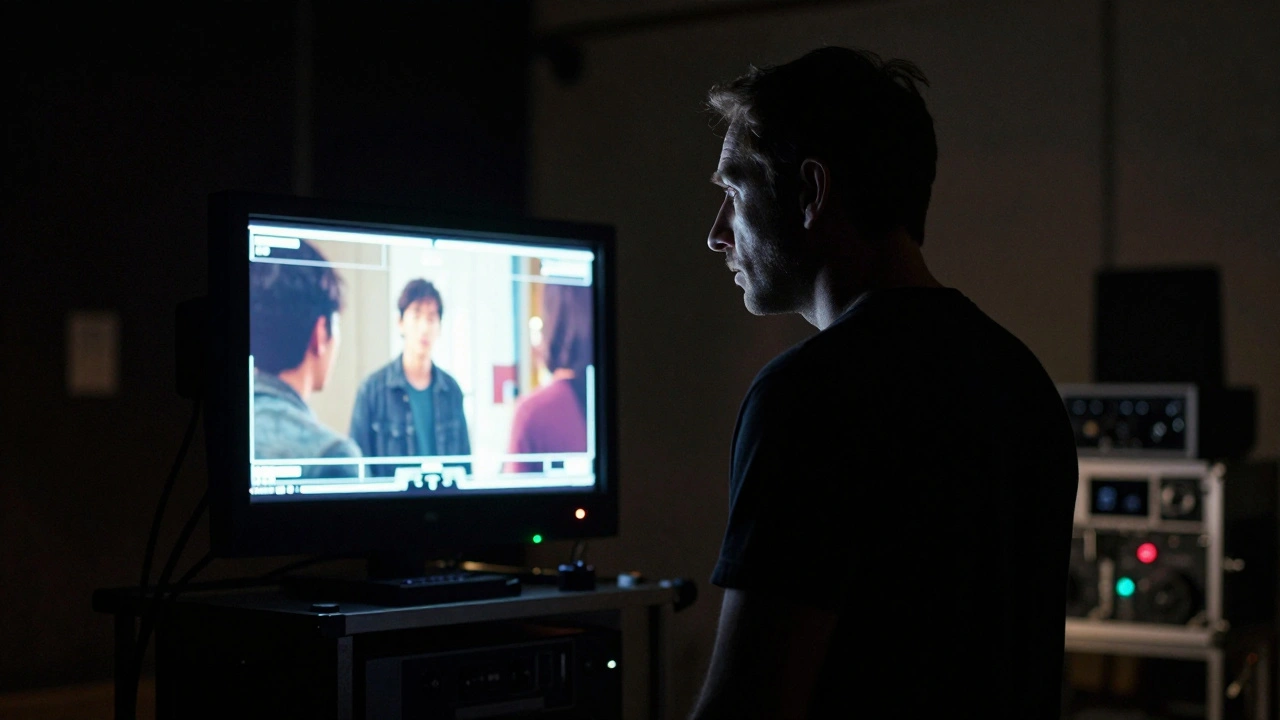
You have a story in your head. It’s vivid, emotional, and perfect. Then you step onto the set, look at the monitor, and realize it looks nothing like the movie in your mind. This gap between imagination and execution is where most films fail-and where great directors are made.
Translating a film idea to the screen isn’t just about pointing a camera. It is the art of translation. You are translating words into images, emotions into lighting, and abstract themes into concrete actions. As a film director, you serve as the primary creative leader who interprets a screenplay and guides all artistic and technical aspects of production to create a cohesive final product. Your job is not to be the writer, the actor, or the editor. Your job is to unify them.
The Blueprint: From Script to Visual Plan
Before you ever speak to an actor or light a scene, you must break down the script. The screenplay is your blueprint, but blueprints don’t build houses; they guide builders. If you treat the script as sacred text that cannot be changed visually, you will end up with a play recorded on video.
The first step is identifying the subtext-the unspoken emotions beneath the dialogue. In a scene where two characters discuss dinner plans, are they really talking about food? Or are they negotiating power in their relationship? Your visual choices must reflect this hidden layer.
- Identify the core conflict: What does each character want in this specific scene?
- Determine the emotional arc: How does the mood shift from start to finish?
- Select visual metaphors: What objects or settings can mirror the internal state?
For example, if a character feels trapped, you might shoot through windows, use tight framing, or place heavy furniture in the foreground. These choices translate the abstract feeling of "trapped" into something the audience sees instantly.
Collaboration: The Director’s Core Skill
A common myth is that the director controls everything. In reality, a director influences everyone. You do not operate the camera, paint the sets, or cut the film. You communicate your vision to people who are experts in their fields.
Your primary collaborators include the cinematographer (who handles lighting and camera movement), the production designer (who creates the physical world), and the actors (who embody the characters). Each brings their own interpretation. Your role is to align these interpretations with your central vision.
| Department | Primary Responsibility | Director’s Input Method |
|---|---|---|
| Cinematography | Lighting, lens choice, camera movement | Mood boards, shot lists, on-set blocking |
| Production Design | Set construction, props, color palette | Concept art reviews, location scouting notes |
| Acting | Character performance, timing, emotion | Rehearsals, action verbs, reference footage |
| Editing | Pacing, narrative structure, rhythm | Rough cut feedback, assembly guidelines |
If you tell a cinematographer "make it look sad," you will get vague results. If you say "use cool blue tones, soft focus, and slow push-ins to emphasize isolation," you give them a tool to work with. Specificity breeds creativity.
Visual Language: Showing Instead of Telling
Film is a visual medium. Relying on dialogue to explain plot points is often a sign of weak direction. Strong directors use visual storytelling-conveying information through composition, movement, and color without a single word.
Consider the use of framing. A wide shot can make a character feel small and vulnerable against a vast landscape. A close-up forces intimacy, making the audience feel every micro-expression. The distance between the camera and the subject dictates the emotional distance between the viewer and the character.
Color grading also plays a massive role. Warm oranges and yellows often evoke nostalgia or comfort, while desaturated greens and blues can suggest sickness, decay, or coldness. Think of how Wes Anderson uses symmetry and pastel palettes to create a sense of ordered whimsy, or how Denis Villeneuve uses stark contrasts and muted earth tones to build tension in sci-fi epics. These aren’t accidents; they are deliberate translations of theme into visual data.
Blocking and Movement: Choreographing Emotion
Blocking refers to where actors stand and move within the frame. Many new directors let actors wander aimlessly, resulting in chaotic shots that distract from the story. Effective blocking guides the audience’s eye and reveals relationships.
When two characters are arguing, placing them on opposite sides of the frame with negative space between them emphasizes their disconnect. Moving them closer together during reconciliation shows their growing connection. Even subtle movements, like one character turning away while another speaks, can signal rejection or shame.
Camera movement should always serve the story. A handheld camera creates urgency and realism, pulling the viewer into the chaos. A steady dolly shot suggests control, observation, or inevitability. Never move the camera just because it looks cool. Ask yourself: what does this movement add to the meaning of the scene?
The Editing Room: Where the Film Is Made
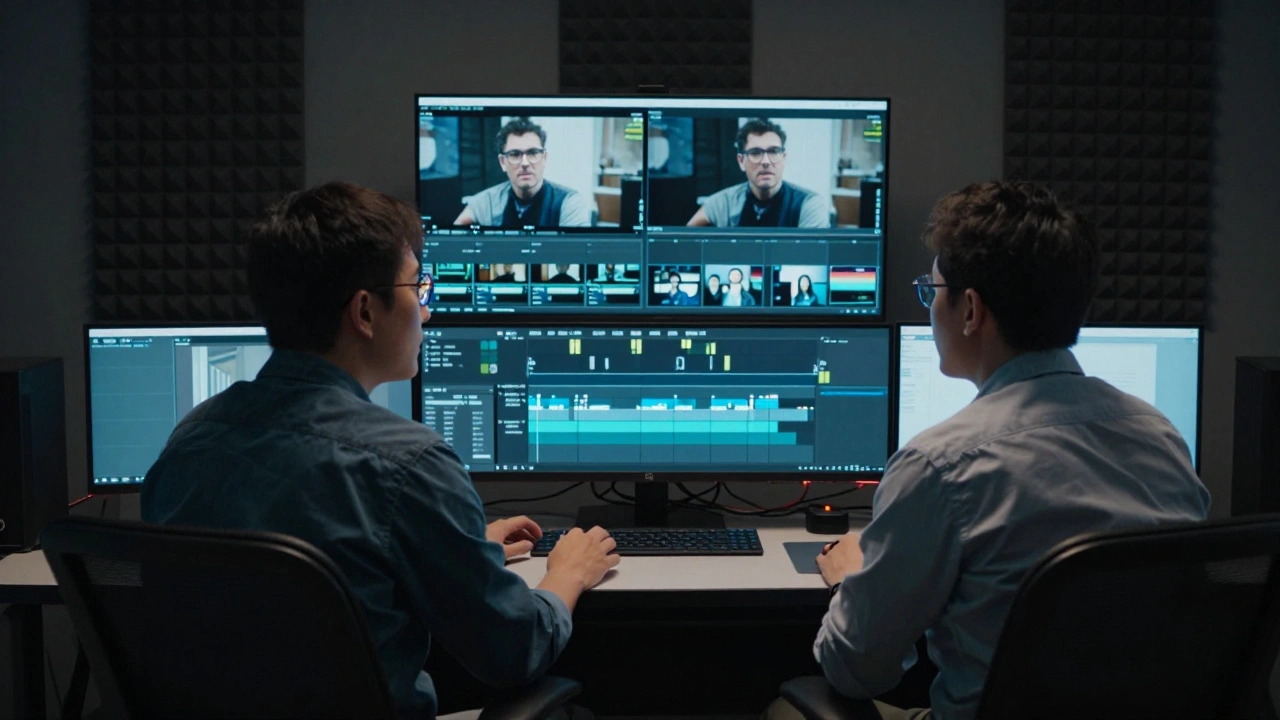
Many directors believe their work ends when principal photography wraps. This is a mistake. post-production is where the final shape of your vision emerges. Editing determines pacing, rhythm, and clarity.
In the editing room, you may discover that a scene you loved on set drags the narrative down. Be ruthless. Cut anything that doesn’t serve the story or deepen character understanding. Conversely, you might find that a brief glance between actors holds more weight than three pages of dialogue. Trust the edit.
Sound design is equally critical. Silence can be louder than explosions. The hum of a refrigerator, the distant traffic, or the absence of music can heighten tension far more effectively than a dramatic score. Work closely with your sound mixer and composer to ensure audio supports the visual tone.
Common Pitfalls to Avoid
Even experienced directors fall into traps that dilute their creative vision. Here are the most frequent ones:
- Over-directing actors: Giving too many technical instructions kills spontaneity. Focus on objectives and emotions, not exact gestures.
- Ignoring coverage: Failing to get backup shots means you’re hostage to your initial setup. Always get wides, mediums, and inserts unless you have a very specific reason not to.
- Losing the theme: Getting distracted by spectacle or style without grounding it in thematic purpose leads to hollow visuals.
- Poor communication: Assuming your team understands your intent without clear explanation causes misalignment.
To avoid these, prepare thoroughly before shooting. Have a clear shot list, rehearse key scenes, and maintain open lines of communication with your department heads. Flexibility is important, but preparation prevents panic.
Practical Steps for Emerging Directors
If you are starting out, here is a practical roadmap to translate your ideas effectively:
- Storyboard key scenes: Even rough sketches help visualize composition and camera angles.
- Create a mood board: Collect images, colors, and textures that represent the film’s tone. Share this with your team early.
- Rehearse extensively: Use rehearsals to experiment with blocking and timing before committing to expensive shooting days.
- Shoot for the edit: Think about how shots will connect in sequence. Get clean cuts and overlapping action.
- Seek feedback early: Show rough cuts to trusted peers, not just friends and family. Listen critically.
Remember, your first few films won’t be perfect. They are learning tools. Each project teaches you how to better communicate your vision and manage complex collaborations.
How do I develop my unique directorial voice?
Your directorial voice emerges from consistent choices across multiple projects. Pay attention to what themes recur in your favorite films, what visual styles resonate with you, and how you naturally handle conflict on set. Over time, patterns will appear-whether it’s a preference for natural lighting, long takes, or specific types of character arcs. Embrace these tendencies rather than fighting them.
What should I do if my cinematographer disagrees with my vision?
Disagreement is healthy if handled professionally. Explain the emotional or narrative reason behind your choice, not just the aesthetic result. Listen to their concerns-they may spot logistical issues you missed. Compromise where possible, but stay firm on elements critical to your story. A good working relationship respects both perspectives.
Is it necessary to storyboard every scene?
No, but it helps for complex sequences involving stunts, special effects, or precise choreography. For dialogue-heavy scenes, detailed storyboards may restrict improvisation. Use them as flexible guides rather than rigid rules. Many successful directors rely on mental visualization and strong collaboration instead of exhaustive pre-visualization.
How much control should a director have over editing?
Ideally, significant control, especially regarding pacing and narrative structure. However, collaborating with an experienced editor brings fresh perspective. Be open to their suggestions, particularly regarding timing and flow. Final cut privilege varies by contract, but even without it, active involvement ensures the edit reflects your original intent.
Can I direct a film without formal training?
Absolutely. Many acclaimed directors are self-taught. Formal education provides structure and networking opportunities, but passion, practice, and study of existing films are equally valuable. Watch films analytically, break down scenes, experiment with available equipment, and seek mentorship. Real-world experience often outweighs classroom learning.