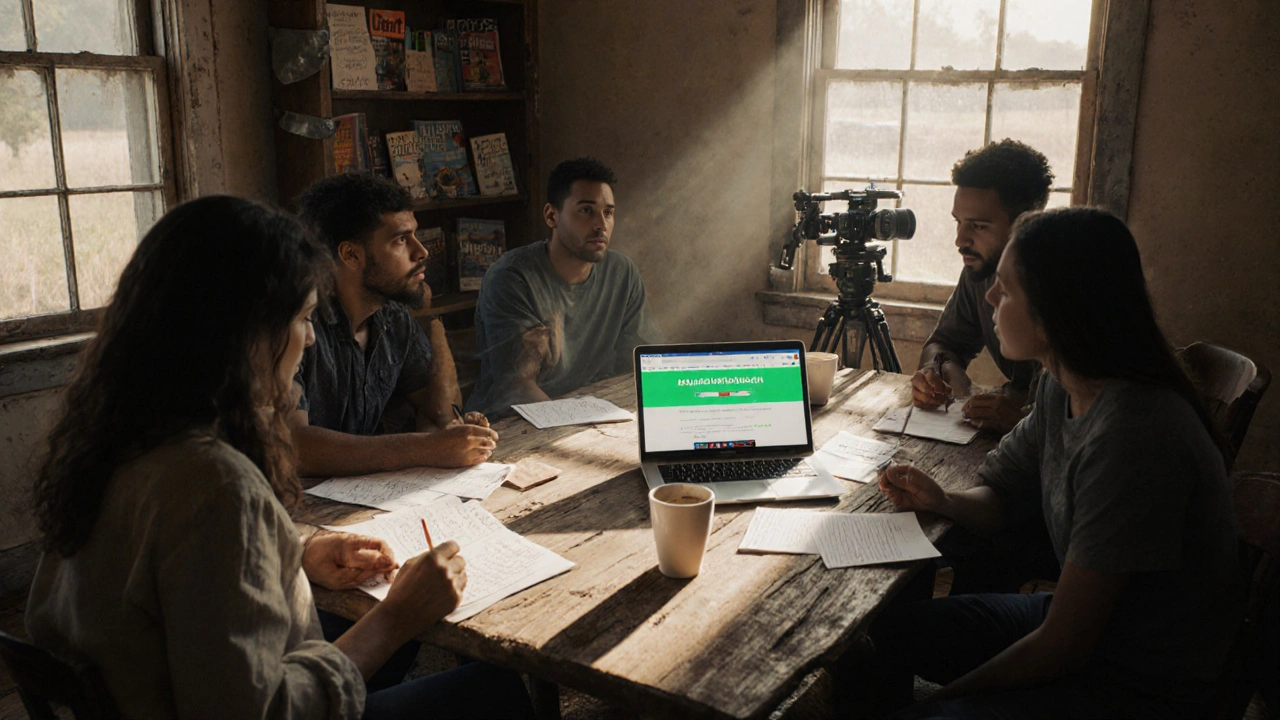
Most independent filmmakers don’t have a studio backing them. They don’t have a multi-million dollar budget or a team of accountants managing cash flow. They have a script, a passion, and a whole lot of questions about how to pay for it all. The truth? Traditional bank loans and studio deals are out of reach for most. But that doesn’t mean your film won’t get made. There are real, working alternatives - and they’re not just for people who know someone in Hollywood.
Grants Are Still a Thing - If You Know Where to Look
People think grants are for universities or nonprofits. But dozens of film-specific grants exist every year, and they’re not competitive because they’re hard - they’re competitive because most filmmakers don’t even know they exist.
The Independent Film Project (IFP) offers grants for narrative features, documentaries, and experimental work. The Sundance Institute gives out over $2 million annually in development and production grants, mostly to first-time filmmakers. The National Endowment for the Arts funds projects with cultural or community impact. And don’t overlook state-level programs: North Carolina’s Film Office gives out $10 million in tax credits and direct grants each year, and many of those go to local indie teams.
These aren’t handouts. You need a solid budget, a clear story, and proof that your project matters to a community. But if you’ve got a documentary about rural healthcare access in Appalachia, or a short film about immigrant teens in Asheville, you’re already ahead of 90% of applicants who just want to make a thriller with a dragon in it.
Crowdfunding Isn’t Just Kickstarter - It’s About Community
Crowdfunding isn’t magic. You don’t post a video and wait for money to roll in. Successful campaigns are built over months, not days. They’re about relationships, not just rewards.
Take the 2024 film Blue Ridge, a low-budget drama shot in Western North Carolina. The team raised $87,000 on Kickstarter, but here’s what they did differently: they didn’t just offer T-shirts and DVDs. They offered producer credits to anyone who gave $500. They hosted three local screening events during the campaign. They posted weekly behind-the-scenes updates showing the crew fixing a broken camera rig with duct tape and determination. They even mailed handwritten thank-you notes from the lead actor.
That’s the secret: people don’t fund films. They fund people. They fund the story behind the story. If your campaign feels like a transaction, it fails. If it feels like an invitation to be part of something real, it works.
Private Investors Don’t Have to Be Rich - Just Connected
You don’t need a billionaire uncle to fund your film. You need people who believe in your vision - and who have a little extra cash to spare.
Many indie filmmakers find investors through their own networks: teachers, small business owners, local doctors, even librarians. One filmmaker in Portland raised $120,000 from 37 individual investors, each putting in $3,000 to $5,000. That’s not a lot for one person. But 37 people? That’s a real budget.
Here’s how to approach it: don’t ask for money. Ask for a conversation. Say: “I’m making a film about [topic]. It’s going to cost $150,000. I’ve got $80,000 secured. I’m looking for 10 people who want to be part of this. If you’re curious, I’ll send you the budget and a 5-minute teaser.”
Make it legal. Use a simple LLC structure with an investor agreement. You’re not selling stock - you’re offering a share of net profits after recoupment. Most investors won’t see a return, but they’ll remember being part of something meaningful. And if the film gets into Sundance? That’s when the real payoff happens.
Product Placement That Doesn’t Feel Like Ads
Forget the cheesy Coca-Cola shots in every scene. Smart indie filmmakers use product placement as a barter system - not a sales pitch.
A film shot in rural Tennessee needed $20,000 worth of equipment. Instead of renting, they partnered with a local camera shop. In exchange for featuring their gear in the film - and letting them use the movie in their marketing - the shop gave the crew free access to lenses, drones, and lighting kits for three months.
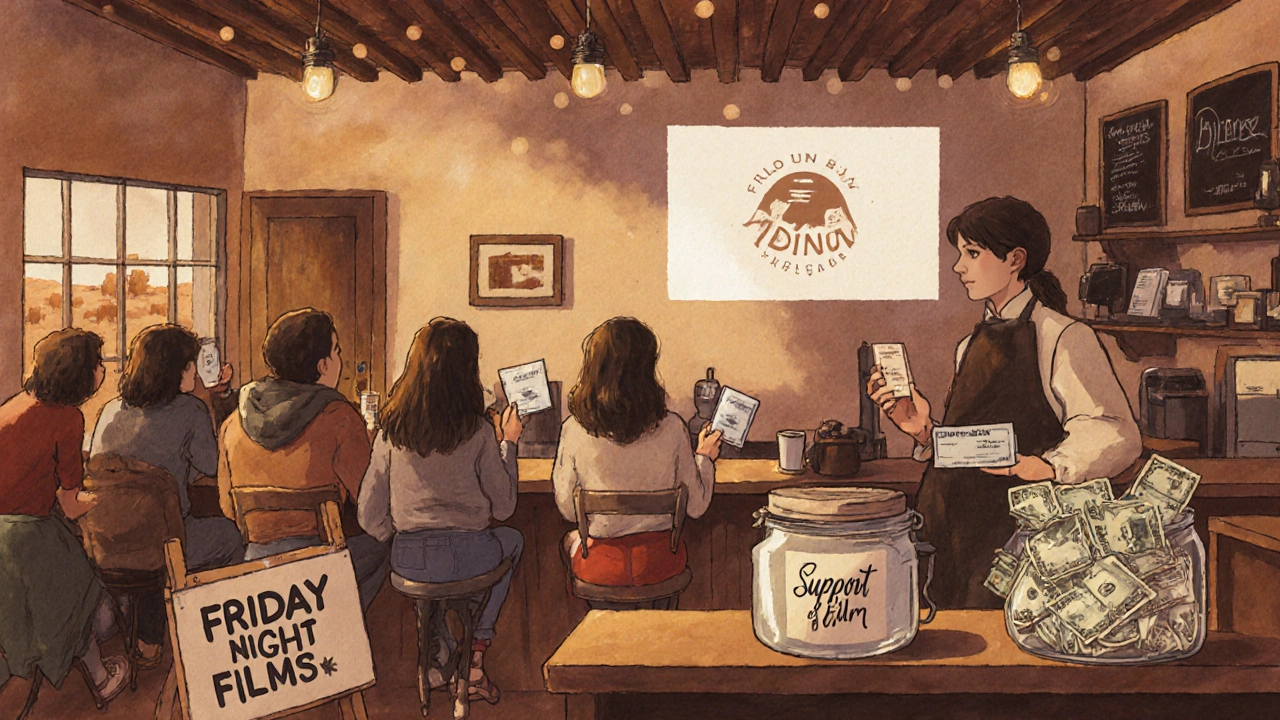
Another team in New Mexico swapped free screening rights for a local coffee shop. They showed their film there every Friday night for a month. The shop promoted it to customers. The filmmakers got free screening space. Everyone won.
This works best when the product or service naturally fits the story. A character who’s a barista? Feature local beans. A road trip movie? Partner with a regional food truck. It’s not advertising - it’s collaboration.
Pre-Sales and Distribution Deals Before You Shoot
Here’s a counterintuitive truth: you can raise money by selling your film before you even film it.
Pre-sales mean signing agreements with distributors in other countries before principal photography begins. A film might get $15,000 from a streaming platform in Germany, $10,000 from a TV network in Australia, and $5,000 from a niche festival circuit in Canada. That’s $30,000 in cash upfront - no investors, no loans.
How do you do it? You need a strong pitch deck: logline, director’s statement, sample script, cast list, and visuals. You don’t need a finished film. You need credibility. Film markets like the European Film Market and AFM (American Film Market) are where this happens. You don’t need to fly there - many buyers now accept virtual pitches.
One filmmaker from Ohio raised $75,000 this way by selling rights to four international territories before shooting began. She used a template from the International Documentary Association and spent two months emailing producers in Spain, Poland, and Japan. She got three yeses. That covered half her budget.

Hybrid Models: Mix and Match to Fill the Gaps
The best-funded indie films don’t rely on one source. They stitch together multiple streams.
Consider this real budget breakdown from a 2024 short film:
- $30,000 from a state arts grant
- $25,000 from 22 private investors ($1,000-$2,500 each)
- $15,000 from a Kickstarter campaign (with local business sponsorships)
- $10,000 in-kind equipment from a local studio
- $8,000 pre-sale from a Canadian streaming service
Total: $88,000. No bank loan. No studio. No debt.
That’s the model. You don’t need one big check. You need 10 small ones - and the hustle to find them.
What Doesn’t Work (And Why)
Let’s be clear: some strategies are traps.
Pay-to-play festivals: If a festival asks you to pay to submit, don’t. Real festivals make money from tickets and sponsors - not from filmmakers.
Loans from friends and family: These can destroy relationships. If you take money from someone close, treat it like a business deal. Put it in writing. Set clear terms. Don’t assume they’ll “understand” if you don’t pay back.
Over-relying on crowdfunding: Only 12% of film campaigns on Kickstarter hit their goal. Most fail because they treat it like a lottery, not a campaign.
Waiting for “the right time”: There is no perfect moment. The best time to start fundraising is yesterday.
Start Now - Even If You’re Scared
You don’t need to be rich. You don’t need connections. You just need to start.
Take one small step today: find one grant you qualify for. Email one local business owner about a potential partnership. Draft a one-page pitch. Call a filmmaker you admire and ask for advice.
Every film that ever got made started with someone who refused to wait for permission. You’re not asking for a handout. You’re asking for a chance to tell a story that matters. And that’s worth fighting for.
Can I fund an indie film without any prior experience?
Yes. Most successful indie filmmakers are first-timers. What matters isn’t your resume - it’s your plan. A clear budget, a compelling pitch, and a realistic timeline matter more than past credits. Grants, local investors, and pre-sales don’t require you to have made a film before. They require you to show you know what you’re doing - and that’s something you can learn.
How long does indie film funding usually take?
It varies, but most filmmakers spend 6 to 12 months raising money before they start shooting. Grant applications can take 3-6 months to process. Crowdfunding campaigns need at least 60 days of prep. Pre-sales often require months of pitching. Don’t wait until you’re ready to shoot to start fundraising. Start as soon as you have a script.
Do I need a business license to accept film funding?
Not always, but you should form an LLC or similar legal entity. This protects you from personal liability if something goes wrong. It also makes investors feel more secure. You don’t need a lawyer to set up an LLC - services like LegalZoom or Incfile can do it for under $500. Most states allow you to file online in under 24 hours.
What’s the most common mistake indie filmmakers make with funding?
Underestimating the cost of post-production. Many filmmakers raise money just to shoot, then run out of cash for editing, sound design, color grading, and music licensing. Post can cost as much as - or more than - production. Always budget at least 30% of your total budget for post. If you don’t, your film won’t look professional - no matter how good the footage is.
Can I use my retirement savings to fund a film?
Technically, yes - but it’s extremely risky. Retirement funds are meant to last a lifetime. Films rarely make money, especially indie ones. If you lose that money, you won’t get it back. If you’re considering this, talk to a financial advisor first. Most experts strongly advise against it. Use your savings only if you can afford to lose it completely - and even then, consider it a last resort.
If you’re serious about making a film, stop waiting for a miracle. Start building your funding plan today - one grant, one conversation, one small win at a time. The film you want to make doesn’t need Hollywood. It just needs you to take the first step.